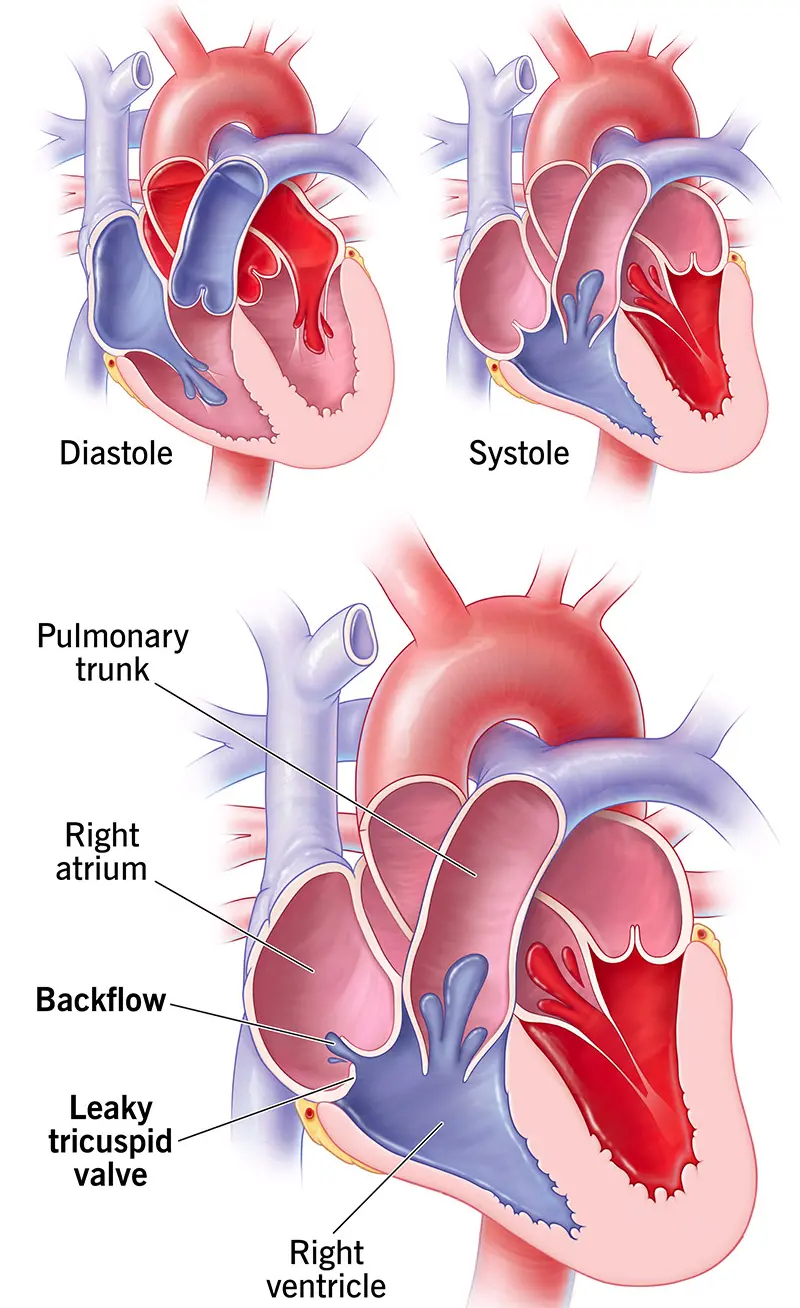
Tricuspid valve disease refers to conditions that affect the tricuspid valve, one of the four valves of the heart. This valve is located between the right atrium and the right ventricle and helps control the flow of blood through the heart. When the tricuspid valve does not function properly, blood flow between the heart chambers becomes disrupted. The valve may …
Tricuspid Atresia
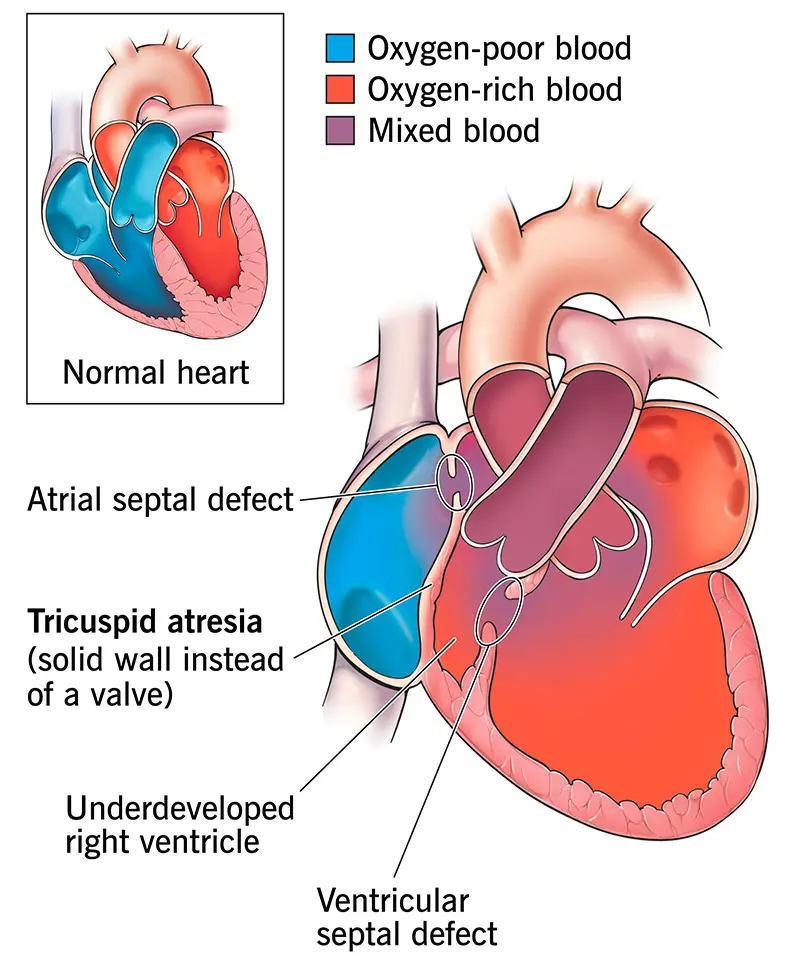
Tricuspid atresia is a rare congenital heart defect present at birth in which the tricuspid valve, located between the right atrium and right ventricle of the heart, does not develop properly. Because this valve is missing or blocked, blood cannot flow normally from the right atrium to the right ventricle. As a result, oxygen poor blood cannot easily reach the …
Trichomoniasis
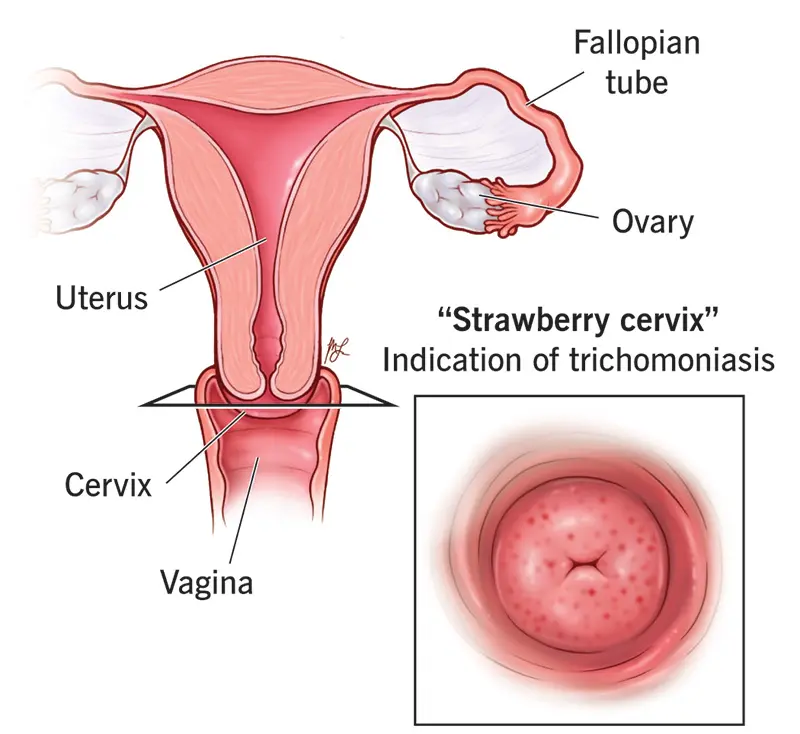
Trichomoniasis is a common sexually transmitted infection caused by a parasite called Trichomonas vaginalis. The infection mainly affects the genital tract and is most commonly seen in women, although men can also become infected. Many people with trichomoniasis do not experience symptoms, which means the infection can remain unnoticed and spread to others through sexual contact. When symptoms occur, they …
Trichinosis
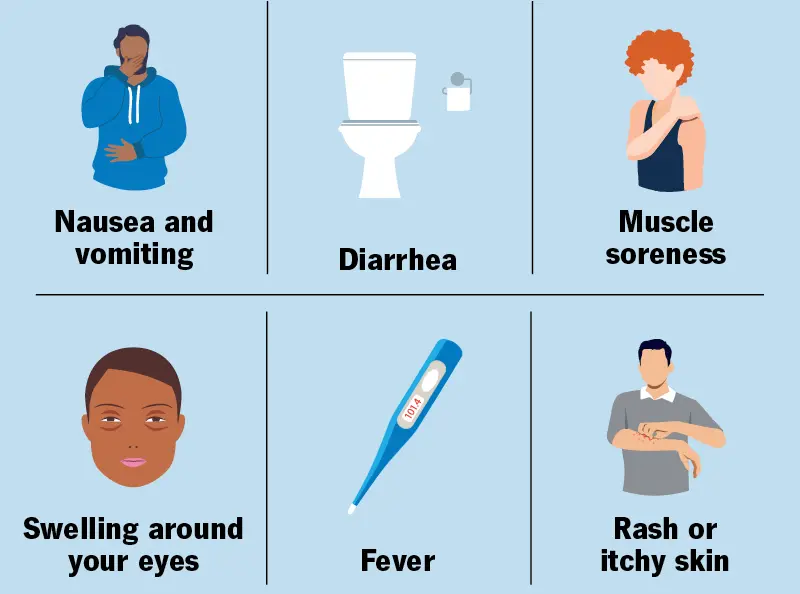
Trichinosis is a parasitic infection caused by roundworms of the Trichinella species. People become infected by eating raw or undercooked meat that contains the larvae of the parasite, most commonly pork or wild game such as wild boar or bear. After entering the body, the larvae mature in the intestines and later travel through the bloodstream to muscle tissues, where …
Transverse Myelitis
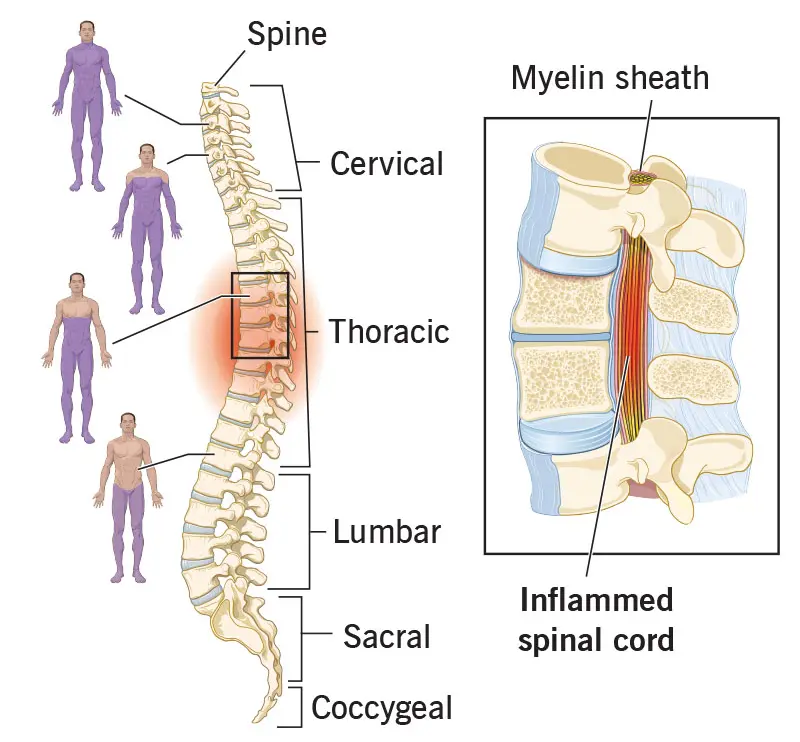
Transverse myelitis is a rare neurological condition that occurs when inflammation damages a section of the spinal cord. This inflammation disrupts the communication between nerves in the spinal cord and the rest of the body. As a result, people may experience problems with movement, sensation, and normal body functions. The condition can develop suddenly or gradually over several hours to …
Transposition of the Great Arteries
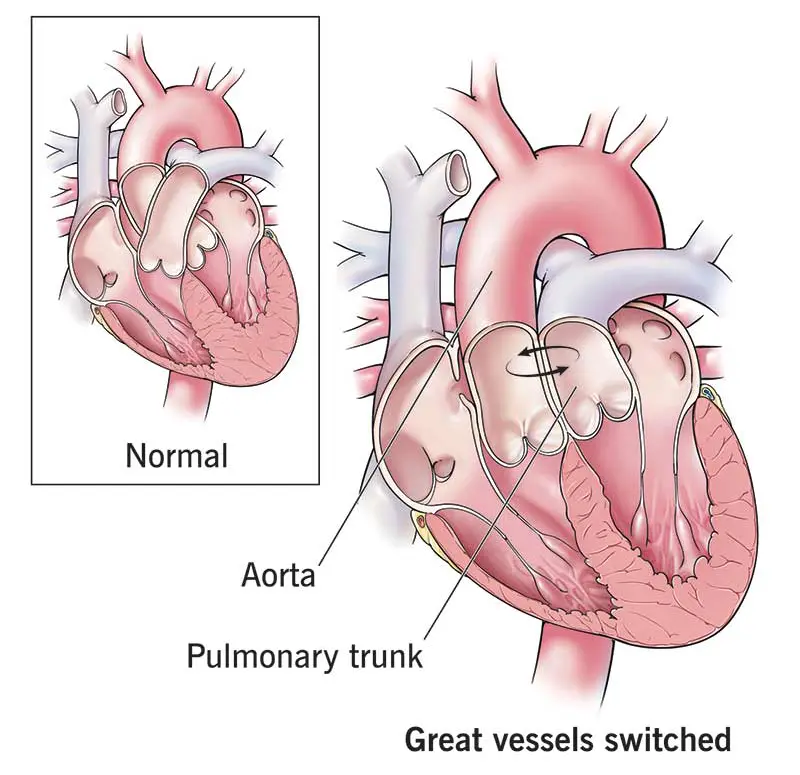
Transposition of the great arteries is a serious congenital heart defect present at birth in which the two main arteries leaving the heart are reversed. Normally, the pulmonary artery carries oxygen poor blood from the heart to the lungs, and the aorta carries oxygen rich blood from the heart to the rest of the body. In this condition, these arteries …
Toxoplasmosis
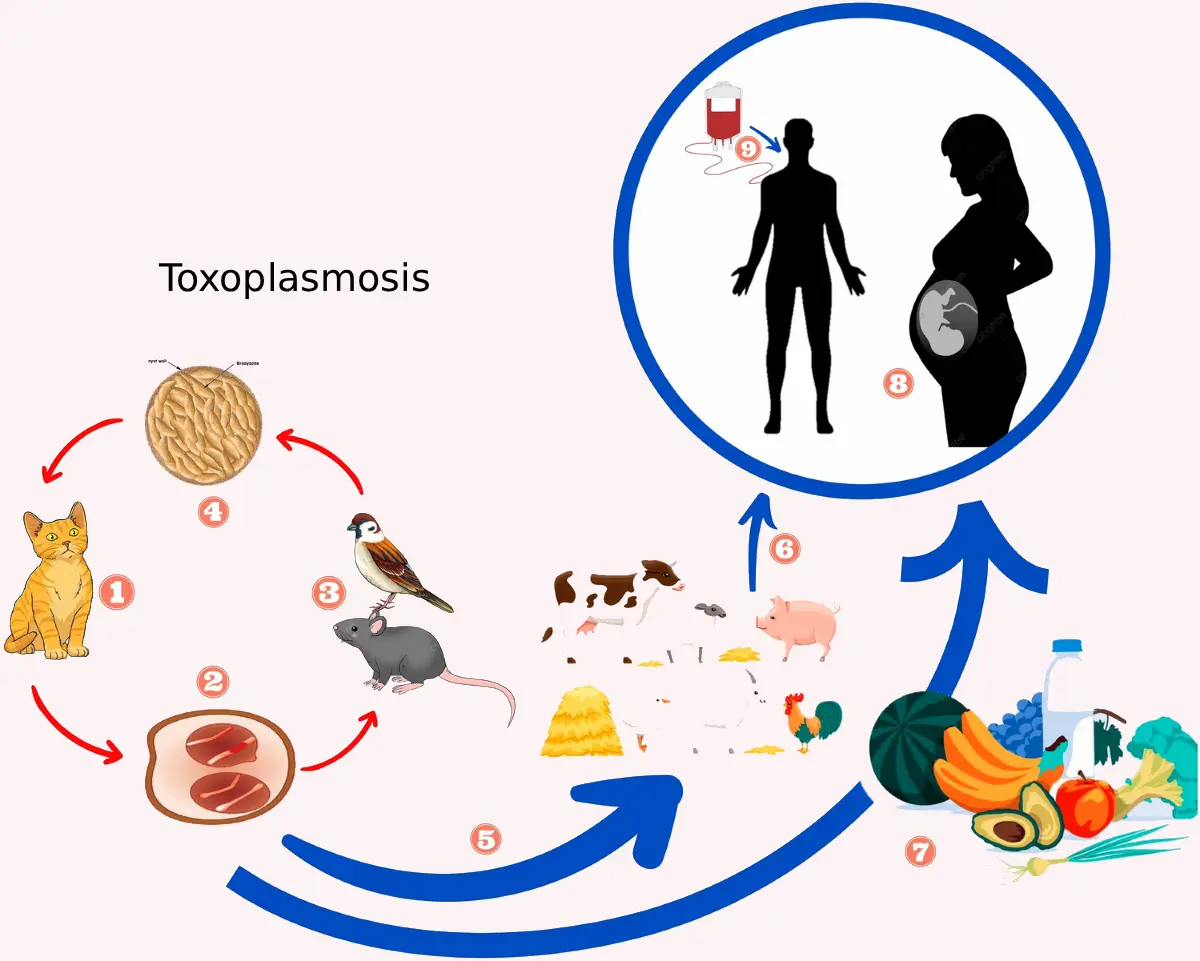
Toxoplasmosis is an infection caused by the parasite Toxoplasma gondii. This parasite can infect humans and animals, especially cats, which are the primary hosts where the parasite reproduces. Many people infected with toxoplasmosis do not show symptoms because their immune system keeps the infection under control. The infection is usually mild in healthy individuals, but it can cause serious complications …
Toxic Shock Syndrome
Toxic shock syndrome is a rare but serious condition caused by toxins produced by certain types of bacteria. The most common bacteria involved are Staphylococcus aureus and group A Streptococcus. These toxins can enter the bloodstream and cause a sudden and severe immune response that affects multiple organs in the body. Toxic shock syndrome can develop rapidly and requires immediate …
Tourette Syndrome
Tourette syndrome is a neurological disorder characterized by repetitive, involuntary movements and vocalizations called tics. These tics usually begin in childhood and can vary in frequency and intensity over time. The condition affects the nervous system and typically appears between the ages of 5 and 10. Tics may involve sudden movements such as blinking, shoulder shrugging, or facial grimacing, as …
Torn Meniscus
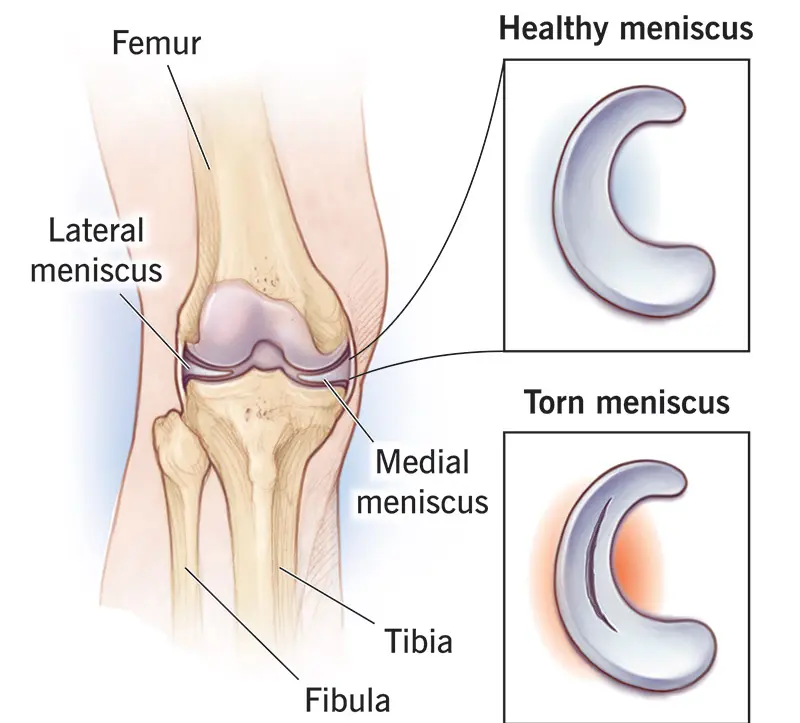
A torn meniscus is a common knee injury that occurs when one of the menisci in the knee becomes damaged. The menisci are two crescent shaped pieces of cartilage that act as cushions between the thigh bone and the shinbone. They help stabilize the knee joint and absorb shock during movement. A meniscus tear can happen during sports activities that …