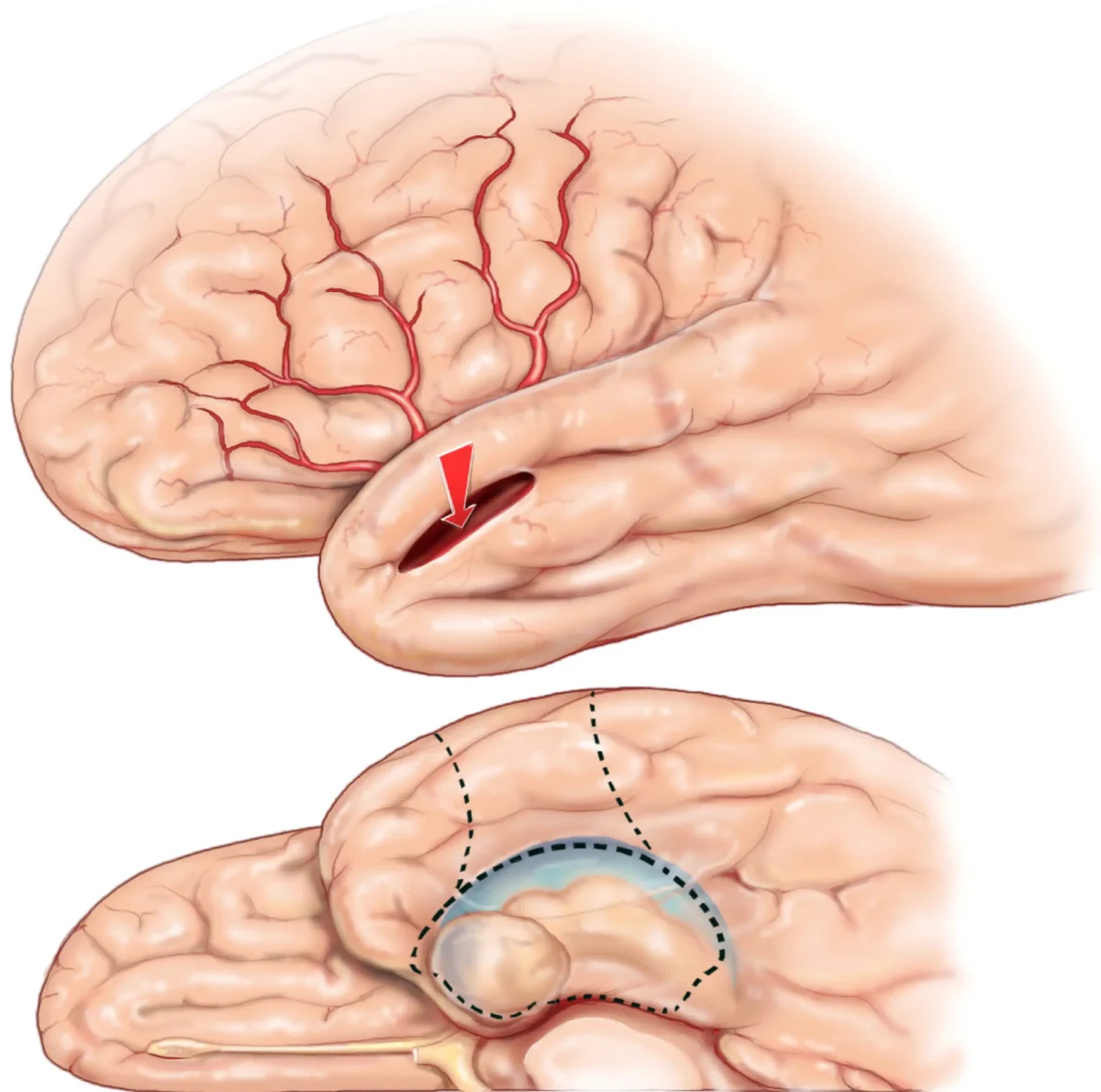
Temporal lobe seizure is a type of focal seizure that originates in the temporal lobe of the brain, an area involved in memory, emotions, and sensory processing. These seizures may occur with or without loss of awareness and can cause a wide range of physical, emotional, and sensory symptoms. Temporal lobe seizures are among the most common forms of focal …
Traumatic Brain Injury
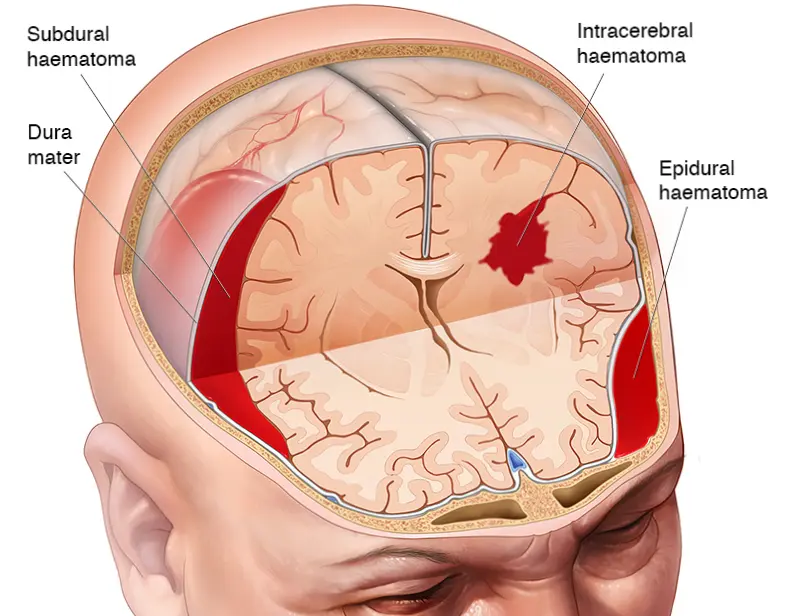
Traumatic brain injury is a condition that occurs when a sudden blow, jolt, or penetrating injury to the head disrupts the normal function of the brain. It can range from mild injuries, such as concussions, to severe brain damage that may cause long term complications or death. Traumatic brain injury commonly results from falls, road accidents, sports injuries, or violent …
Tuberculosis
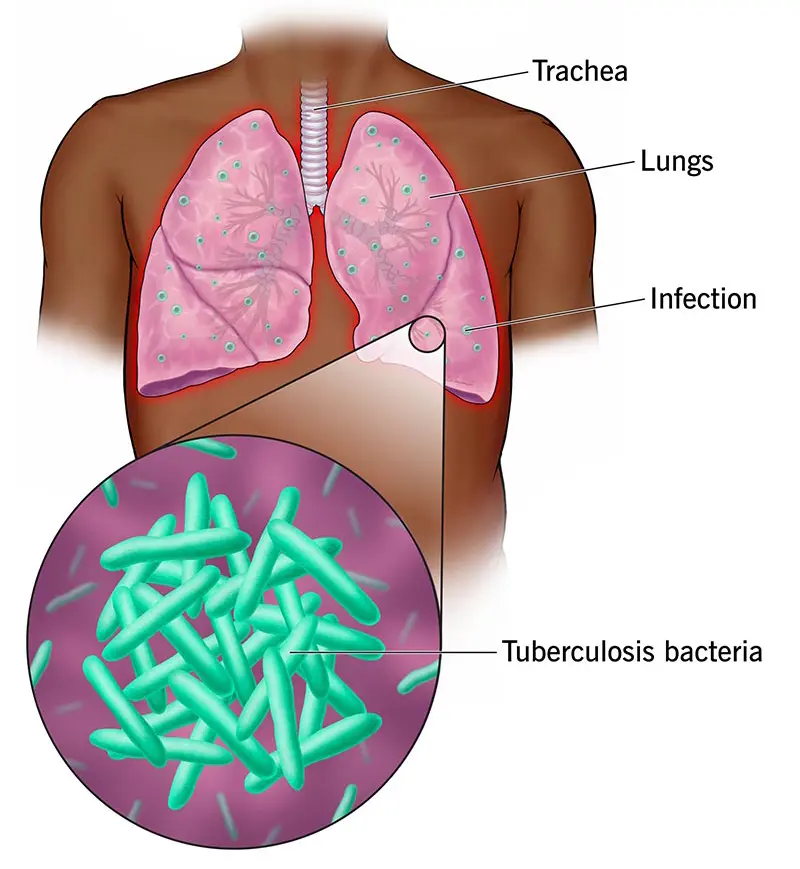
Tuberculosis is a contagious infectious disease caused by a bacterium called Mycobacterium tuberculosis. It most commonly affects the lungs, but it can also involve other parts of the body such as the brain, kidneys, spine, and lymph nodes. The disease spreads through the air when a person with active tuberculosis coughs, sneezes, or speaks, releasing tiny droplets containing the bacteria. …
Tay-Sachs Disease
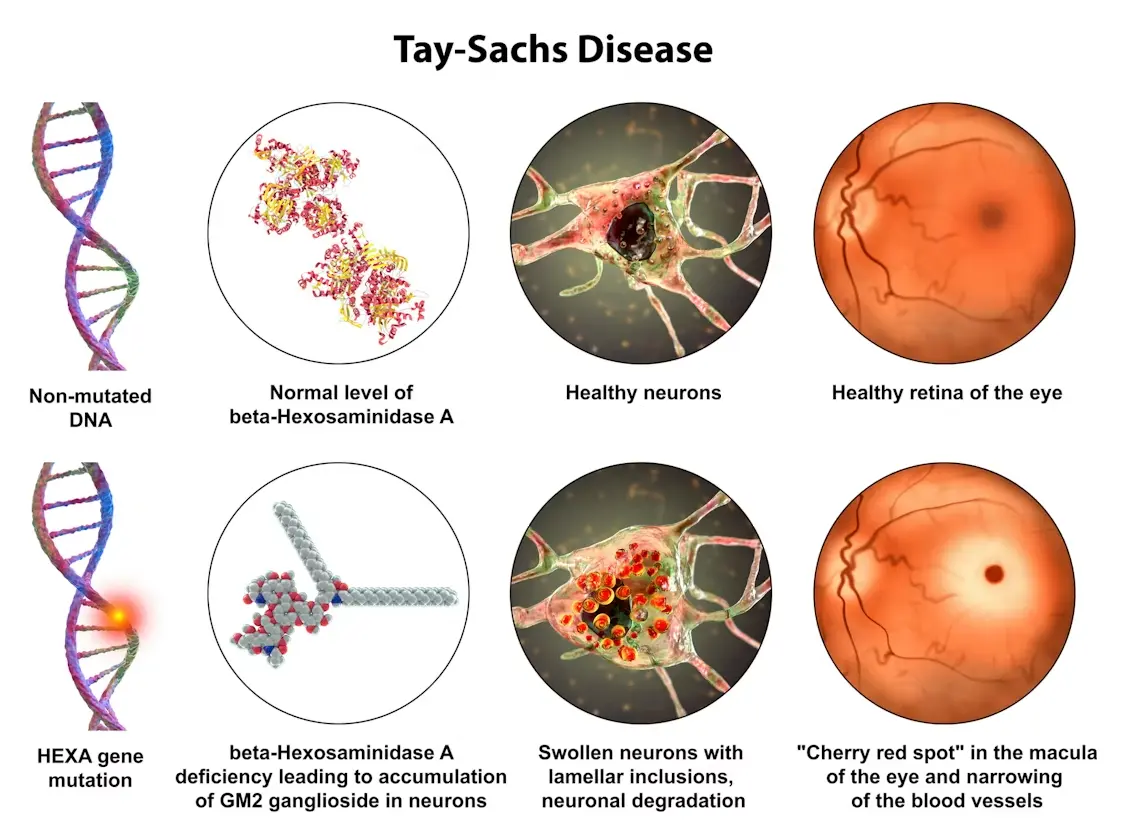
Tay-Sachs disease is a rare, inherited neurological disorder that progressively destroys nerve cells in the brain and spinal cord. It is caused by the absence or severe deficiency of an enzyme needed to break down a fatty substance in nerve cells. As this substance accumulates, it leads to worsening neurological damage. The condition is most commonly diagnosed in infancy, but …
Total Anomalous Pulmonary Venous Return (TAPVR)
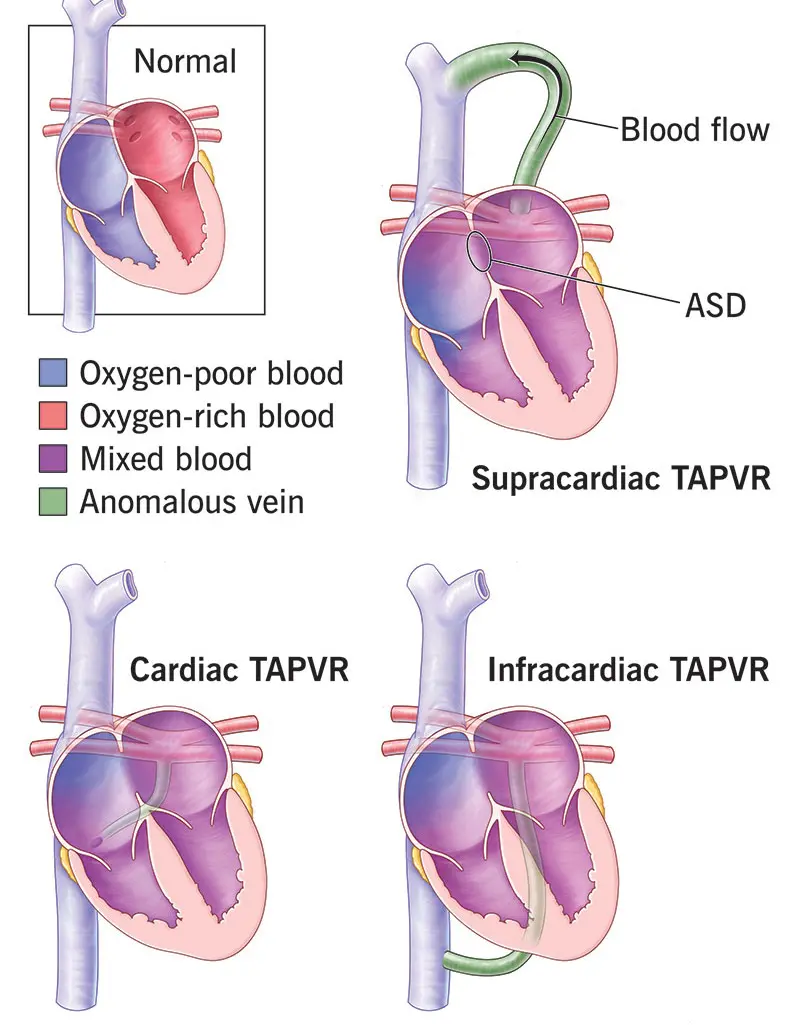
Total anomalous pulmonary venous return, often abbreviated as TAPVR, is a rare congenital heart defect in which the pulmonary veins do not connect normally to the left atrium of the heart. Normally, pulmonary veins carry oxygen rich blood from the lungs to the left side of the heart so it can be pumped to the rest of the body. In …
Tapeworm Infection
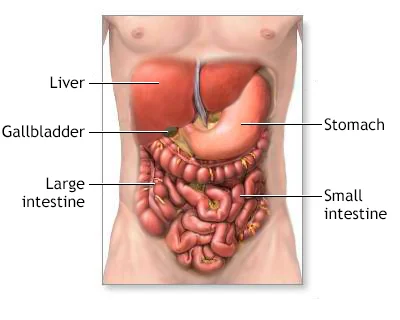
Tapeworm infection is a parasitic intestinal condition caused by adult tapeworms living in the digestive tract. Humans usually become infected by consuming undercooked or raw meat that contains tapeworm larvae or by ingesting contaminated food or water. Several species of tapeworms can infect humans, and the severity of illness depends on the type of tapeworm and the location of infection. …
Tachycardia
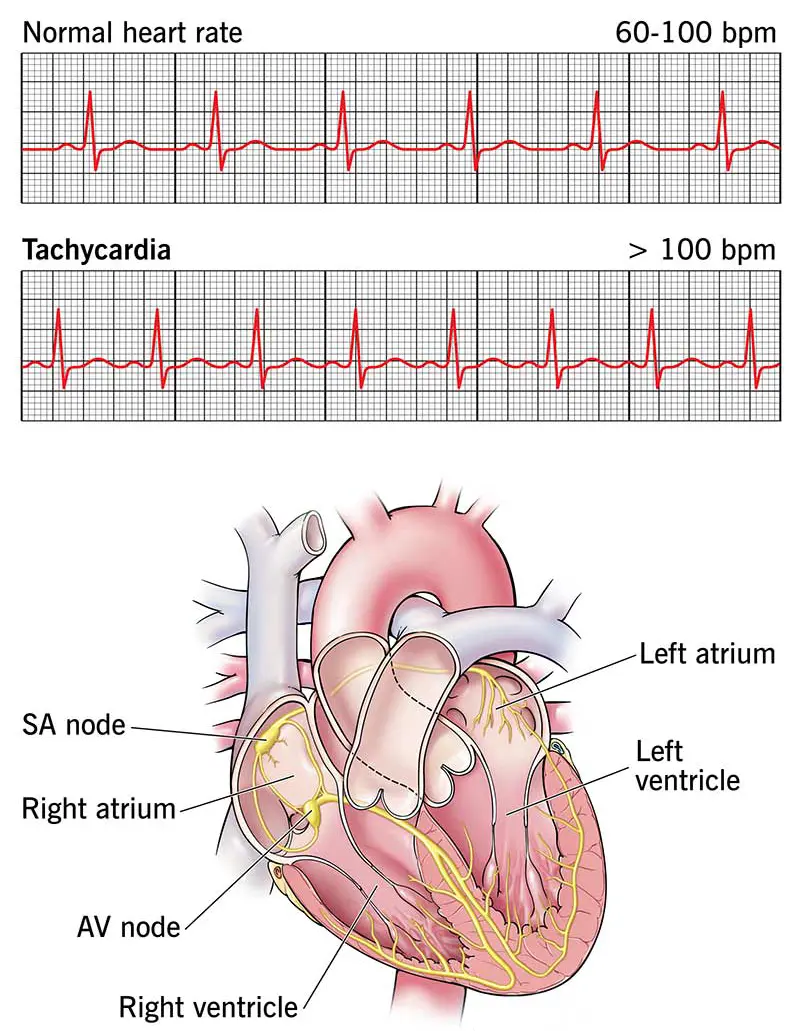
Tachycardia is a condition in which the heart beats faster than normal at rest, typically defined as a heart rate above 100 beats per minute in adults. It can occur as a normal response to exercise, stress, or illness, but in some cases it may indicate an underlying heart rhythm disorder. Tachycardia can originate from different parts of the heart …
Lymphoma
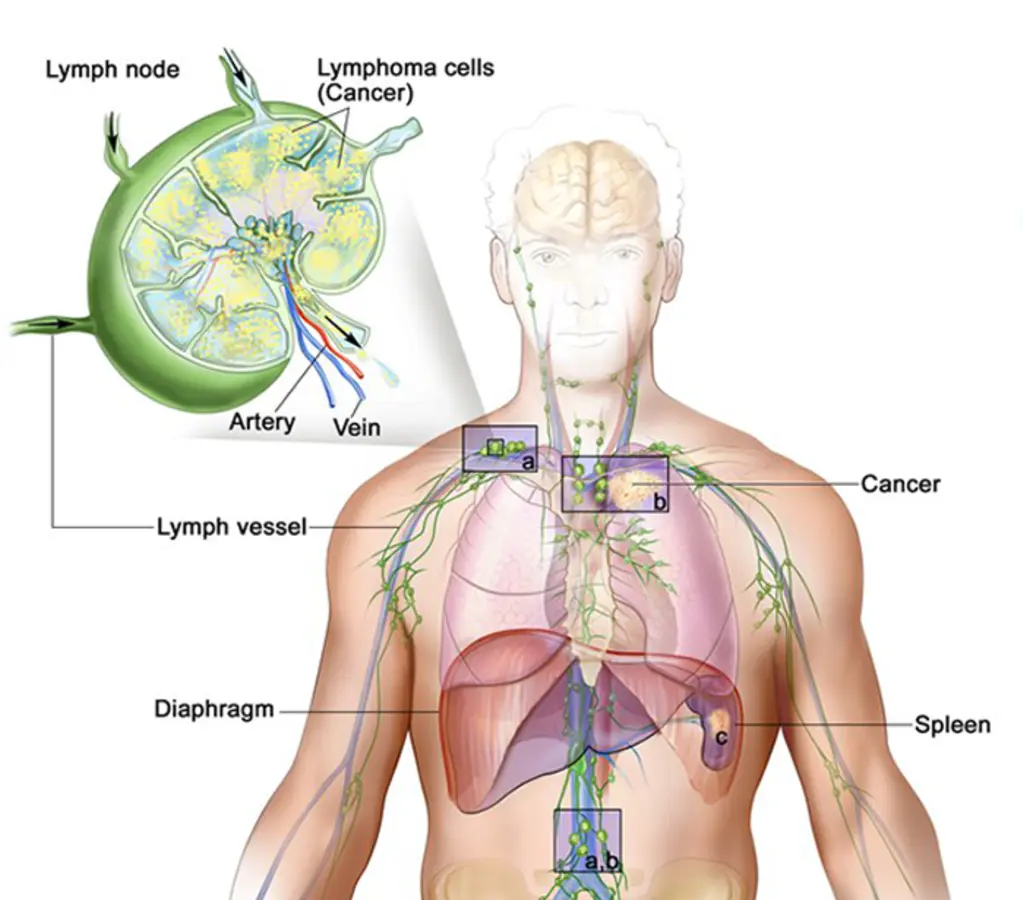
Lymphoma is a type of cancer that begins in the lymphatic system, which is part of the body’s immune system. It develops when lymphocytes, a type of white blood cell, grow and multiply uncontrollably. The lymphatic system includes lymph nodes, spleen, thymus, and bone marrow. There are two main types of lymphoma: Hodgkin lymphoma and non-Hodgkin lymphoma. Early detection and …
Lymphedema
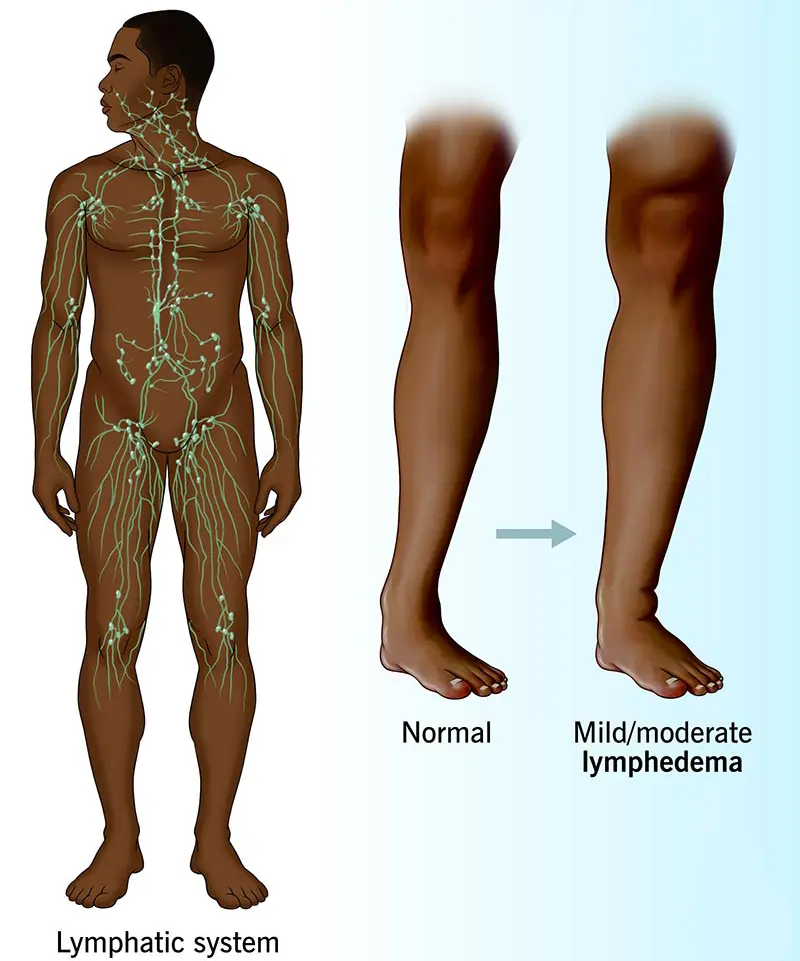
Lymphedema is a chronic condition caused by a buildup of lymph fluid in the body’s tissues, leading to swelling, most commonly in the arms or legs. It occurs when the lymphatic system is damaged or blocked and cannot properly drain lymph fluid. Lymphedema can develop after cancer treatment, surgery, radiation therapy, infection, or due to inherited abnormalities of the lymphatic …
Swollen Lymph Nodes
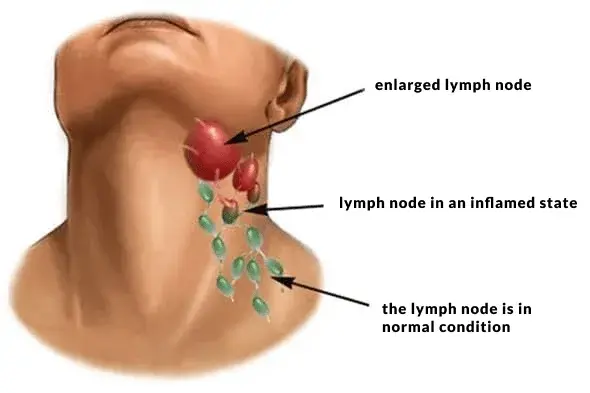
Swollen lymph nodes occur when the lymph nodes become enlarged due to infection, inflammation, or other medical conditions. Lymph nodes are small, bean-shaped structures that are part of the body’s immune system. They help filter harmful substances and fight infections by producing immune cells. Lymph nodes are located throughout the body, but they are commonly felt in areas such as …