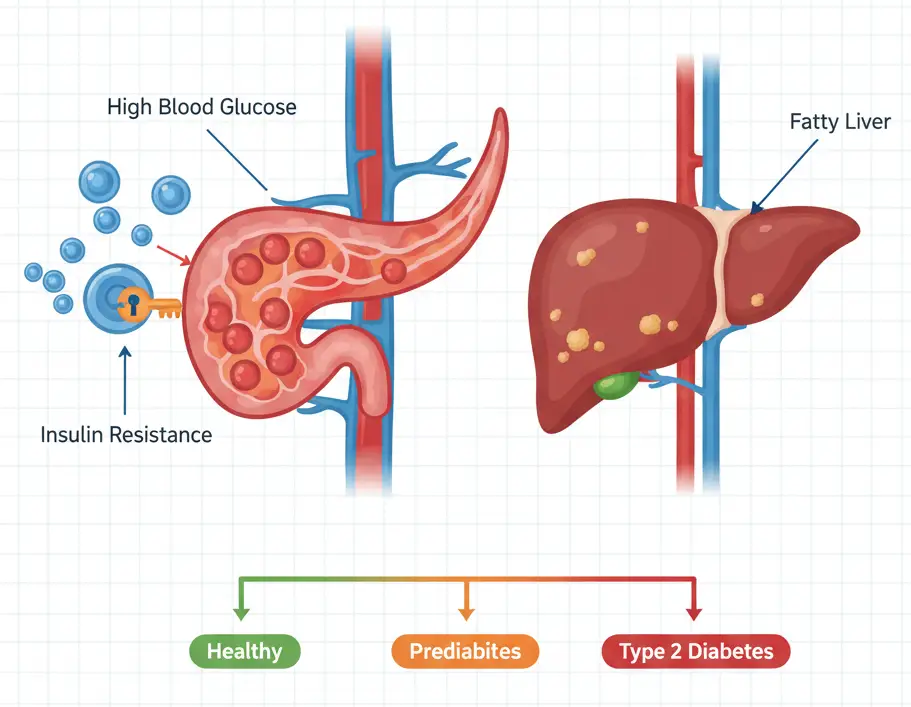
Prediabetes

admin

Prediabetes is a health condition in which blood sugar levels are higher than normal but not high enough to be diagnosed as diabetes. It is considered an early warning sign that the body is beginning to have difficulty managing glucose effectively. Without lifestyle changes or medical management, prediabetes can progress to type 2 diabetes. In prediabetes, the body may become …

Toe Walking in Children

admin

Toe walking is a walking pattern in which a child walks on the balls of the feet without the heels touching the ground. It is common in toddlers who are learning to walk and often resolves on its own as the child grows and develops a normal walking pattern. In some children, toe walking may continue beyond the early walking …

Immune Thrombocytopenia (ITP)

admin

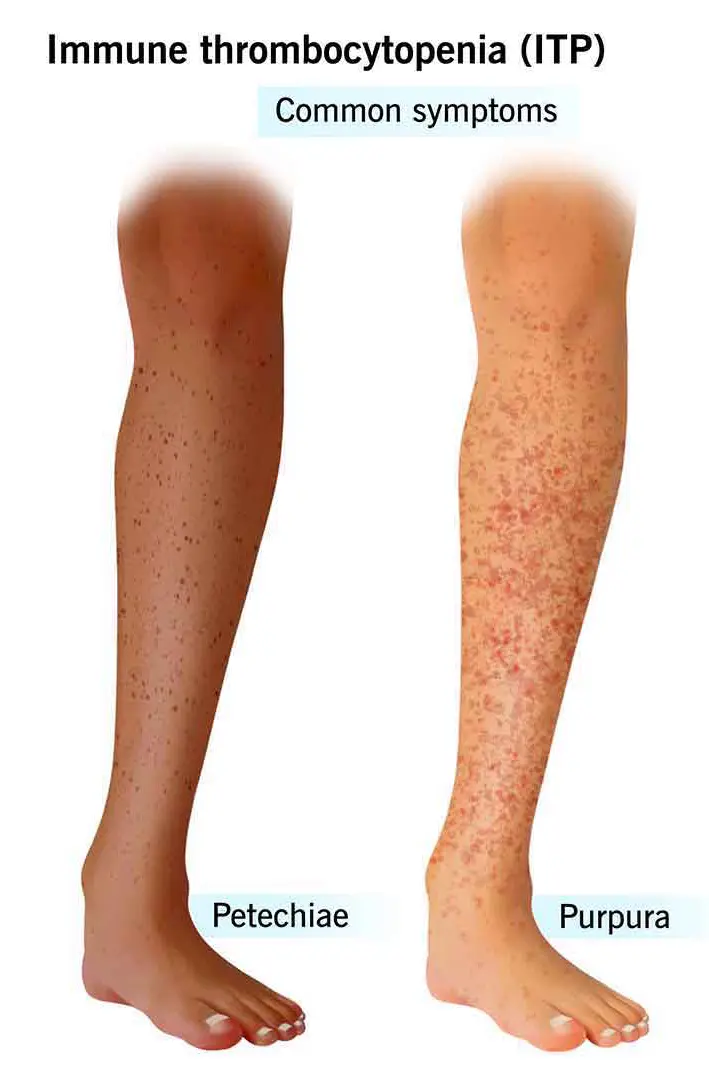
Immune thrombocytopenia (ITP) is a blood disorder in which the immune system mistakenly attacks and destroys platelets, the cells responsible for blood clotting. This leads to a low platelet count (thrombocytopenia) and an increased risk of bleeding and bruising. ITP can occur in both children and adults. In children, it often follows a viral infection and may resolve on its …

Pseudotumor Cerebri (Idiopathic Intracranial Hypertension)

admin

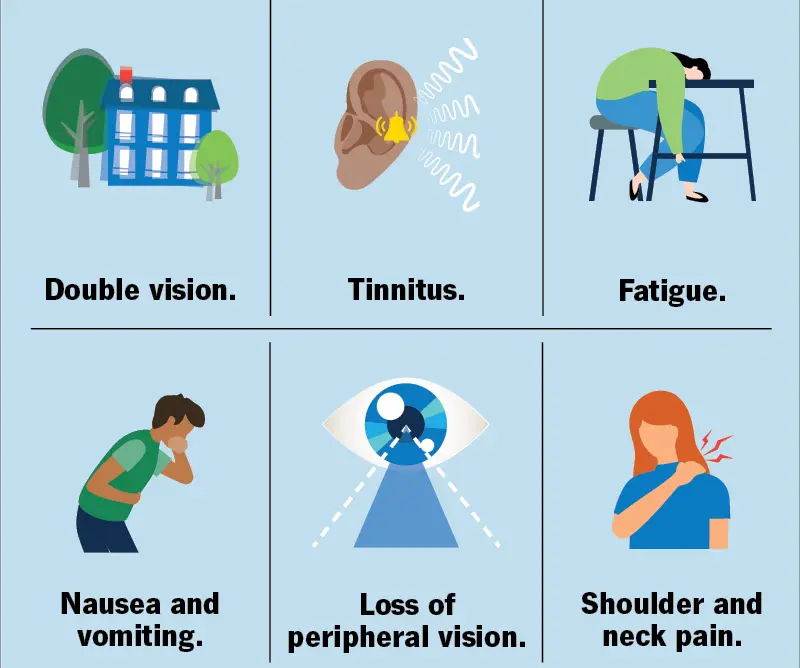
Pseudotumor Cerebri, also known as Idiopathic Intracranial Hypertension, is a condition in which pressure inside the skull increases without the presence of a brain tumor or other obvious cause. The increased pressure around the brain can lead to symptoms similar to those caused by a brain tumor, which is why the condition is called pseudotumor, meaning false tumor. This condition …

Idiopathic Hypersomnia

admin

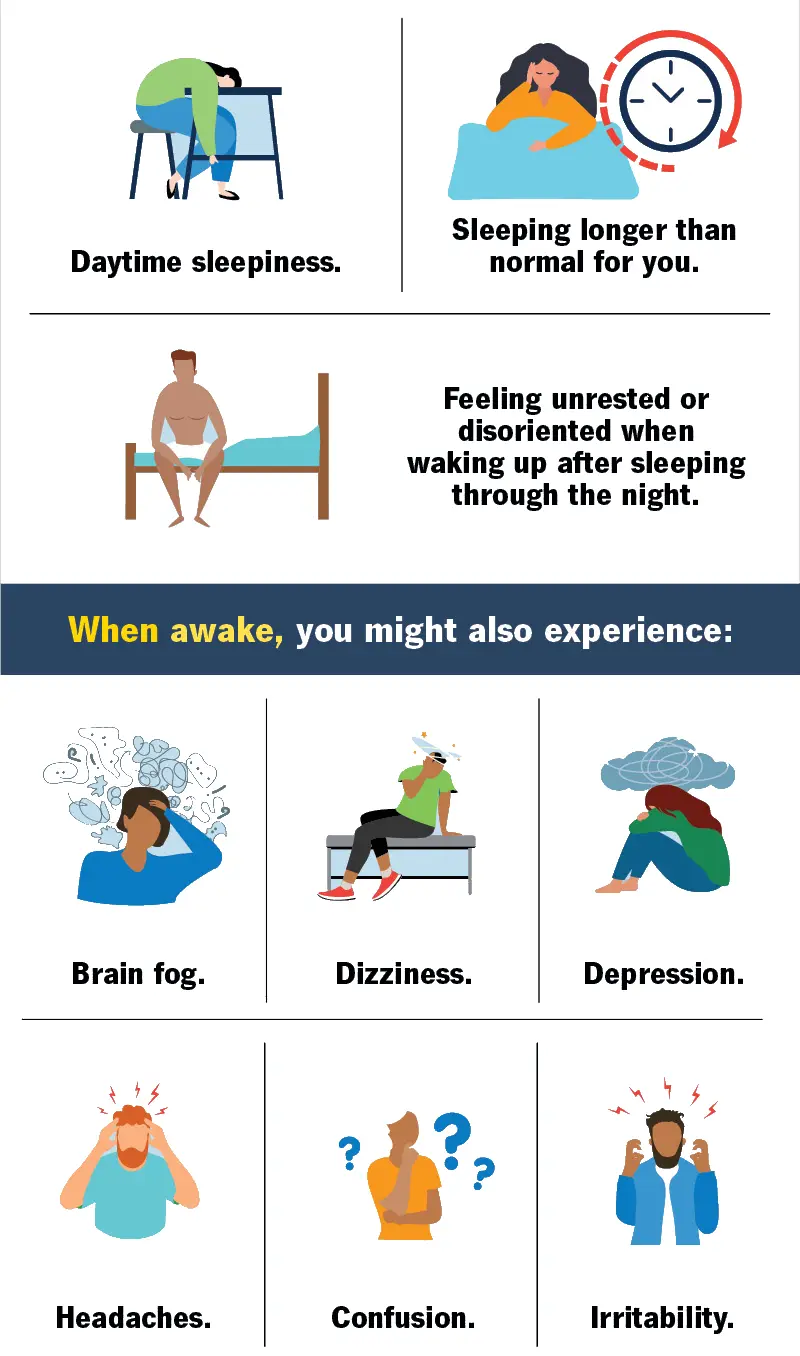
Idiopathic hypersomnia (IH) is a chronic neurological sleep disorder characterized by excessive daytime sleepiness despite getting sufficient or prolonged nighttime sleep. Unlike narcolepsy, individuals with IH do not experience sudden muscle weakness (cataplexy). The exact cause of idiopathic hypersomnia is unknown, but it is believed to involve dysfunction in the brain’s sleep-wake regulation. The condition can significantly impact daily life, …

Irritable Bowel Syndrome

admin

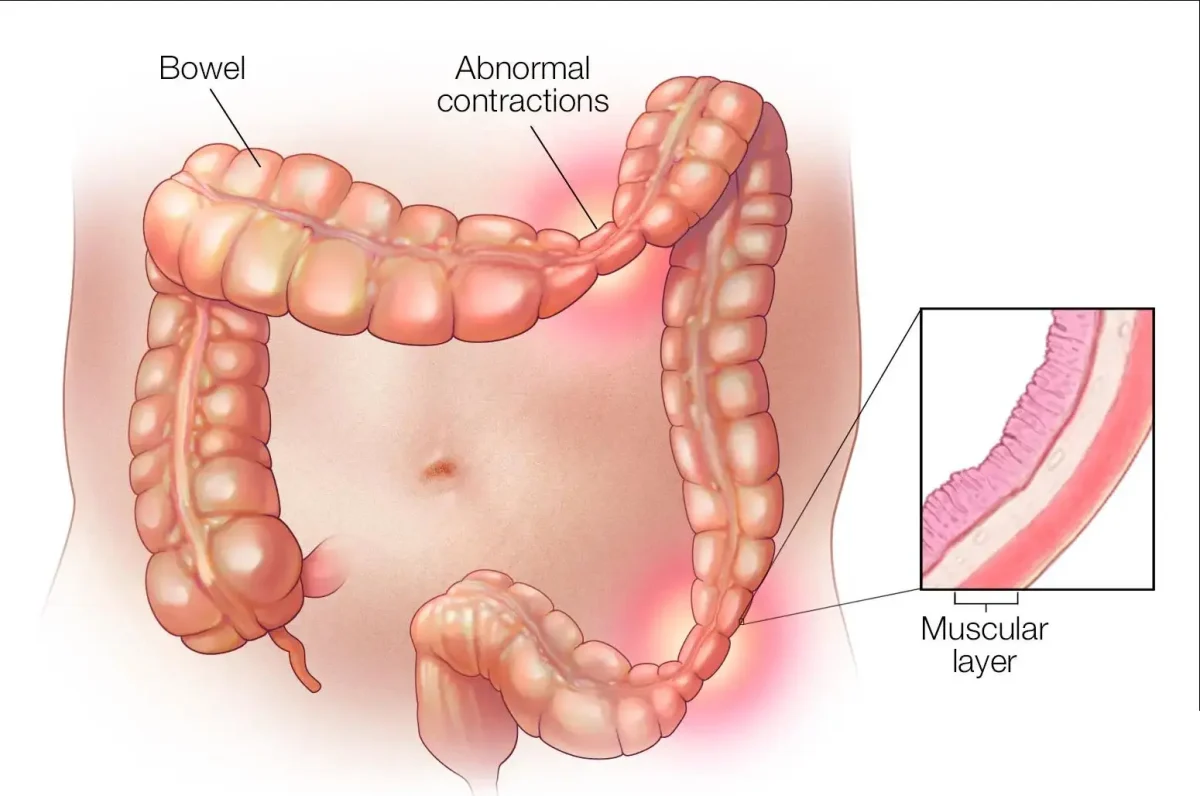
Irritable bowel syndrome is a common chronic disorder that affects the large intestine and disrupts normal bowel function. It is considered a functional gastrointestinal condition, meaning symptoms occur without visible structural damage to the digestive tract. Irritable bowel syndrome is characterized by recurring abdominal discomfort and changes in bowel habits. While it can significantly affect quality of life, it does …

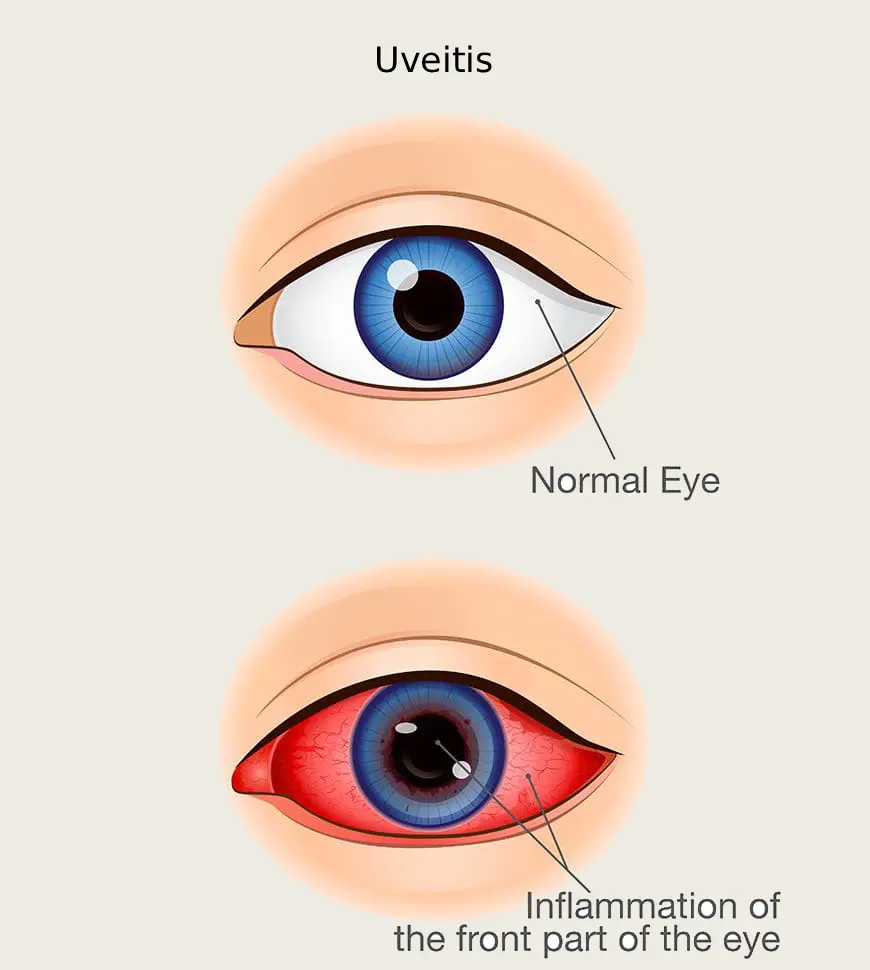
Uveitis

admin

Uveitis is inflammation of the uvea, the middle layer of the eye that includes the iris, ciliary body, and choroid. This condition can affect one or both eyes and may develop suddenly or gradually. Uveitis can occur at any age and ranges from mild to severe. If not treated promptly, it can lead to serious eye complications, including vision loss. …

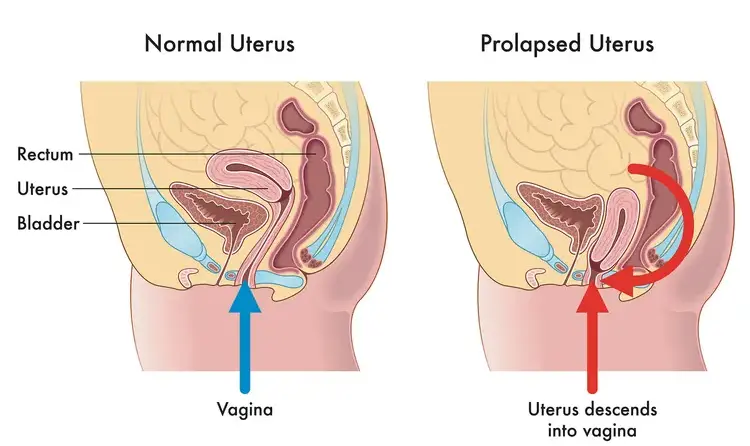
Uterine Prolapse

admin

Uterine prolapse occurs when the uterus descends from its normal position into the vaginal canal due to weakened pelvic floor muscles and supportive tissues. This condition can range from mild, where the uterus has shifted slightly, to severe, where it protrudes outside the vagina. Uterine prolapse most commonly affects women who have given birth vaginally and those who are postmenopausal. …

Urine Color

admin

Urine color refers to the appearance of urine, which can vary from pale yellow to deep amber and may change based on hydration, diet, medications, and health conditions. Normal urine gets its yellow color from a pigment called urochrome, produced as the body breaks down hemoglobin. Changes in urine color are often harmless and temporary, but in some cases, they …

Urinary Tract Infection (UTI)

admin

A urinary tract infection is an infection that affects any part of the urinary system, including the kidneys, ureters, bladder, or urethra. Most infections involve the lower urinary tract, particularly the bladder and urethra. Urinary tract infections are commonly caused by bacteria entering the urinary tract and multiplying. They are more frequent in women, but men, children, and older adults …