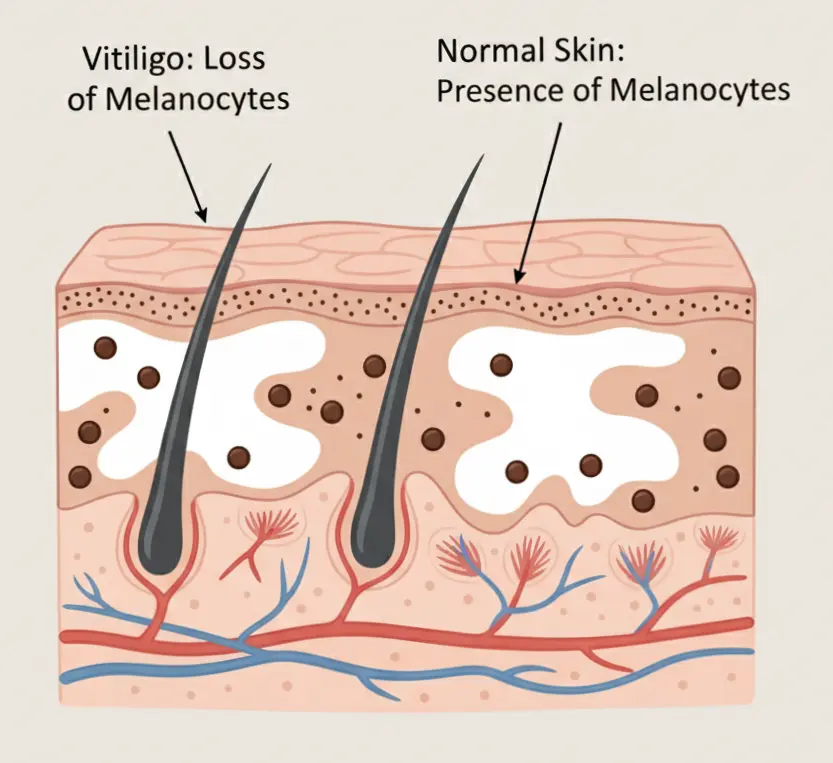
Vitiligo is a long-term skin condition in which patches of skin lose their normal pigmentation, resulting in white or light-colored areas. This occurs when the immune system mistakenly attacks the melanocytes, the cells responsible for producing skin pigment (melanin). Vitiligo can affect any part of the body, including the face, hands, arms, and genitals. The condition is not contagious, but …
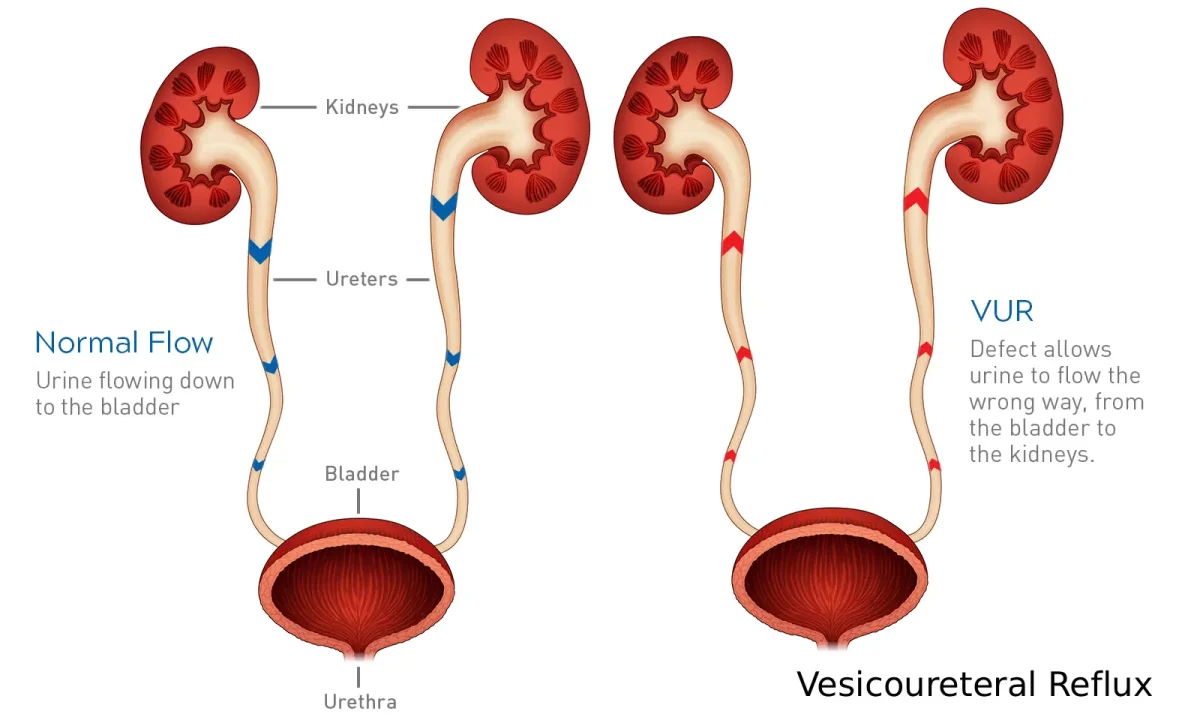
Vesicoureteral Reflux
Vesicoureteral reflux (VUR) is a condition in which urine flows backward from the bladder into the ureters and sometimes up to the kidneys. Normally, urine flows in one direction—from the kidneys to the bladder—but in VUR, the one-way valve between the ureters and bladder is weakened or malformed, allowing backflow. VUR is most commonly diagnosed in children and can increase …
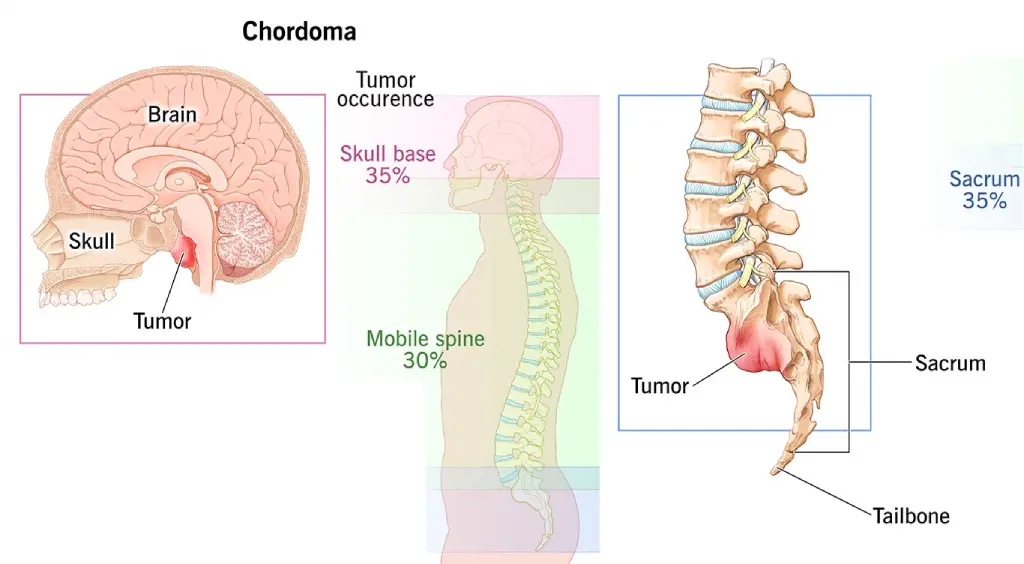
Vertebral Tumor
A vertebral tumor is an abnormal growth that develops in the bones of the spine (vertebrae). These tumors can be benign (non-cancerous) or malignant (cancerous) and may arise from the vertebrae themselves or spread from other parts of the body (metastatic tumors). Vertebral tumors can affect spinal stability, compress nerves, and impact the spinal cord, potentially causing pain, neurological deficits, …
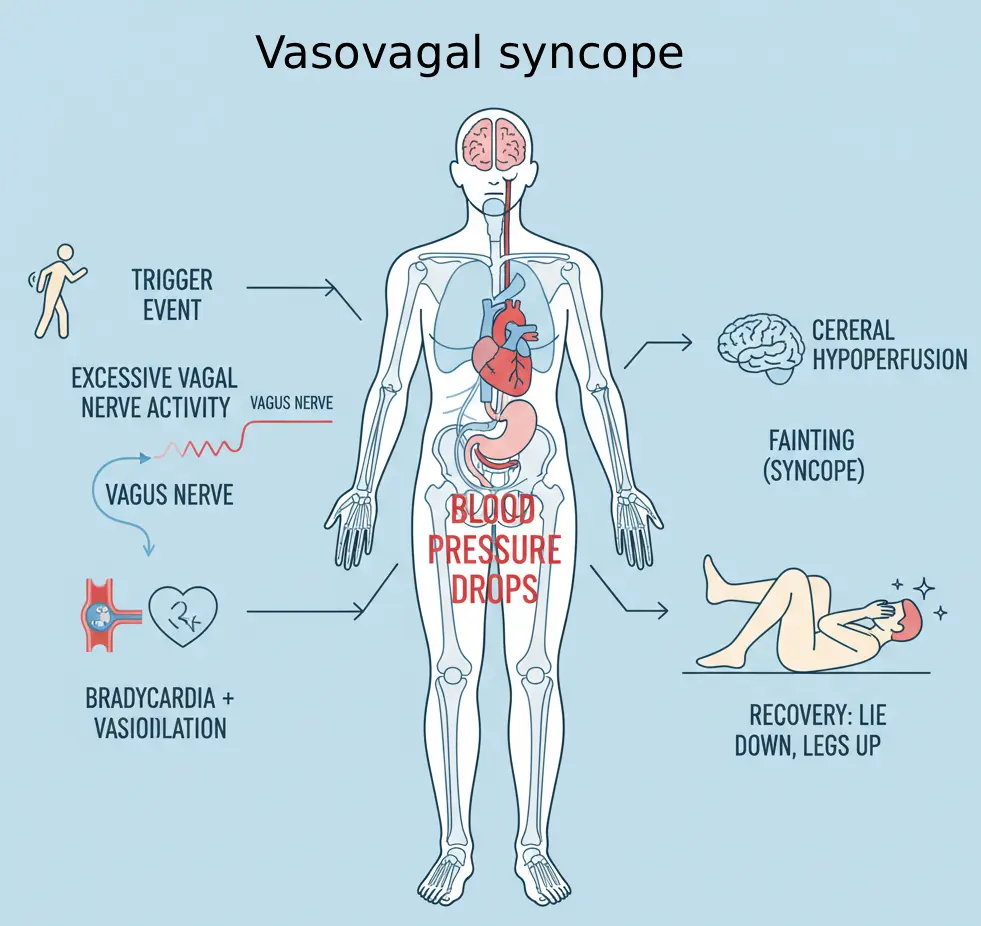
Vasovagal Syncope
Vasovagal syncope is a common and usually harmless cause of fainting that happens when the body has an exaggerated response to certain triggers. This response leads to a sudden drop in heart rate and blood pressure, reducing blood flow to the brain and causing a brief loss of consciousness. Recovery is typically quick and complete. It can affect people of …
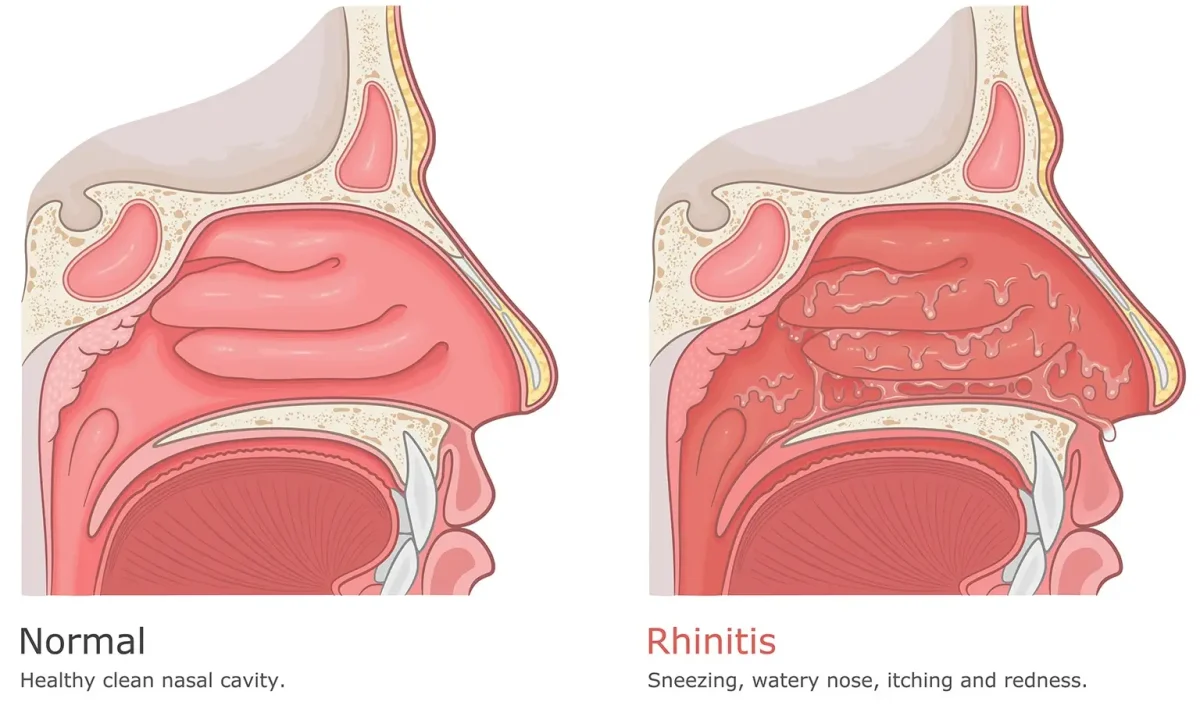
Nonallergic Rhinitis
Nonallergic rhinitis is a condition characterized by chronic nasal symptoms that resemble allergies but are not caused by an allergic reaction. It occurs when the nasal passages become irritated or inflamed in response to nonallergic triggers. The condition can affect people of all ages and often persists throughout the year rather than occurring seasonally. Unlike allergic rhinitis, nonallergic rhinitis does …
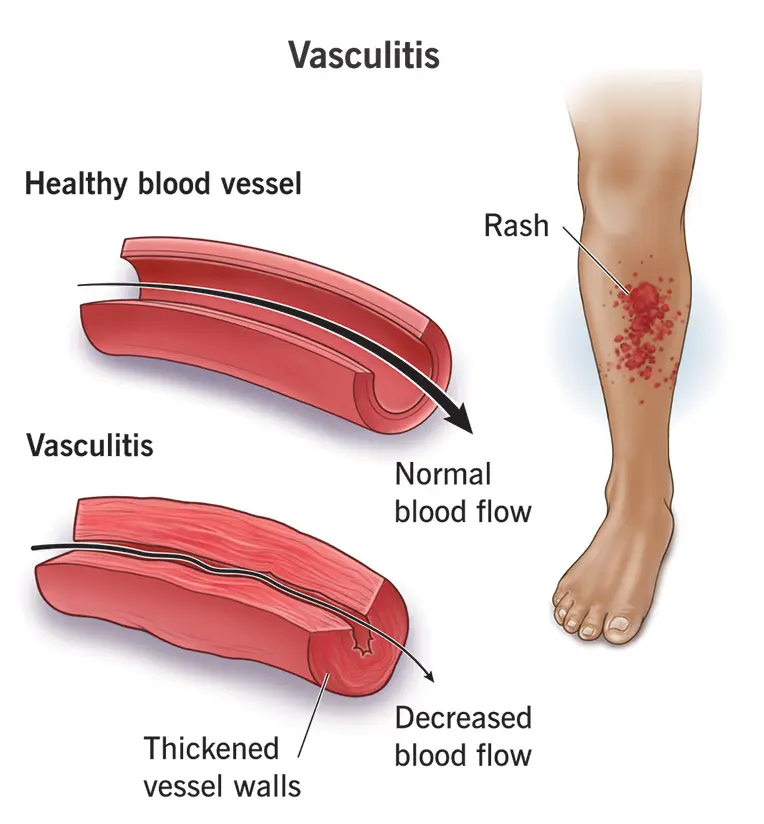
Vasculitis
Vasculitis is a group of disorders characterized by inflammation of blood vessels. The inflammation can cause the walls of blood vessels to thicken, narrow, weaken, or scar, which may restrict blood flow to organs and tissues. This reduced blood supply can lead to organ damage and serious health problems. Vasculitis can affect blood vessels of any size, including arteries, veins, …
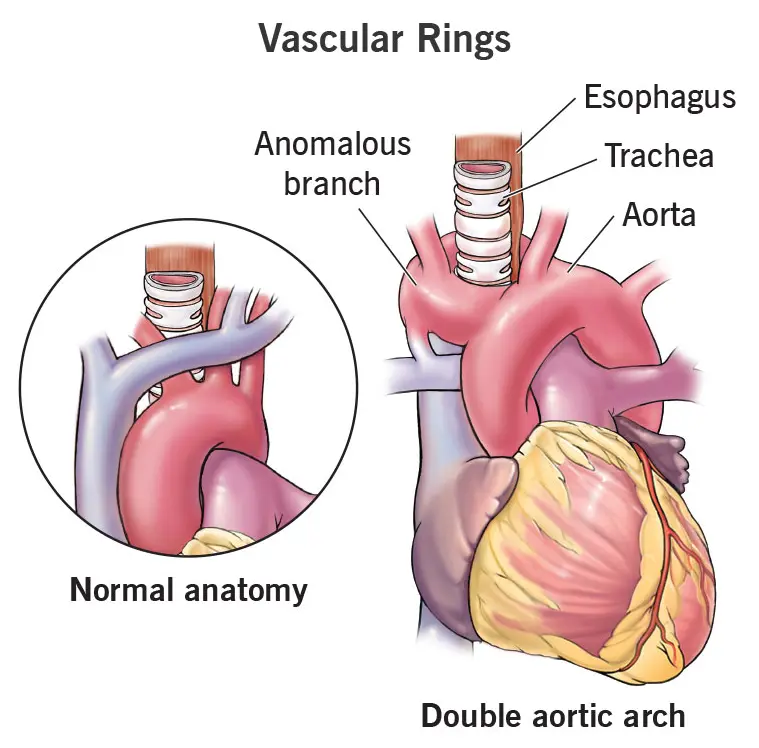
Vascular Rings
Vascular rings are rare congenital abnormalities of the aorta or its branches that form a ring around the trachea, esophagus, or both. This ring can compress the airway or food pipe, leading to breathing and swallowing difficulties. Vascular rings are present at birth, but symptoms may appear in infancy, childhood, or occasionally later in life. The severity of symptoms depends …
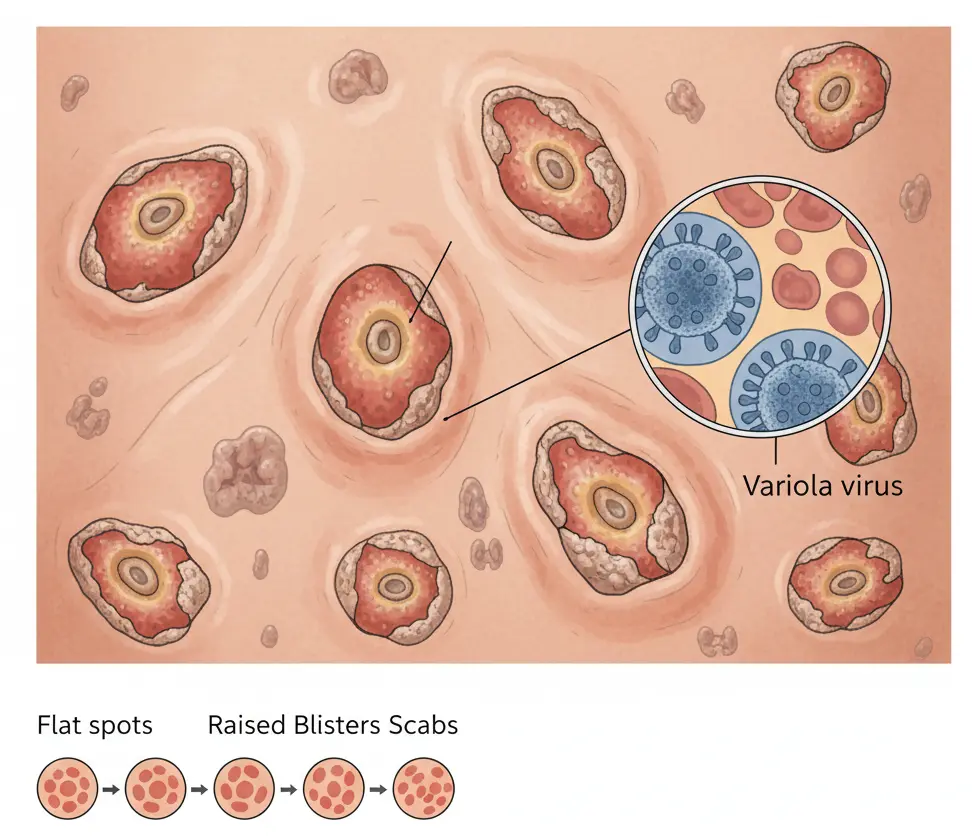
Smallpox
Smallpox was a highly contagious and life-threatening viral disease caused by the variola virus. It was characterized by fever and a distinctive skin rash that progressed to fluid-filled blisters and scabs. Smallpox spread easily from person to person and caused severe illness and death in many cases. Due to a successful global vaccination program, smallpox was officially declared eradicated worldwide …
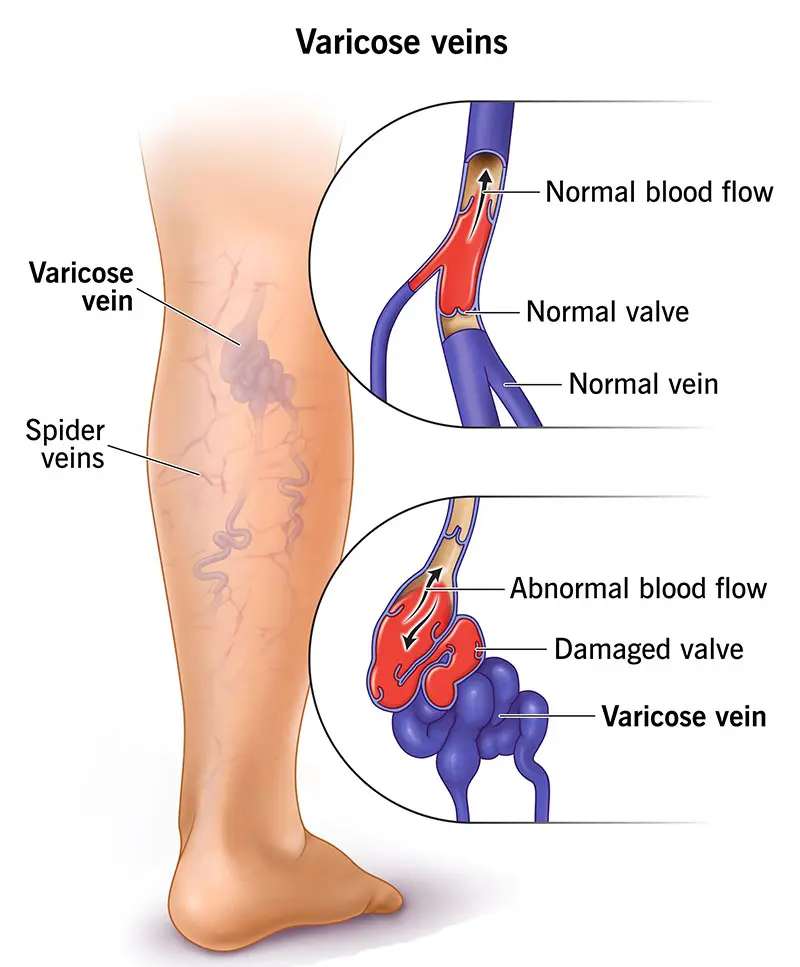
Varicose Veins
Varicose veins are enlarged, twisted veins that commonly appear on the legs and feet. They develop when vein valves weaken or become damaged, causing blood to pool instead of flowing efficiently back to the heart. This leads to increased pressure within the veins, making them visible under the skin. The condition is common and often considered a cosmetic concern, but …
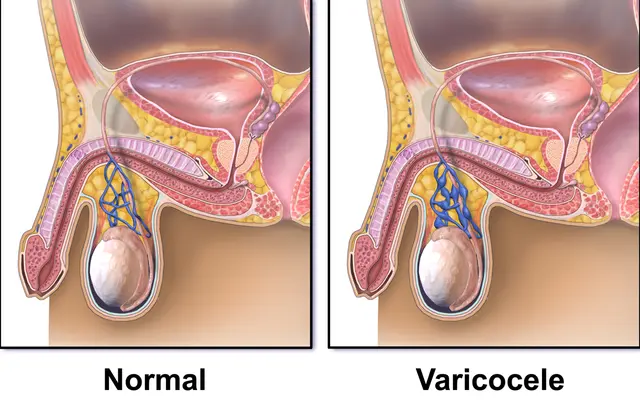
Varicocele
Varicocele is a condition characterized by enlargement of the veins within the scrotum, similar to varicose veins that occur in the legs. These veins are part of the pampiniform plexus, which helps regulate blood flow and temperature around the testicles. Varicoceles usually develop during puberty and are more commonly found on the left side of the scrotum. The condition is …