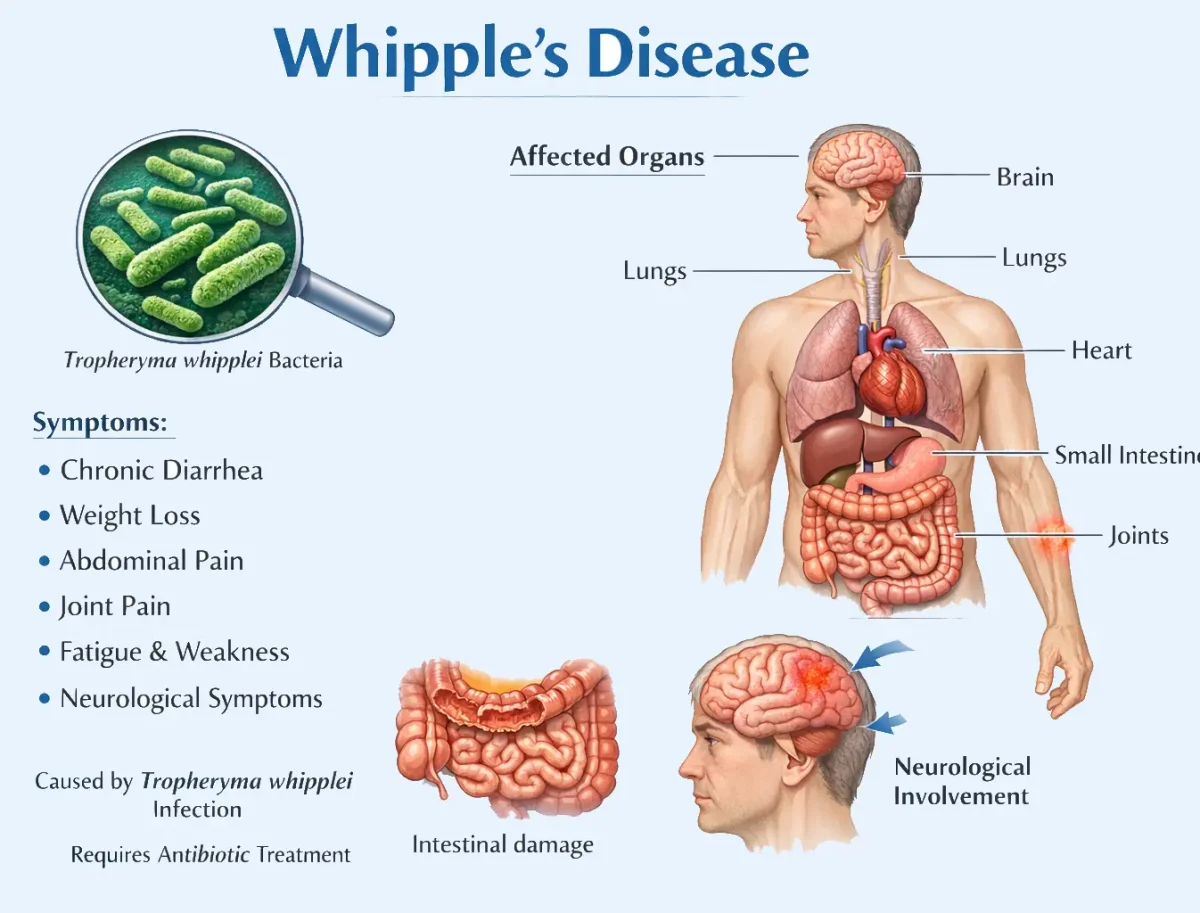
Whipple’s disease is a rare bacterial infection caused by Tropheryma whipplei. It primarily affects the small intestine, leading to malabsorption of nutrients, but can also impact the heart, joints, brain, and other organs. The disease progresses slowly and may remain undiagnosed for years due to its nonspecific symptoms. Early diagnosis and treatment with antibiotics are essential to prevent severe complications …
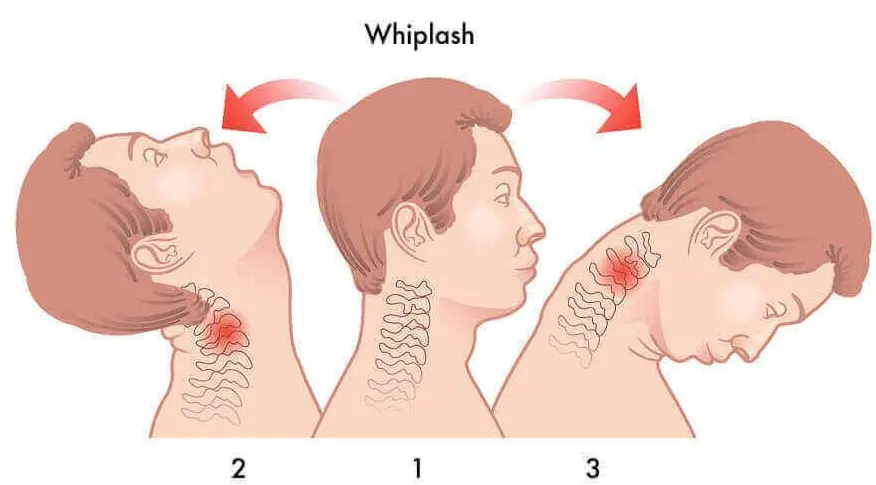
Whiplash
Whiplash is a neck injury that occurs when the head is suddenly jerked backward and then forward, causing strain or sprain of the neck muscles, ligaments, and tendons. It is most commonly associated with rear-end car accidents but can also result from sports injuries, falls, or other sudden impacts. Whiplash can cause mild to severe neck pain and may affect …
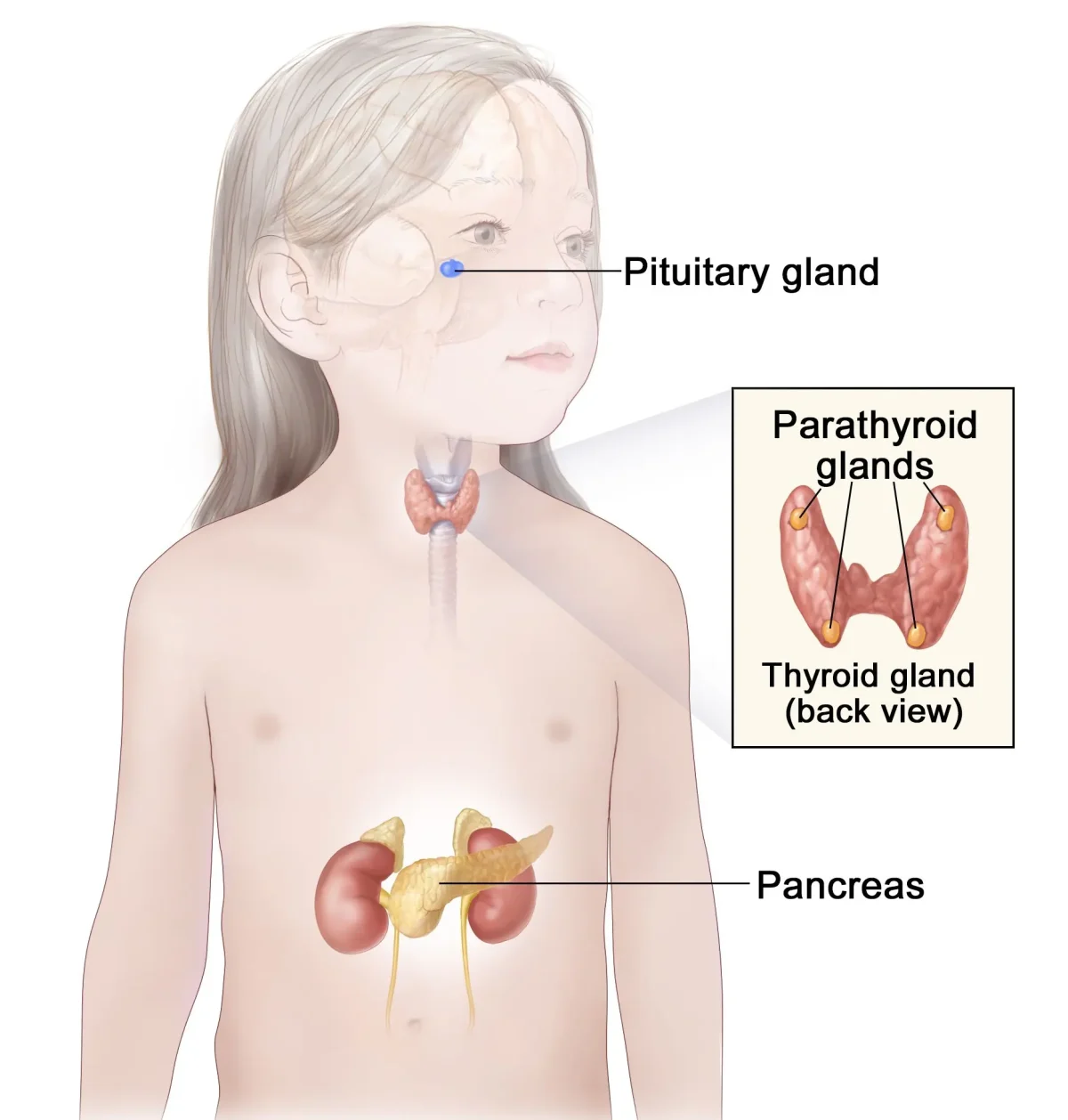
Multiple Endocrine Neoplasia, Type 1 (MEN 1)
Multiple Endocrine Neoplasia, Type 1 is a rare inherited disorder that causes tumors to develop in multiple endocrine glands. These glands produce hormones that regulate many essential body functions. MEN 1 most commonly affects the parathyroid glands, pancreas, and pituitary gland. The condition is genetic and usually appears in early adulthood, though symptoms can develop at any age. Tumors associated …
Swollen Knee
A swollen knee occurs when excess fluid accumulates in or around the knee joint, causing the knee to appear enlarged and sometimes painful. This condition is often referred to as knee effusion or water on the knee. Swelling may develop suddenly after an injury or gradually due to underlying medical conditions. The knee joint contains structures such as bones, cartilage, …
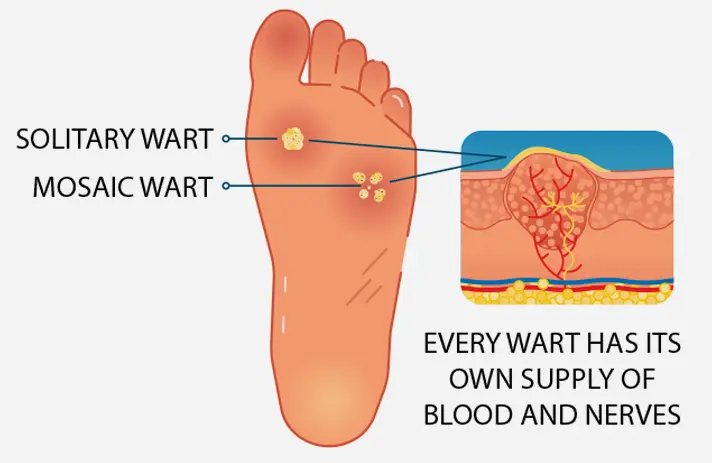
Plantar Warts
Plantar warts are small, rough growths that appear on the soles of the feet, usually on the heels or balls of the feet where pressure is greatest. They are caused by certain strains of the human papillomavirus (HPV), which enters the body through tiny cuts or breaks in the skin. Unlike other types of warts, plantar warts grow inward due …
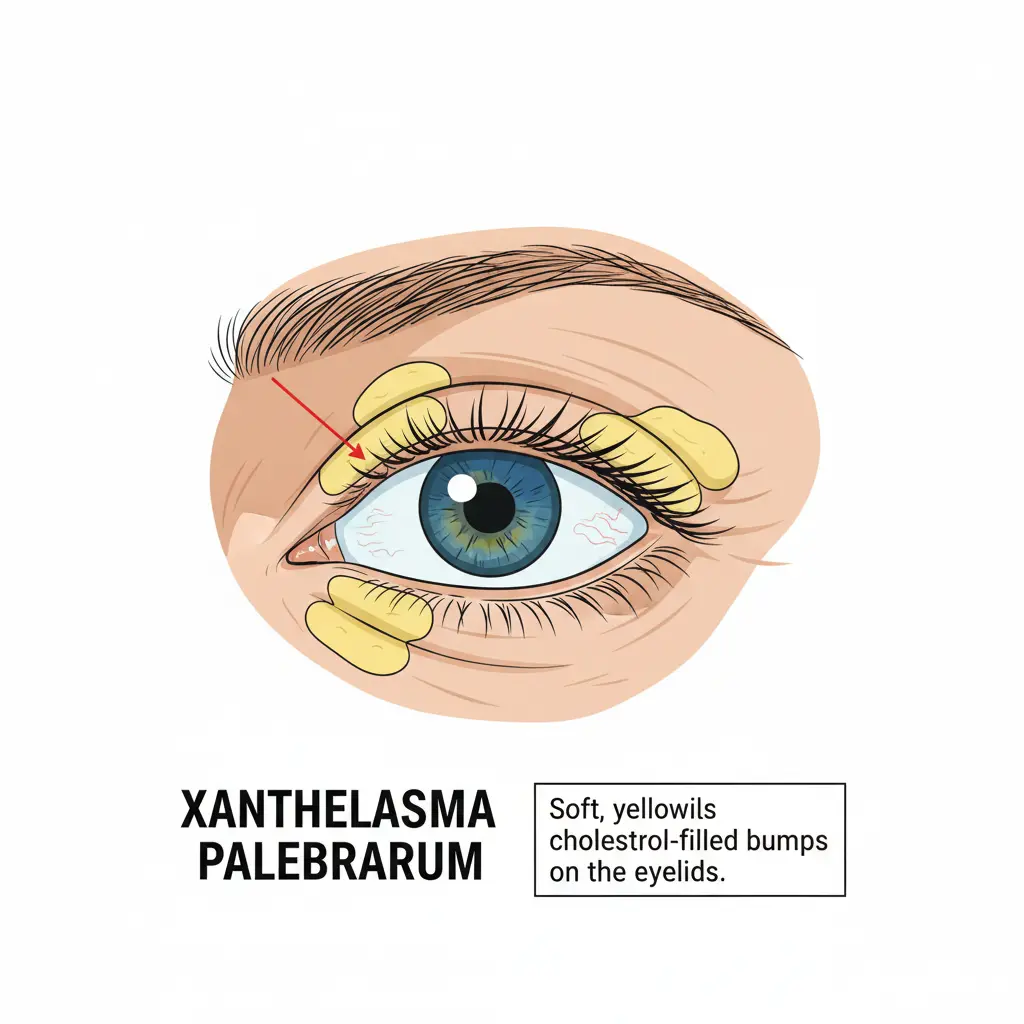
Xanthelasma
Xanthelasma is a common, noncancerous skin condition marked by yellowish, soft plaques that develop on or around the eyelids. These deposits are made up of cholesterol and other fats that accumulate under the skin. While xanthelasma itself is harmless and usually painless, it can be a visible sign of underlying lipid abnormalities or cardiovascular risk. The condition can affect people …
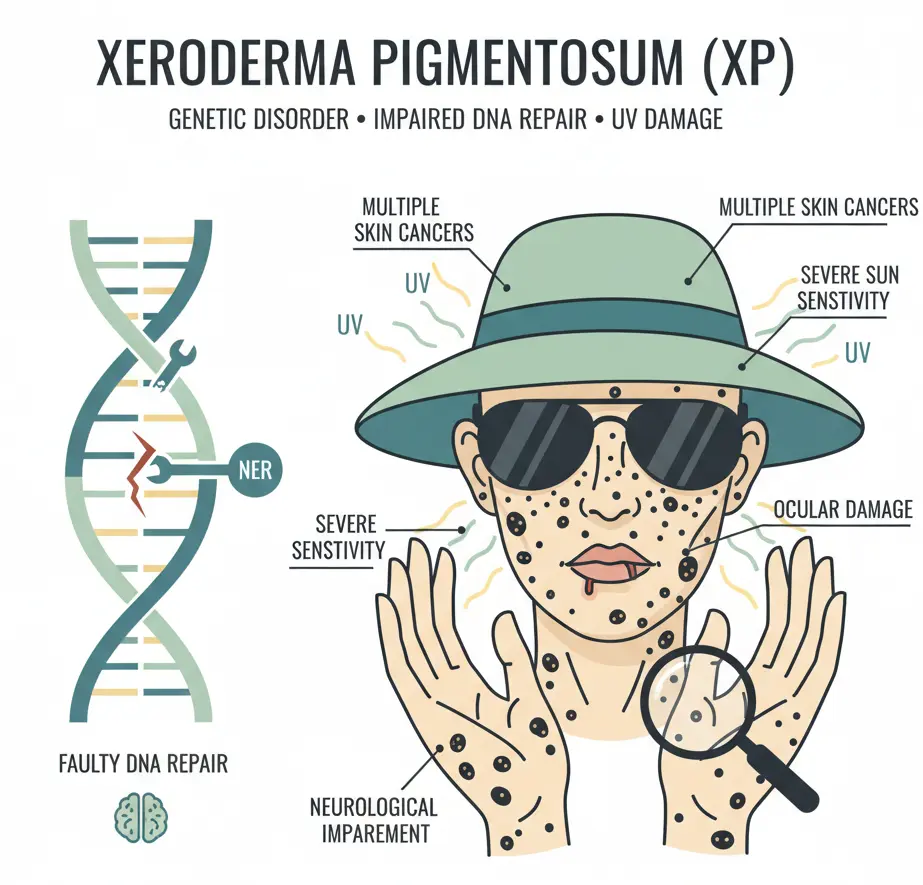
Xeroderma Pigmentosum (XP)
Xeroderma Pigmentosum, often abbreviated as XP, is a rare inherited genetic disorder that affects the body’s ability to repair DNA damage caused by ultraviolet radiation. As a result, people with this condition are extremely sensitive to sunlight and other sources of ultraviolet light. Even limited sun exposure can cause severe skin damage. XP usually becomes apparent in early childhood. Without …
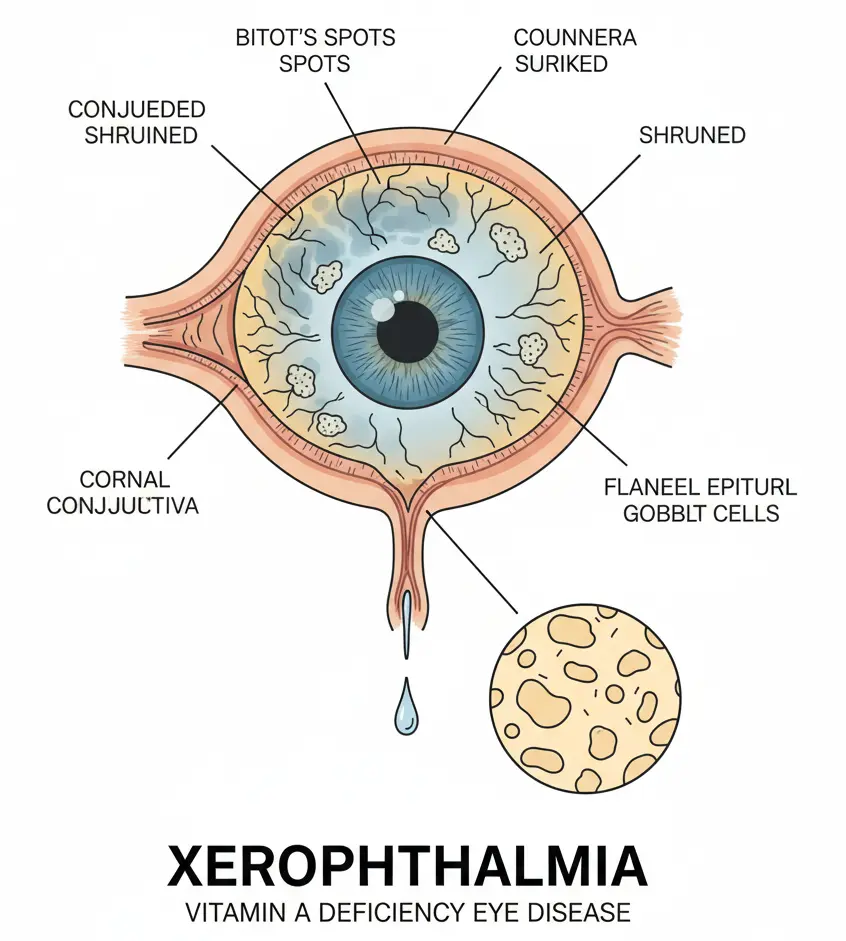
Xerophthalmia
Xerophthalmia is an eye condition caused by a deficiency of vitamin A, leading to dryness of the conjunctiva and cornea. Vitamin A is essential for maintaining healthy vision and the normal function of the eye’s surface tissues. When levels are insufficient, the eyes cannot produce enough moisture, resulting in progressive damage. Xerophthalmia is more common in developing regions and primarily …
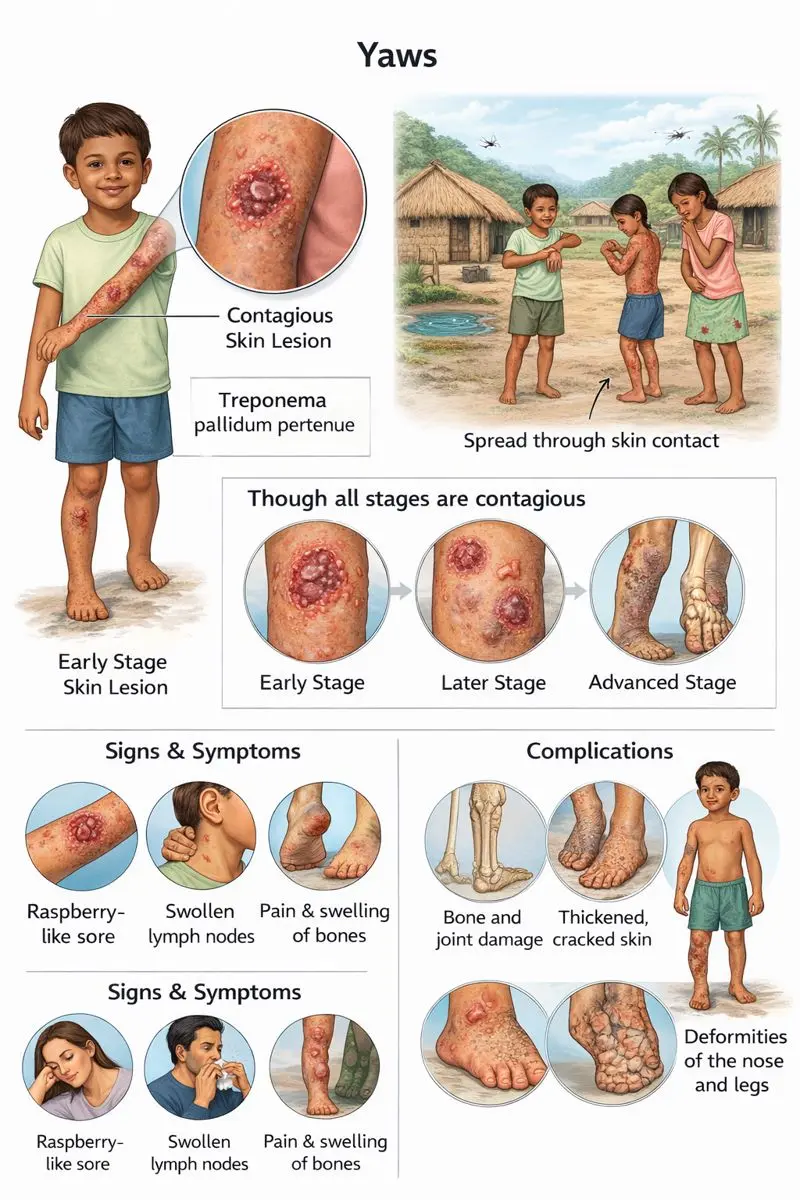
Yaws
Yaws is a chronic bacterial infection that mainly affects the skin, bones and joints. It is caused by the bacterium Treponema pallidum pertenue, which is closely related to the bacterium that causes syphilis. Yaws is not a sexually transmitted infection. The disease is most common in warm, humid, tropical regions, particularly in parts of Africa, Southeast Asia, the Pacific Islands …
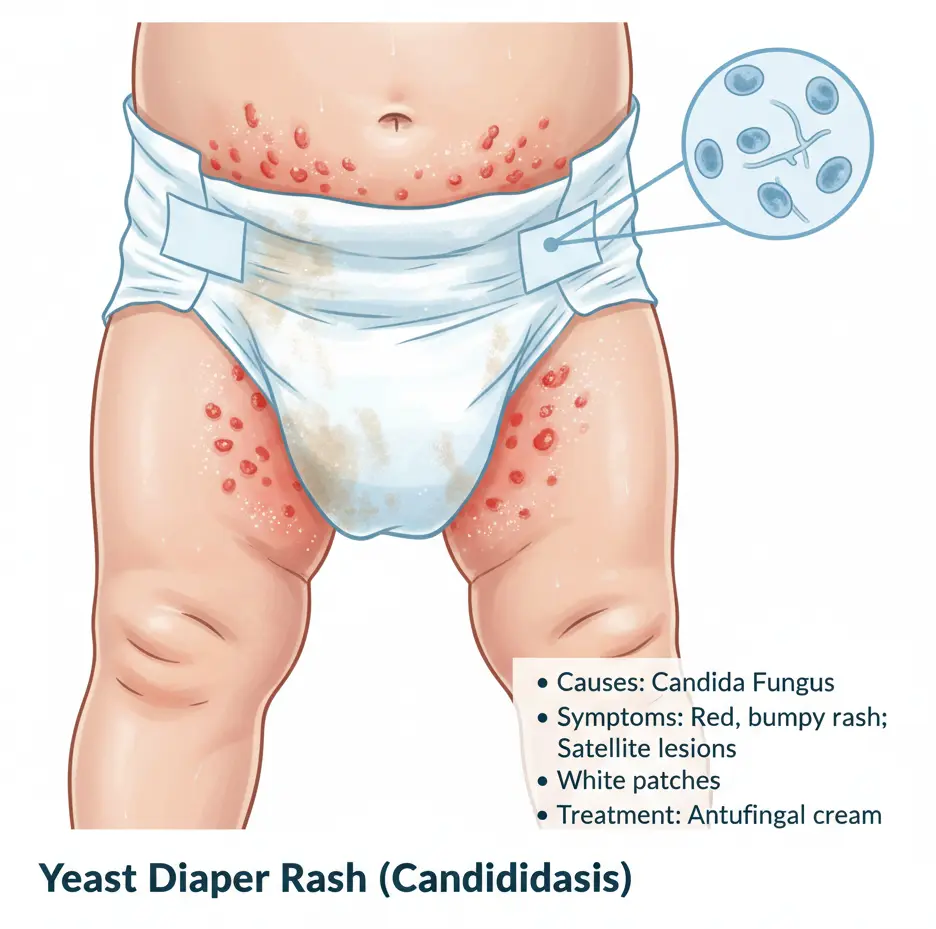
Yeast Diaper Rash
Yeast diaper rash is a common skin condition that affects infants and young children who wear diapers. It occurs when a type of fungus called Candida, which normally lives on the skin in small amounts, grows excessively in the warm, moist diaper area. This overgrowth leads to inflammation and irritation of the skin. Yeast diaper rash often develops after a …