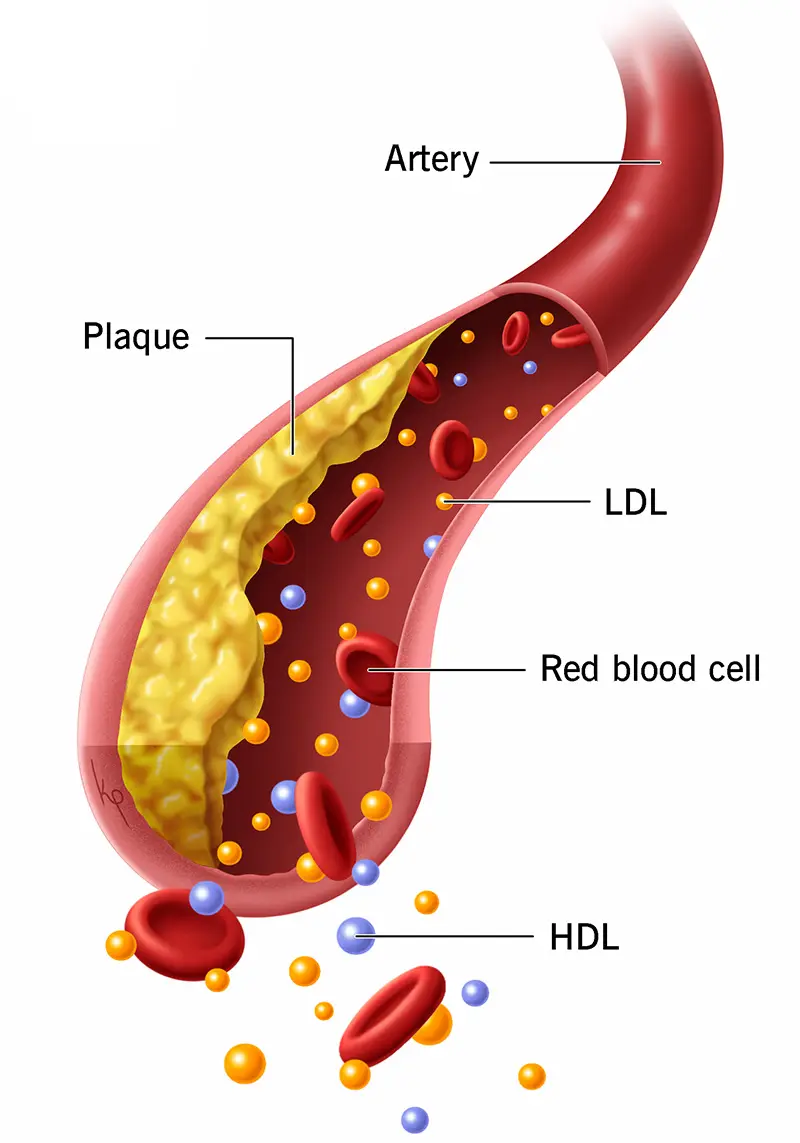
High Cholesterol is a condition in which there are elevated levels of cholesterol in the blood. Cholesterol is a waxy, fat-like substance that is essential for building healthy cells, producing hormones, and supporting digestion. However, when cholesterol levels become too high, it can increase the risk of heart disease and stroke. Cholesterol travels through the bloodstream in two main forms: …
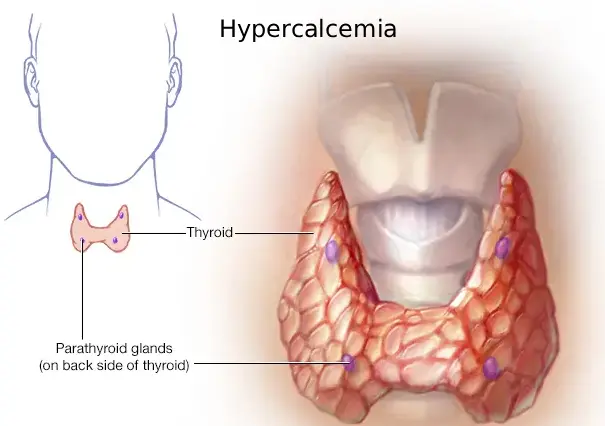
Hypercalcemia
Hypercalcemia is a condition in which the level of calcium in the blood is higher than normal. Calcium is essential for strong bones, muscle movement, nerve signaling, and proper heart function. When calcium levels become too high, it can interfere with these normal body processes. Hypercalcemia can range from mild to severe. Mild cases may not cause noticeable symptoms, while …
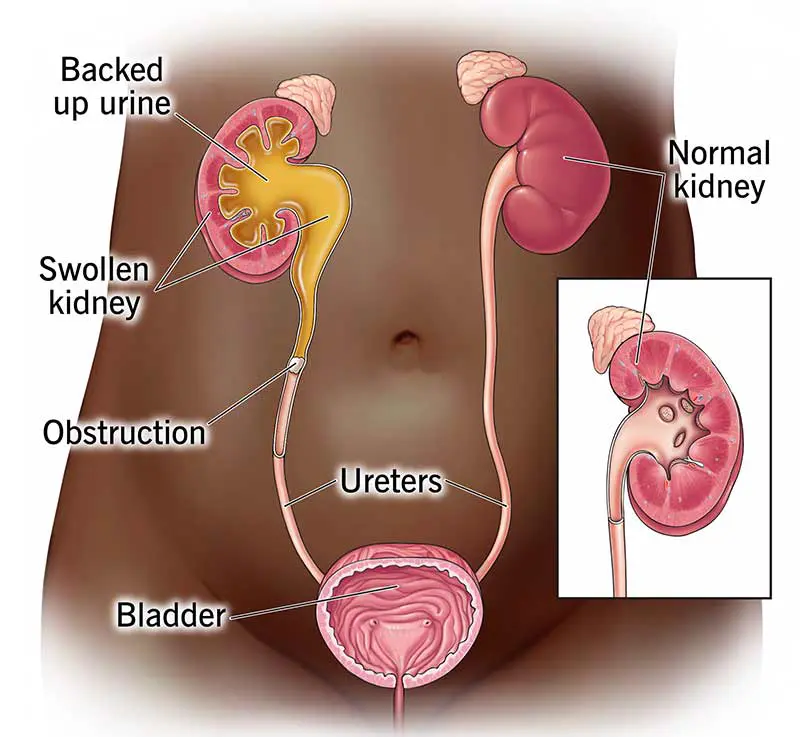
Hydronephrosis
Hydronephrosis is a condition in which one or both kidneys become swollen due to a buildup of urine. This happens when urine cannot drain properly from the kidney to the bladder, causing pressure to increase inside the kidney. Over time, this pressure can damage kidney tissues and reduce kidney function. Hydronephrosis can affect people of all ages, including infants, children, …
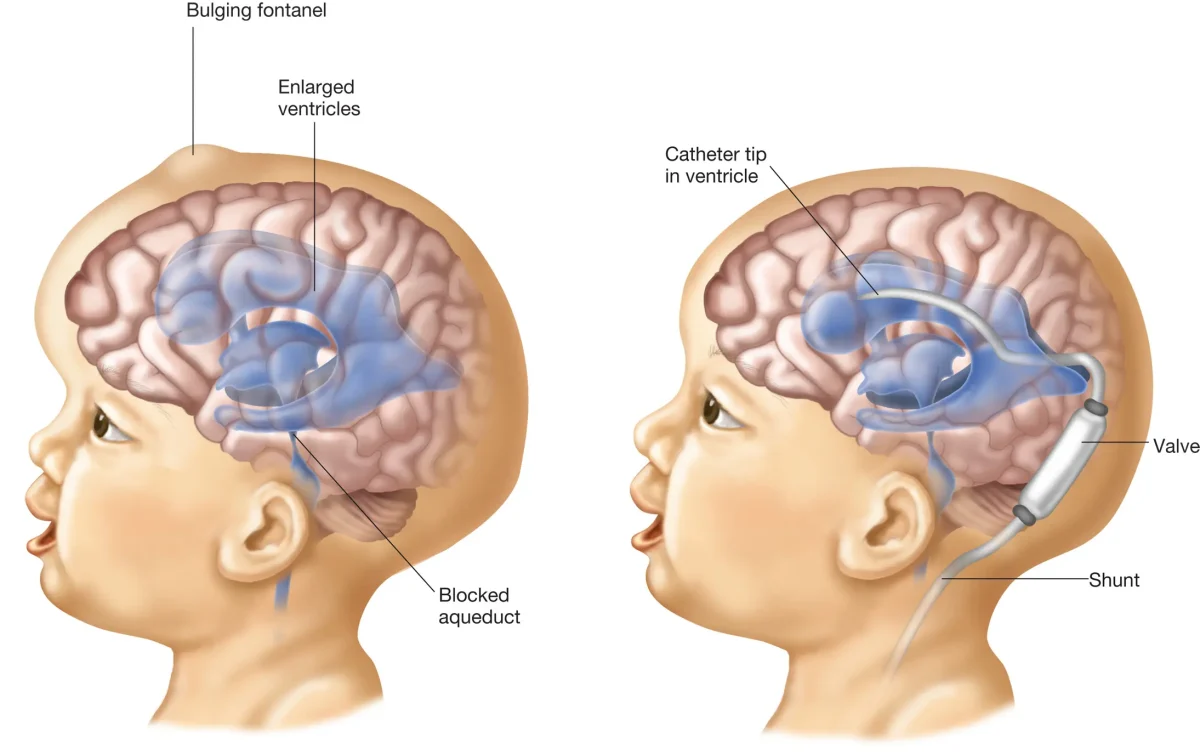
Hydrocephalus
Hydrocephalus is a condition in which excess cerebrospinal fluid builds up within the cavities, called ventricles, of the brain. This buildup increases pressure inside the skull and can damage brain tissues. Cerebrospinal fluid normally flows through the brain and spinal cord, cushioning and protecting them, but problems with its flow, absorption, or production can lead to hydrocephalus. Hydrocephalus can occur …
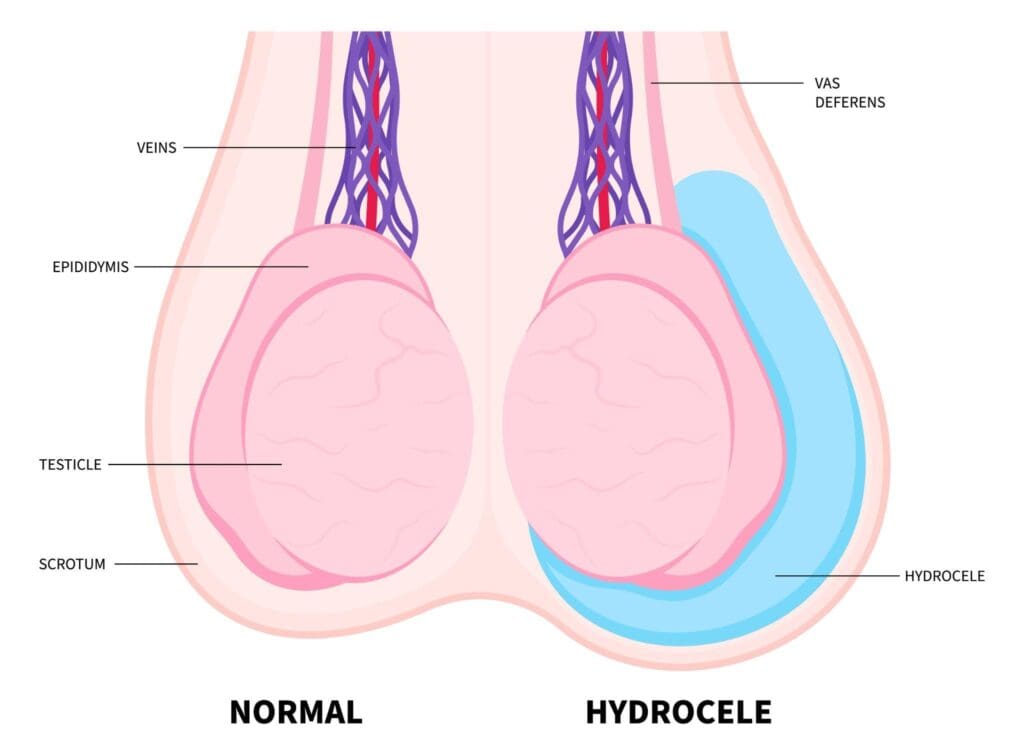
Hydrocele
A hydrocele (HI-dra-seel) is a fluid-filled sac in your scrotum that causes swelling. Your scrotum is the pouch of skin behind your penis that holds your testes (testicles). A hydrocele may affect one side of your scrotum or both sides. Another name for hydroceles around both of your testicles is a bilateral hydrocele. Hydroceles can affect anyone assigned male at birth …
Progeria
Progeria is an extremely rare genetic disease that causes rapid aging in children. Newborns with the disorder appear to be healthy at birth but usually start to show signs of premature aging during their first one to two years of life. Their growth rate slows and they don’t gain weight as expected. Children with the condition have typical intelligence. However, their rapid …
Kyphosis
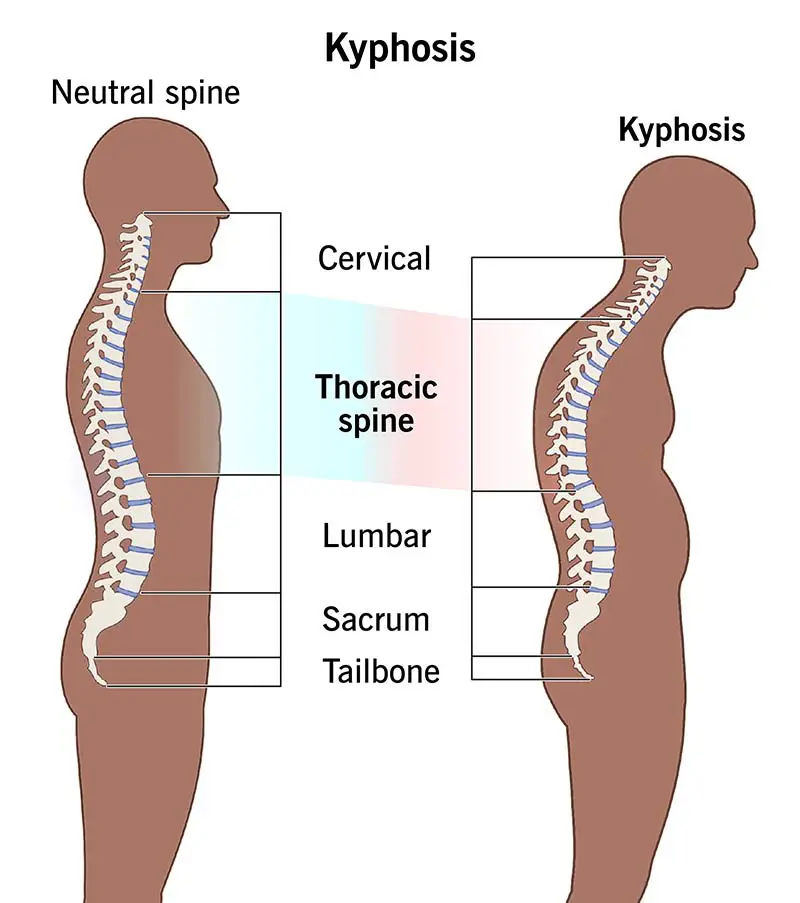
Kyphosis is a condition characterized by an excessive forward rounding of the upper back, resulting in a hunched or slouched posture. While a mild curve of the spine is normal, kyphosis is diagnosed when the curvature becomes more pronounced and may cause discomfort or functional problems. The condition can affect people of all ages, depending on the underlying cause. Symptoms …
HPV Infection
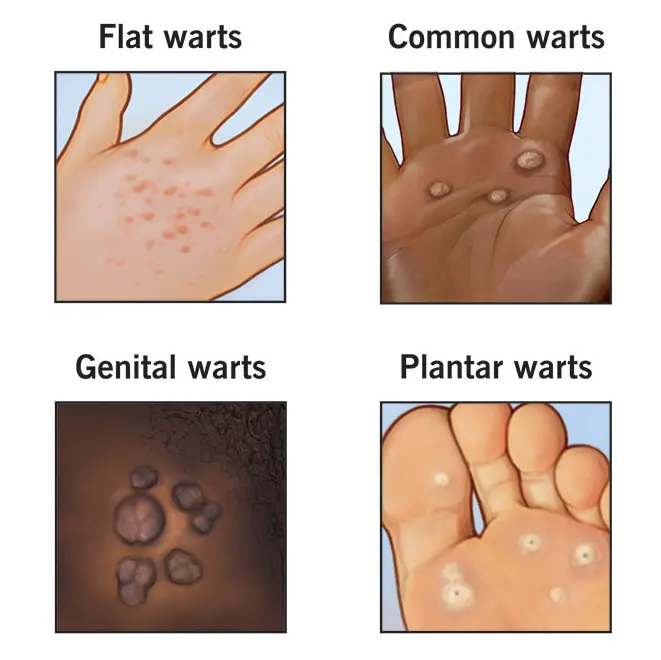
HPV Infection is caused by the Human Papillomavirus (HPV), a very common virus that spreads primarily through skin-to-skin contact, including sexual contact. There are more than 100 types of HPV, and many of them cause no symptoms and resolve on their own. Some types of HPV can cause genital warts, while others are considered high-risk because they can lead to …
Horner Syndrome
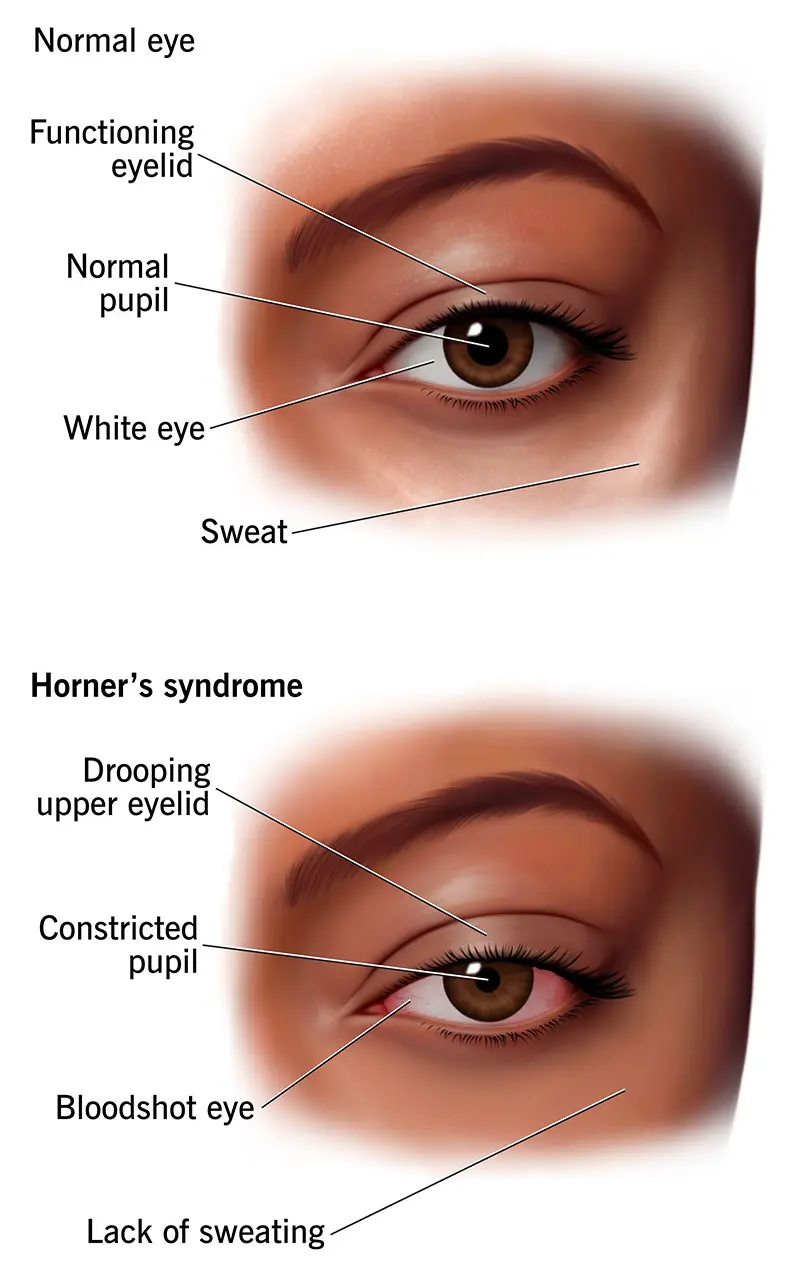
Horner Syndrome is a neurological condition that occurs when there is disruption of the sympathetic nerves that supply the eye and surrounding facial structures. These nerves control functions such as pupil size, eyelid position, and sweating on one side of the face. Horner syndrome is not a disease itself but a sign of an underlying problem affecting the nerve pathway …
Stye (Sty)
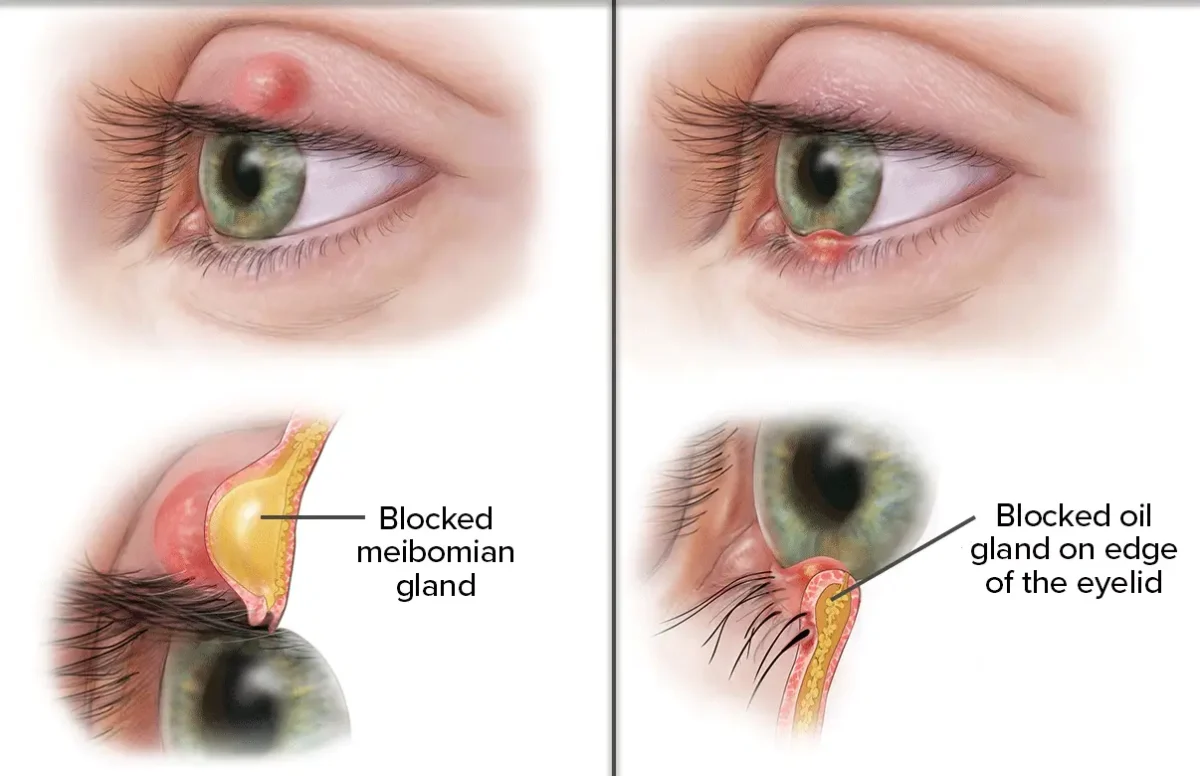
A stye, also spelled sty, is a small, painful lump that forms on the edge of the eyelid, usually caused by a bacterial infection of the oil glands or hair follicles of the eyelashes. Styes are common and typically harmless, but they can cause discomfort and affect vision if they grow large. Most styes heal on their own within a …