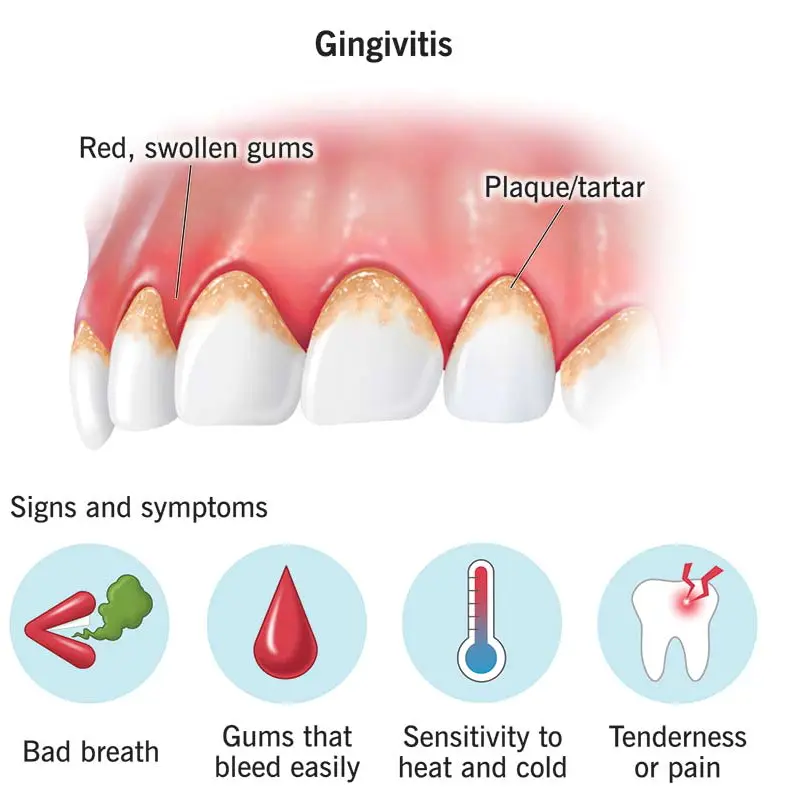
Gingivitis is a common and mild form of gum disease that causes inflammation of the gums surrounding the teeth. It occurs when plaque, a sticky film of bacteria, builds up on the teeth and along the gumline. Gingivitis is usually reversible with proper oral hygiene and early treatment. If left untreated, it can progress to more serious forms of gum …
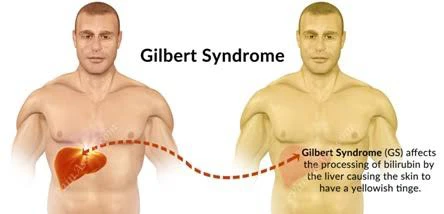
Gilbert Syndrome
Gilbert syndrome is a common, harmless genetic condition that affects the way the liver processes bilirubin, a yellow substance produced during the breakdown of red blood cells. In people with Gilbert syndrome, bilirubin levels may rise slightly from time to time, leading to mild jaundice. The condition does not cause liver damage and usually does not require treatment. Symptoms Many …
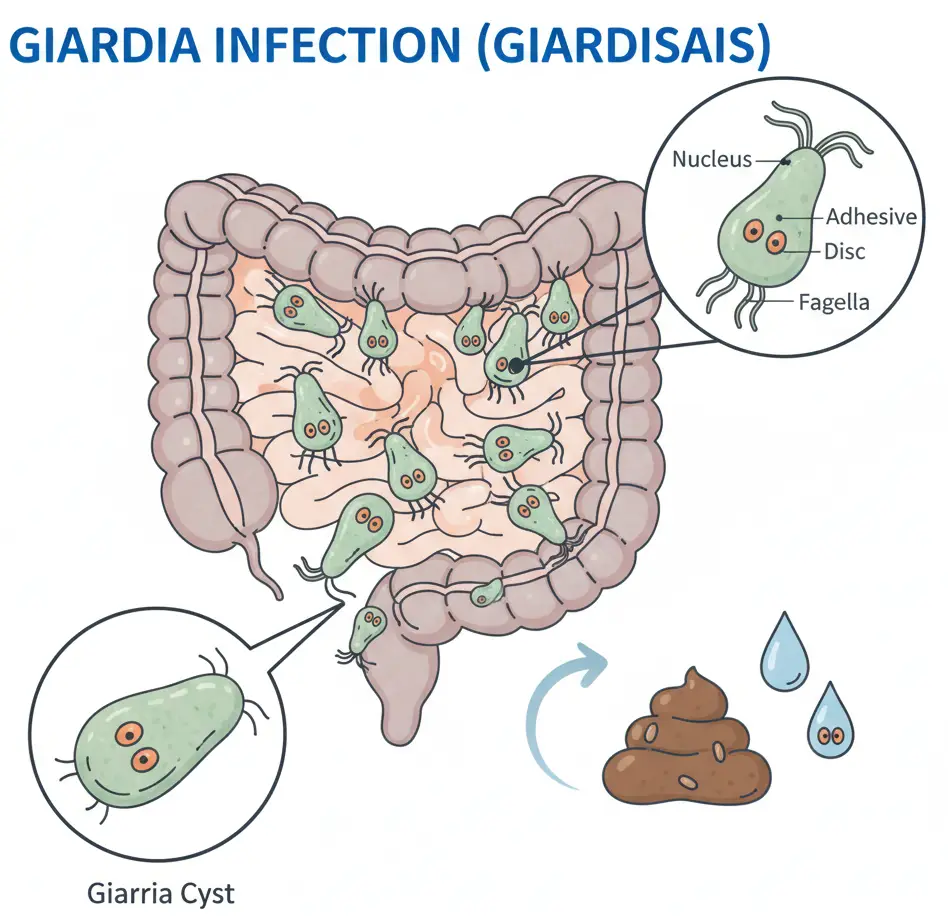
Giardia Infection (Giardiasis)
Giardia infection, also known as giardiasis, is a common intestinal illness caused by the microscopic parasite Giardia lamblia. The infection affects the small intestine and interferes with normal digestion and nutrient absorption. Giardiasis is one of the most frequent causes of waterborne diarrheal disease and can affect people of all ages. It is highly contagious and often spreads through contaminated …
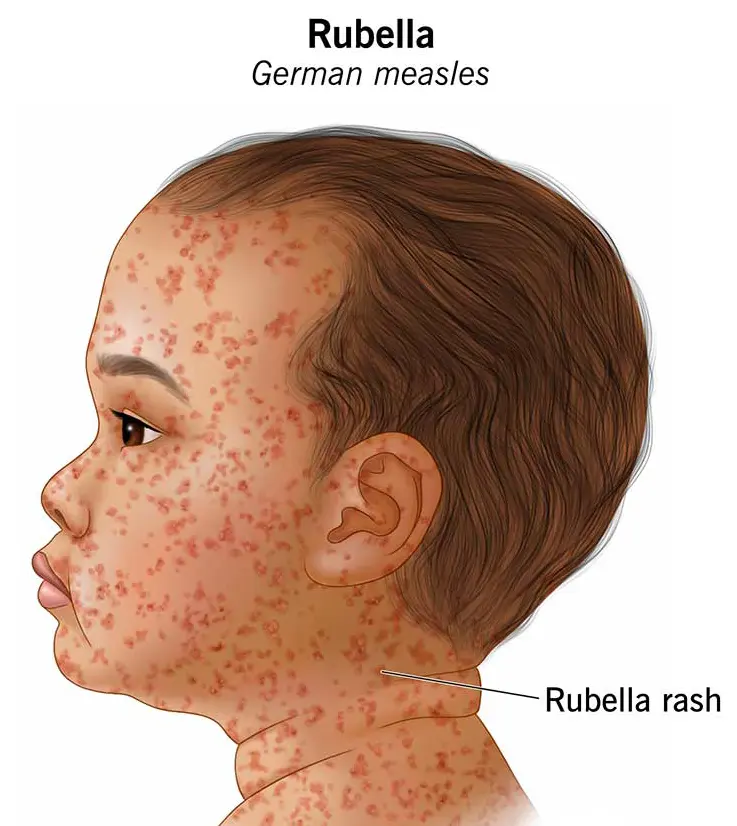
Rubella
Rubella, also known as German measles, is a contagious viral infection caused by the rubella virus. It is generally a mild illness in children and adults but can have serious consequences if it occurs during pregnancy. Rubella is best known for its characteristic rash and its potential to cause congenital rubella syndrome when a pregnant woman becomes infected. Symptoms of …
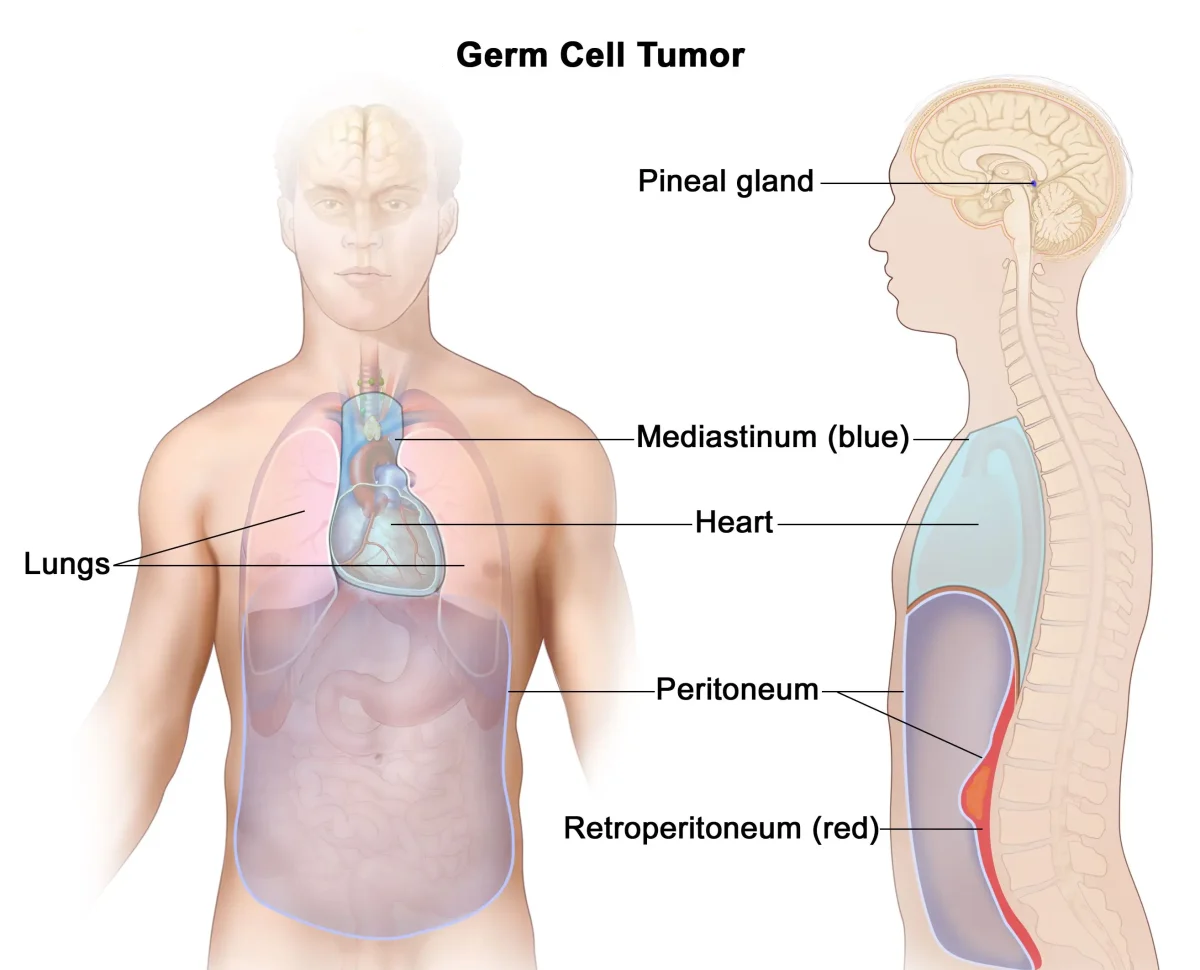
Germ Cell Tumors
Germ cell tumors are a group of tumors that develop from germ cells, which are the cells responsible for forming sperm in males and eggs in females. These tumors most commonly occur in the testes or ovaries but can also develop in other parts of the body, such as the chest, abdomen, or brain. Germ cell tumors may be benign …
Genital Herpes
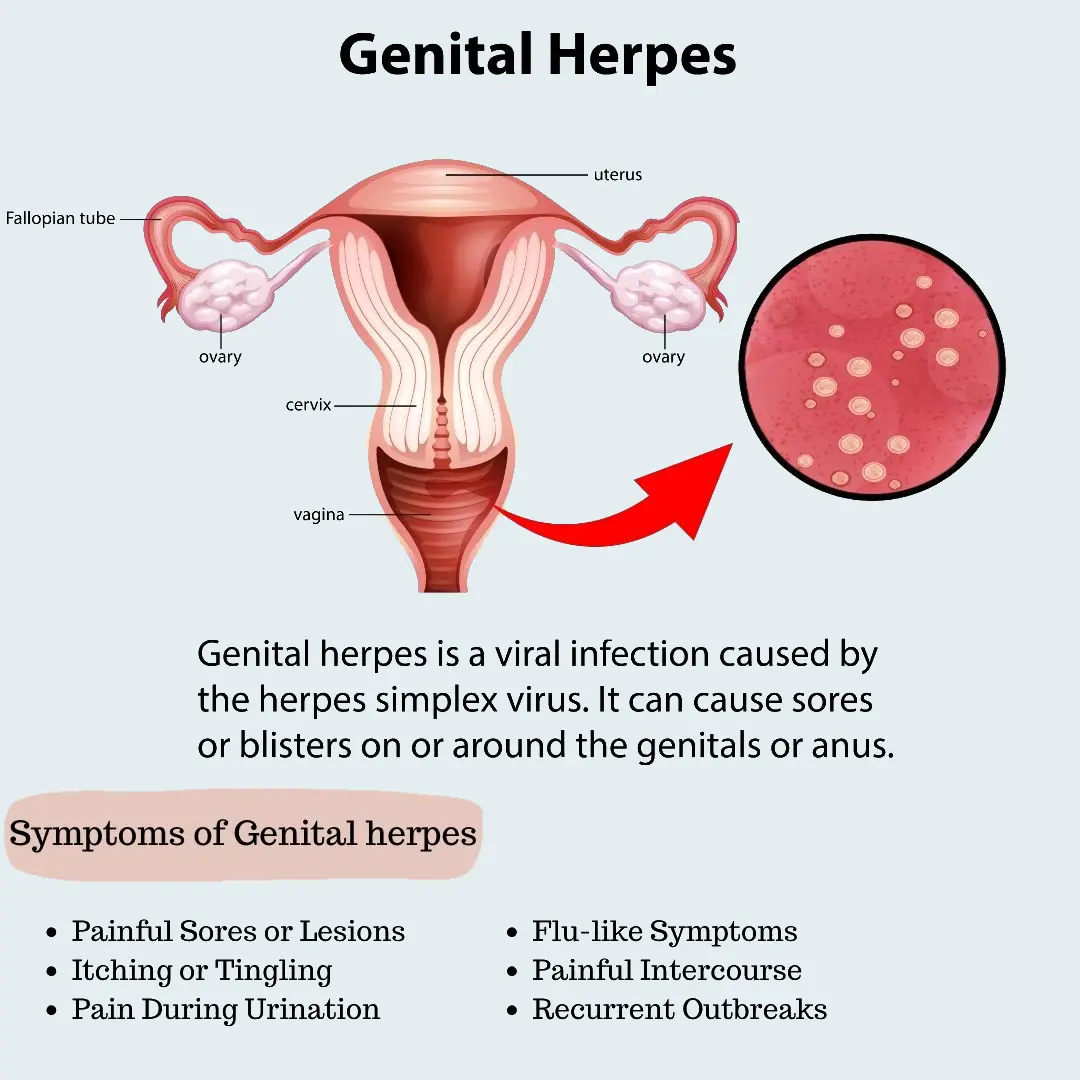
Genital herpes is a common sexually transmitted infection caused by the herpes simplex virus. It primarily affects the genital and anal areas and is characterized by recurrent outbreaks of painful sores. The infection is lifelong, as the virus remains dormant in the body and can reactivate periodically. Many individuals with genital herpes may have mild symptoms or none at all …
Gender Dysphoria
Gender dysphoria is a condition in which a person experiences significant distress or discomfort because their gender identity does not align with the sex assigned to them at birth. This distress can affect emotional well-being, social functioning, and daily life. Gender dysphoria is recognized as a medical and psychological condition, and the focus of care is on reducing distress and …
Glioblastoma
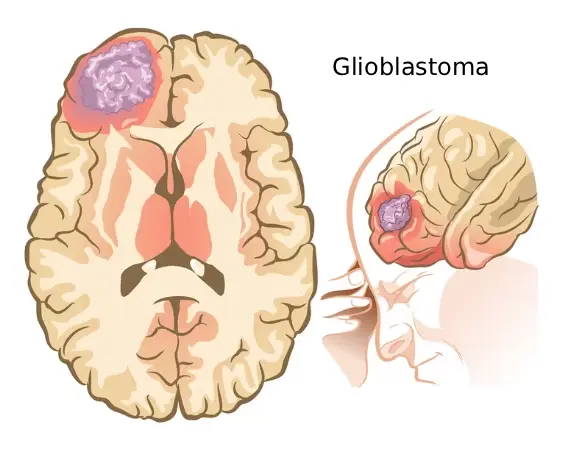
Glioblastoma is an aggressive and fast-growing type of brain cancer that develops from glial cells, which support nerve cells in the brain. It is the most common and severe form of primary malignant brain tumor in adults. Glioblastoma tends to grow rapidly and invade nearby brain tissue, making it difficult to treat. Despite advances in therapy, it remains a serious …
Gaucher Disease
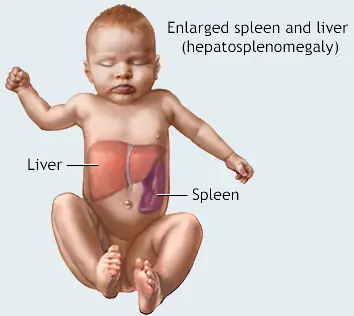
Gaucher disease is a rare inherited metabolic disorder in which certain fatty substances build up in organs due to the lack of an enzyme needed to break them down. This buildup mainly affects the spleen, liver, and bone marrow, leading to a wide range of symptoms. Gaucher disease is a genetic condition passed down through families and varies in severity …
Gastrointestinal Stromal Tumor (GIST)
Gastrointestinal Stromal Tumor, commonly known as GIST, is a rare type of tumor that develops in the digestive tract, most often in the stomach or small intestine. It arises from specialized nerve cells in the gastrointestinal tract wall called interstitial cells of Cajal, which help regulate digestion. GISTs can range from slow-growing, nonaggressive tumors to fast-growing cancers that spread to …