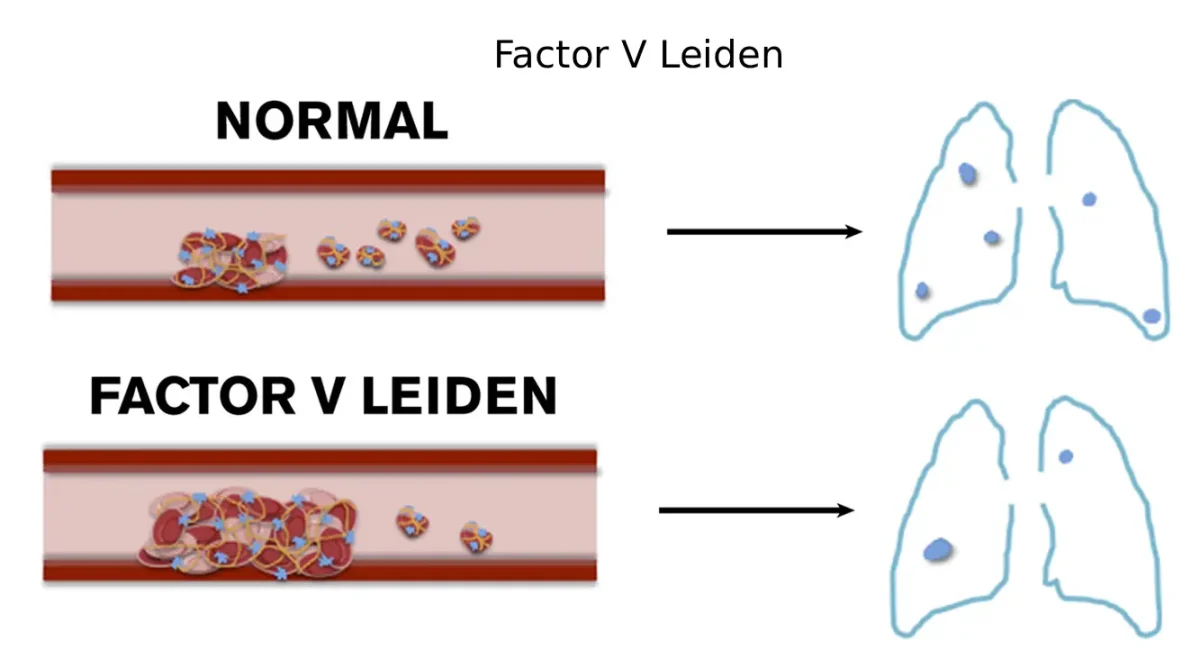
Factor V Leiden is a genetic blood clotting disorder that increases the risk of developing abnormal blood clots, especially in the veins. It is caused by a mutation in the factor V gene, which makes the clotting protein resistant to being broken down by activated protein C. As a result, blood clots can form more easily than normal. Many people …
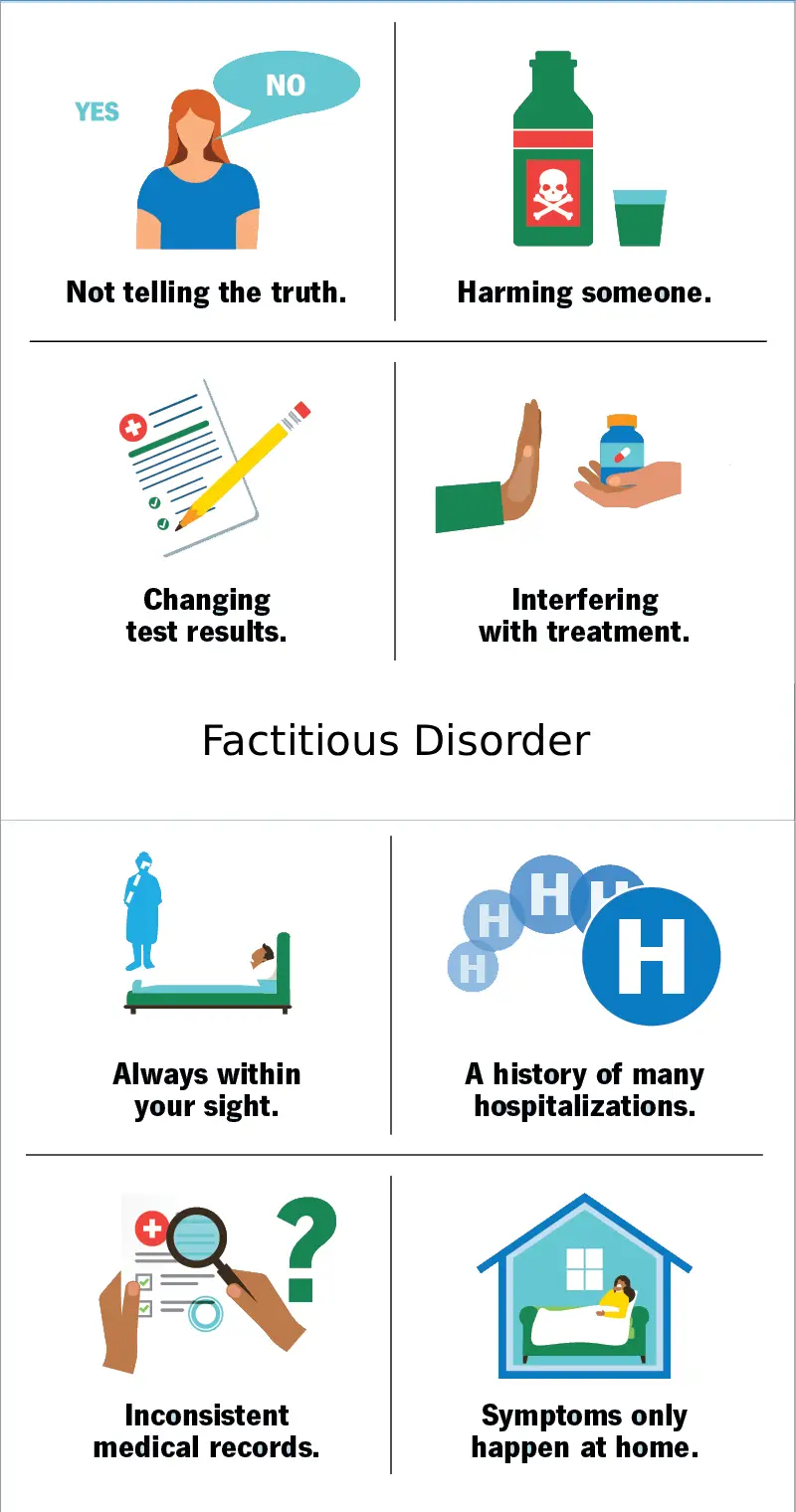
Factitious Disorder
Factitious Disorder is a mental health condition in which an individual deliberately produces, exaggerates, or feigns physical or psychological symptoms without obvious external rewards such as financial gain or avoiding responsibilities. The primary motivation is to assume the sick role, gain attention, sympathy, or care from others, especially healthcare providers. It is different from malingering, where symptoms are faked for …
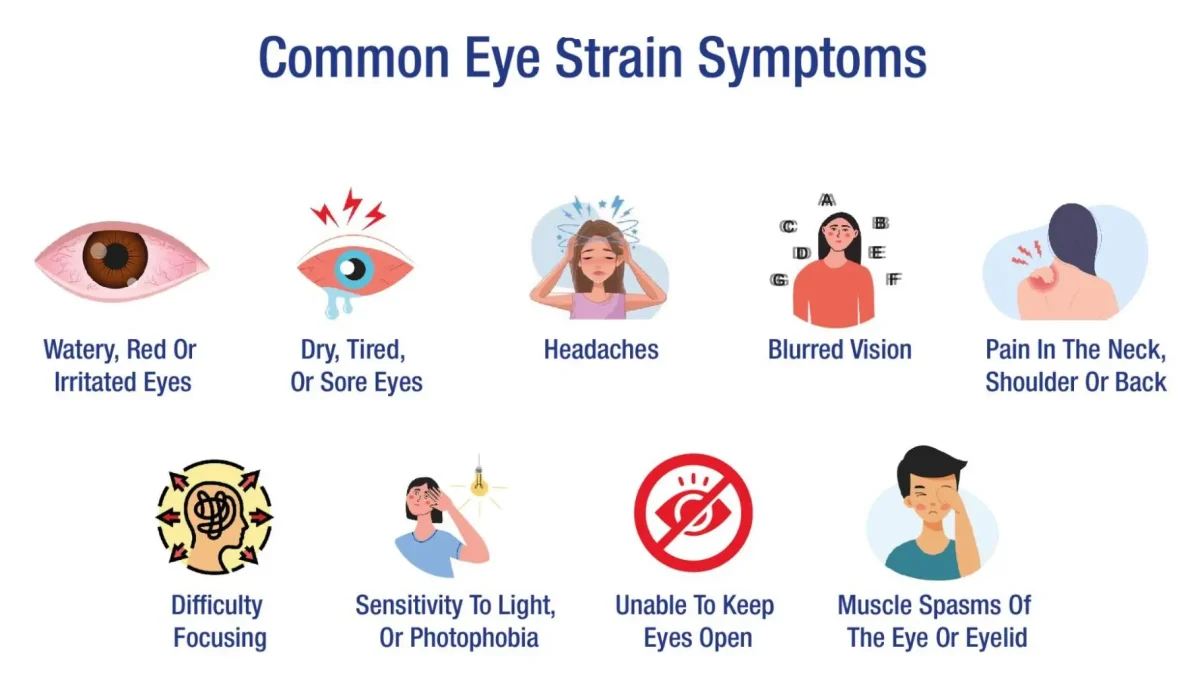
Eyestrain
Eyestrain, also known as digital eye strain or asthenopia, is a common condition caused by prolonged or intense use of the eyes. It often occurs after extended periods of screen time, reading, driving, or focusing on detailed tasks. Eyestrain is usually temporary and does not cause permanent eye damage, but it can be uncomfortable and affect daily productivity. Symptoms Symptoms …
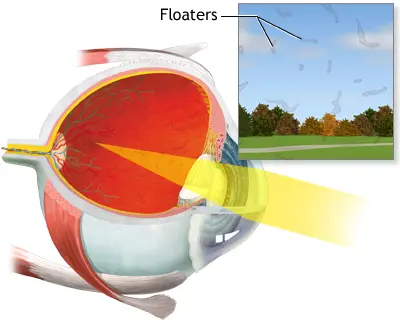
Eye Floaters
Eye floaters are small shapes that appear to drift across the field of vision. They may look like spots, threads, cobwebs, or squiggly lines and are most noticeable when looking at a bright background such as a clear sky or white wall. Eye floaters are usually harmless and are caused by age-related changes inside the eye, but in some cases …
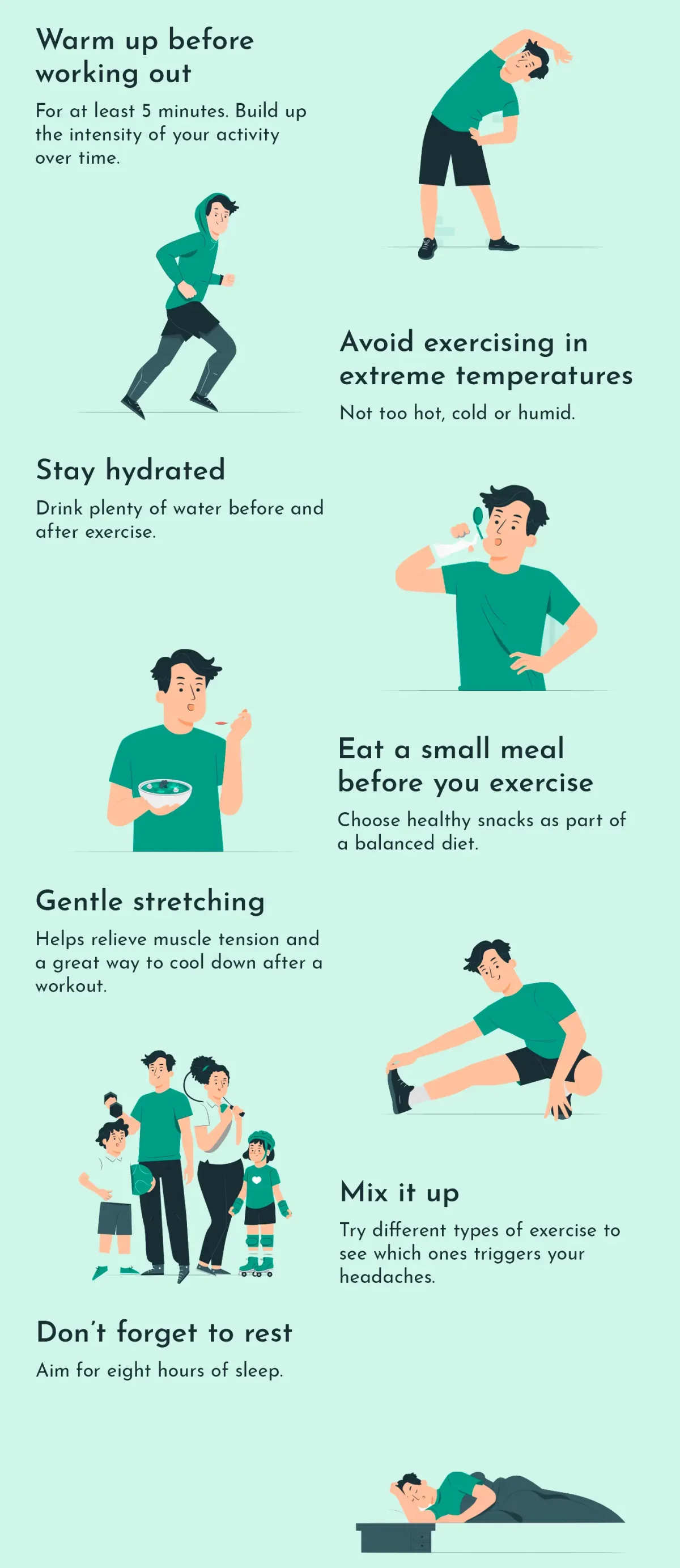
Exercise Headaches
Exercise headaches are headaches triggered by physical activity, particularly strenuous or intense exercise. They can occur during or after activities such as running, weightlifting, cycling, or sexual activity. Exercise headaches are usually benign and short-lived, but in some cases they may signal an underlying medical condition. They are classified as primary exercise headaches when no other cause is found. Symptoms …
Heavy Menstrual Bleeding
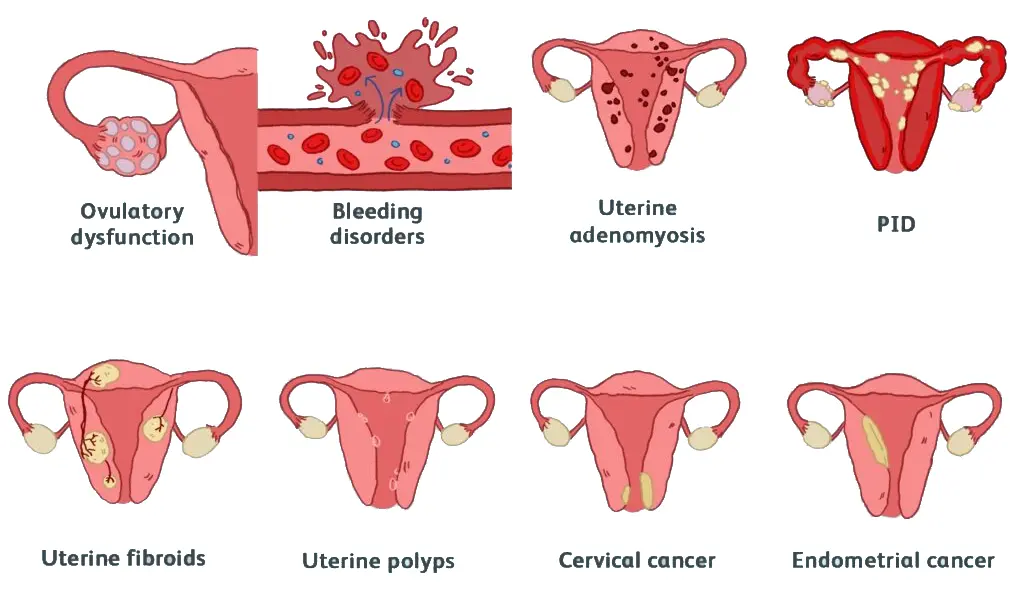
Heavy menstrual bleeding, also known as menorrhagia, is a condition in which menstrual periods involve excessive blood loss or last longer than normal. It can interfere with daily activities, work, and quality of life. While occasional heavy periods may occur, persistent heavy menstrual bleeding often indicates an underlying medical or hormonal issue and may require medical evaluation. Symptoms Symptoms of …
Ewing Sarcoma
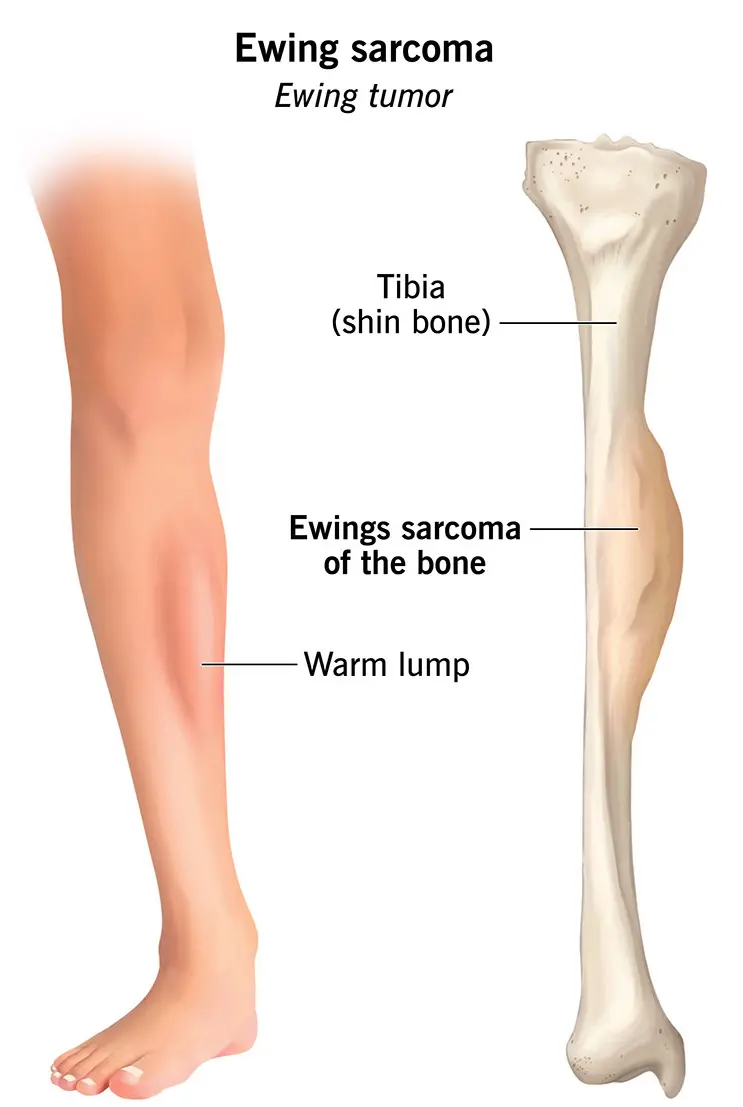
Ewing sarcoma is a rare and aggressive type of cancer that most commonly affects the bones or the soft tissues surrounding the bones. It primarily occurs in children, adolescents, and young adults. The tumor often develops in the long bones of the arms or legs, the pelvis, or the chest wall. Ewing sarcoma can grow rapidly and may spread to …
Esthesioneuroblastoma
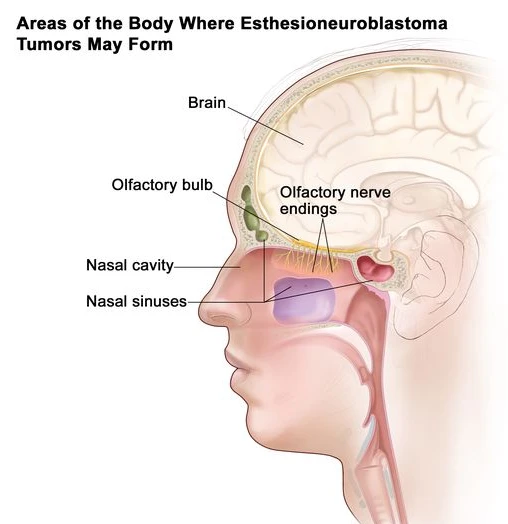
Esthesioneuroblastoma, also known as olfactory neuroblastoma, is a rare cancer that develops from the olfactory nerve cells responsible for the sense of smell. It originates in the upper part of the nasal cavity near the cribriform plate. This tumor can grow locally and may spread to nearby structures such as the sinuses, eyes, or brain. Because of its location and …
Essential Tremor
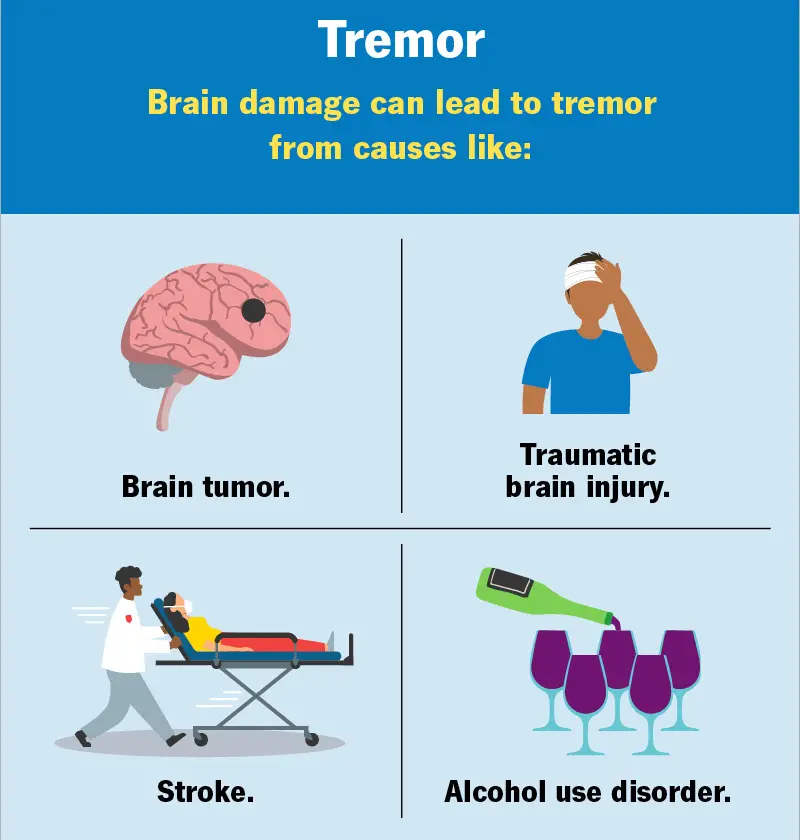
Essential tremor is a common neurological movement disorder that causes involuntary, rhythmic shaking, most often affecting the hands and arms. It may also involve the head, voice, or legs. The tremor typically occurs during voluntary movements such as writing, eating, or holding objects, rather than at rest. Essential tremor can appear at any age but is more common in older …
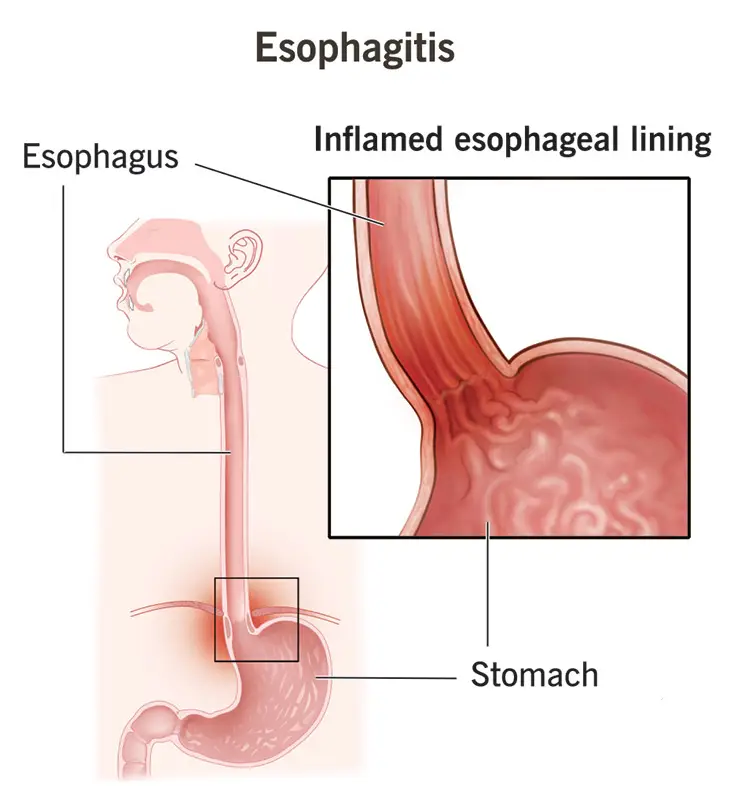
Esophagitis
Esophagitis is inflammation of the esophagus, the muscular tube that carries food and liquids from the throat to the stomach. This inflammation can cause pain, difficulty swallowing, and discomfort in the chest. Esophagitis may be acute or chronic and can result from acid reflux, infections, medications, or allergic reactions. If left untreated, it can lead to long-term damage to the …