Encopresis

admin

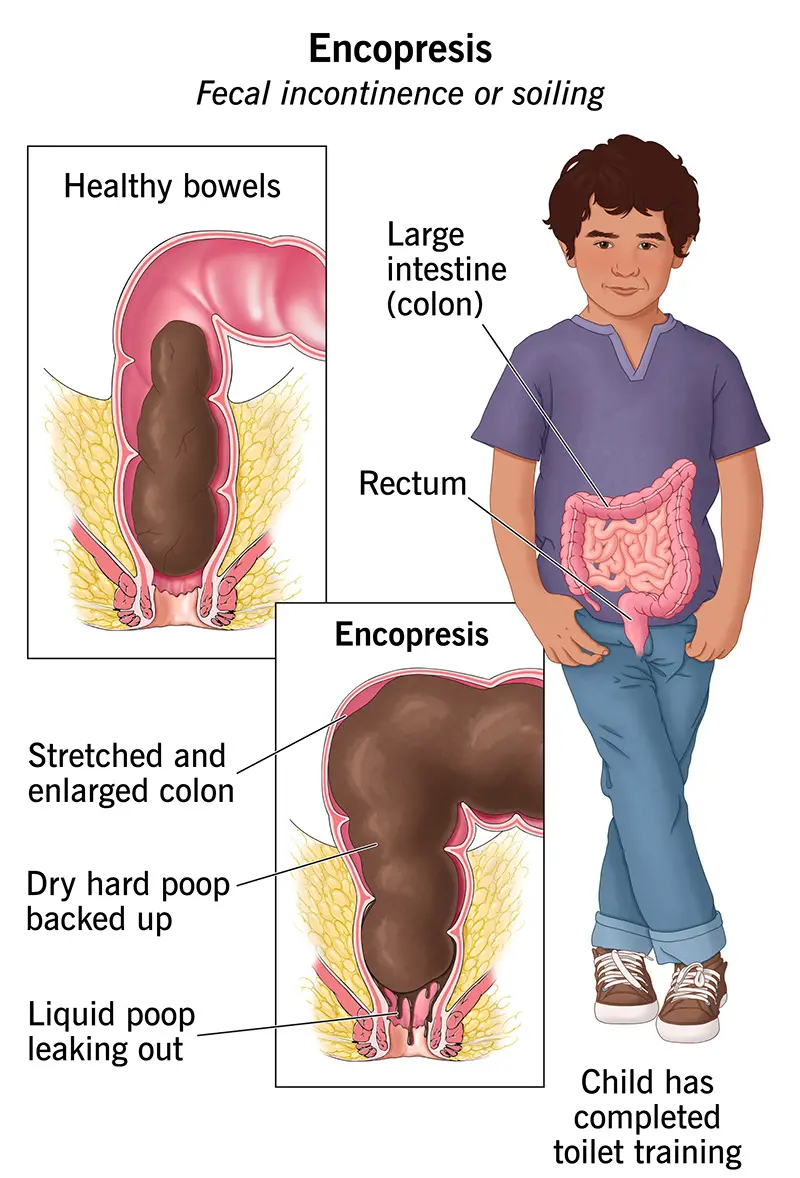
Encopresis is a childhood condition characterized by the repeated passage of stool in inappropriate places, such as clothing or the floor, in a child who is past the age when bowel control is normally expected. It is most commonly associated with chronic constipation and stool retention, leading to leakage of stool around impacted feces. Encopresis can be distressing for both …
Encephalitis

admin

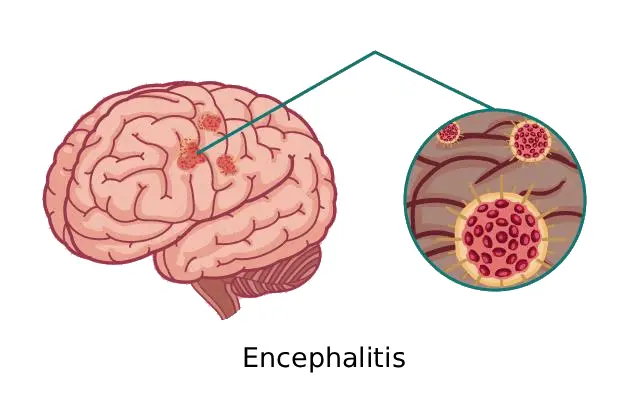
Encephalitis is a serious condition characterized by inflammation of the brain, most often caused by viral infections, though bacterial, autoimmune, or other causes are also possible. The inflammation can interfere with normal brain function and may range from mild to life-threatening. Encephalitis can affect people of all ages and requires prompt medical evaluation and treatment. Symptoms Symptoms of encephalitis may …

Emphysema

admin

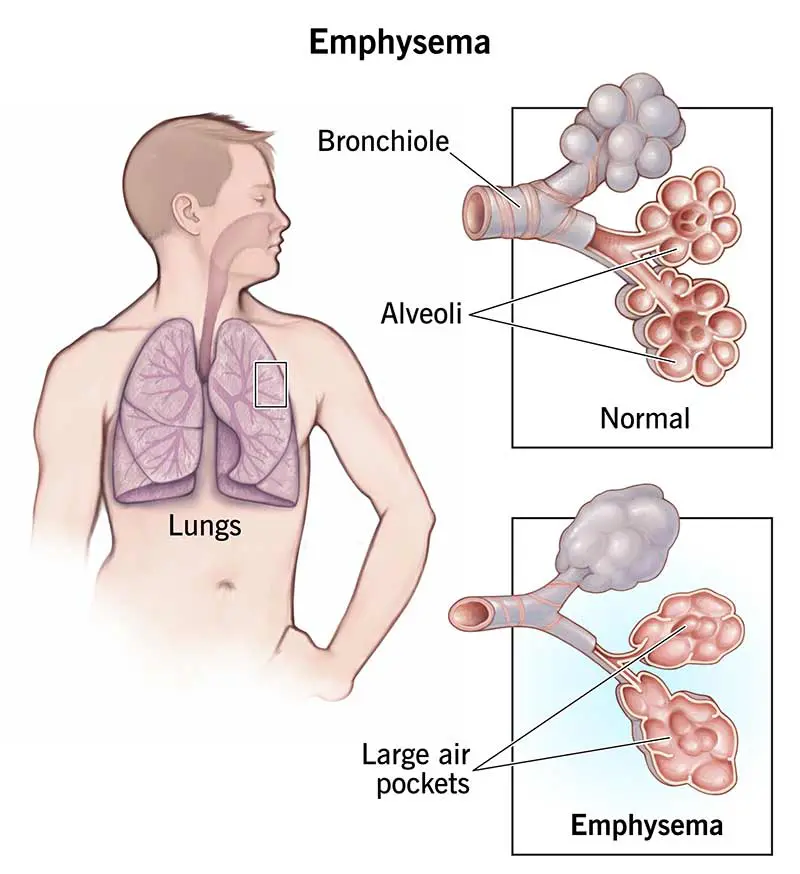
Emphysema is a chronic lung condition and a major form of chronic obstructive pulmonary disease. It involves damage to the air sacs in the lungs, called alveoli, which gradually lose their elasticity and break down. This damage reduces the surface area available for oxygen exchange, making breathing increasingly difficult. Emphysema develops slowly and symptoms often worsen over time, significantly affecting …

Embryonal Tumors

admin

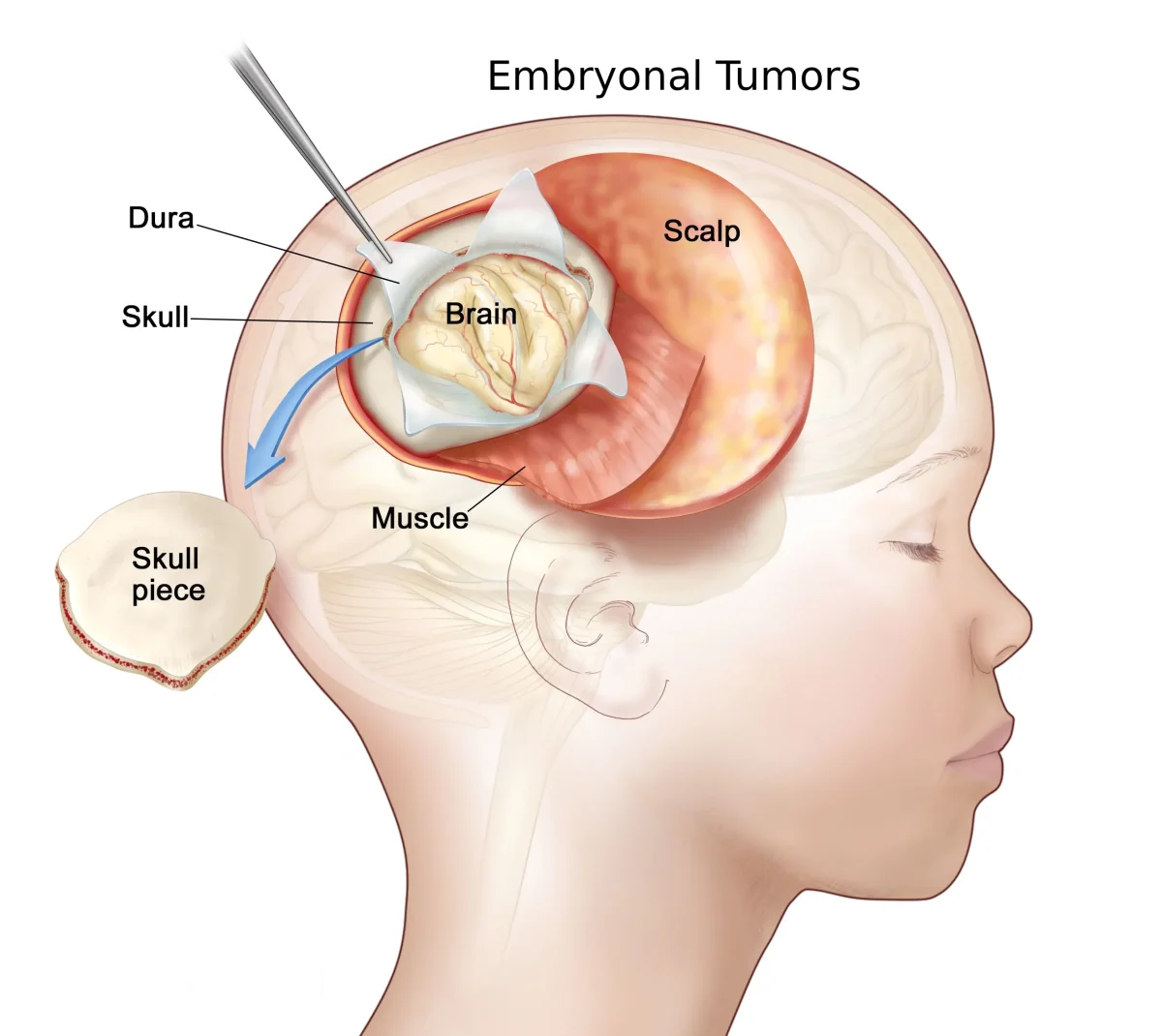
Embryonal tumors are a group of aggressive cancers that arise from immature or undeveloped cells, most commonly affecting infants and young children. These tumors develop when cells that are normally involved in early growth and development fail to mature properly and begin to grow uncontrollably. Embryonal tumors can occur in various parts of the body, including the brain, nervous system, …

Pulmonary Embolism

admin

A pulmonary embolism (PE) is a blood clot in one of the blood vessels in your lung. This happens when a clot in another part of your body (often your leg or arm) moves through your veins to your lung. A PE restricts blood flow to your lungs, lowers oxygen levels in your lungs and increases blood pressure in your pulmonary arteries. This condition is a medical emergency. Without quick treatment, …

Elevated Blood Pressure

admin

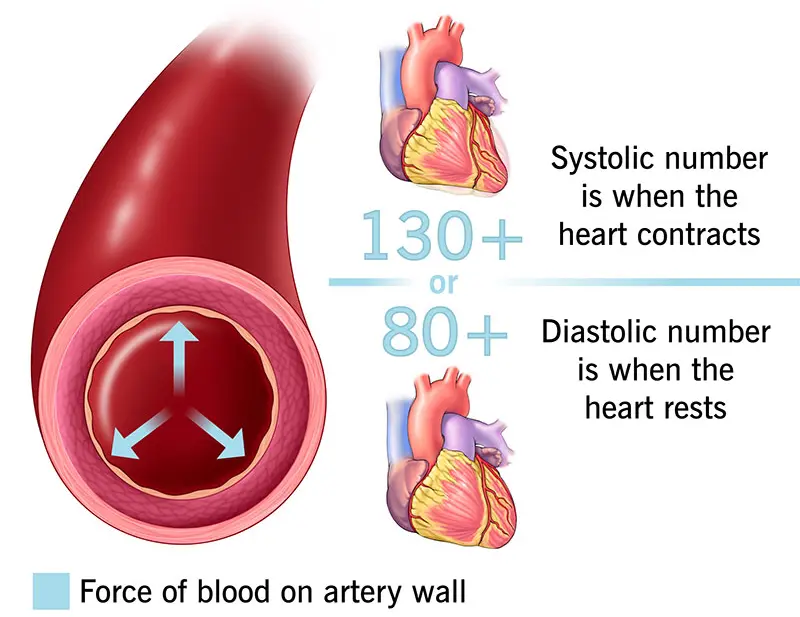
Elevated blood pressure is a condition in which blood pressure readings are consistently higher than normal but not yet in the range of hypertension. It reflects increased pressure of blood against the walls of the arteries and is often an early warning sign for developing high blood pressure. Elevated blood pressure usually has no noticeable symptoms but increases the risk …

Eisenmenger Syndrome

admin

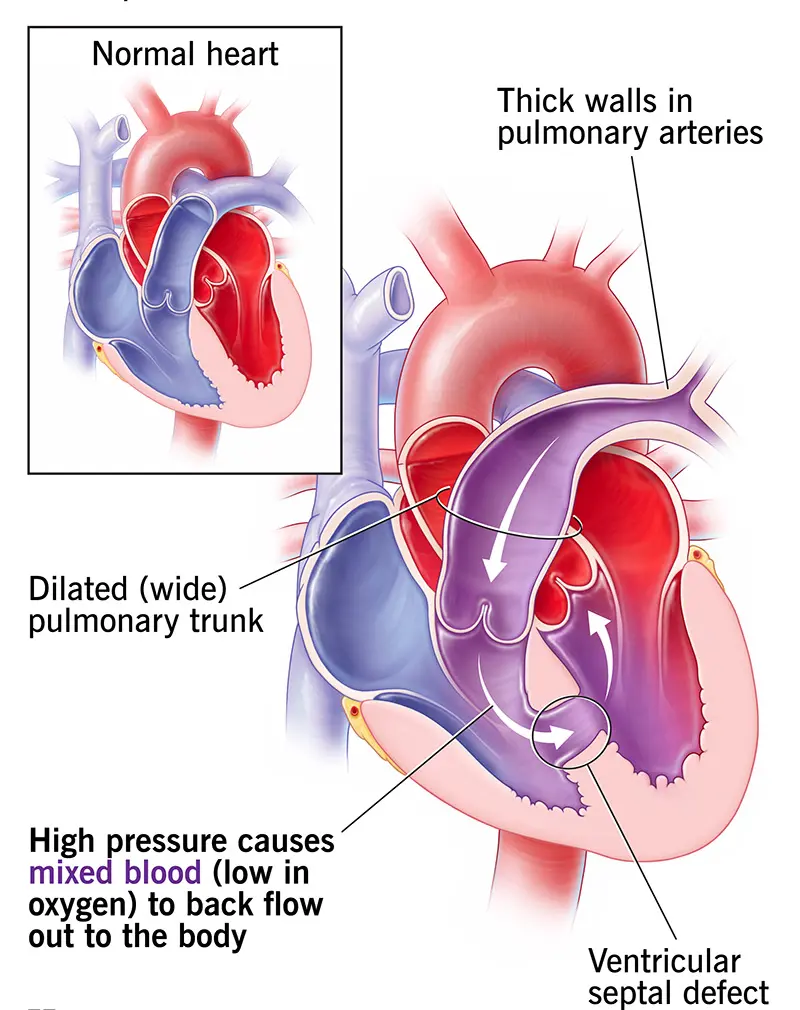
Eisenmenger syndrome is a serious and progressive condition that develops as a complication of certain congenital heart defects present from birth. It occurs when a long-standing abnormal blood flow between the heart chambers or major blood vessels leads to high blood pressure in the lungs. Over time, this increased pressure causes the direction of blood flow to reverse, allowing oxygen-poor …

Ehrlichiosis and Anaplasmosis

admin

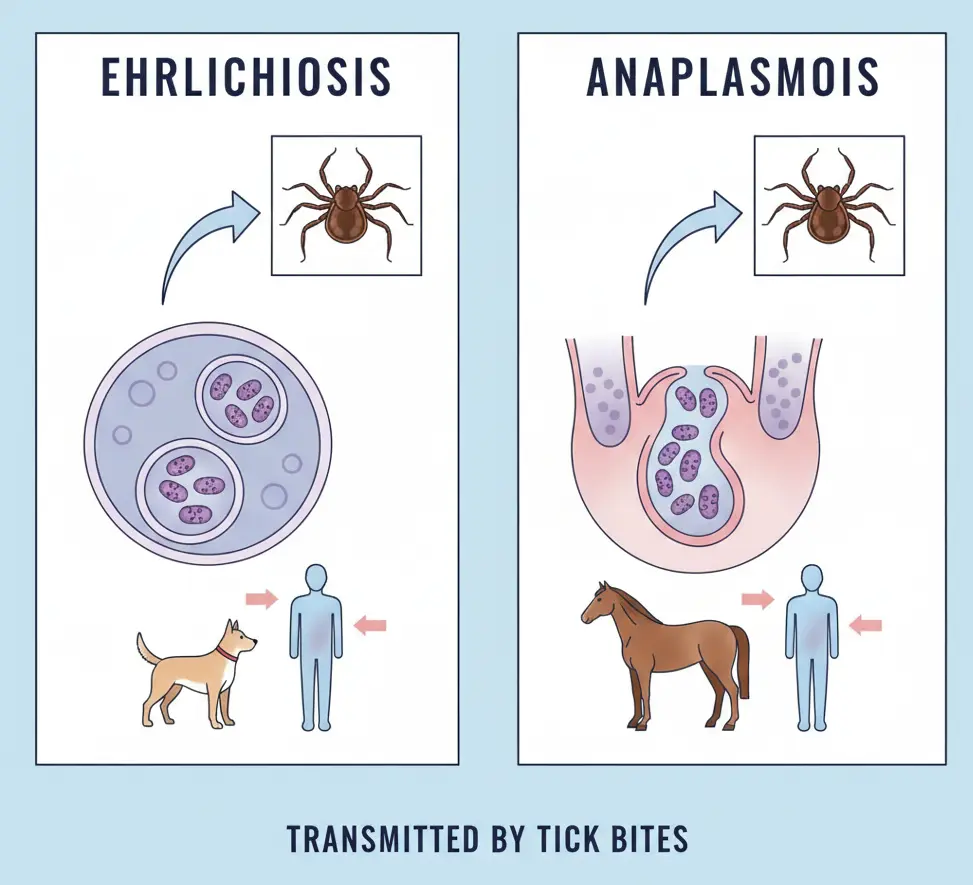
Ehrlichiosis and anaplasmosis are tick-borne bacterial infections that affect white blood cells and can cause flu-like illness ranging from mild to severe. Ehrlichiosis is caused by Ehrlichia species, while anaplasmosis is caused by Anaplasma phagocytophilum. These infections are transmitted through the bite of infected ticks and are most common during warmer months when tick activity is high. Early diagnosis and …

Ehlers-Danlos Syndrome

admin

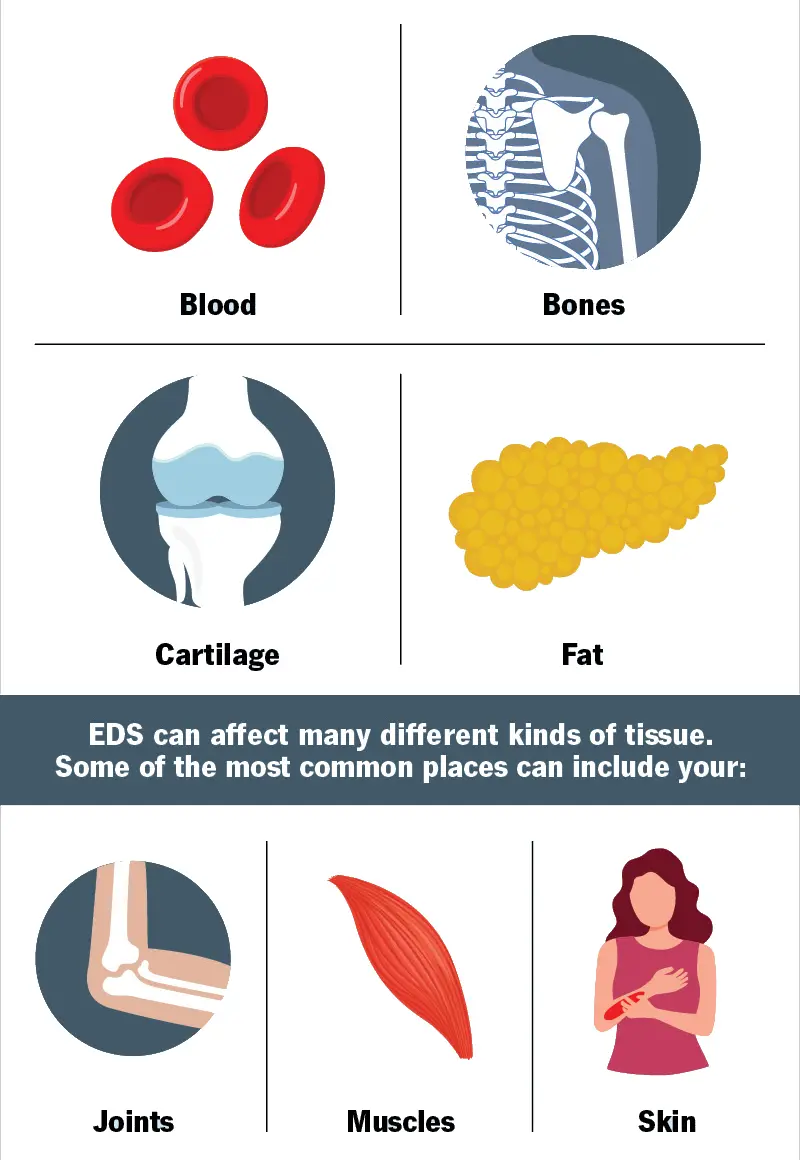
Ehlers-Danlos syndrome is a group of inherited connective tissue disorders that affect the skin, joints, and blood vessels. It is caused by genetic changes that interfere with the production or structure of collagen, a protein that provides strength and elasticity to connective tissues throughout the body. The severity of Ehlers-Danlos syndrome varies widely, with some individuals experiencing mild symptoms and …

Pulmonary Edema

admin

Pulmonary edema is the abnormal buildup of “fluid in the lungs.” Fluid buildup in your lungs can lead to shortness of breath, coughing up of foam and loose mucus, wheezing, chest tightness and difficulty breathing. Pulmonary edema can be life-threatening and requires immediate medical treatment. What is high altitude pulmonary edema (HAPE)? High altitude pulmonary edema (HAPE) occurs when you’re at high …