Diphtheria is a serious bacterial infection caused by Corynebacterium diphtheriae that primarily affects the throat and upper airways. The bacteria produce a toxin that can lead to severe illness and life-threatening complications. Diphtheria is highly contagious but largely preventable through vaccination. Symptoms Symptoms usually develop gradually and can worsen if untreated: Sore throat Fever and chills Thick gray or white …

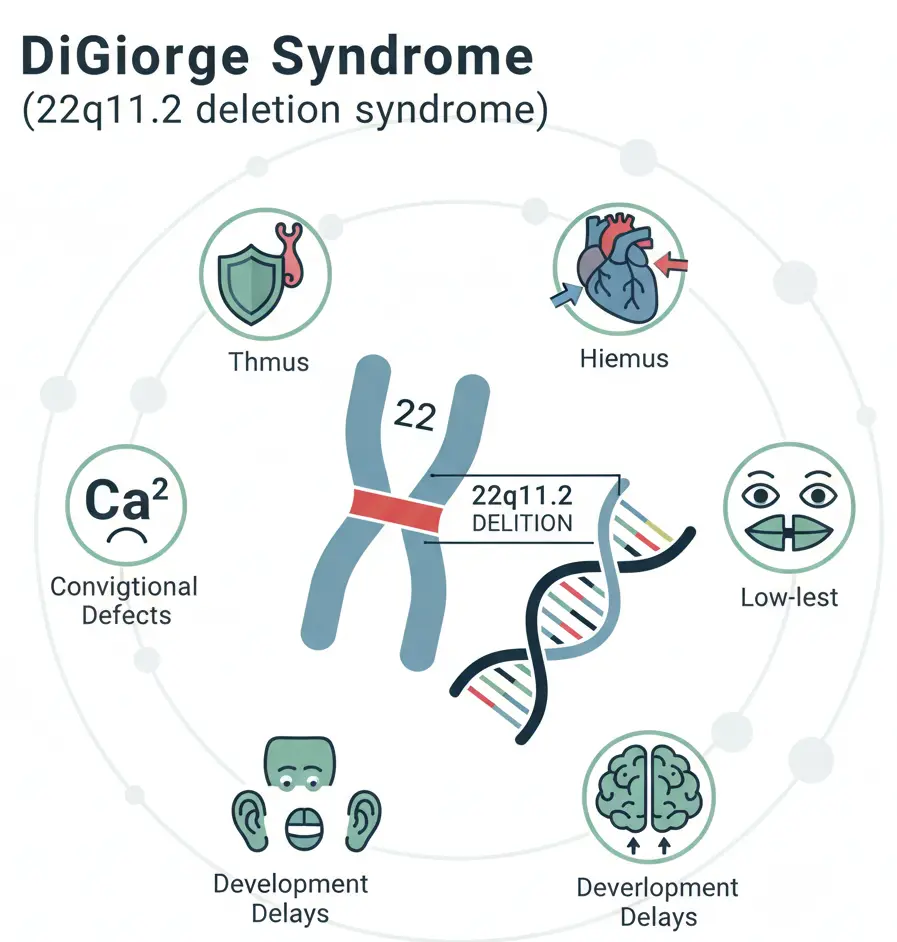
DiGeorge Syndrome (22q11.2 deletion syndrome)
DiGeorge Syndrome, also known as 22q11.2 deletion syndrome, is a genetic condition caused by the deletion of a small segment of chromosome 22. This deletion affects multiple body systems and can lead to a wide range of physical, developmental, and immune-related problems. The severity and combination of features vary greatly among individuals. Symptoms Symptoms of DiGeorge syndrome differ widely and …
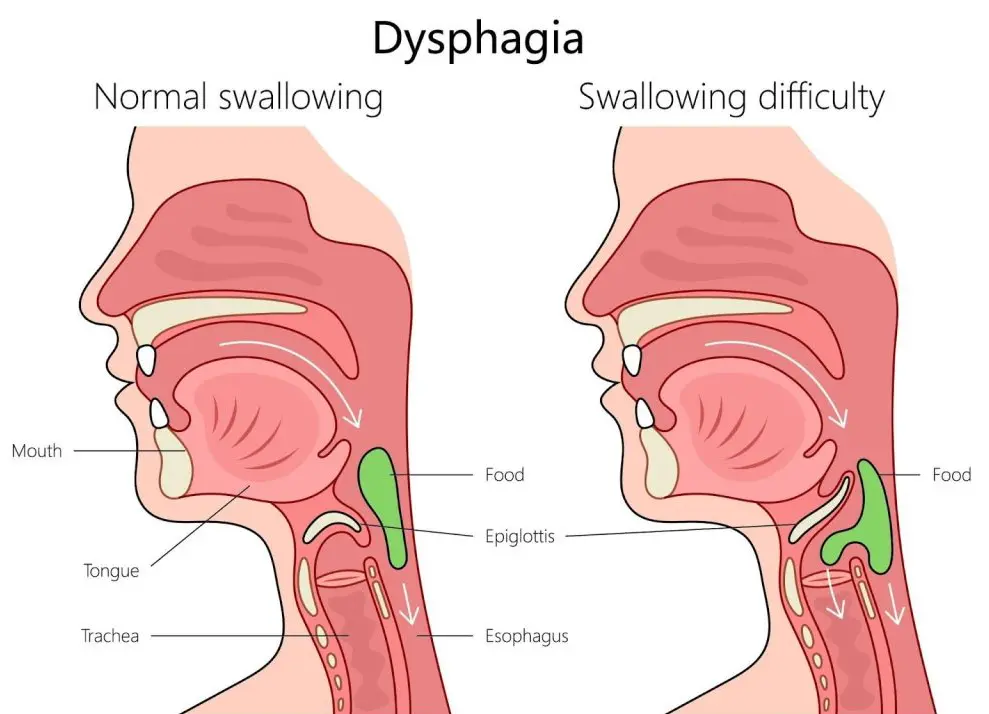
Dysphagia
Dysphagia is a medical condition characterized by difficulty swallowing. It can affect the movement of food or liquids from the mouth to the stomach and may occur at any stage of the swallowing process. Dysphagia can be temporary or chronic and may range from mild discomfort to severe swallowing impairment. Symptoms Symptoms of dysphagia vary depending on the underlying cause …
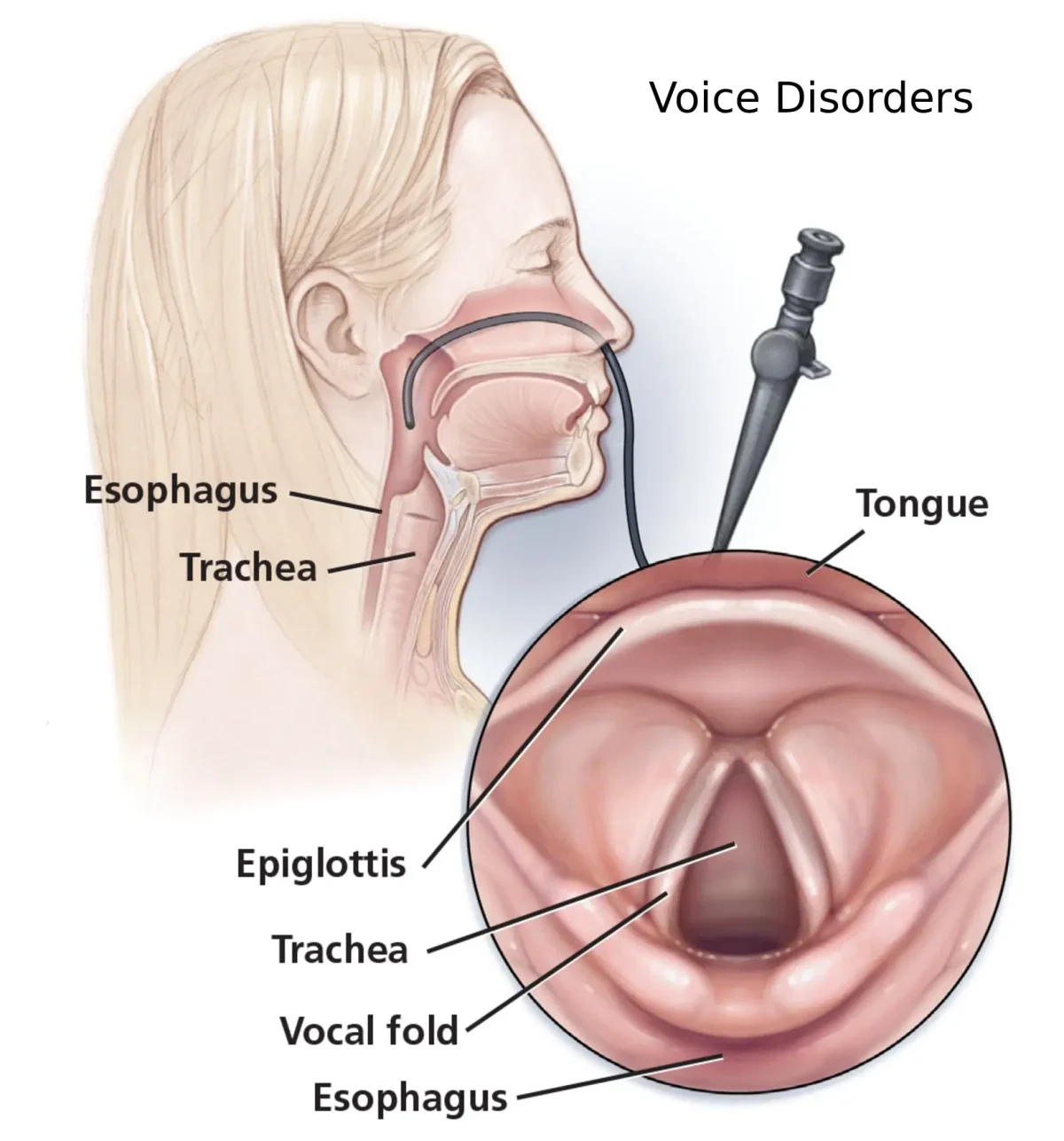
Voice Disorders
Voice disorders are conditions that affect the pitch, volume, tone, or quality of a person’s voice. They occur when the vocal cords, the structures in the larynx responsible for producing sound, do not function properly. Voice disorders can affect anyone, from children to adults, and may be temporary or chronic. These disorders can impact communication, social interaction, and professional performance, …
Traveler’s Diarrhea
Traveler’s diarrhea is a common digestive problem that affects people traveling to regions where sanitation and food hygiene standards may differ from those at home. It usually occurs after consuming contaminated food or water containing bacteria, viruses, or parasites. The condition typically begins suddenly and causes loose stools and abdominal discomfort. Although most cases are mild and resolve within a …
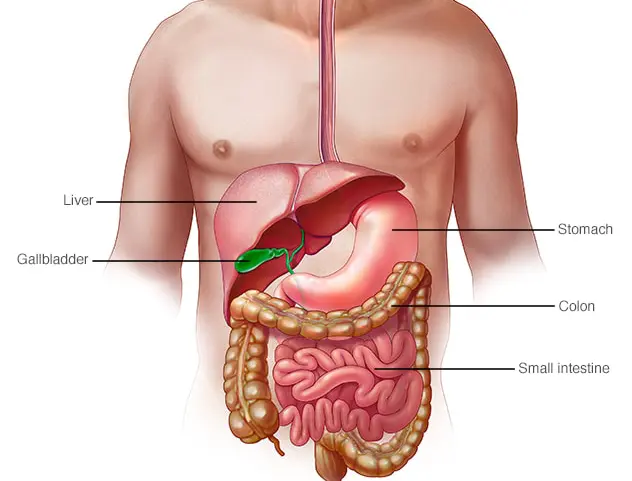
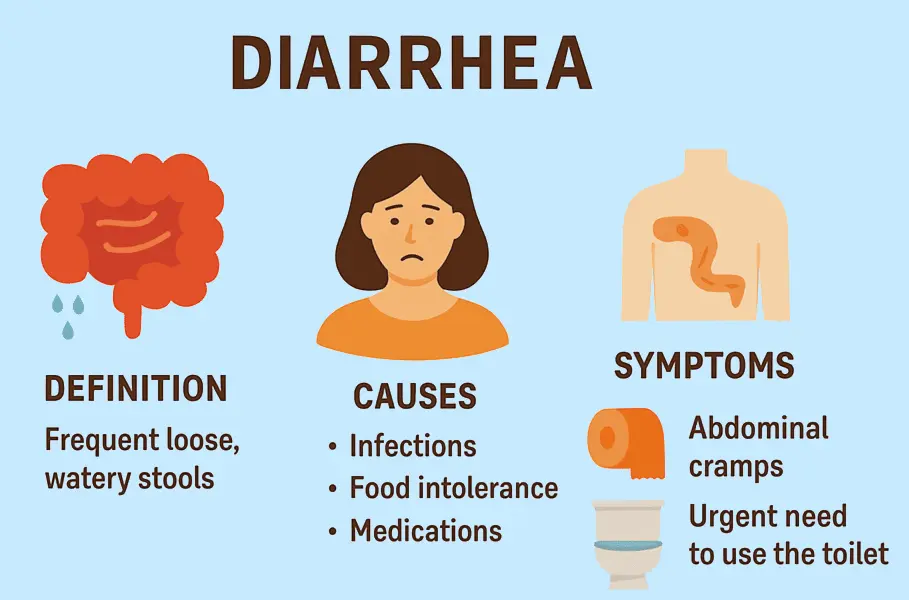
Diarrhea
Diarrhea is a condition characterized by frequent, loose, or watery stools. It is a common digestive problem that can be acute, persistent, or chronic depending on its duration. Diarrhea can affect people of all ages and is often caused by infections, dietary factors, or underlying medical conditions. While most cases are mild and resolve on their own, severe or prolonged …
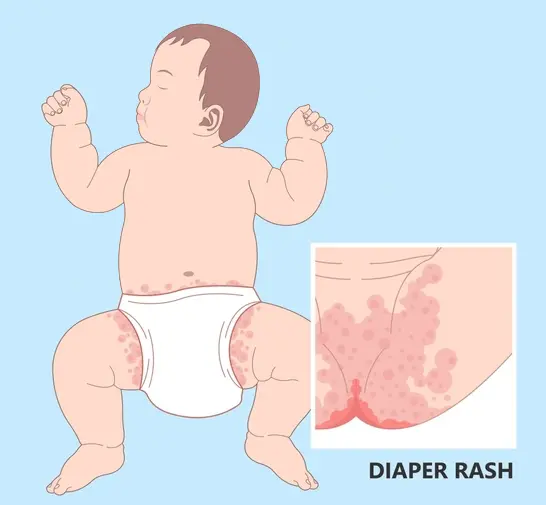
Diaper Rash
Diaper rash is a common skin condition that affects infants and young children, causing irritation and inflammation in the diaper area. It develops when the skin is exposed to prolonged moisture, friction, or irritants such as urine and stool. While diaper rash is usually mild and easily treatable, prompt care helps prevent discomfort and complications. Symptoms Symptoms of diaper rash …
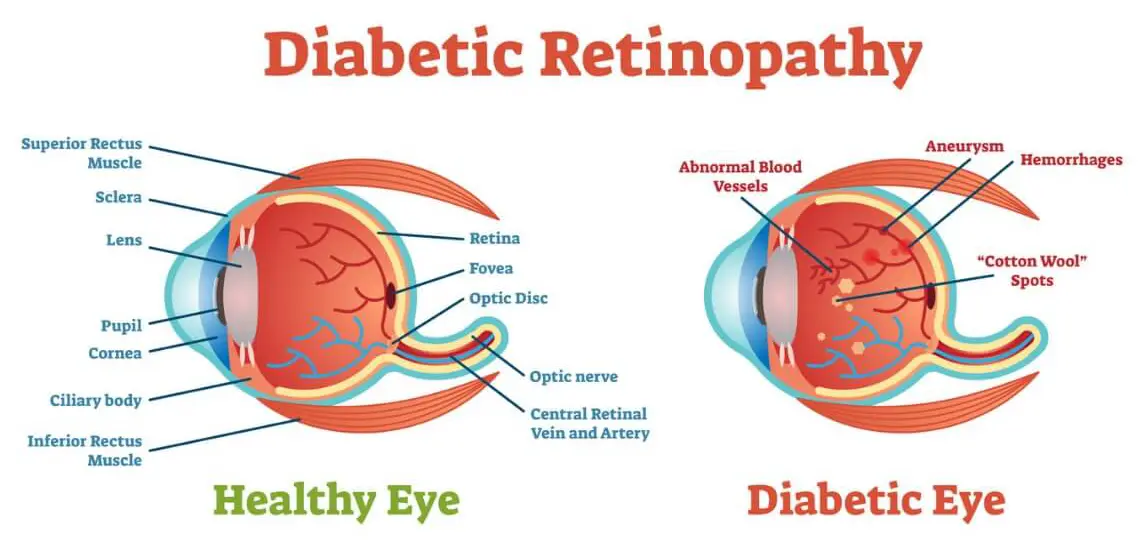
Diabetic Retinopathy
Diabetic retinopathy is a diabetes-related eye condition that damages the blood vessels of the retina, the light-sensitive tissue at the back of the eye. It develops gradually and is a leading cause of vision impairment and blindness in adults. The condition can affect people with type 1 or type 2 diabetes, especially those with long-standing or poorly controlled blood sugar …
Diabetic Neuropathy
Diabetic nephropathy, also known as diabetic kidney disease, is a chronic complication of diabetes that affects the kidneys’ ability to filter waste and excess fluid from the blood. It develops gradually over time and is a leading cause of chronic kidney disease and kidney failure. Early detection and proper management can slow progression and reduce the risk of serious outcomes. …
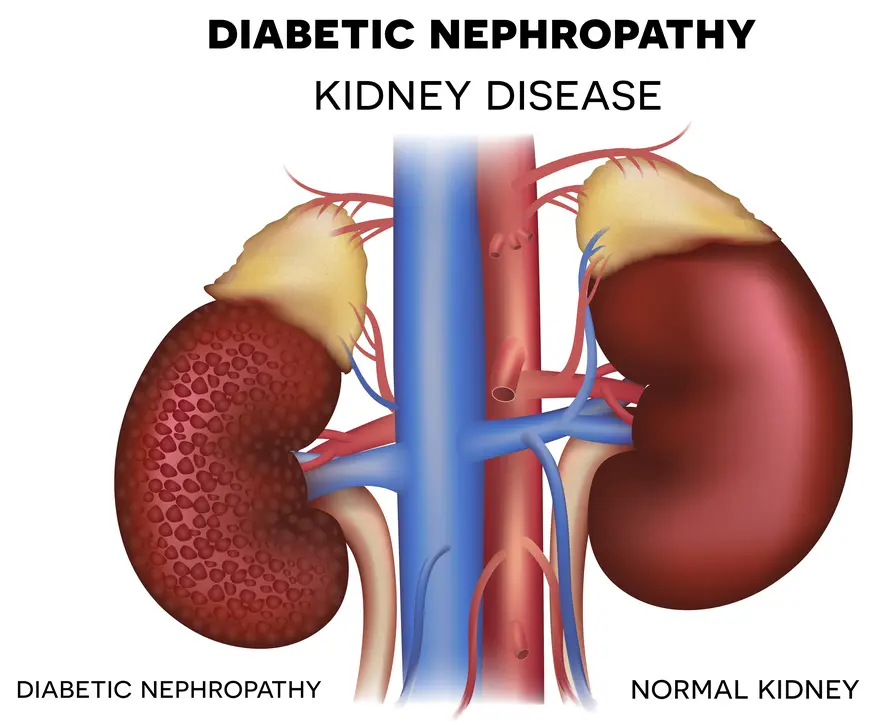
Diabetic Nephropathy (Kidney Disease)
Diabetic nephropathy, also known as diabetic kidney disease, is a chronic complication of diabetes that affects the kidneys’ ability to filter waste and excess fluid from the blood. It develops gradually over time and is a leading cause of chronic kidney disease and kidney failure. Early detection and proper management can slow progression and reduce the risk of serious outcomes. …