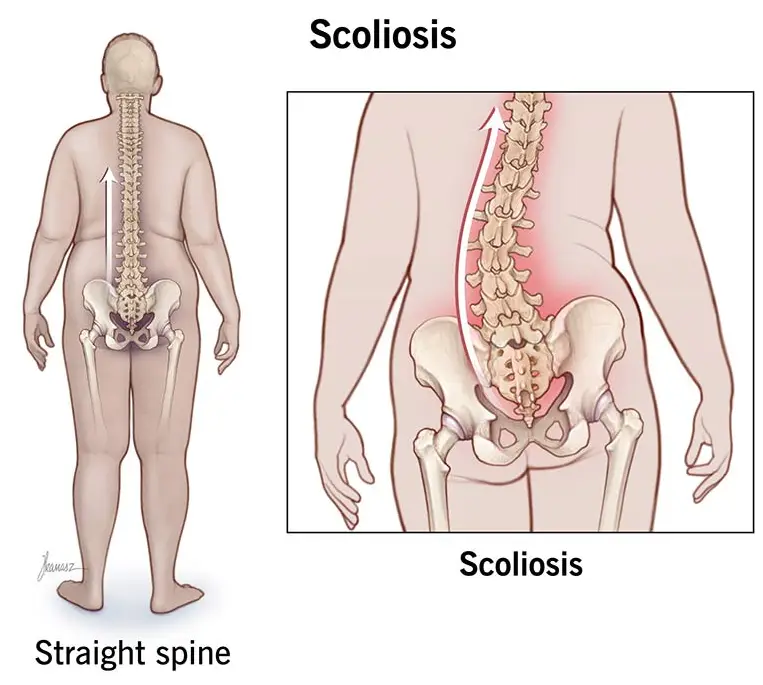
Scoliosis is a medical condition in which the spine curves sideways in an abnormal shape, often resembling an S or C when viewed from behind. While the spine naturally has curves when viewed from the side, scoliosis refers specifically to a sideways curvature. It most commonly develops during the growth spurt just before puberty. Scoliosis can range from mild to …
Peyronie Disease
Peyronie’s (pay-roe-NEEZ) disease is a condition in which scar tissue (plaque) in your penis causes it to bend, curve or lose length or girth (circumference). You may be able to feel the scar tissue through your skin, or you may have pain in a specific part of your penis as the scar tissue forms. When you have an erection, your penis may bend …
CTCL
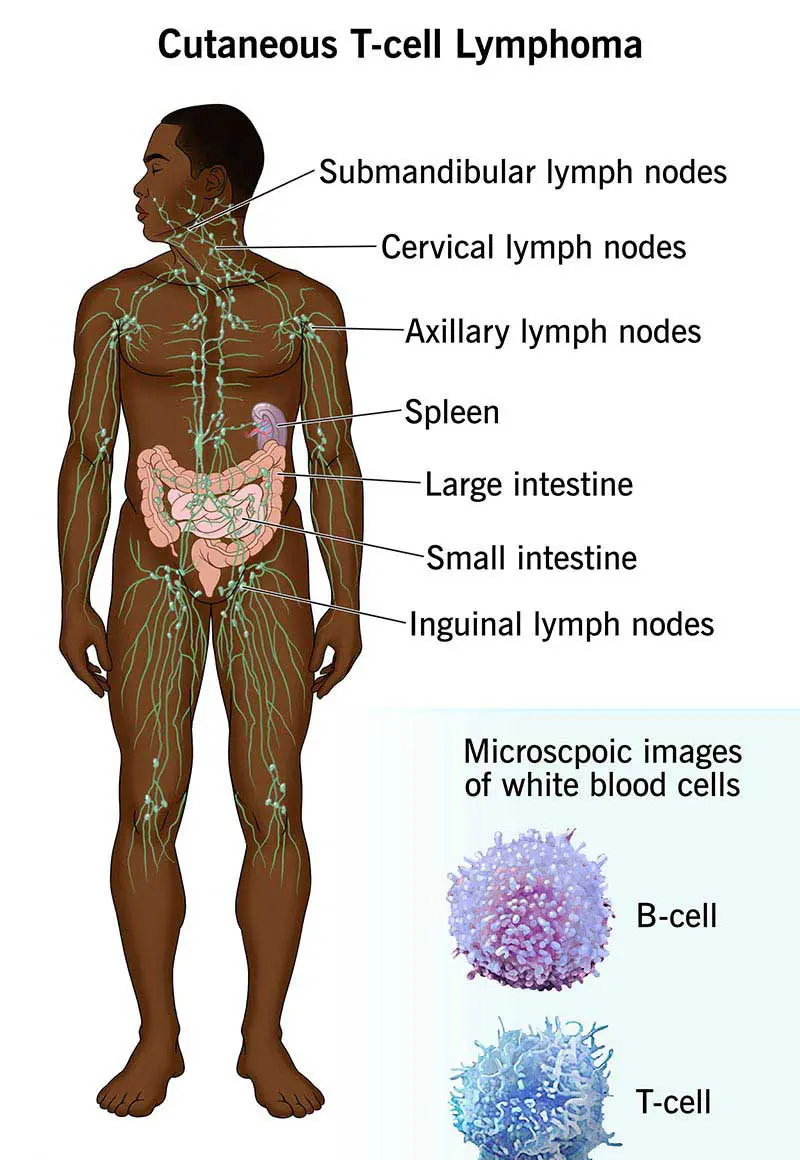
Cutaneous T-cell lymphoma is a rare type of non-Hodgkin lymphoma that primarily affects the skin. It develops when certain immune cells called T lymphocytes become cancerous and accumulate in the skin, leading to persistent skin symptoms. Cutaneous T-cell lymphoma usually progresses slowly and may remain limited to the skin for many years, though advanced stages can involve lymph nodes, blood, …
Undescended Testicle
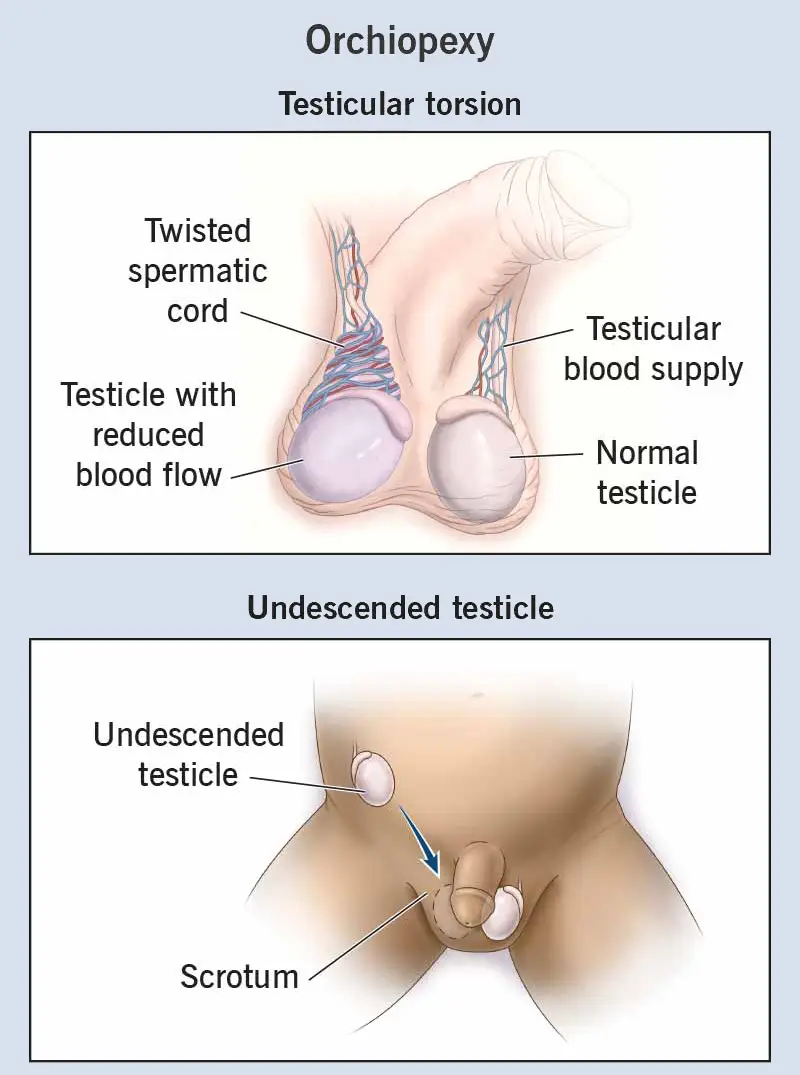
An undescended testicle, also known as cryptorchidism, is a condition in which one or both testicles fail to move down into the scrotum before birth. Normally, the testicles develop in the abdomen and descend into the scrotum during the final months of pregnancy. This condition is common in premature infants and often corrects itself within the first few months of …
Cryoglobulinemia
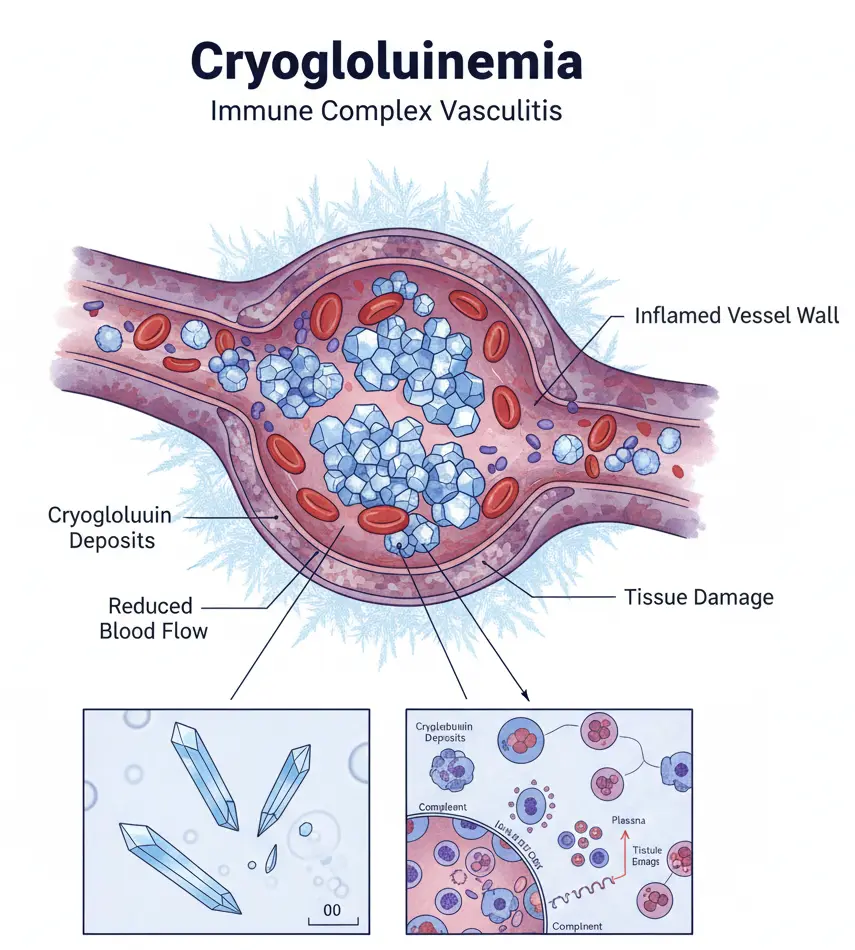
Cryoglobulinemia is a condition in which abnormal proteins in the blood, called cryoglobulins, become solid or gel-like at low temperatures. These proteins can block blood vessels and cause inflammation, leading to reduced blood flow to the skin, joints, nerves, and organs. Cryoglobulinemia is often associated with chronic infections, autoimmune diseases, or certain blood cancers. The condition can range from mild …
Croup
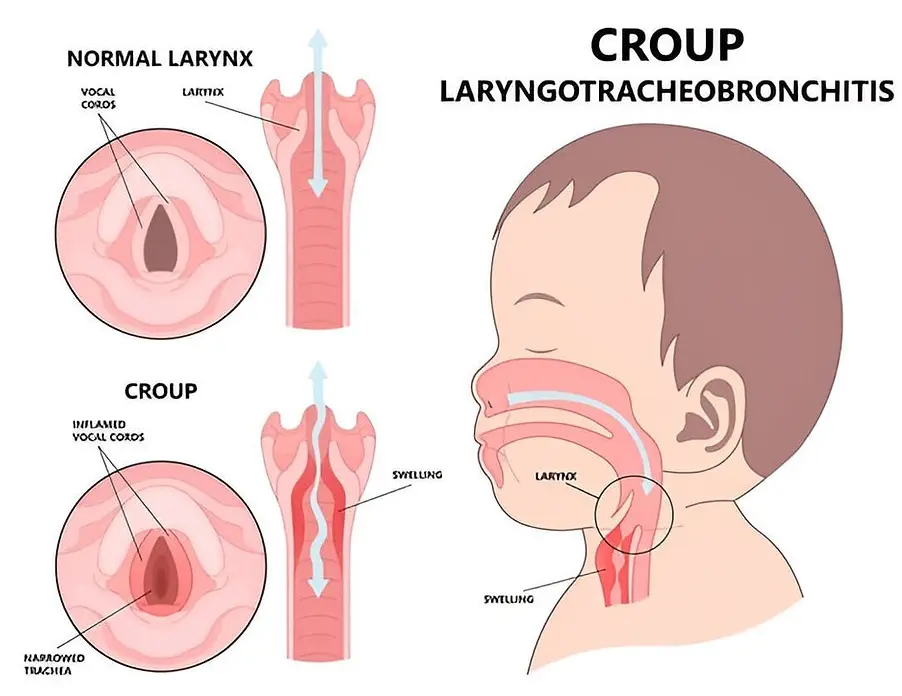
Croup is a common respiratory illness in young children that causes swelling of the upper airway, particularly around the voice box and windpipe. This swelling leads to a distinctive barking cough and hoarse voice. Croup is usually caused by a viral infection and is most common in infants and toddlers between 6 months and 3 years of age. Symptoms often …
Sudden Infant Death Syndrome (SIDS)
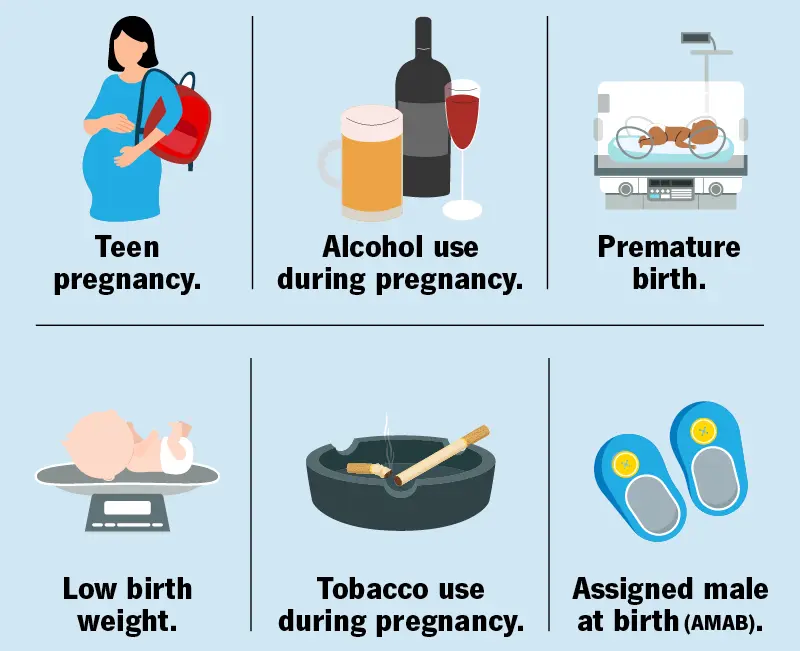
Sudden Infant Death Syndrome (SIDS) refers to the sudden and unexplained death of a seemingly healthy infant, usually during sleep and typically within the first year of life. It most commonly affects babies between 1 and 6 months of age. Despite thorough investigation, including autopsy and review of the infant’s medical history and sleep environment, the exact cause often remains …
Craniopharyngioma
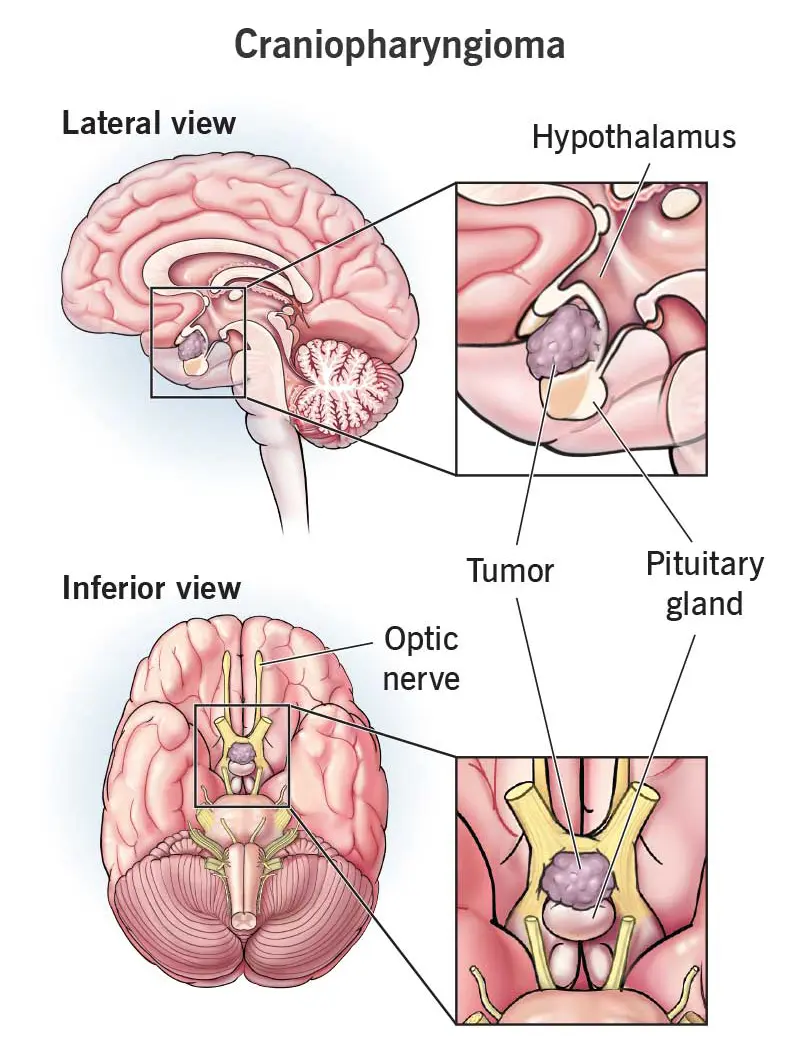
Craniopharyngioma is a rare, noncancerous brain tumor that develops near the pituitary gland, a small but critical structure at the base of the brain responsible for hormone regulation. Although benign, craniopharyngiomas can cause significant health problems because of their location near vital brain structures, including the optic nerves and hypothalamus. The condition can occur in both children and adults, with …
Menstrual Cramps
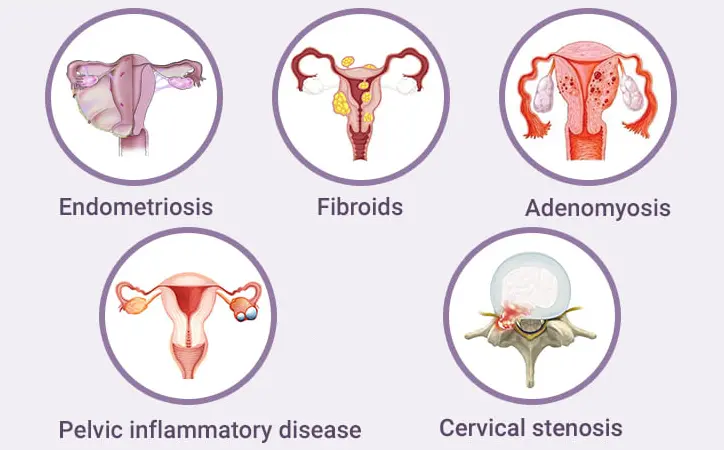
Menstrual cramps, also known as dysmenorrhea, are painful sensations felt in the lower abdomen before or during a menstrual period. The pain occurs due to uterine muscle contractions as the uterus sheds its lining. Menstrual cramps are common and can range from mild discomfort to severe pain that interferes with daily activities. They may occur on their own or be …
Muscle Cramp
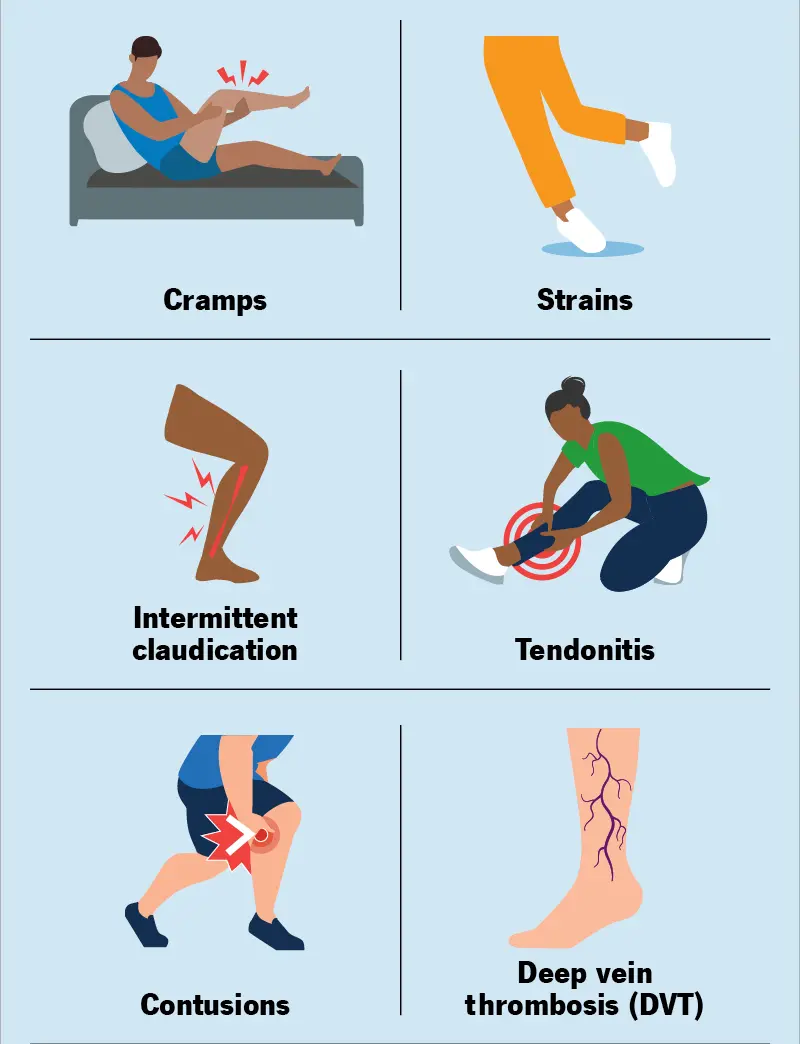
Muscle cramps are sudden, involuntary contractions of one or more muscles that can cause intense pain and temporary muscle tightness. They commonly occur in the legs, feet, hands, or calves and may last from a few seconds to several minutes. Muscle cramps can occur during activity, at rest, or even during sleep. While most muscle cramps are harmless and resolve …