Constipation in Children

admin

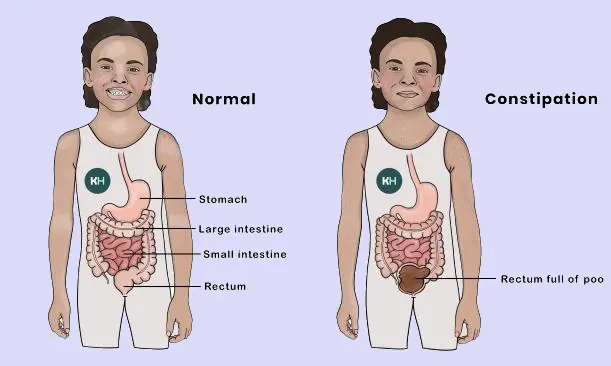
Constipation in children is a common digestive problem in which a child has infrequent bowel movements, hard stools, or difficulty passing stools. It can occur at any age, from infancy through adolescence, and is often temporary. In many cases, childhood constipation is related to diet, toilet habits, or routine changes rather than a serious medical condition. Symptoms Symptoms of constipation …
Constipation

admin

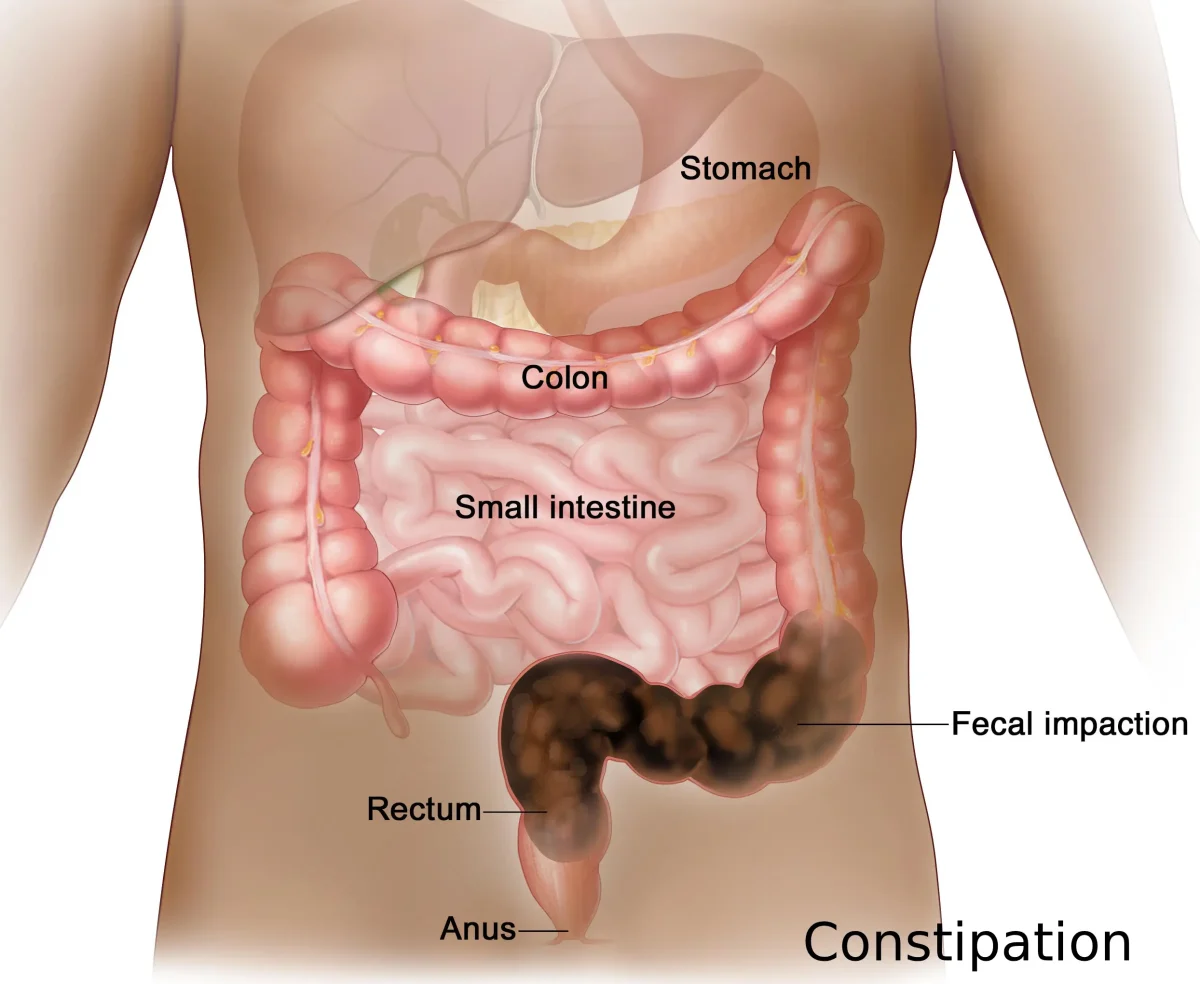
Constipation is a common digestive condition characterized by infrequent bowel movements, difficulty passing stools, or hard and dry stools. It can occur at any age and may be temporary or chronic. Constipation often results from dietary habits, lifestyle factors, or underlying medical conditions and can significantly affect comfort and quality of life. Symptoms Symptoms of constipation vary in severity and …

Pink Eye (Conjunctivitis)

admin

Pink eye is inflammation of the conjunctiva, a clear membrane layer that covers parts of your eyes and the inside of your eyelids. This condition is extremely common, partly because it happens for so many different reasons. Many of those reasons are also common. Pink eye can be acute (short-term), meaning it lasts under four weeks. Or it can be chronic (long-term), meaning it lasts …

Conjoined Twins

admin

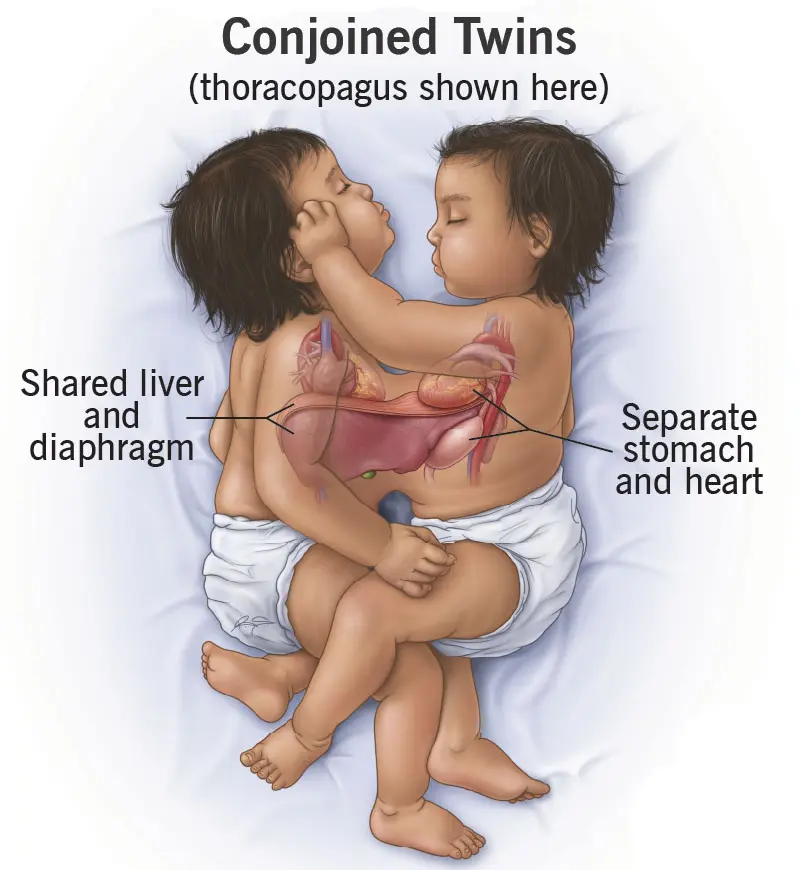
Conjoined twins are a rare congenital condition in which identical twins are physically connected to each other at birth. This occurs when a single fertilized egg only partially separates during early embryonic development. Conjoined twins are always identical and share some body structures or organs, with the extent of connection varying widely. The condition is rare and presents complex medical, …

Heart Failure

admin

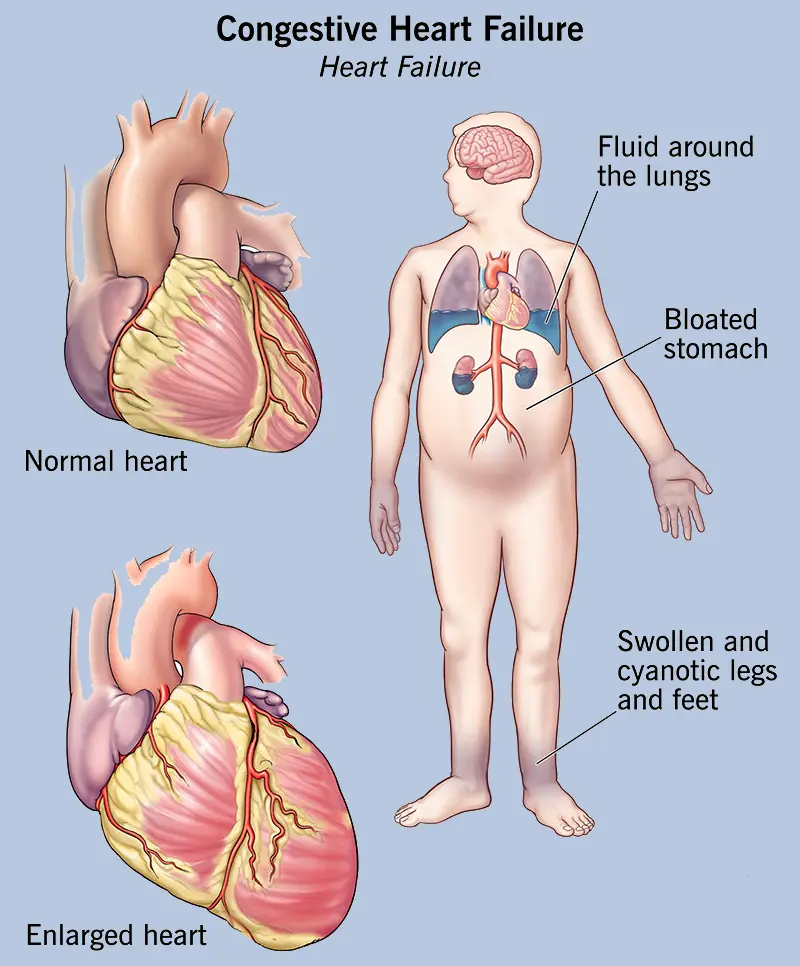
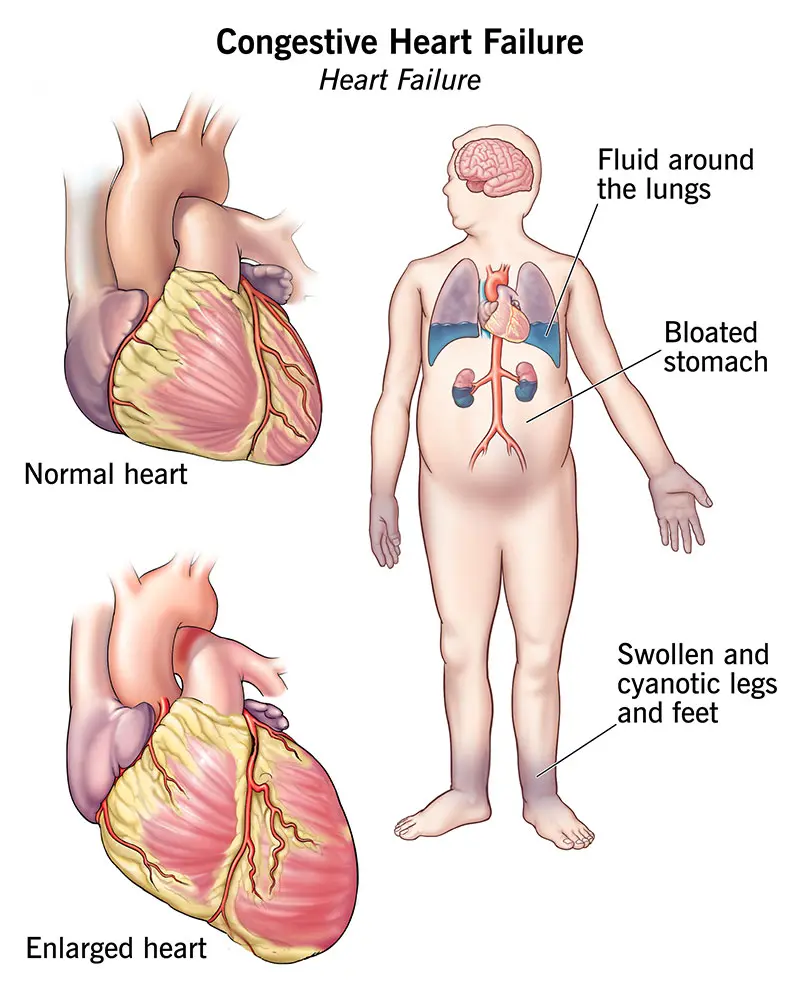
Heart failure is a chronic condition in which the heart is unable to pump blood efficiently enough to meet the body’s needs. This does not mean the heart has stopped working, but rather that it is weaker or stiffer than normal and cannot function properly. As a result, blood and fluids may back up in the lungs, legs, abdomen, and …

Craniosynostosis

admin

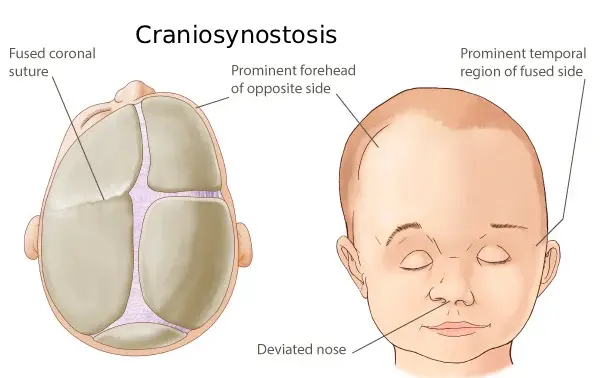
Craniosynostosis is a condition in which one or more of the fibrous joints between an infant’s skull bones, called sutures, close too early. Because an infant’s skull needs to expand to allow normal brain growth, premature suture fusion can lead to abnormal head shape and, in some cases, increased pressure inside the skull. Craniosynostosis may occur as an isolated condition …

Congenital Myasthenic Syndromes

admin

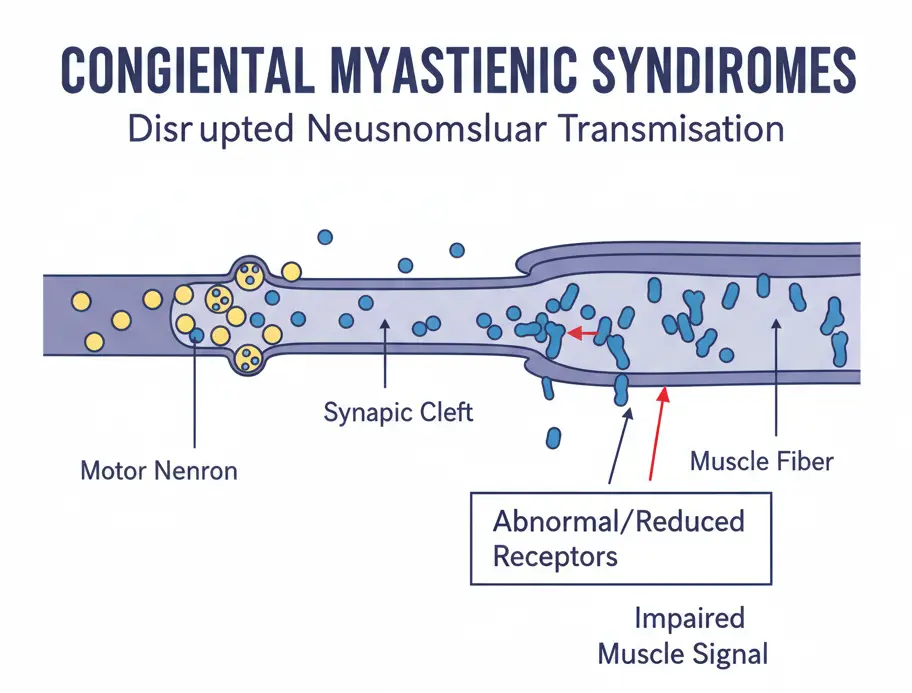
Congenital Myasthenic Syndromes (CMS) are a group of rare inherited neuromuscular disorders that affect the communication between nerves and muscles. These conditions are present from birth and result in impaired transmission of signals at the neuromuscular junction, leading to muscle weakness and fatigue. Unlike myasthenia gravis, CMS are not autoimmune disorders and do not involve antibodies. Symptoms Symptoms of congenital …

Congenital Mitral Valve Anomalies

admin

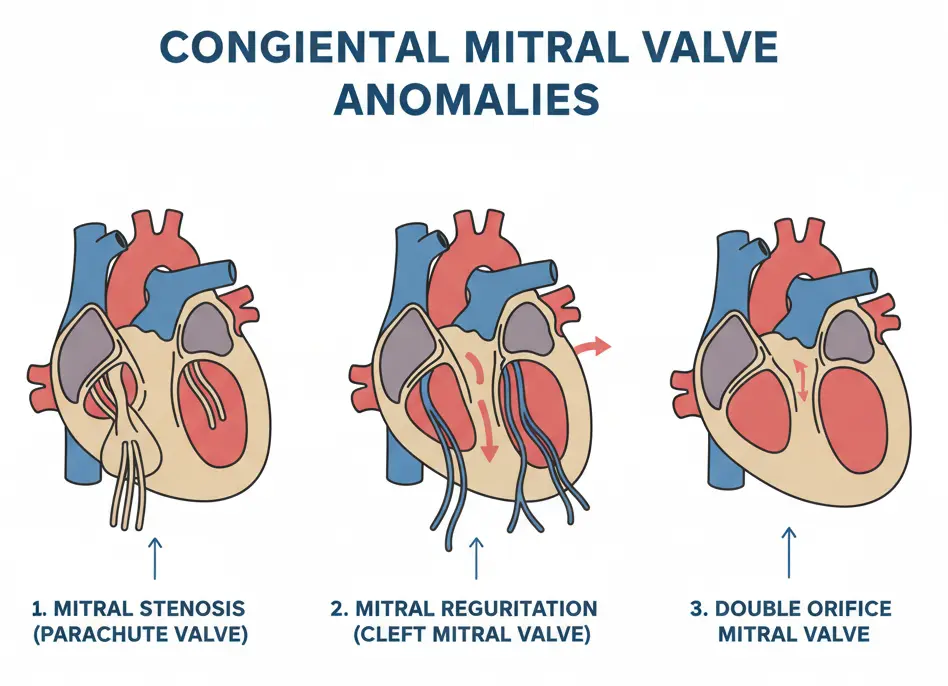
Congenital mitral valve anomalies are structural abnormalities of the mitral valve that are present at birth. The mitral valve controls blood flow between the left atrium and left ventricle of the heart. When this valve does not form normally, it can affect how efficiently blood moves through the heart. These anomalies range from mild defects that cause few symptoms to …

Hirschsprung’s Disease

admin

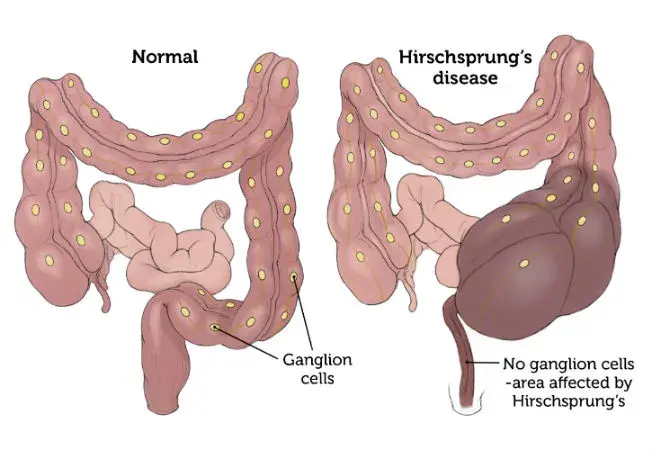
Hirschsprung’s Disease is a congenital condition that affects the large intestine (colon) and causes difficulty passing stool. It occurs when nerve cells, known as ganglion cells, are missing in parts of the bowel. These nerve cells are responsible for coordinating the muscle contractions that move stool through the intestines. Without these nerve cells, the affected portion of the colon cannot …

Congenital Heart Disease in Adults

admin

Congenital heart disease in adults refers to heart defects that are present from birth and persist into adulthood. Advances in diagnosis and treatment have allowed many individuals with congenital heart disease to survive into adult life, sometimes with repaired or partially corrected defects. These conditions can range from mild abnormalities with minimal symptoms to complex heart defects that require ongoing …