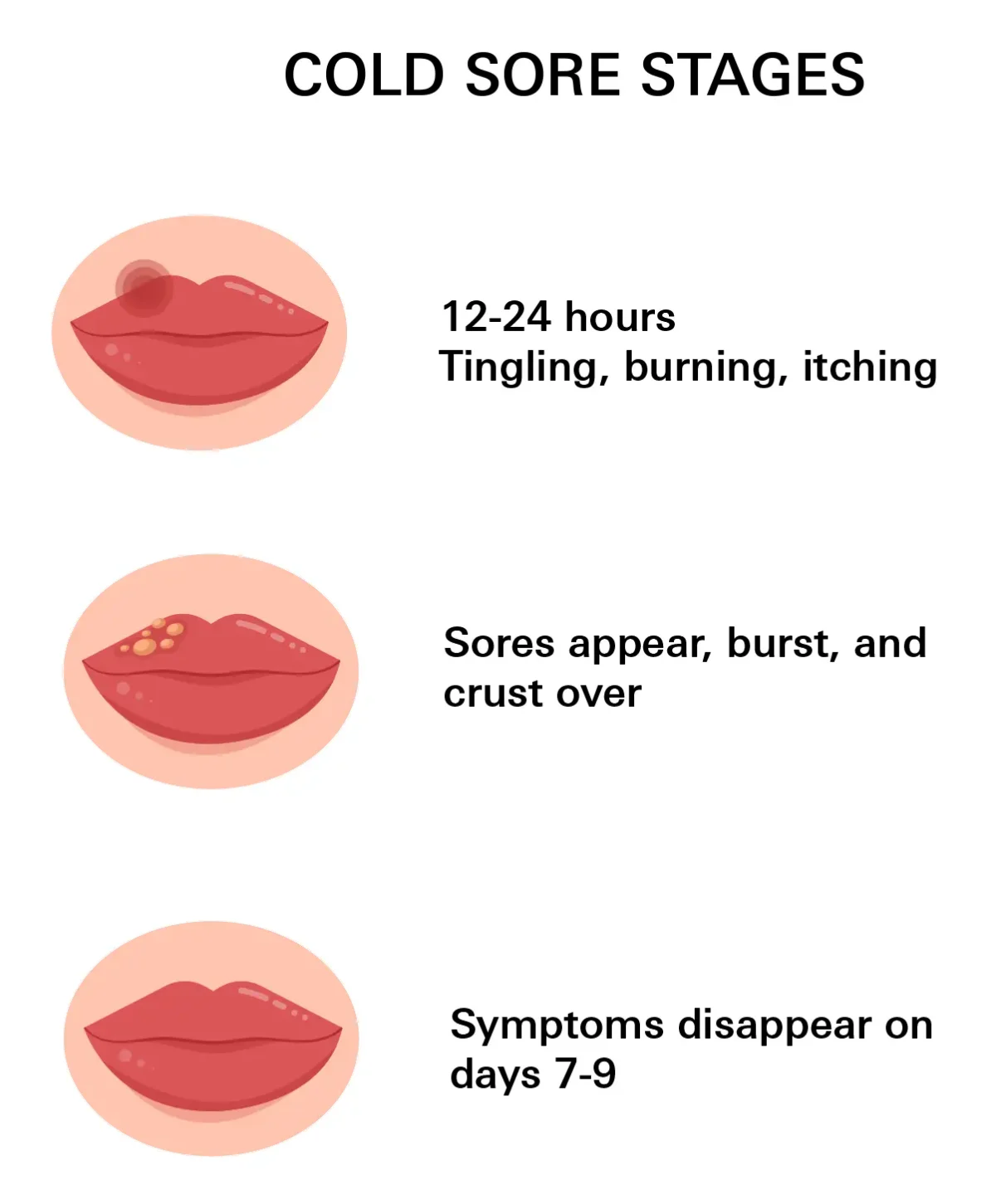
A cold sore, also known as a fever blister, is a small, fluid-filled blister that typically appears on or around the lips. It is caused by the herpes simplex virus (usually HSV-1) and is highly contagious, spreading through close personal contact, such as kissing or sharing utensils. Cold sores often recur because the virus remains dormant in nerve cells and …
Hypothermia
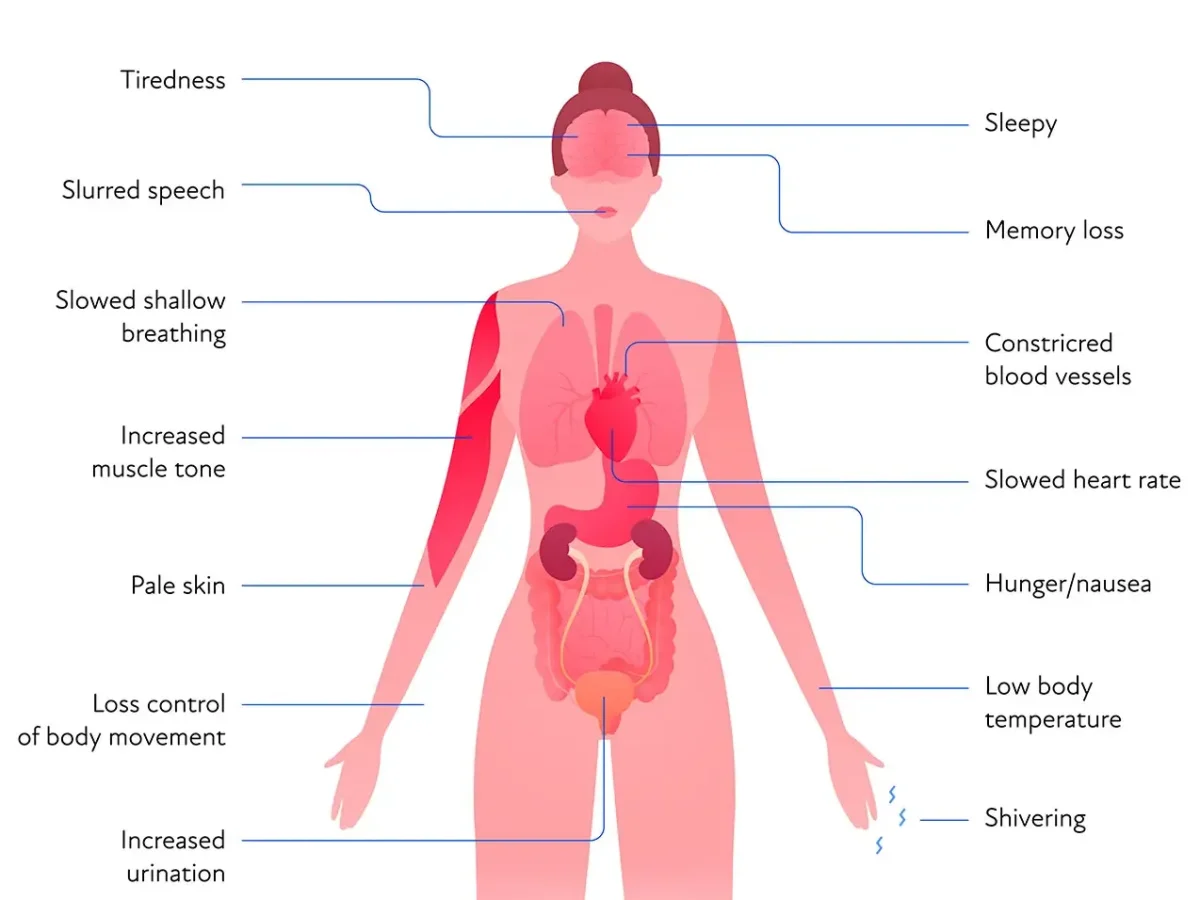
Hypothermia is a medical emergency that occurs when the body loses heat faster than it can produce it, causing a dangerously low body temperature. It is typically defined as a core body temperature below 35°C. Hypothermia can impair brain function and vital organs, making it difficult for the body to function normally, and can be life-threatening if not treated promptly. …
Cold Urticaria
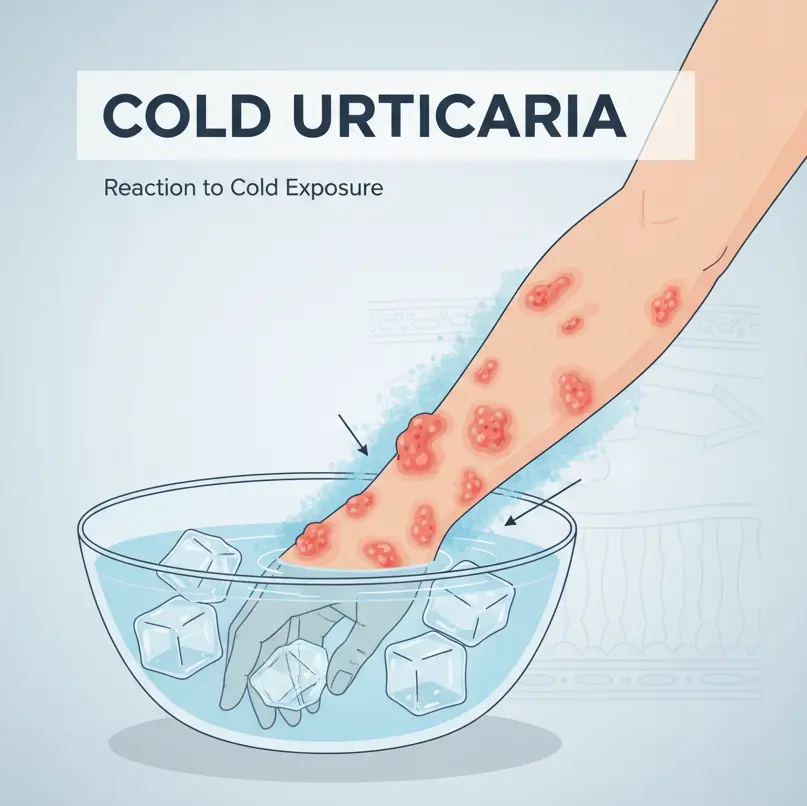
Cold urticaria is a type of physical allergy in which the skin develops hives or welts in response to cold exposure. The reaction can occur after contact with cold air, water, or objects, and in some cases, after consuming cold food or drinks. Symptoms usually appear within minutes of exposure and can range from mild to severe. While often manageable, …
Valley Fever
Valley fever, also known as coccidioidomycosis, is a fungal infection caused by inhaling spores of the Coccidioides fungus. This fungus lives in dry, dusty soil, particularly in certain regions such as the southwestern United States, parts of Mexico, and Central and South America. Infection occurs when fungal spores become airborne and are breathed into the lungs. Many people exposed to …
Atrial Fibrillation
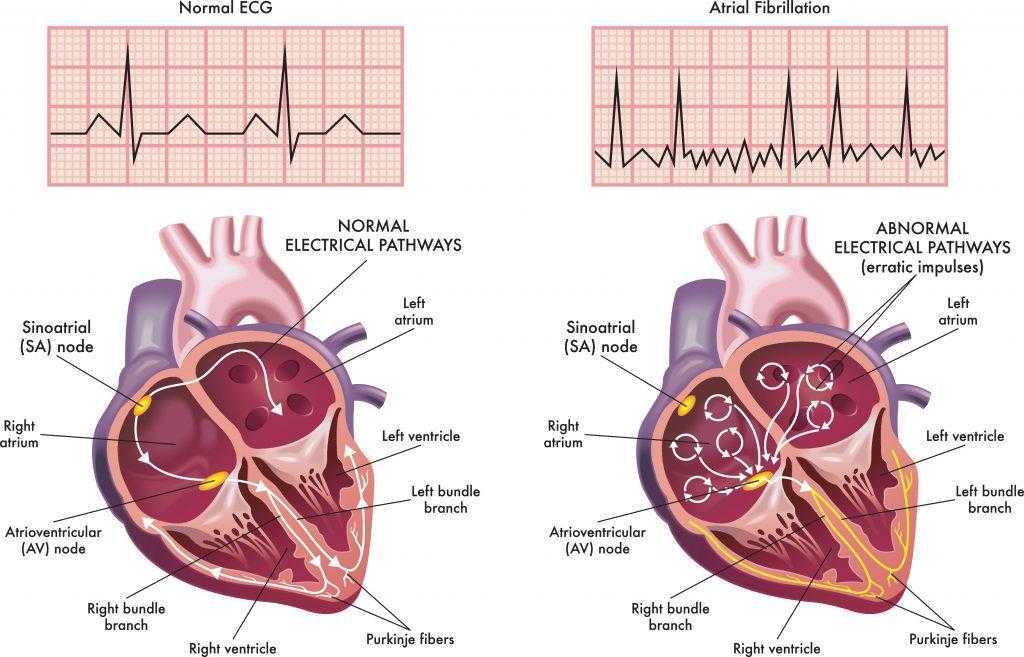
Diagnosis Atrial fibrillation (AFib) is often found during a routine health checkup or physical examination. To confirm the diagnosis, the healthcare professional listens to the heart, checks the pulse, and reviews personal and family medical history. Additional tests may be recommended to identify underlying causes such as heart disease or thyroid disorders. Tests to Diagnose AFib Blood testsThese are done …
Abdominal Aortic Aneurysm
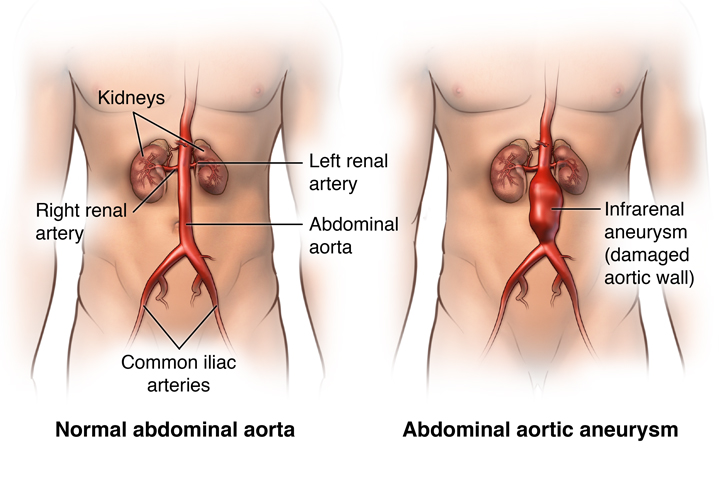
An abdominal aortic aneurysm (AAA) is a localized enlargement or bulging of the abdominal portion of the aorta, the major artery that carries blood from the heart to the rest of the body. The abdominal aorta extends through the chest and into the abdomen, where an aneurysm may form. A ruptured AAA can lead to severe internal bleeding and is …
Cluster Headache
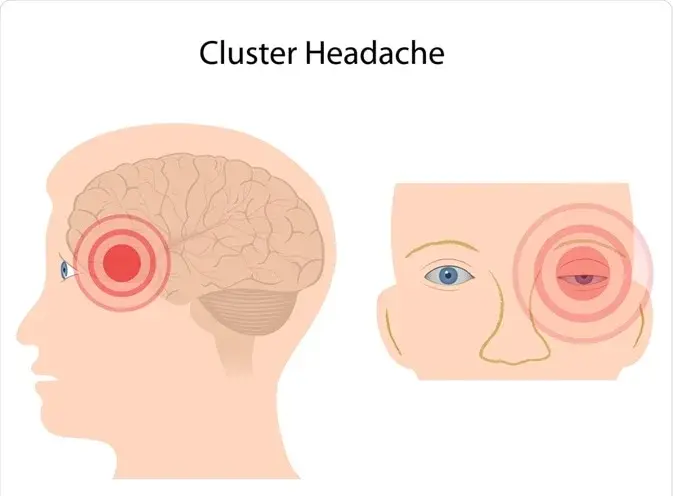
Cluster headache is a rare but extremely painful type of primary headache disorder characterized by repeated attacks of severe, one-sided head pain. The pain is typically centered around or behind one eye and occurs in clusters, meaning frequent attacks over weeks or months followed by periods of remission. Cluster headaches are often described as one of the most intense forms …
Clubfoot
Clubfoot, medically known as talipes equinovarus, is a congenital condition in which a baby is born with one or both feet twisted out of their normal position. The affected foot is usually turned inward and downward, making it difficult or impossible to place the sole flat on the ground without treatment. Clubfoot is present at birth and occurs due to …
Depression (Major Depressive Disorder)
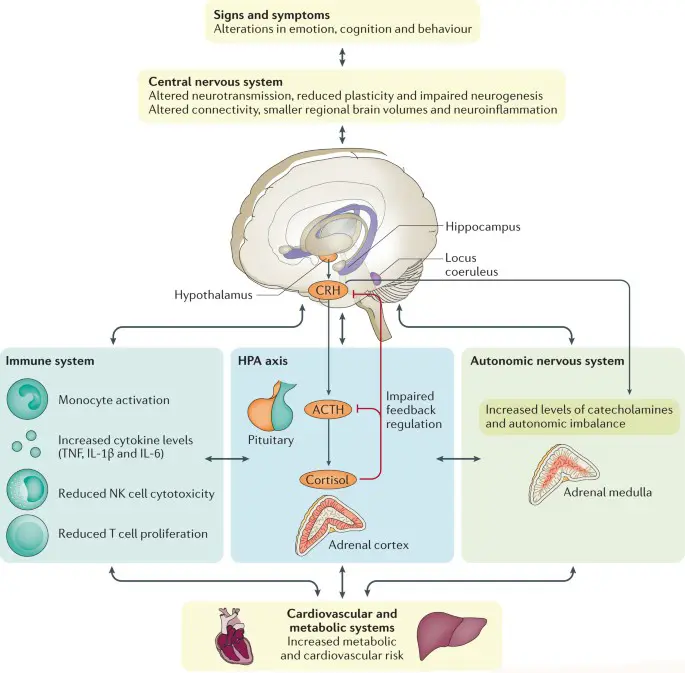
Depression, clinically known as Major Depressive Disorder, is a common and serious mental health condition characterized by persistent feelings of sadness, loss of interest, and emotional distress that interfere with daily functioning. It affects how a person thinks, feels, and behaves and can occur at any age. Depression is not a sign of weakness and often requires professional care for …
Cleft Lip and Cleft Palate
Cleft lip and cleft palate are congenital conditions that occur when a baby’s lip or the roof of the mouth does not form properly during early pregnancy. A cleft lip appears as an opening or split in the upper lip, while a cleft palate is an opening in the hard or soft palate of the mouth. These conditions may occur …