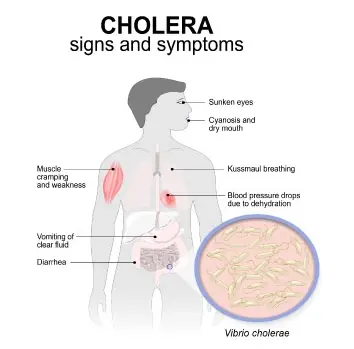
Cholera is an acute infectious disease caused by the bacterium Vibrio cholerae. It primarily affects the small intestine and leads to severe watery diarrhea and dehydration. Cholera is usually transmitted through contaminated water or food and is most common in areas with poor sanitation and limited access to clean drinking water. If not treated promptly, cholera can be life-threatening, but …
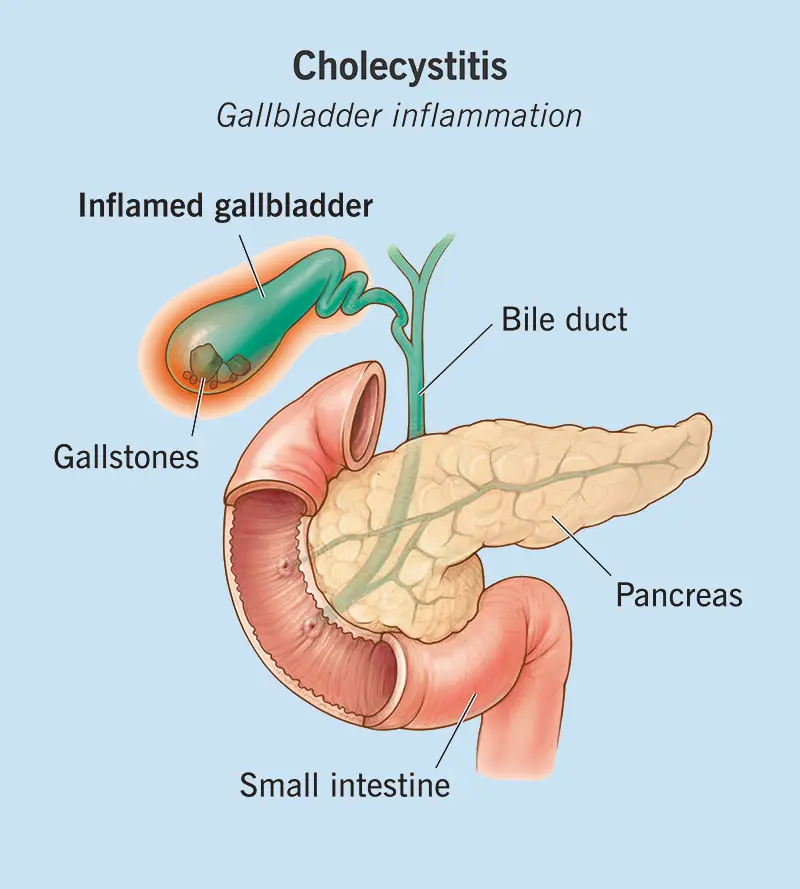
Cholecystitis
Cholecystitis is inflammation of the gallbladder, a small organ located beneath the liver that stores bile used for digestion. The condition most commonly occurs when gallstones block the cystic duct, causing bile to build up and irritate the gallbladder lining. Cholecystitis can be acute, developing suddenly, or chronic, resulting from repeated episodes of inflammation. Prompt diagnosis and treatment are important …
Primary Sclerosing Cholangitis
Primary sclerosing cholangitis (PSC) is a disease of the bile ducts. It causes chronic inflammation in your bile ducts (cholangitis), which eventually causes scarring (sclerosis). Scar tissue in your bile ducts causes them to narrow, which restricts the flow of bile through the ducts (biliary stricture). When bile can’t flow, it backs up into your liver, where it came from. This does …
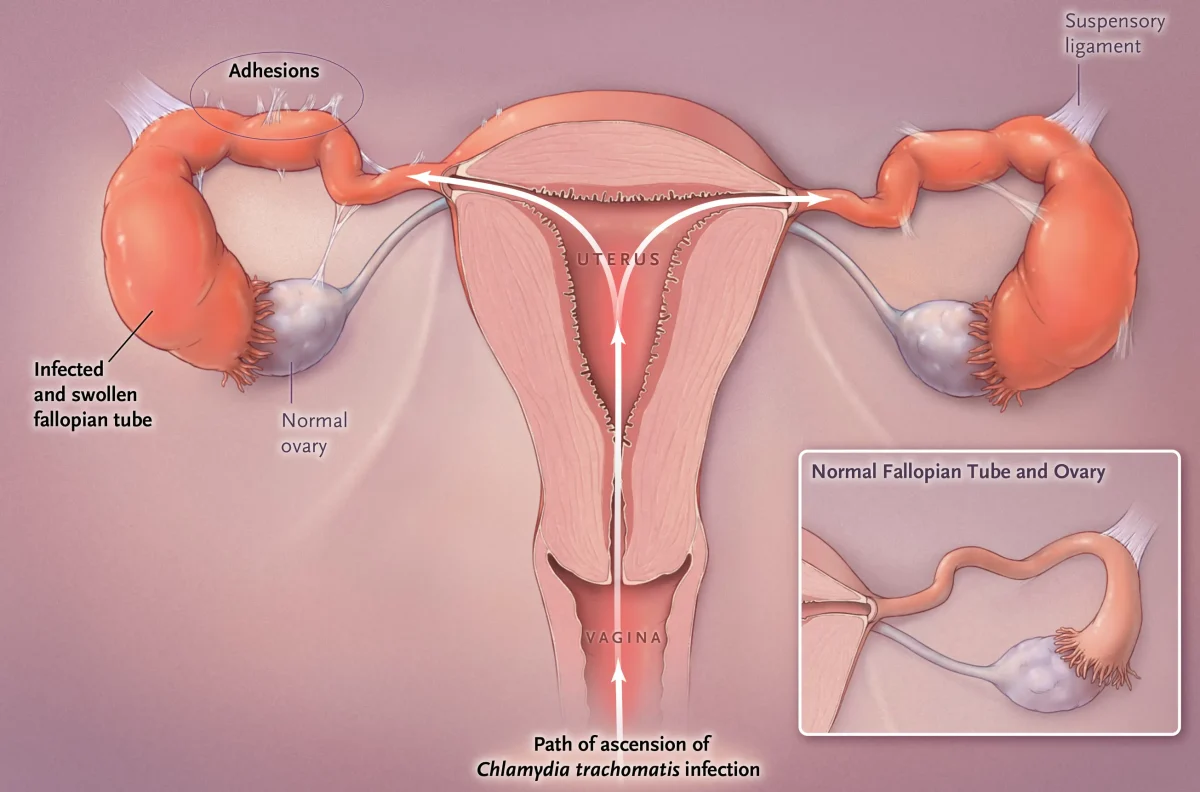
Chlamydia Trachomatis
Chlamydia trachomatis is a bacterial infection caused by the bacterium Chlamydia trachomatis. It is one of the most common sexually transmitted infections worldwide and often affects the genital tract, rectum, and eyes. Many infected individuals do not experience noticeable symptoms, which allows the infection to persist and spread unknowingly. If left untreated, chlamydia can lead to serious reproductive and systemic …
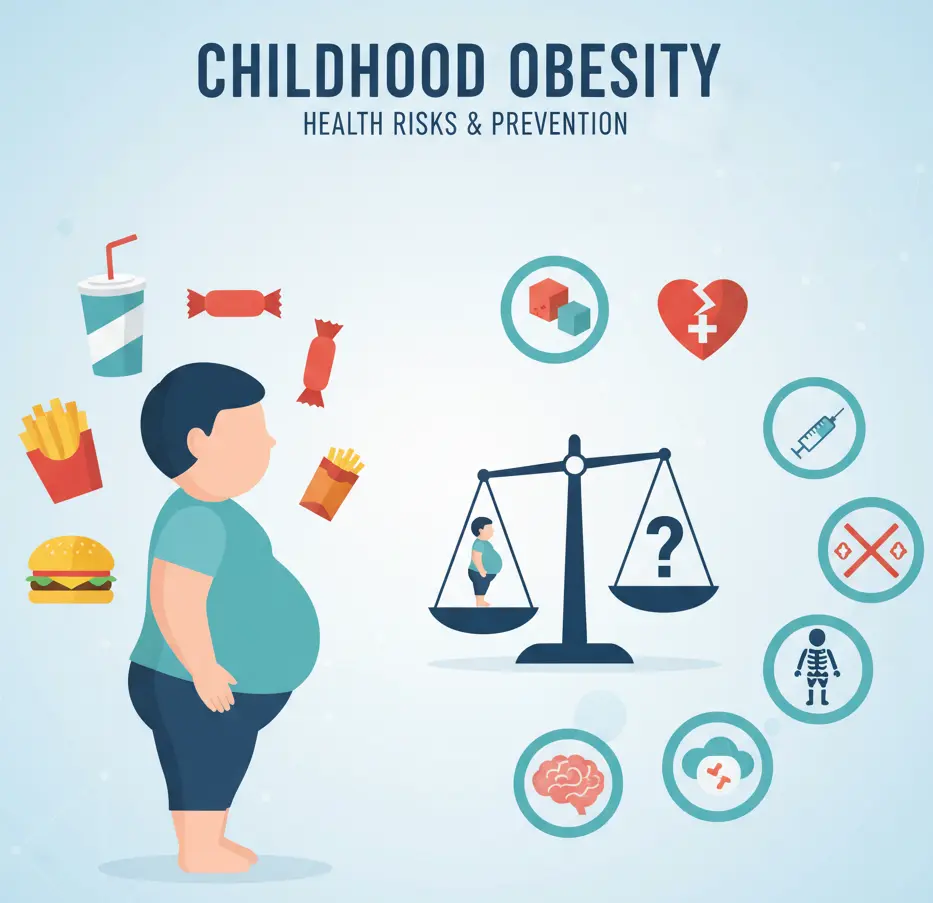
Childhood Obesity
Childhood obesity is a medical condition in which a child has excess body fat that negatively affects their health and well-being. It is typically identified when a child’s body mass index (BMI) is significantly higher than what is considered healthy for their age and sex. Childhood obesity has become increasingly common worldwide and is associated with both immediate and long-term …
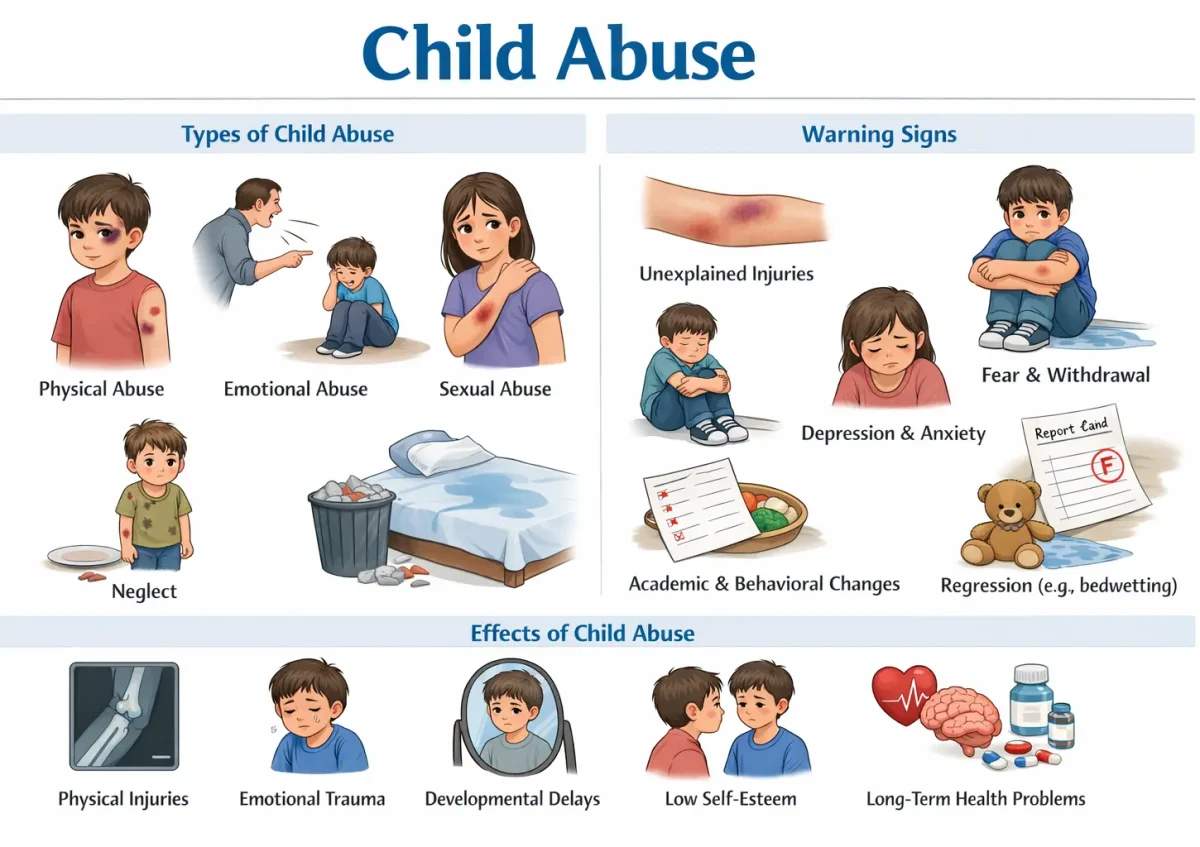
Child Abuse
Child abuse refers to any action or lack of action by a parent, caregiver, or other responsible adult that causes harm, potential harm, or threat of harm to a child. It can affect a child’s physical health, emotional well-being, development, and safety. Child abuse may occur in homes, schools, institutions, or communities and can have lifelong consequences if not identified …
Chilblains
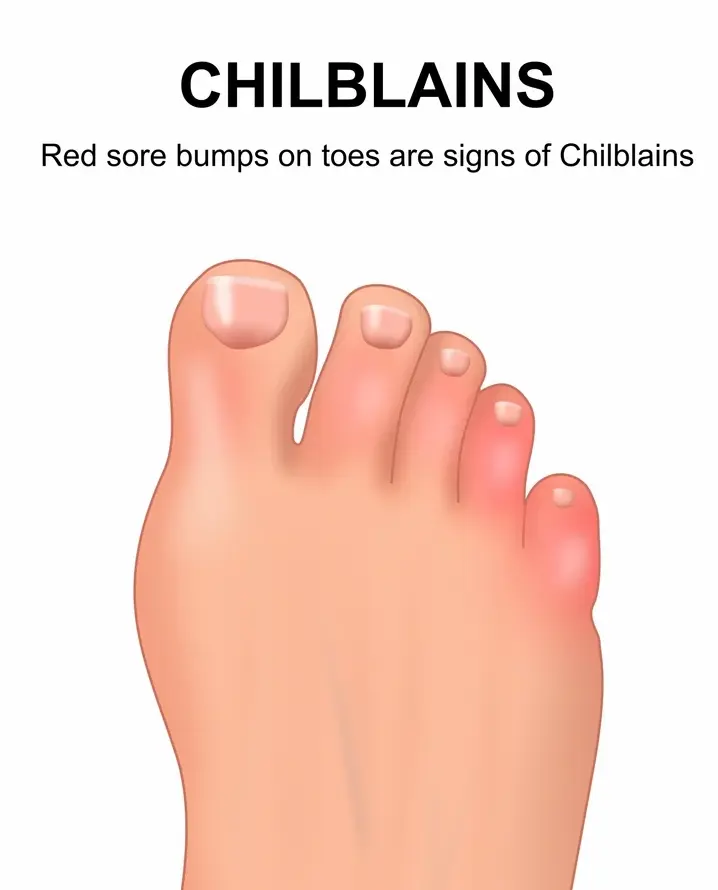
Chilblains, also known as pernio, are small, inflamed areas of skin that develop after exposure to cold, damp conditions. They occur due to an abnormal reaction of small blood vessels in the skin when exposed to cold temperatures and then rewarmed too quickly. Chilblains are not caused by freezing but can be uncomfortable and sometimes painful. They most commonly affect …
Costochondritis
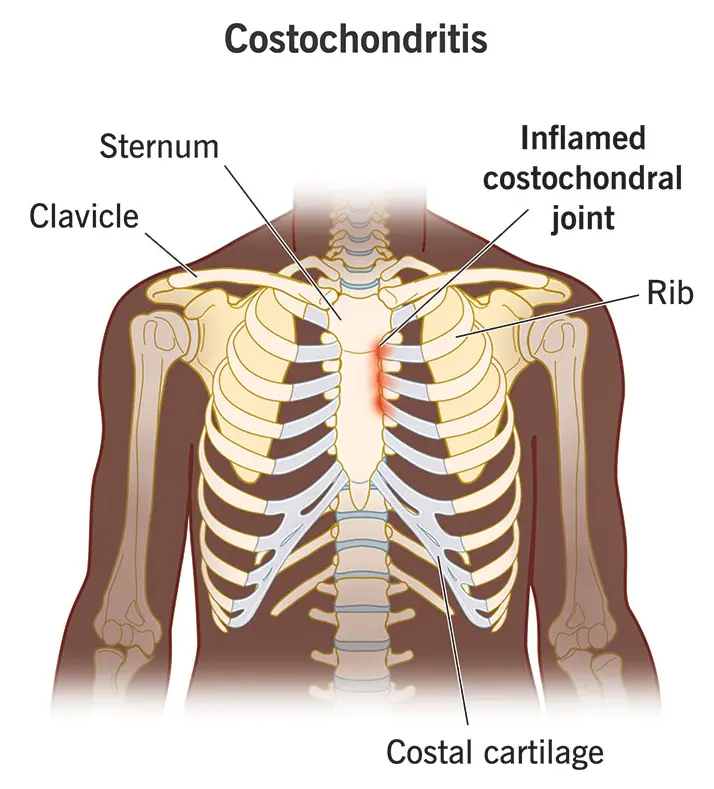
Costochondritis is an inflammation of the cartilage that connects the ribs to the breastbone (sternum). This condition commonly causes chest pain that may feel sharp, aching, or pressure-like and can sometimes be mistaken for heart-related pain. Although costochondritis can be uncomfortable and alarming, it is generally harmless and not related to heart disease. It can affect people of all ages …
Chest Pain
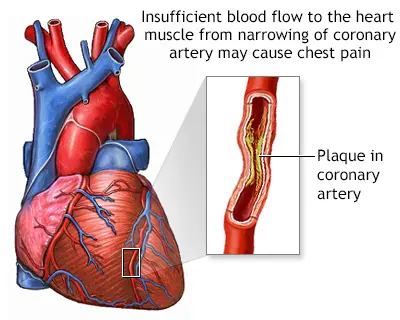
Chest pain is a common symptom that can range from mild discomfort to severe, life-threatening pain. It may originate from the heart, lungs, digestive system, muscles, bones, or nerves. While some causes of chest pain are harmless, others, such as heart attack or pulmonary embolism, require immediate medical attention. Because chest pain has many possible causes, proper evaluation is essential …
Chemo Brain
Chemo brain, also known as chemotherapy-related cognitive impairment, refers to changes in memory, concentration, and thinking abilities experienced by some people during or after cancer treatment. Although commonly associated with chemotherapy, similar cognitive symptoms can also occur with radiation therapy, hormone therapy, immunotherapy, or cancer itself. Chemo brain is usually temporary, but in some individuals, symptoms may persist for months …