Cataracts are cloudy areas that form on the lens of your eye. Your lens is a clear, flexible structure made mostly of proteins (crystallins). As you get older, the proteins in your lens break down, forming cloudy patches that affect your vision. You may feel as if you’re looking at the world through a dirty window. Over time, your vision gets …
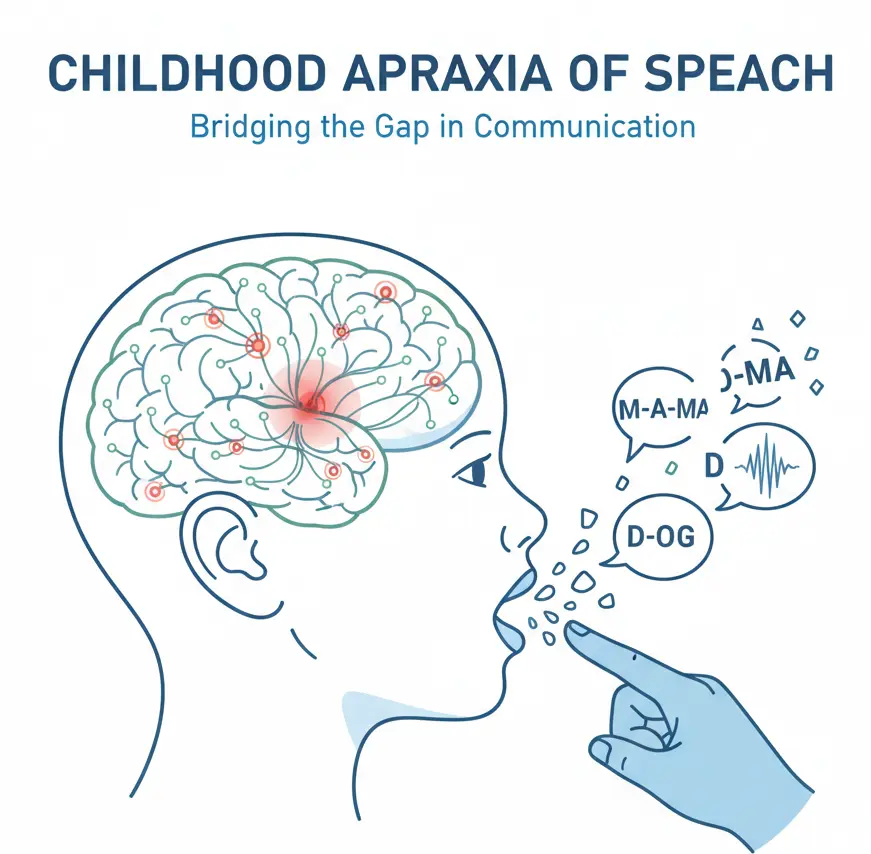
Childhood Apraxia of Speech
Childhood apraxia of speech (CAS) is a motor speech neurological (brain) condition that affects some young children as they learn to speak. Children with CAS know what they want to say, but are unable to form the words. What is the difference between childhood apraxia of speech, developmental verbal dyspraxia and developmental apraxia of speech? Childhood apraxia of speech, developmental …
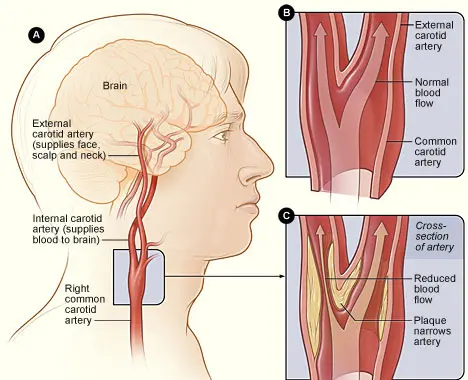
Carotid Artery Disease
Carotid artery stenosis is a condition that happens when your carotid artery, the large artery on either side of your neck, becomes blocked. The blockage is made up of a substance called plaque (fatty cholesterol deposits). When plaque blocks the normal flow of blood through your carotid artery, you’re at a higher risk of stroke. Plaque build-up is called atherosclerosis. You have two carotid …
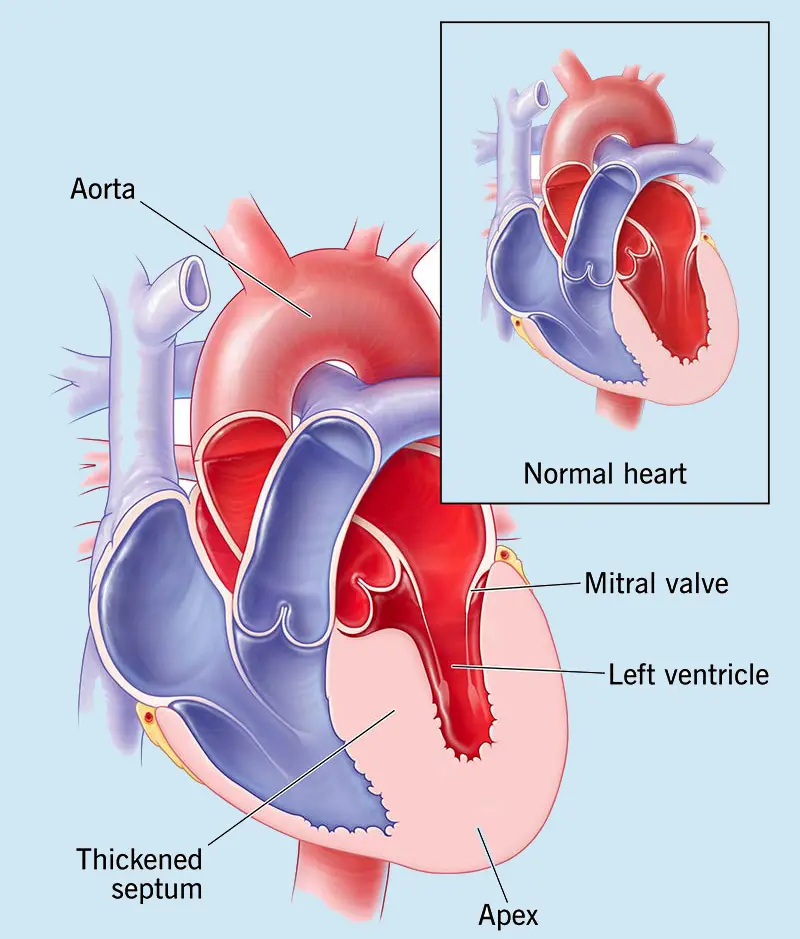
Hypertrophic Cardiomyopathy
Hypertrophic cardiomyopathy (HCM) is a complex type of heart disease that affects your heart muscle. It can cause: Thickening of your heart muscle (especially the ventricles or lower heart chambers). Left ventricular stiffness. Mitral valve changes. Cellular changes. How does hypertrophic cardiomyopathy (HCM) affect my body? Thickening of the heart muscle (myocardium) This occurs most commonly at your septum. The …
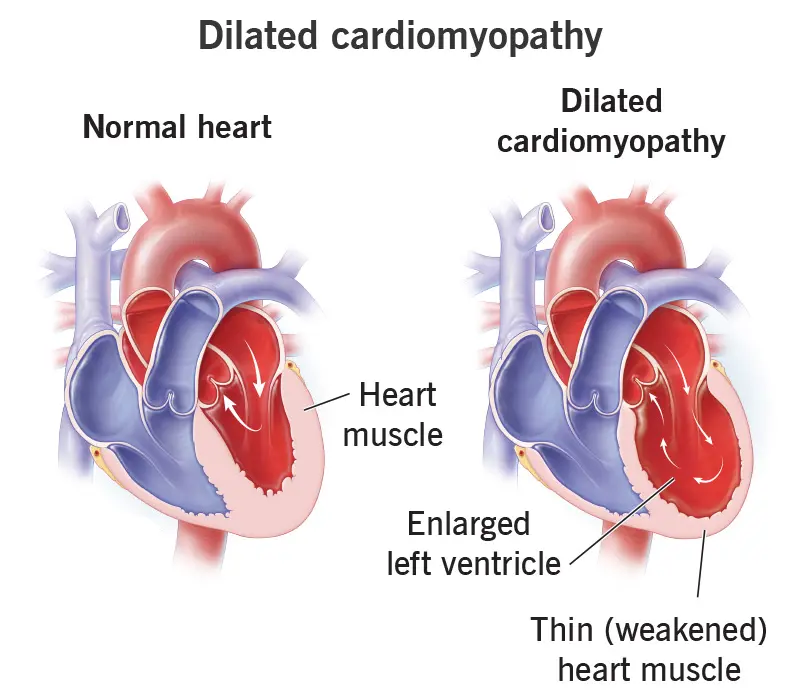
Dilated Cardiomyopathy
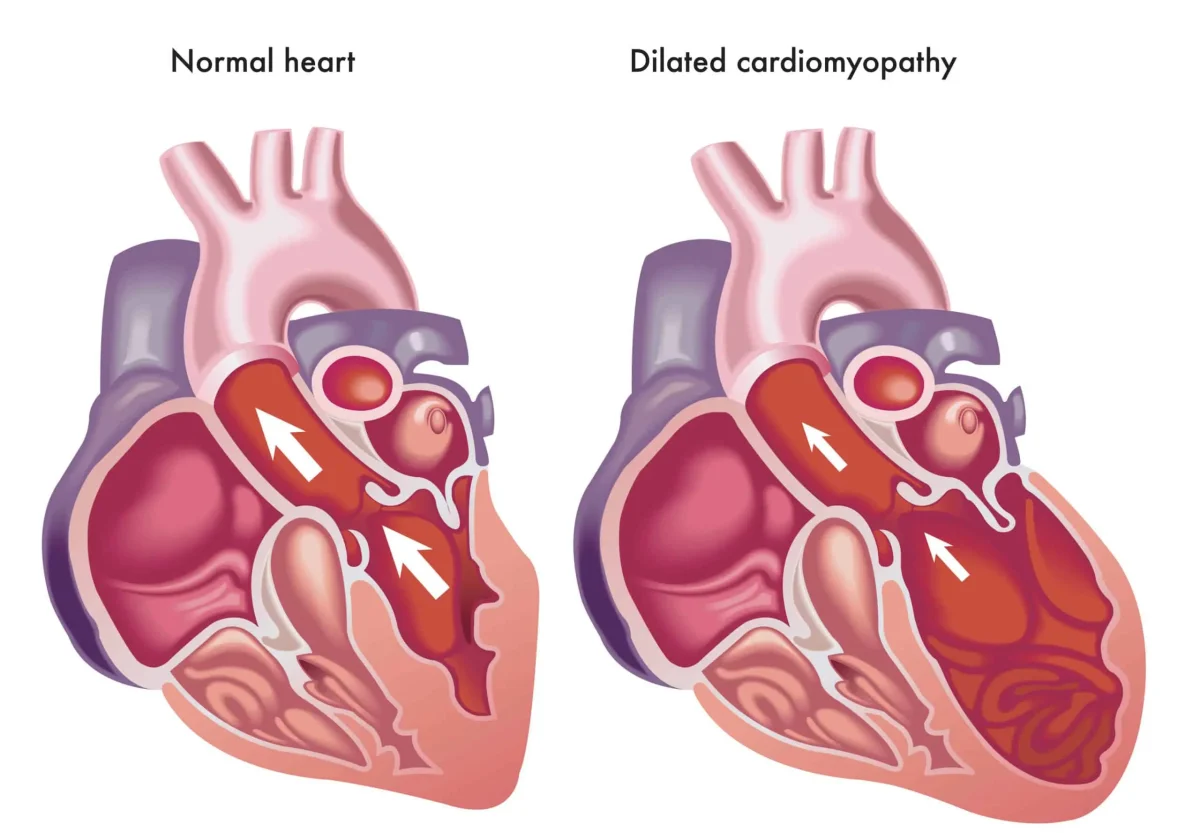
Dilated cardiomyopathy is an issue with your heart muscle stretching out and becoming larger than usual. It starts in your heart’s main pumping chamber (left ventricle). In severe cases, it affects more areas of your heart. With increased wall stress, the tissue in your left ventricle becomes enlarged and then thins. This causes it to pump with less force than it should. After each …
Cardiomyopathy
Cardiomyopathy is a disease that affects your myocardium (heart muscle). Cardiomyopathy can make your heart stiffen, enlarge or thicken and can cause scar tissue. As a result, your heart can’t pump blood effectively to the rest of your body. In time, your heart can weaken and cardiomyopathy can lead to heart failure. Treatment can help. Some people with cardiomyopathy eventually need a heart transplant. Types of cardiomyopathy …
Enlarged Heart
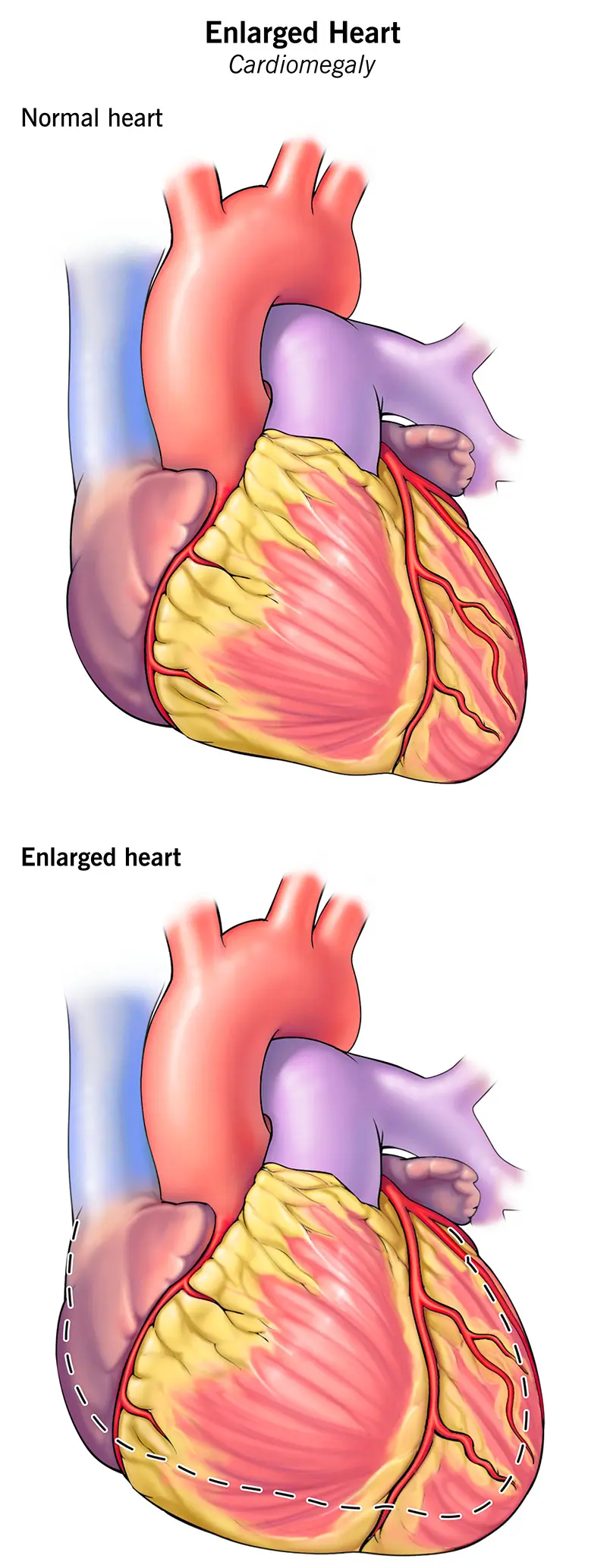
An enlarged heart (cardiomegaly) describes a heart that’s bigger than what is typical. Your heart may be unusually thick or dilated (stretched). An enlarged heart may be temporary or permanent, depending on the cause. Cardiomegaly can happen to your whole heart or just parts of it. Heart enlargement can be your heart’s reaction to something that forces it to use more effort …
Cardiogenic Shock
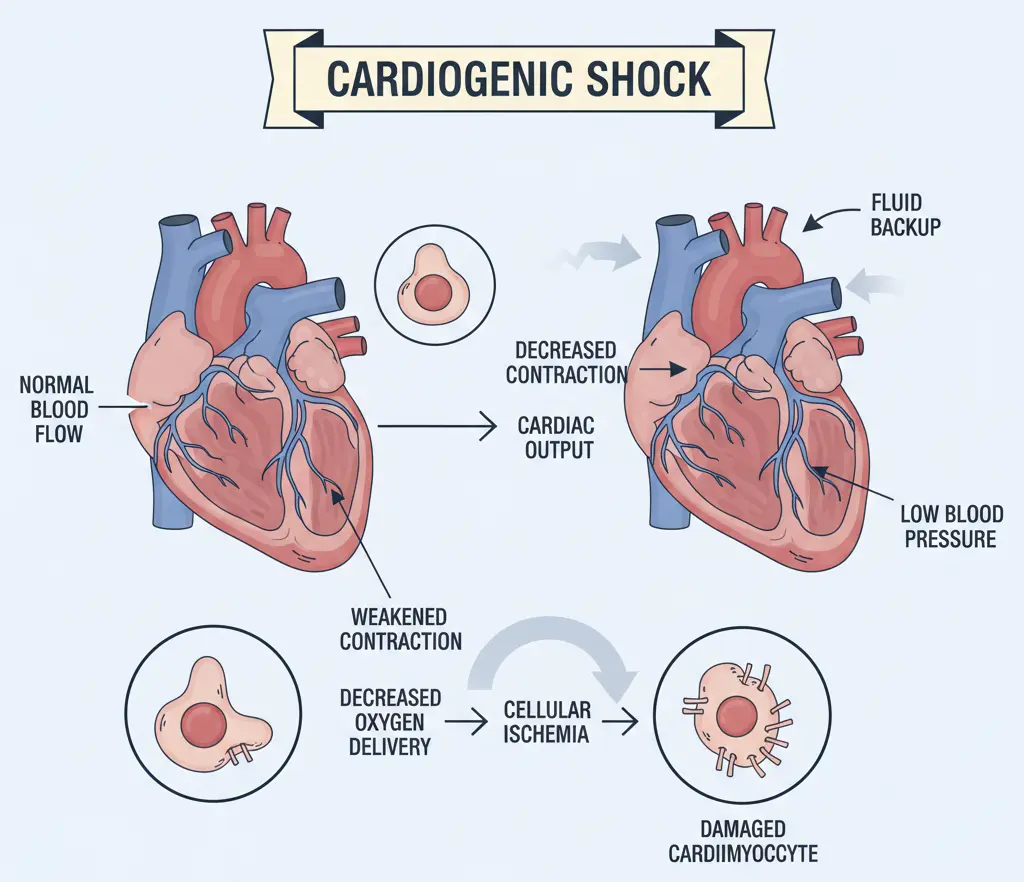
Cardiogenic shock is a serious condition that happens when your heart can’t supply enough oxygen-rich blood to your body to meet its needs. It can be fatal when a lack of oxygen causes your organs to fail. This condition is an emergency situation that requires immediate treatment in a hospital. Cardiogenic shock is most often caused by a heart attack or heart failure. What are …
Myocardial Ischemia
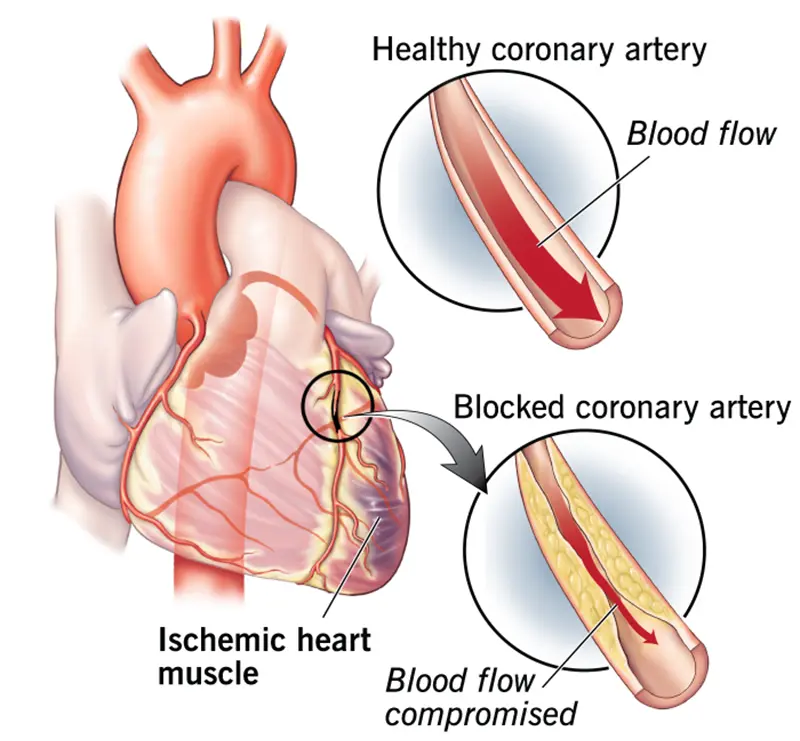
Myocardial ischemia (or cardiac ischemia) means your heart muscle is not getting enough blood (which contains oxygen and nutrients) to work as it should. If this lack of blood from your coronary arteries is severe or goes on for more than a few minutes, it can damage your heart muscle. Then it becomes a myocardial infarction (heart attack). A heart attack is an emergency. …
Sudden Cardiac Arrest
Cardiac arrest happens when your heart stops beating or beats so fast that it stops pumping blood. During cardiac arrest, people typically collapse and become unresponsive. Symptoms start without warning. This is why people also call it sudden cardiac arrest. This life-threatening condition can become fatal if you don’t get immediate treatment. During cardiac arrest (cardiopulmonary arrest), your heart isn’t pumping blood anymore. …