Soft Tissue Sarcoma

admin

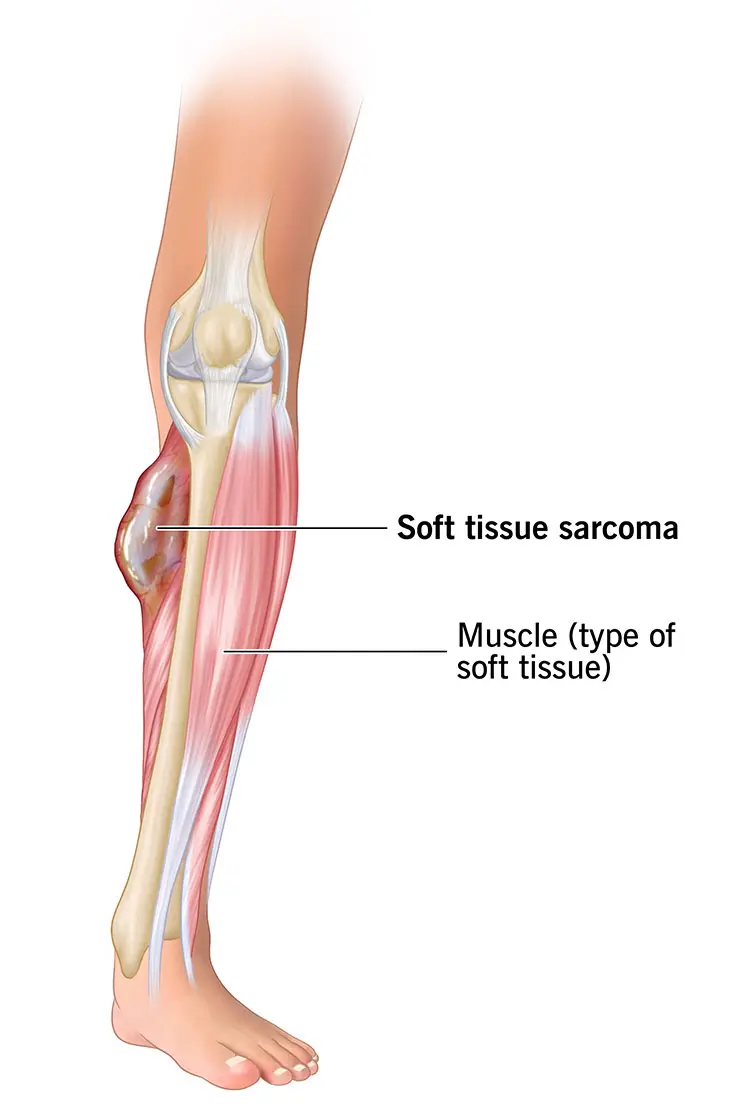
Soft tissue sarcoma is a rare group of cancers that develop in the body’s soft tissues. These tissues include muscles, fat, tendons, ligaments, nerves, blood vessels, and connective tissues. Soft tissue sarcomas can occur anywhere in the body but are most commonly found in the arms, legs, trunk, and abdomen. They often grow slowly and may not cause symptoms in …
Skin Cancer

admin

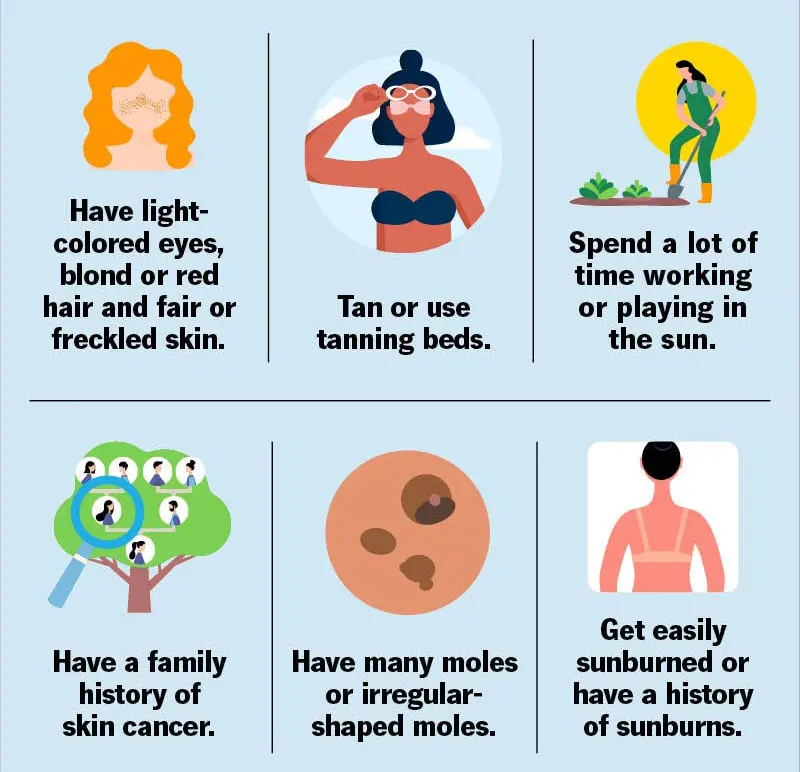
Skin cancer is a condition in which abnormal skin cells grow uncontrollably. It most often develops on areas of the skin exposed to sunlight, but it can occur anywhere on the body. Skin cancer is one of the most common types of cancer worldwide. Early detection is important, as most skin cancers can be successfully treated when found early. Symptoms …

Retinoblastoma

admin

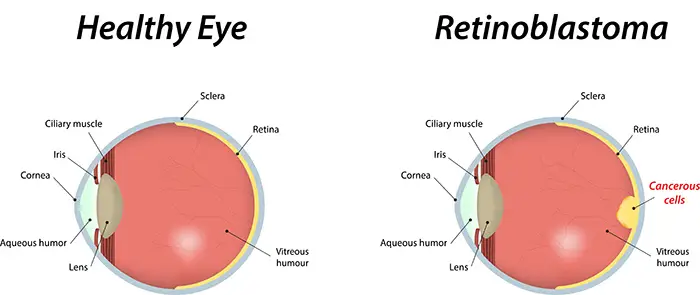
Retinoblastoma is a rare but serious type of eye cancer that develops in the retina, the light-sensitive tissue at the back of the eye. It most commonly affects infants and young children, usually before the age of five. The disease occurs when retinal cells grow uncontrollably, forming a tumor that can impair vision and, if untreated, spread beyond the eye. …

Rectal Cancer

admin

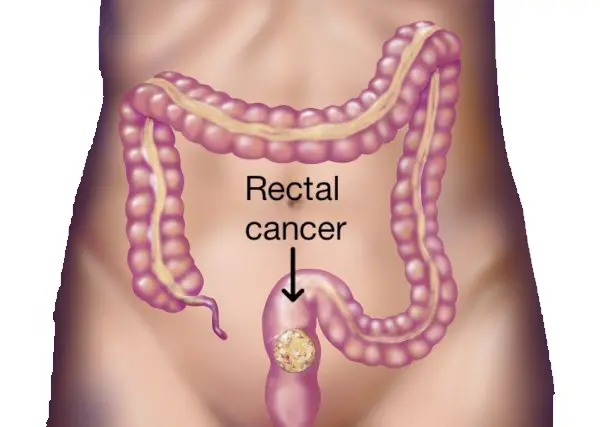
Rectal cancer is a type of colorectal cancer that develops in the rectum, the final portion of the large intestine located just before the anus. It occurs when abnormal cells grow uncontrollably in the rectal lining and form a malignant tumor. Rectal cancer often shares similarities with colon cancer but differs in location, treatment approach, and surgical considerations. Early detection …

Prostate Cancer

admin

Prostate cancer develops in the prostate, a small walnut-shaped gland located below the bladder and in front of the rectum in men and people assigned male at birth (AMAB). This tiny gland secretes fluid that mixes with semen, keeping sperm healthy for conception and pregnancy. Prostate cancer is a serious disease. Fortunately, most people with prostate cancer get diagnosed before it spreads beyond …

Paraneoplastic Syndromes of the Nervous System

admin

A paraneoplastic syndrome is a set of signs and symptoms that can occur when you have cancer. The symptoms develop when a malignant tumor causes changes in your body that aren’t directly caused by the cancer itself. The tumor may secrete a hormone or protein that affects a particular body system. Often with paraneoplastic syndromes, your immune system releases antibodies to destroy the tumor. …

Pancreatic Cancer

admin

Pancreatic cancer occurs when cells in your pancreas mutate (change) and multiply out of control, forming a tumor. Your pancreas is a gland in your abdomen (belly), between your spine and stomach. It makes hormones that control blood-sugar levels and enzymes that aid in digestion. Most pancreatic cancers start in the ducts of your pancreas. The main pancreatic duct (the duct of Wirsung) connects your pancreas to your common bile …

Ovarian Cancer

admin

Ovarian cancer occurs when abnormal cells in your ovaries or fallopian tubes grow and multiply out of control. Ovaries are part of the female reproductive system. These two round, walnut-sized organs make eggs during your reproductive years. Who gets ovarian cancer? Ovarian cancer affects women and people assigned female at birth (AFAB). It’s slightly more common in Native American and white populations …

Non-Hodgkin Lymphoma

admin

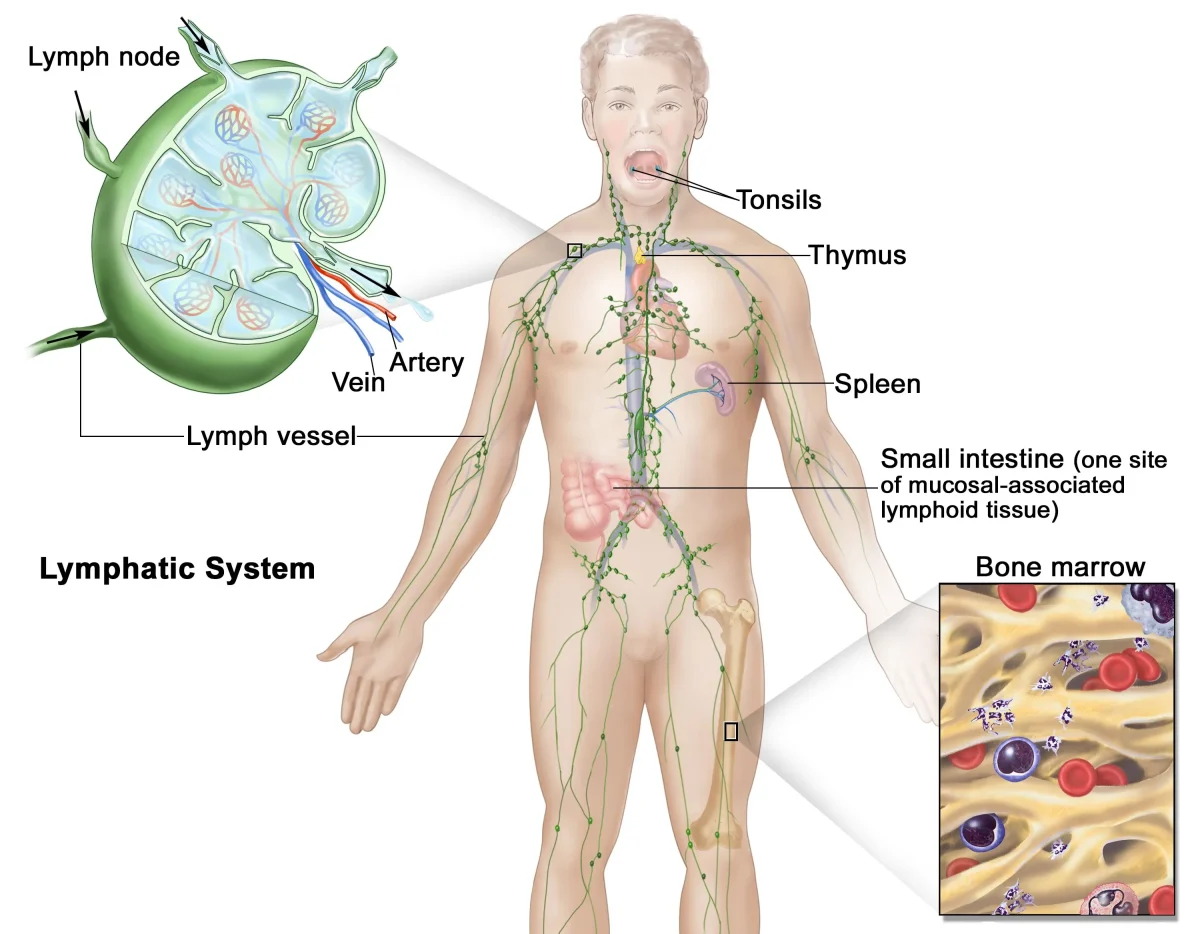
Non-Hodgkin lymphoma is a group of cancers that begin in the lymphatic system, which is part of the body’s immune system. It develops when lymphocytes, a type of white blood cell, grow abnormally and multiply uncontrollably. Non-Hodgkin lymphoma can arise in lymph nodes as well as in other organs such as the spleen, bone marrow, or digestive tract. The disease …

Neuroblastoma

admin

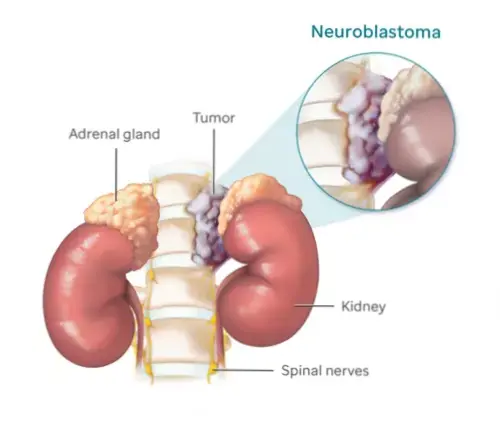
Neuroblastoma is a rare type of cancer that develops from immature nerve cells, most commonly in and around the adrenal glands, which sit above the kidneys. It primarily affects infants and young children, usually under the age of 5. Neuroblastoma can also develop in nerve tissue along the spine, chest, abdomen, or pelvis. The behavior of this cancer varies widely, …