Pediatric brain tumors are growths of cells that start in or near the brain in children. The growths, called tumors, can grow to press on nearby parts of the brain. This can cause symptoms, such as headaches and nausea. Many types of pediatric brain tumors exist. Some grow quickly, and some grow slowly. Some are cancerous, and some aren’t cancerous. …

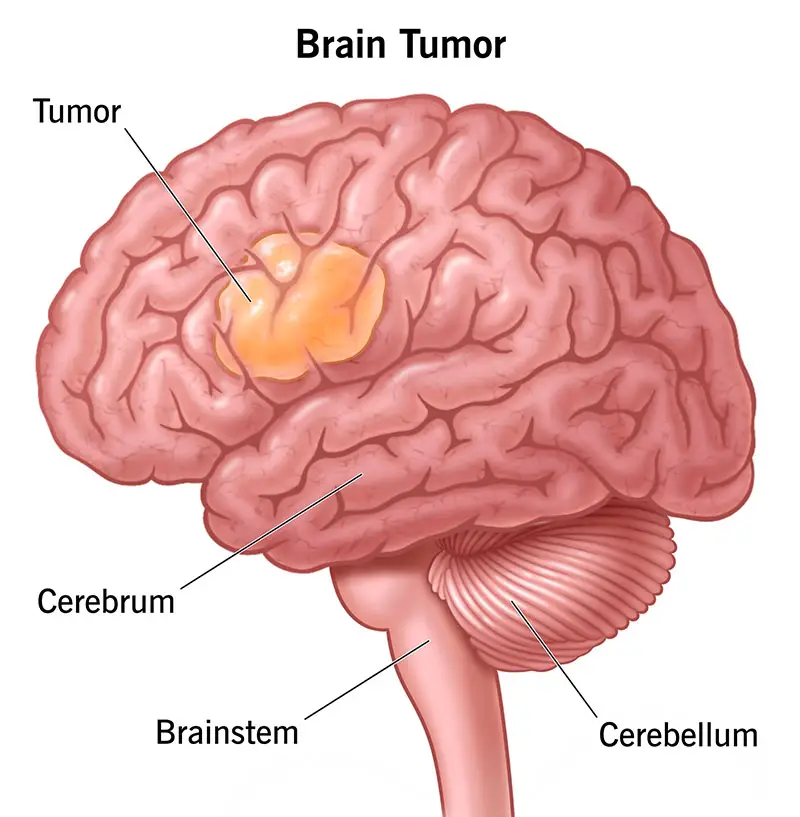
Brain Tumor
A brain tumor is an abnormal growth of cells within the brain or surrounding tissues. Brain tumors can be benign, meaning noncancerous, or malignant, meaning cancerous. They may originate in the brain or spread from other parts of the body. Brain tumors can affect brain function by increasing pressure within the skull or interfering with normal nerve activity. Early diagnosis …
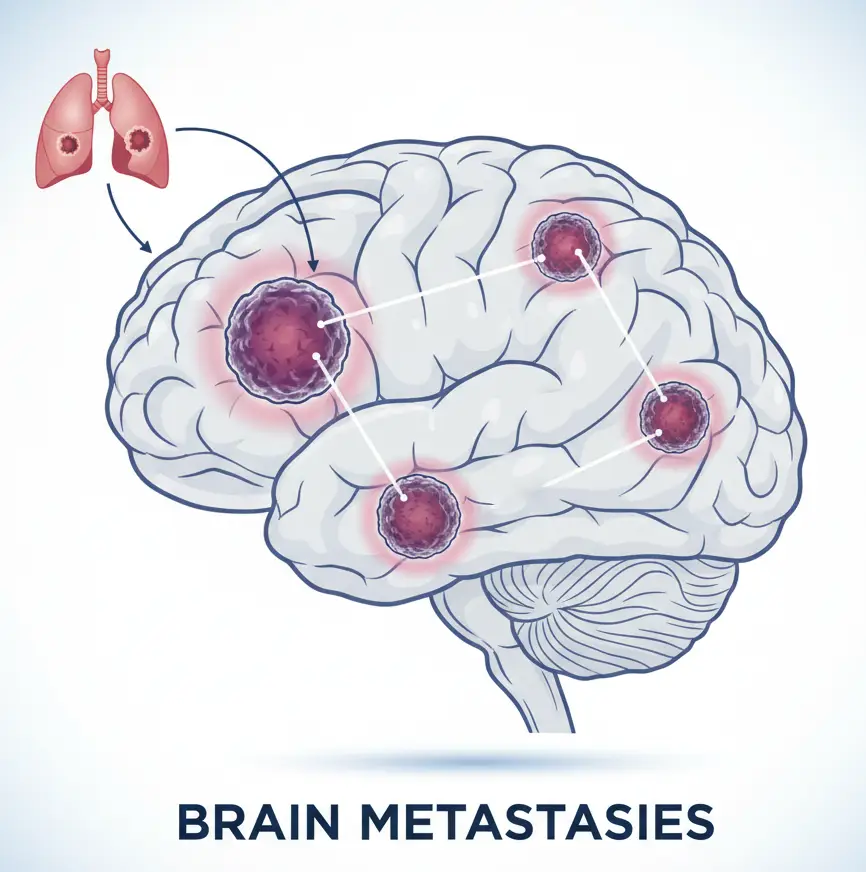
Brain Metastases
Brain metastases occur when cancer cells spread to the brain from another part of the body. They are the most common type of brain tumor in adults and usually develop from cancers such as lung, breast, melanoma, kidney, or colorectal cancer. Brain metastases can affect brain function by increasing pressure inside the skull or damaging surrounding brain tissue. Early diagnosis …
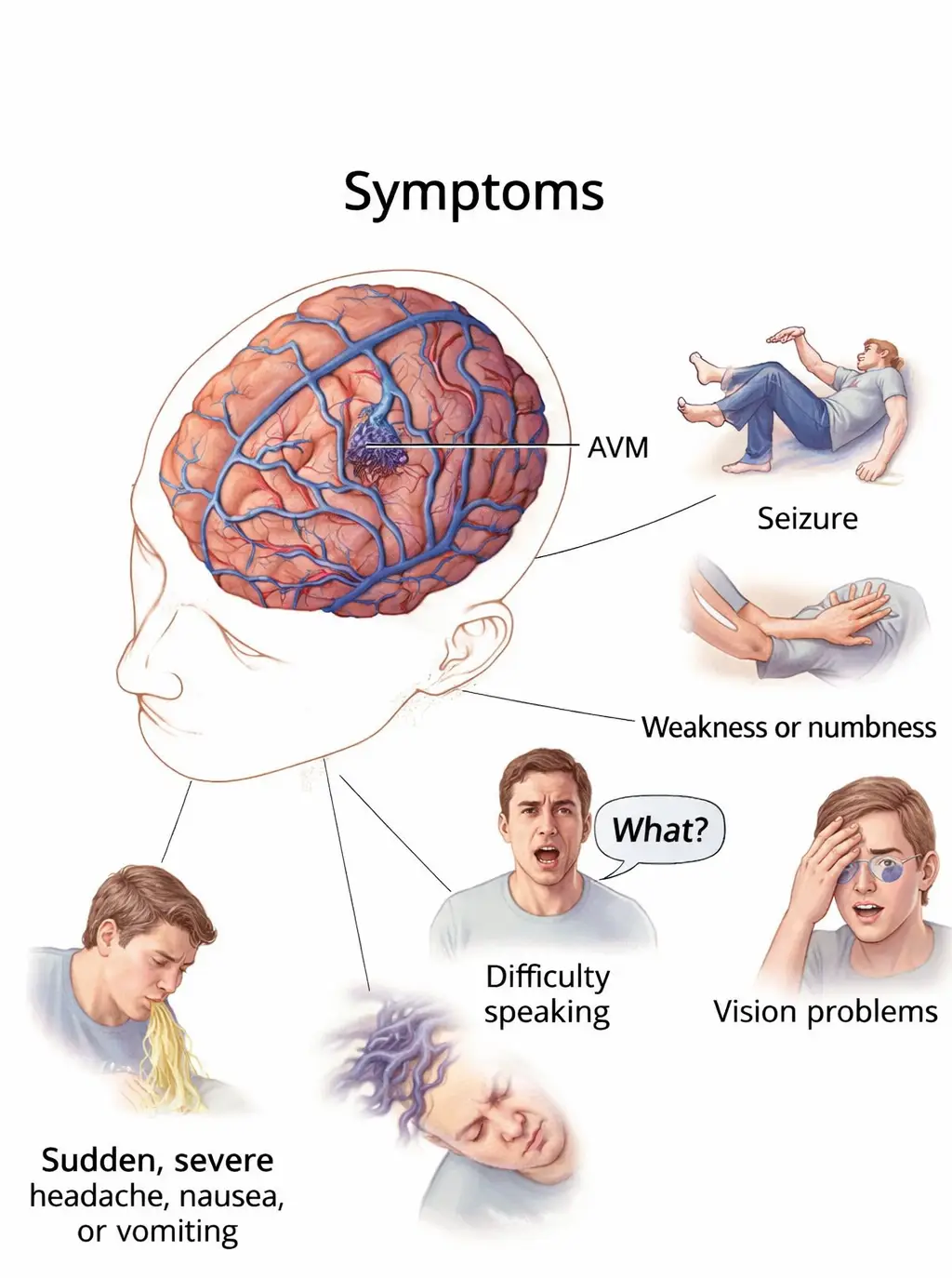
Brain AVM (Arteriovenous Malformation)
Brain arteriovenous malformation is an abnormal connection between arteries and veins in the brain that bypasses the normal capillary system. This disrupts normal blood flow and oxygen delivery to brain tissue. Brain AVMs are often present at birth and may remain undetected for years. However, they can rupture and cause bleeding in the brain, making early diagnosis and proper management …
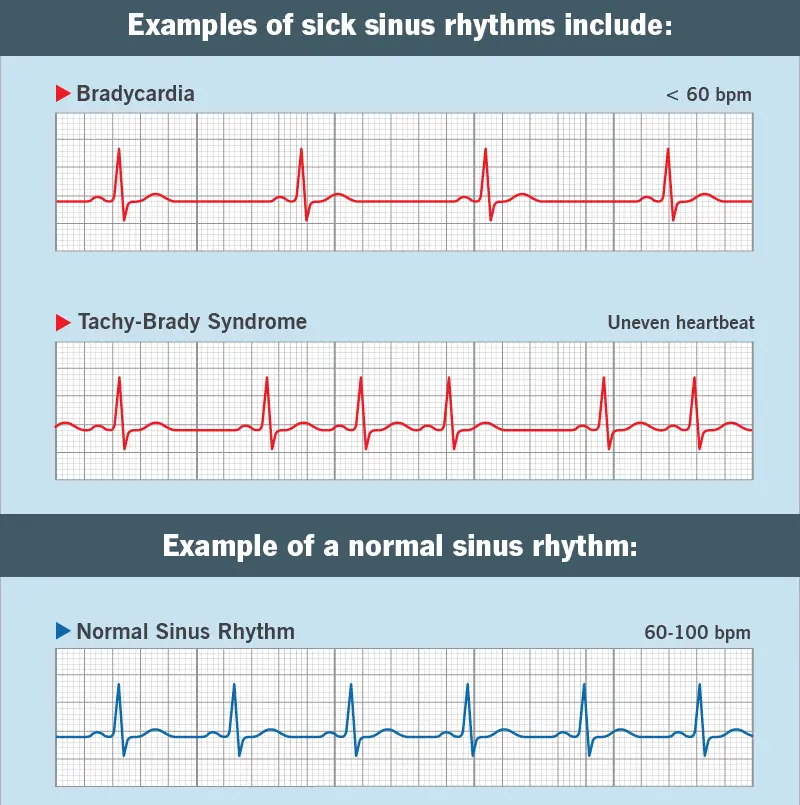
Sick Sinus Syndrome
Sick sinus syndrome is a group of heart rhythm disorders caused by problems with the heart’s natural pacemaker, known as the sinus node. The sinus node controls the rate and rhythm of the heartbeat. When it does not function properly, the heart may beat too slowly, too fast, or irregularly. Sick sinus syndrome is more common in older adults and …
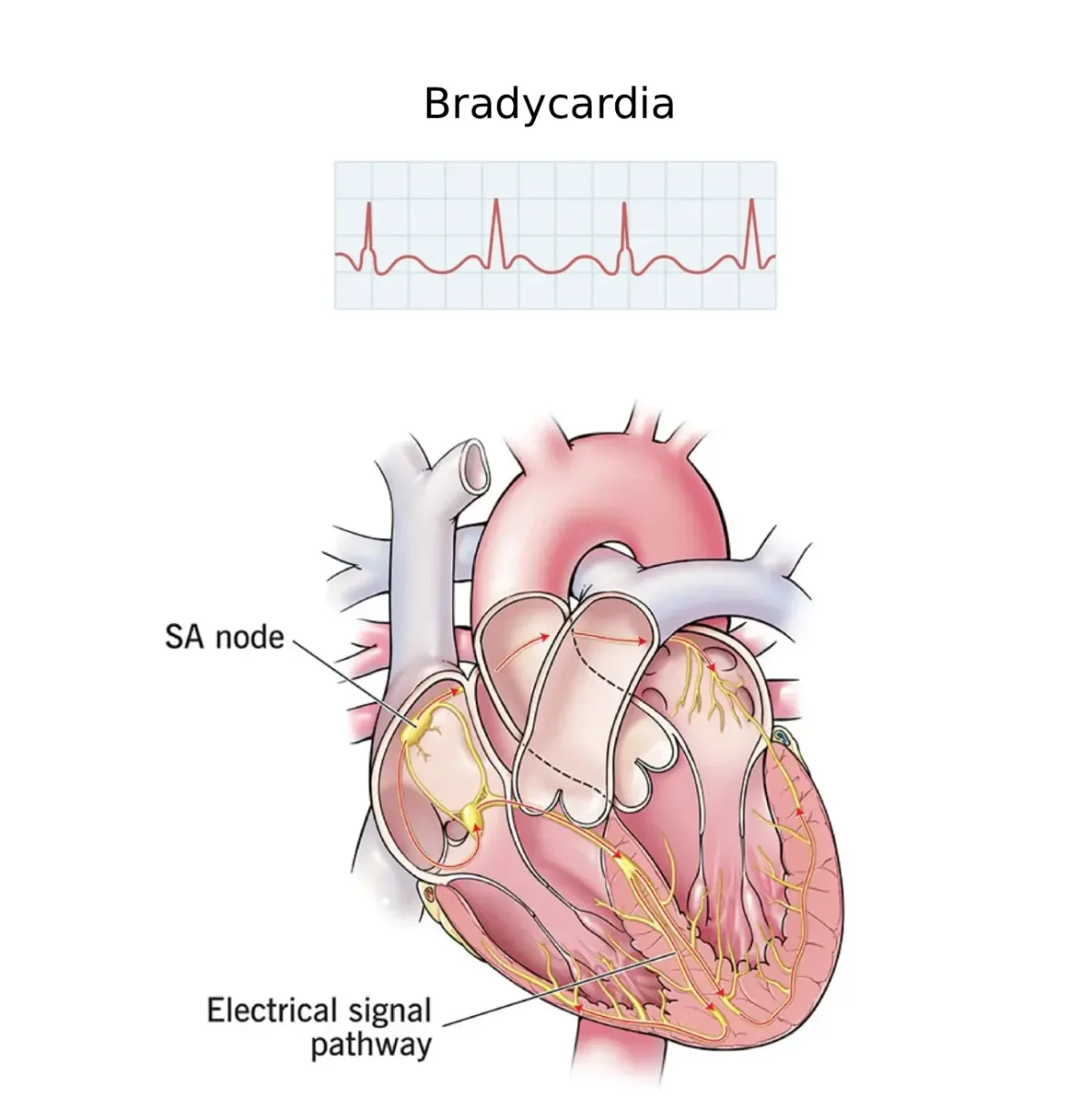
Bradycardia
Bradycardia is a condition in which the heart beats slower than normal, typically fewer than 60 beats per minute in adults. A slow heart rate is not always a problem and can be normal in healthy, physically active individuals. However, when bradycardia prevents the heart from pumping enough oxygen-rich blood to the body, it can cause symptoms and may require …
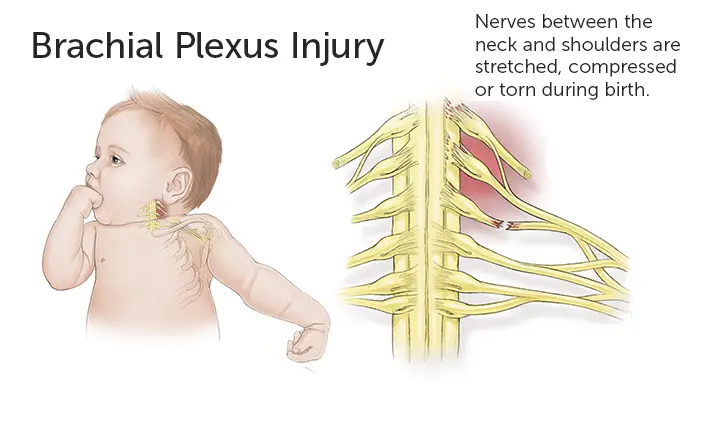
Brachial Plexus Injury
Brachial plexus injury occurs when the network of nerves that sends signals from the spinal cord to the shoulder, arm, and hand is stretched, compressed, or torn. These injuries can range from mild and temporary to severe and permanent. Brachial plexus injuries commonly result from trauma, childbirth complications, or sports-related accidents and can significantly affect arm movement and sensation. Symptoms …
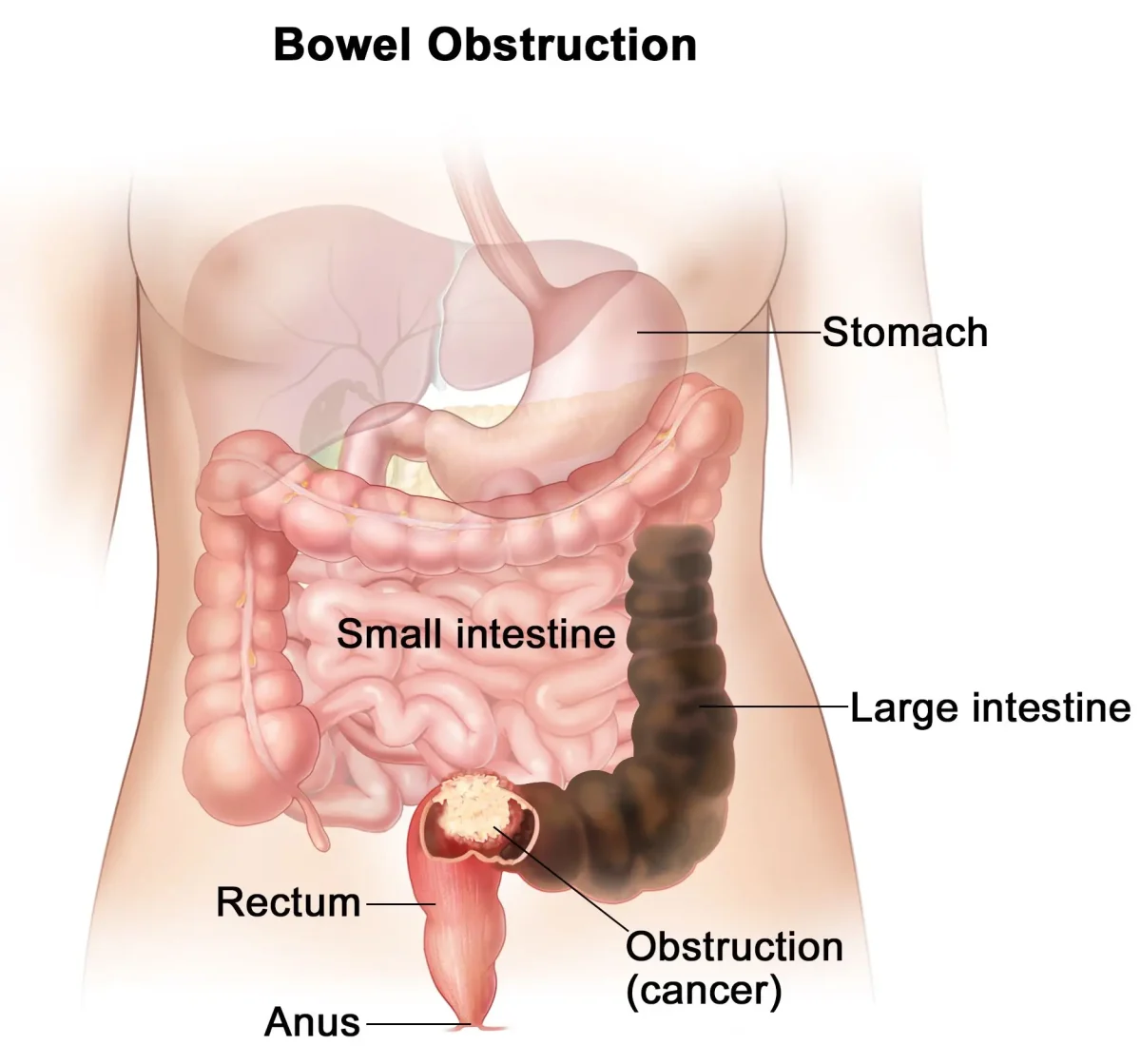
Intestinal Obstruction
Intestinal obstruction is a condition in which the normal movement of food, fluids, and gas through the intestines is partially or completely blocked. The blockage may occur in the small intestine or large intestine and can be life-threatening if not treated promptly. Intestinal obstruction can develop suddenly or gradually, depending on the underlying cause. Symptoms Crampy abdominal pain that comes …
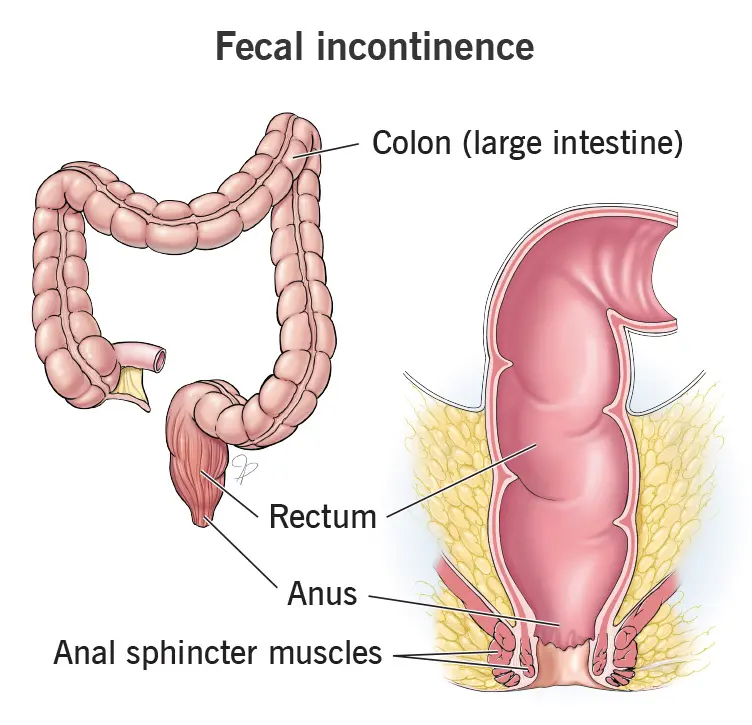
Fecal Incontinence
Fecal incontinence is the inability to control bowel movements, leading to the accidental leakage of stool. The condition can range from occasional leakage during physical activity to a complete loss of bowel control. Fecal incontinence affects people of all ages but is more common in older adults and individuals with underlying digestive, neurological, or pelvic floor conditions. Although it can …
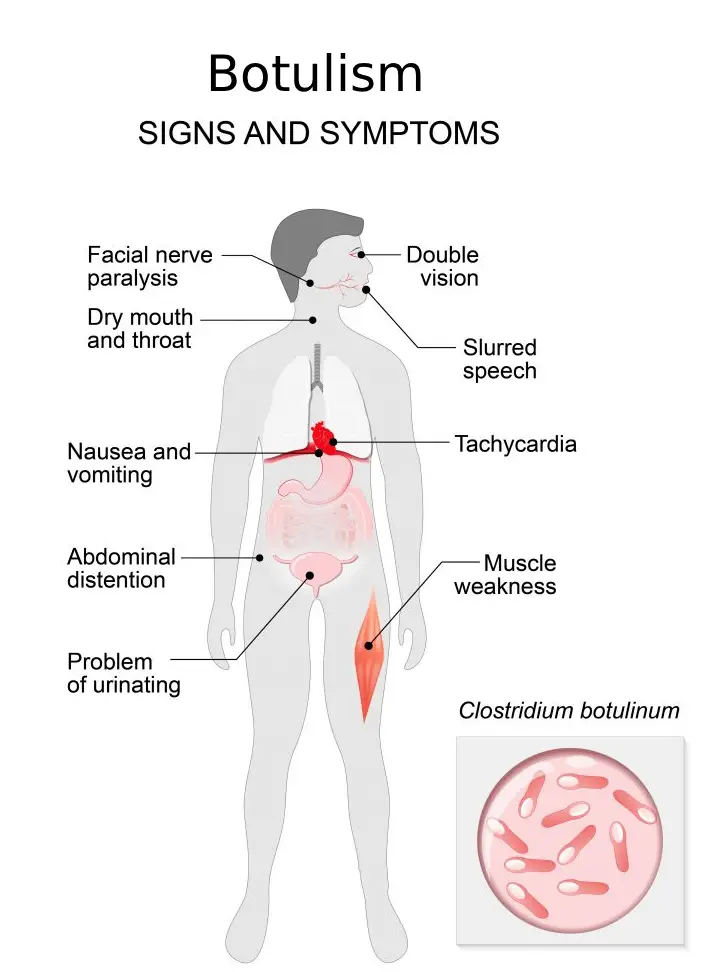
Botulism
Botulism is a rare but serious illness caused by toxins produced by the bacterium Clostridium botulinum. These toxins attack the body’s nerves and can cause paralysis, breathing difficulties, and life-threatening complications. Botulism can occur through contaminated food, wounds, or exposure in infants, and it requires immediate medical attention. Symptoms Symptoms of botulism usually begin within hours to days after exposure …