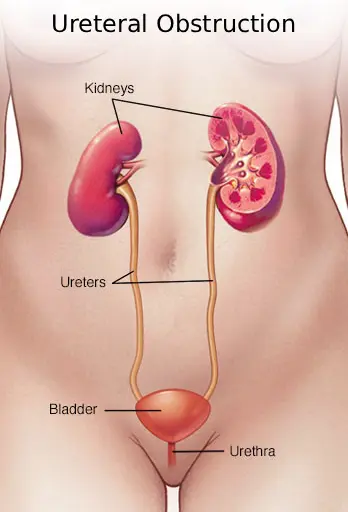
Ureteral obstruction is a condition in which the normal flow of urine from the kidneys to the bladder is partially or completely blocked in one or both ureters. This blockage can cause urine to back up into the kidneys, leading to swelling and increased pressure, a condition known as hydronephrosis. Ureteral obstruction may develop suddenly or gradually and can affect …
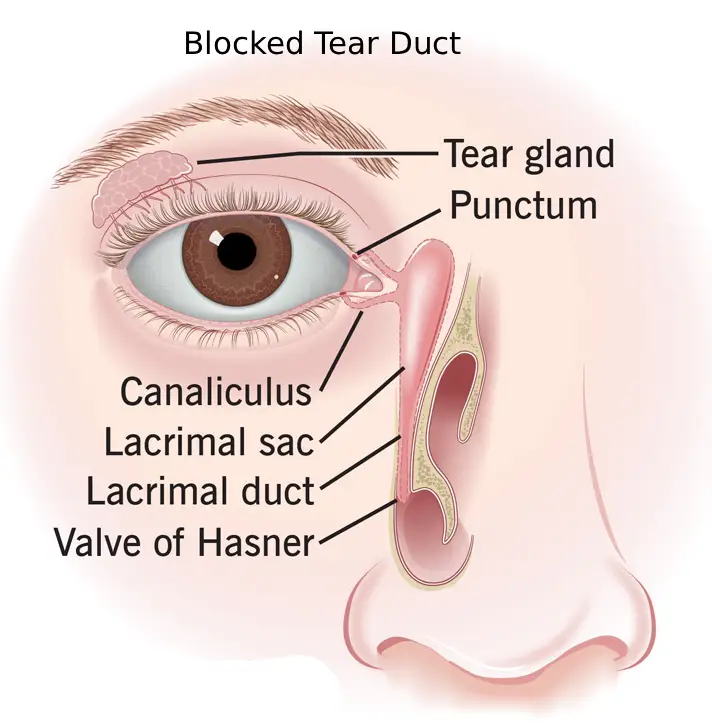
Blocked Tear Duct
A blocked tear duct is a condition in which the normal flow of tears from the eye into the nose is partially or completely obstructed. Tears are produced to keep the eyes moist and are normally drained through small openings in the eyelids into the tear ducts. When this drainage system is blocked, tears can overflow onto the face or …
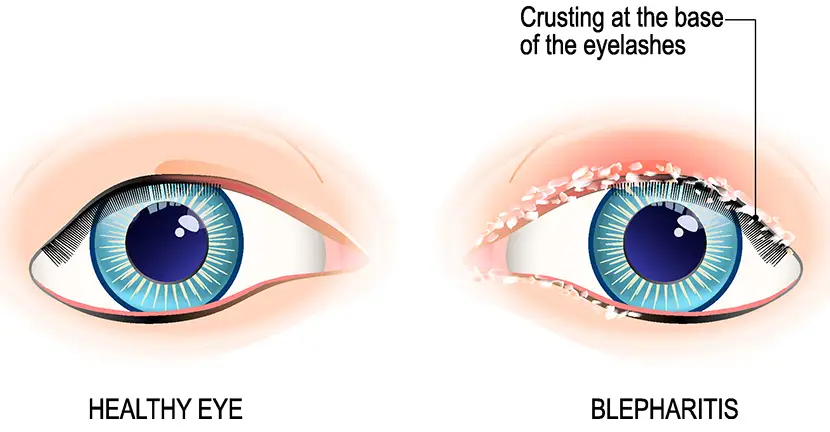
Blepharitis
Blepharitis is a common eye condition characterized by inflammation of the eyelids, particularly along the edges where the eyelashes grow. It often occurs when the tiny oil glands near the base of the eyelashes become clogged or irritated. Blepharitis is usually a chronic condition that can flare up periodically, but it is not contagious. Although blepharitis can be uncomfortable and …
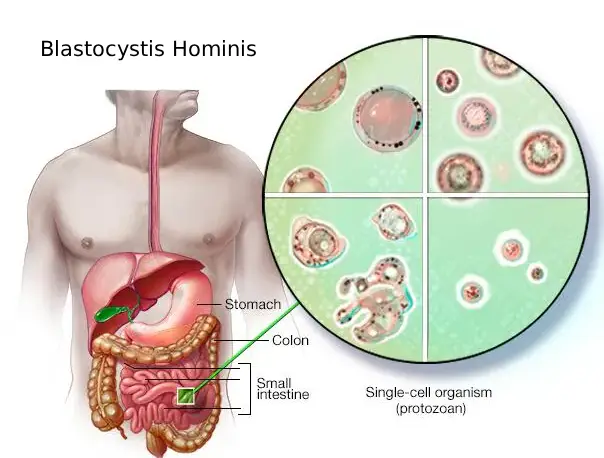
Blastocystis Hominis
Blastocystis hominis is a microscopic organism that lives in the digestive tract. It is one of the most common intestinal parasites found in humans worldwide. In many people, Blastocystis hominis does not cause symptoms and is discovered incidentally during stool testing. In others, it may be associated with gastrointestinal discomfort. The role of Blastocystis hominis in causing disease is not …
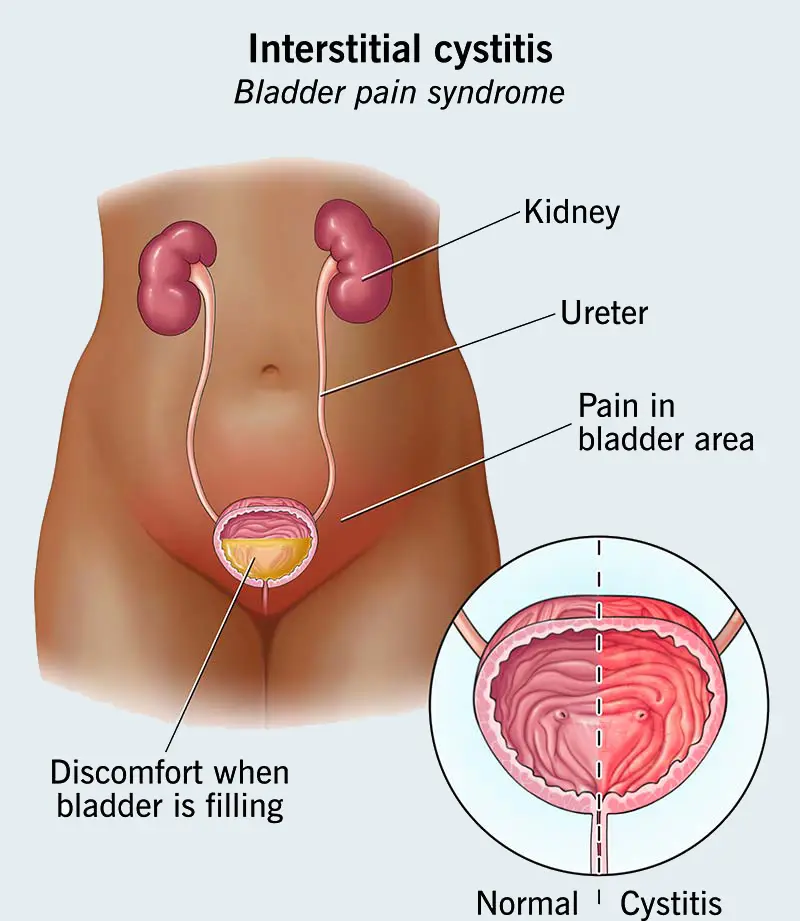
Interstitial Cystitis
Interstitial cystitis, also known as painful bladder syndrome, is a chronic condition characterized by bladder pressure, bladder pain, and discomfort in the pelvic region. Unlike urinary tract infections, interstitial cystitis is not caused by bacteria and does not respond to antibiotics. The severity of symptoms can vary over time, with periods of flare-ups and remission. Symptoms Chronic pelvic pain or …
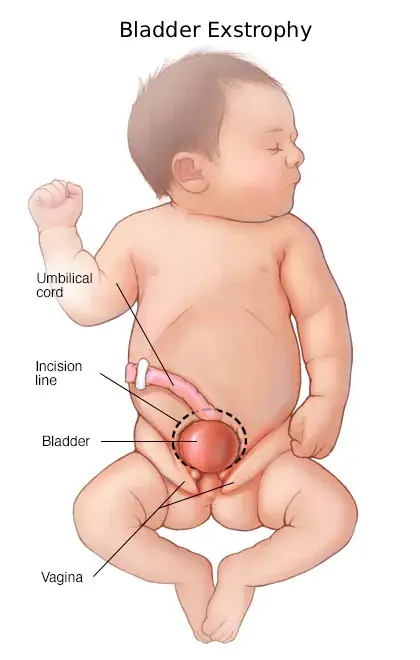
Bladder Exstrophy
Bladder exstrophy is a rare congenital condition in which the bladder develops outside the body. It occurs when the lower abdominal wall and the front of the bladder do not form properly during fetal development. As a result, the inner surface of the bladder is exposed, and urine drains directly from the bladder rather than being stored normally. Bladder exstrophy …
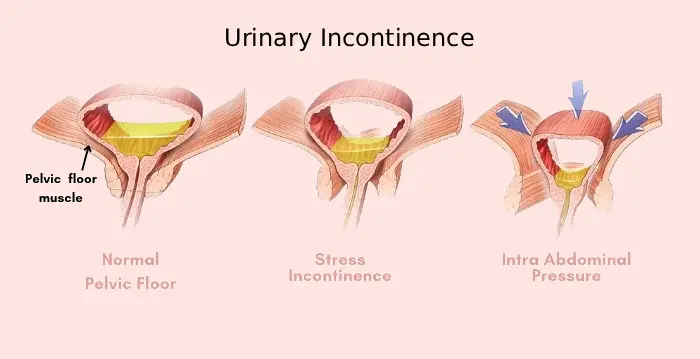
Urinary Incontinence
Urinary incontinence is the involuntary leakage of urine due to loss of bladder control. It can range from occasional minor leaks to frequent and severe urine loss that interferes with daily activities. Urinary incontinence affects people of all ages but is more common in older adults and women. The condition is not a normal part of aging and often results …
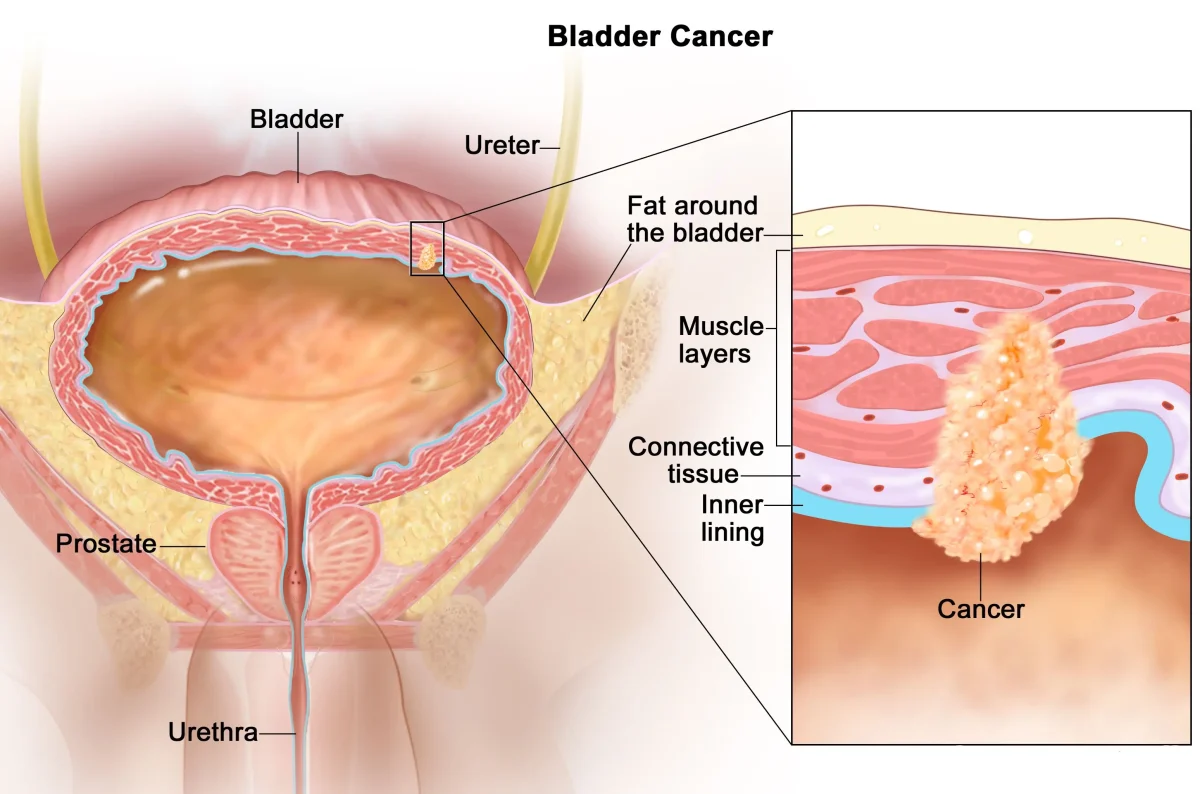
Bladder Cancer
Bladder cancer is a type of cancer that begins in the cells of the bladder, the hollow organ in the lower abdomen that stores urine. Most bladder cancers start in the urothelial cells that line the inside of the bladder. The condition is more common in older adults and occurs more frequently in men, though women can also be affected. …
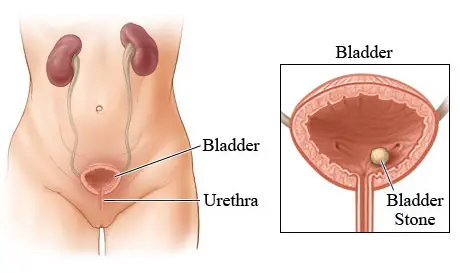
Bladder Stones
Bladder stones are hard masses of minerals that form in the bladder when urine becomes concentrated. This usually happens when the bladder does not empty completely, allowing minerals in the urine to crystallize and gradually harden. Bladder stones can vary in size and number, ranging from very small particles to large stones that cause significant symptoms. While bladder stones are …
Black Hairy Tongue
Black hairy tongue is a harmless and temporary condition in which the tongue appears dark, brown, or black and may look hairy. The appearance is caused by a buildup of dead skin cells on the surface of the tongue, leading to the overgrowth and staining of papillae, which are tiny projections that normally help with taste. Despite its unusual look, …