An aortic aneurysm is an abnormal bulge or weakening in the wall of the aorta, the largest artery in the body. The aorta carries oxygen-rich blood from the heart to the rest of the body. When part of the aortic wall becomes weak, it can balloon outward and form an aneurysm. Aortic aneurysms can occur anywhere along the aorta. The …
Coarctation of the Aorta
Coarctation of the aorta is a congenital (present at birth) heart defect. It’s also called aortic coarctation (pronounced “ay-or-tuhk” “koh-ark-TEY-shun”). This defect affects your baby’s aorta, which is the largest artery in their body. It carries oxygen-rich blood from your baby’s heart to the rest of their body. If your baby has aortic coarctation, one part of their aorta is narrower …
Aortic Dissection
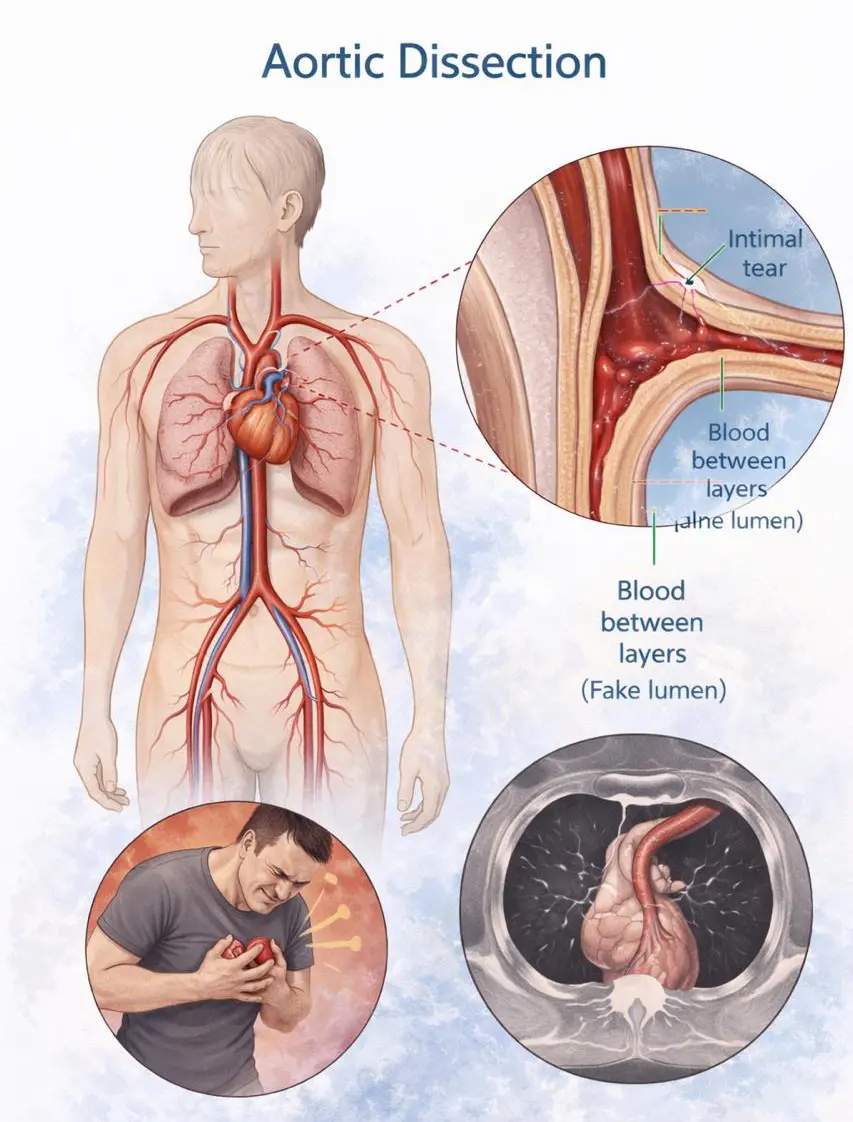
An aortic dissection is a life-threatening medical emergency that occurs when a tear develops in the inner layer of the aorta, the main artery that carries blood from the heart to the rest of the body. Blood flows rapidly through this tear, causing the inner and middle layers of the aortic wall to separate. This process is known as dissection. …
Aortic Valve Disease
Aortic valve disease is a form of heart valve disease in which the valve between the lower left chamber of the heart, called the left ventricle, and the body’s main artery, called the aorta, does not function properly. The aortic valve plays a key role in keeping blood flowing in the correct direction from the heart to the rest of …
Aortic Valve Regurgitation
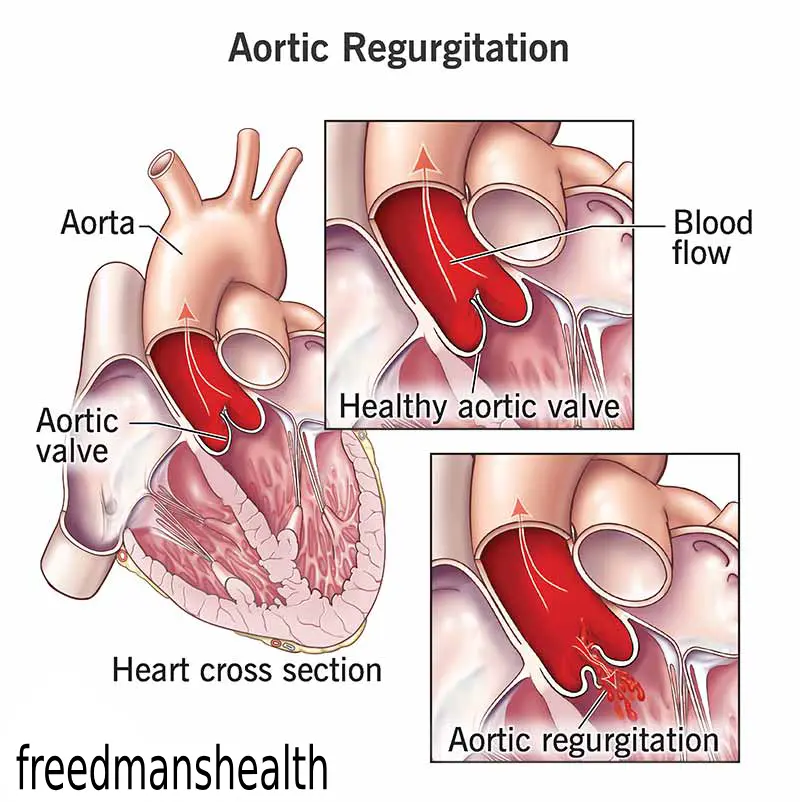
Aortic valve disease is a form of heart valve disease in which the valve between the lower left chamber of the heart, called the left ventricle, and the body’s main artery, called the aorta, does not function properly. The aortic valve plays a key role in keeping blood flowing in the correct direction from the heart to the rest of …
Aortic Valve Stenosis
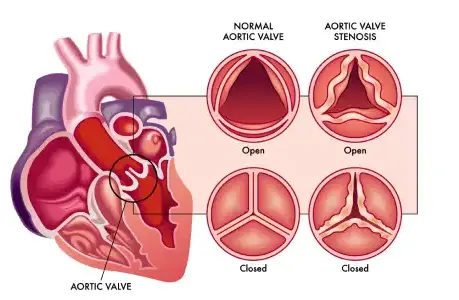
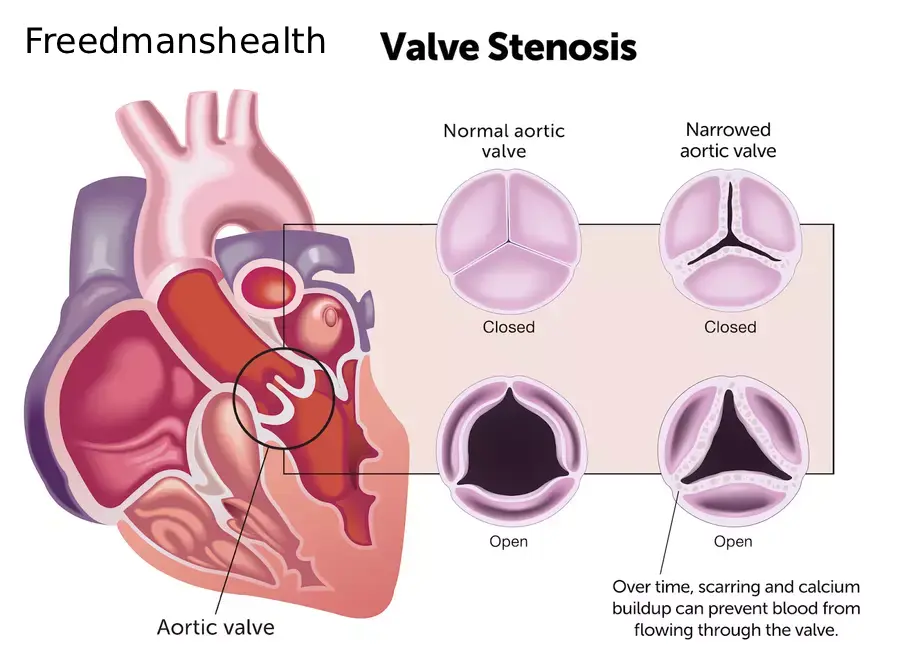
Aortic valve stenosis is a type of heart valve disease, also known as valvular heart disease. The aortic valve is located between the lower left chamber of the heart, called the left ventricle, and the body’s main artery, known as the aorta. In aortic valve stenosis, this valve becomes narrowed and does not open fully. As a result, blood flow …
Anorexia Nervosa
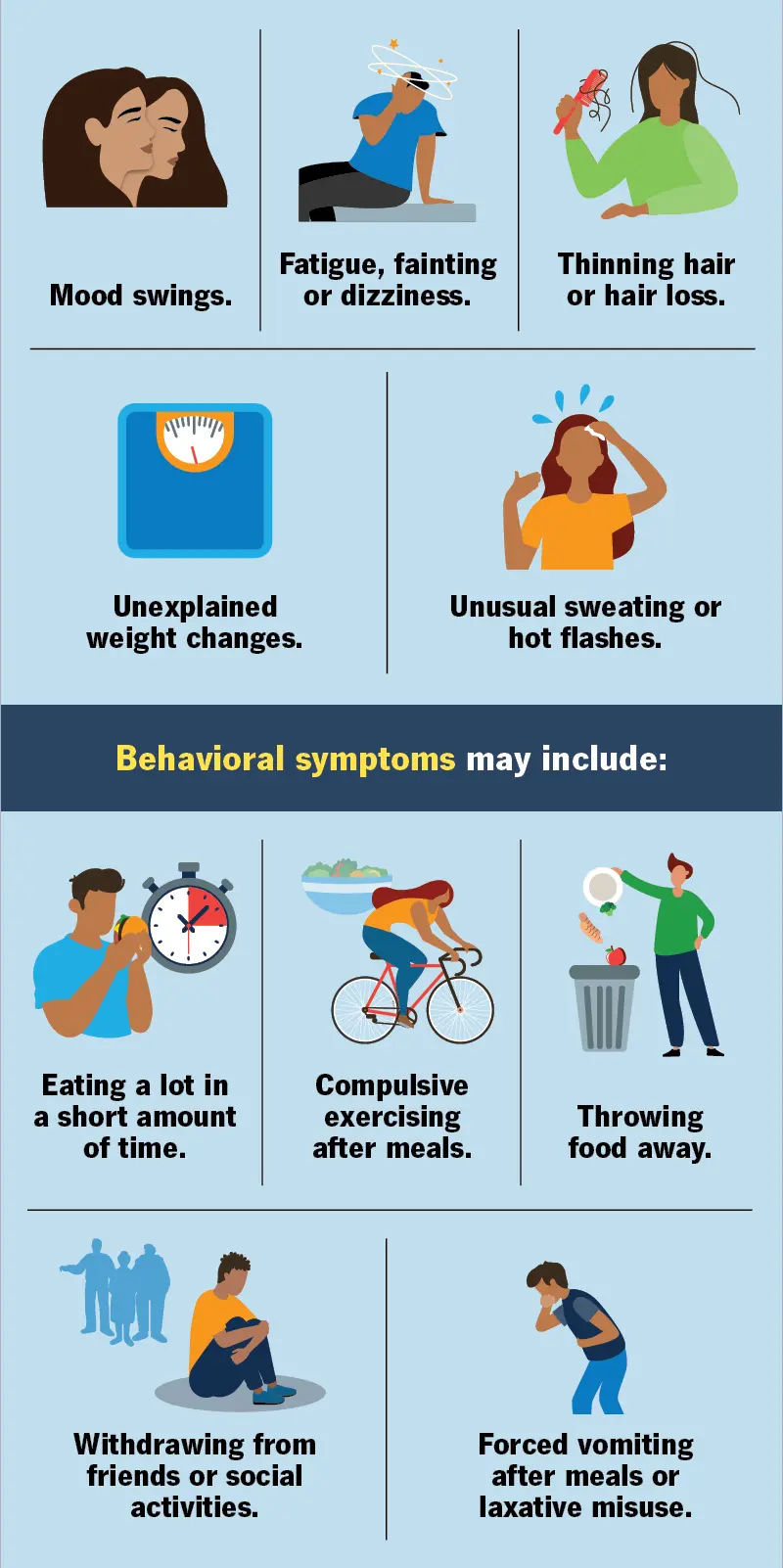
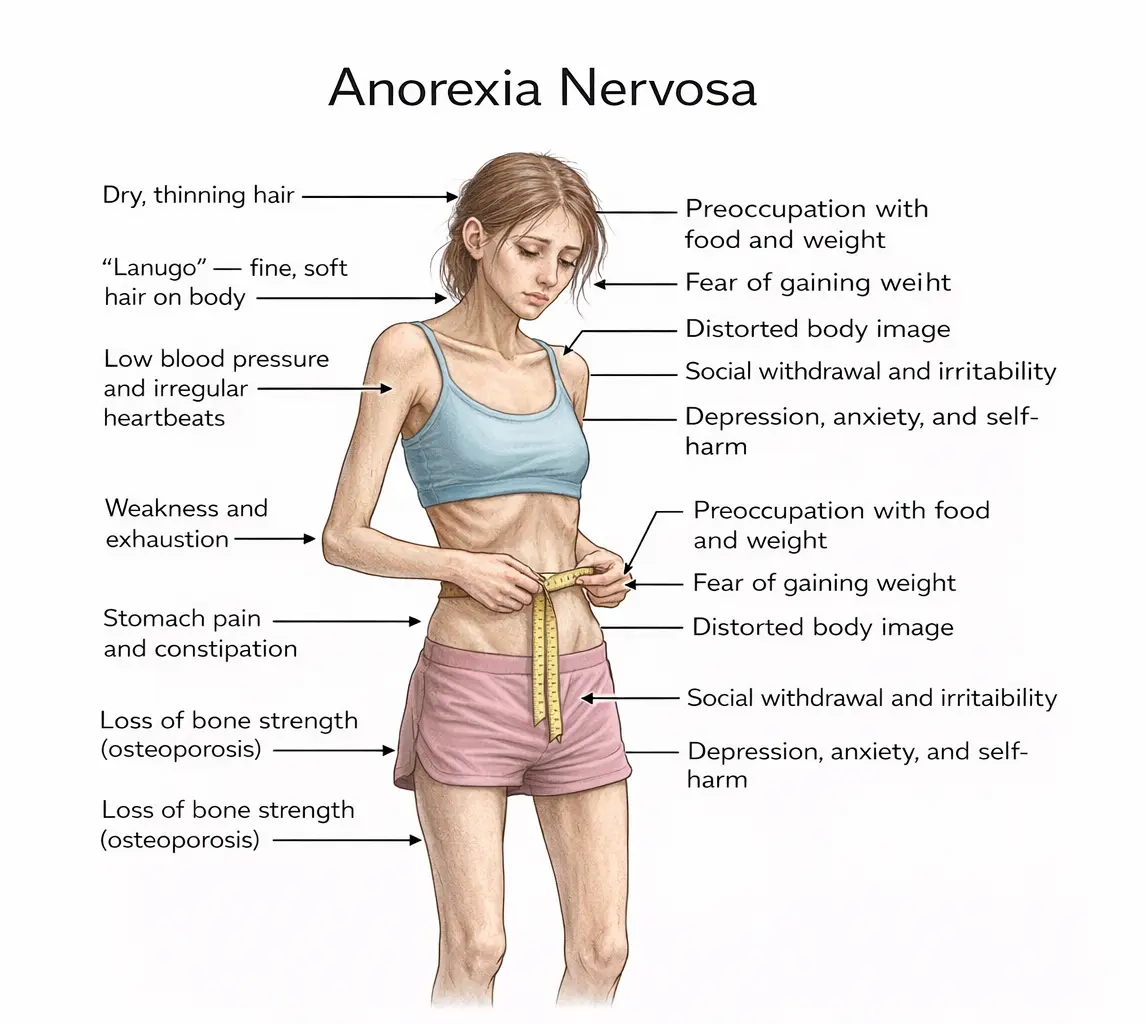
Anorexia nervosa, often called anorexia, is a serious and treatable eating disorder marked by very low body weight based on a person’s weight history. Although many people with anorexia appear very thin, some may not look underweight or may appear to have a larger body size. Despite appearance, they have lost a significant amount of weight or failed to gain …
Anorgasmia in Women
Anorgasmia is delayed, infrequent or absent orgasms, or orgasms that are significantly less intense, despite sexual arousal and adequate sexual stimulation. Women who experience persistent difficulty reaching orgasm and feel distress about it may be diagnosed with anorgasmia. The experience of orgasm varies widely among women. Frequency, intensity and the type of stimulation needed can differ from person to person …
Anterior Vaginal Prolapse
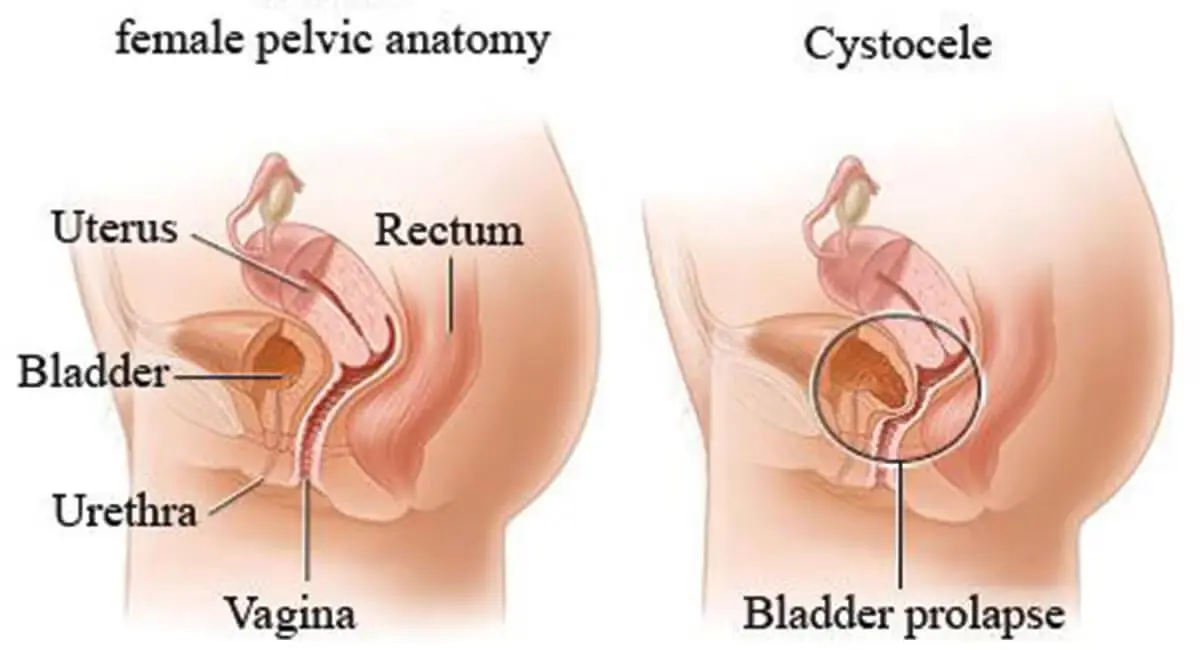
Anorgasmia is a condition in which orgasms are delayed, infrequent or absent, or are much less intense than expected, even after adequate sexual arousal and stimulation. Women who experience ongoing difficulty reaching orgasm and feel distress or frustration about it may be diagnosed with anorgasmia. Orgasms vary widely among women in terms of frequency, intensity and consistency. Even for the …
Anthrax
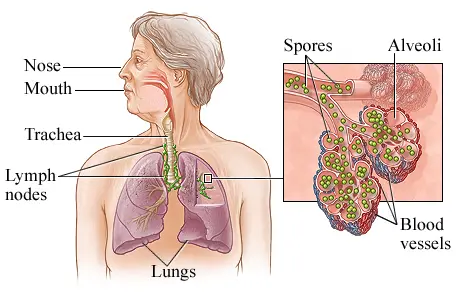
Anthrax is a rare but serious infectious disease caused by a spore-forming bacterium called Bacillus anthracis. Once inside the body, the spores can release toxins that damage tissues and organs. Anthrax mainly affects livestock and wild animals, and people usually become infected through contact with infected animals or animal products. Anthrax does not spread from person to person in the …