Anorexia nervosa, often called anorexia, is a serious and treatable eating disorder marked by very low body weight based on a person’s weight history. Although many people with anorexia appear very thin, some may not look underweight or may appear to have a larger body size. Despite appearance, they have lost a significant amount of weight or failed to gain …
Anorgasmia in Women
Anorgasmia is delayed, infrequent or absent orgasms, or orgasms that are significantly less intense, despite sexual arousal and adequate sexual stimulation. Women who experience persistent difficulty reaching orgasm and feel distress about it may be diagnosed with anorgasmia. The experience of orgasm varies widely among women. Frequency, intensity and the type of stimulation needed can differ from person to person …
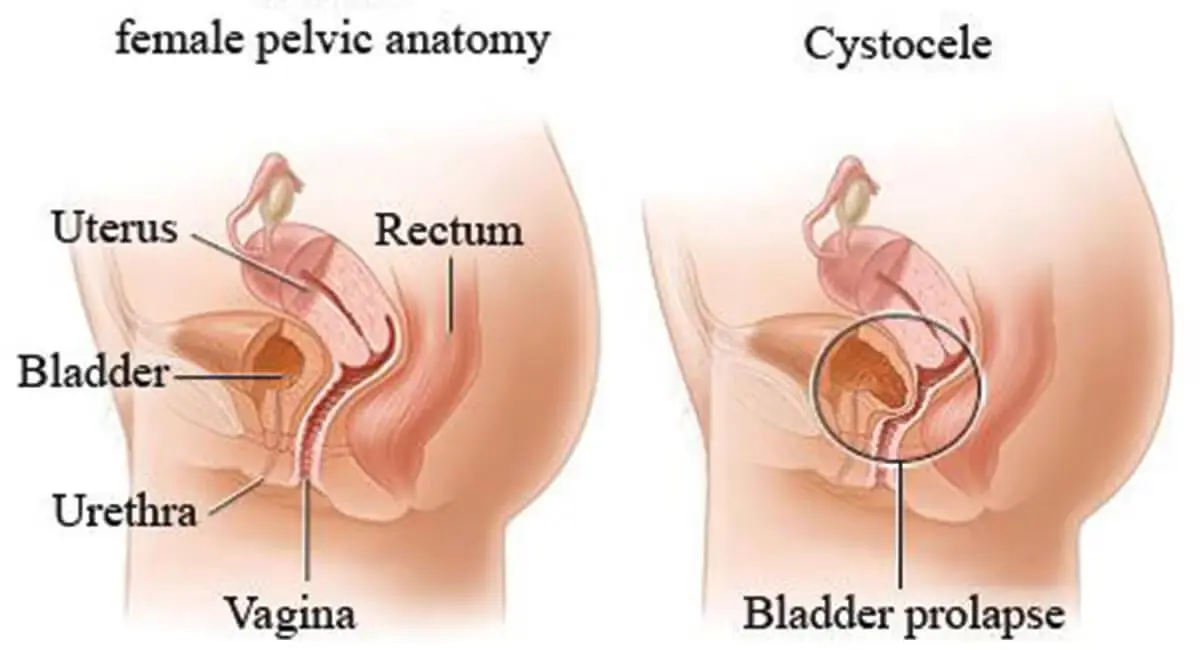
Anterior Vaginal Prolapse
Anorgasmia is a condition in which orgasms are delayed, infrequent or absent, or are much less intense than expected, even after adequate sexual arousal and stimulation. Women who experience ongoing difficulty reaching orgasm and feel distress or frustration about it may be diagnosed with anorgasmia. Orgasms vary widely among women in terms of frequency, intensity and consistency. Even for the …
Anthrax
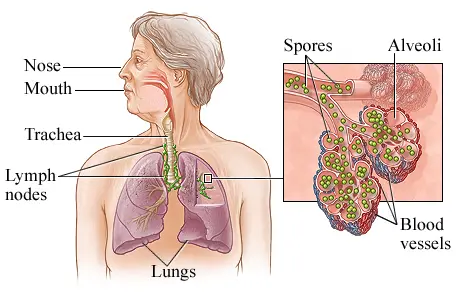
Anthrax is a rare but serious infectious disease caused by a spore-forming bacterium called Bacillus anthracis. Once inside the body, the spores can release toxins that damage tissues and organs. Anthrax mainly affects livestock and wild animals, and people usually become infected through contact with infected animals or animal products. Anthrax does not spread from person to person in the …
Pseudomembranous Colitis
Pseudomembranous colitis (PMC) is a severe form of colitis. In this condition, something attacks and injures your colon lining (mucosa). It might be bacteria, toxins or another illness. Your colon mucosa develops thickened, scab-like plaques over the wounds. Your healthcare provider might call these “pseudomembranes.” What are pseudomembranes? Pseudomembranes develop on mucous membranes, like your colon lining, when cells die. Your …
Antibiotic-Associated Diarrhea
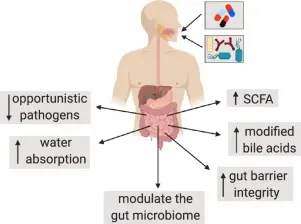
Antibiotic-associated diarrhea refers to passing loose, watery stools three or more times a day after taking medicines called antibiotics. Antibiotics are commonly used to treat bacterial infections, but they can sometimes disrupt the natural balance of bacteria in the digestive system. About 1 in 5 people who take antibiotics experience antibiotic-associated diarrhea. In most cases, symptoms are mild and begin …
Antiphospholipid Syndrome
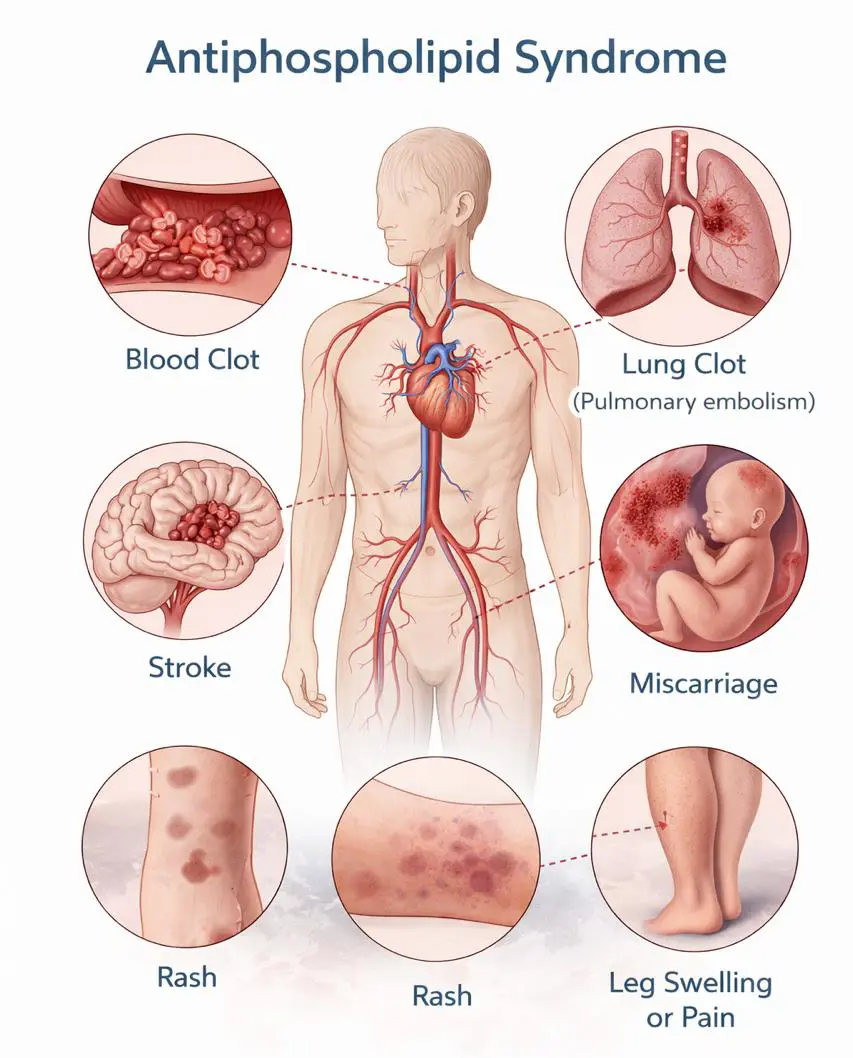
Antiphospholipid syndrome is an uncommon autoimmune condition in which the immune system mistakenly produces antibodies that increase the risk of blood clots forming in arteries and veins. These clots can develop in the legs, lungs and other organs, including the kidneys and spleen. Blood clots linked to antiphospholipid syndrome can lead to serious health problems such as heart attack and …
Antisocial Personality Disorder
Antisocial personality disorder is a mental health condition in which a person consistently shows little or no regard for what is right or wrong and repeatedly ignores the rights and feelings of others. The condition is sometimes referred to as sociopathy. People with antisocial personality disorder often manipulate, deceive or treat others harshly, without feeling guilt or remorse for their …
Generalized Anxiety Disorder
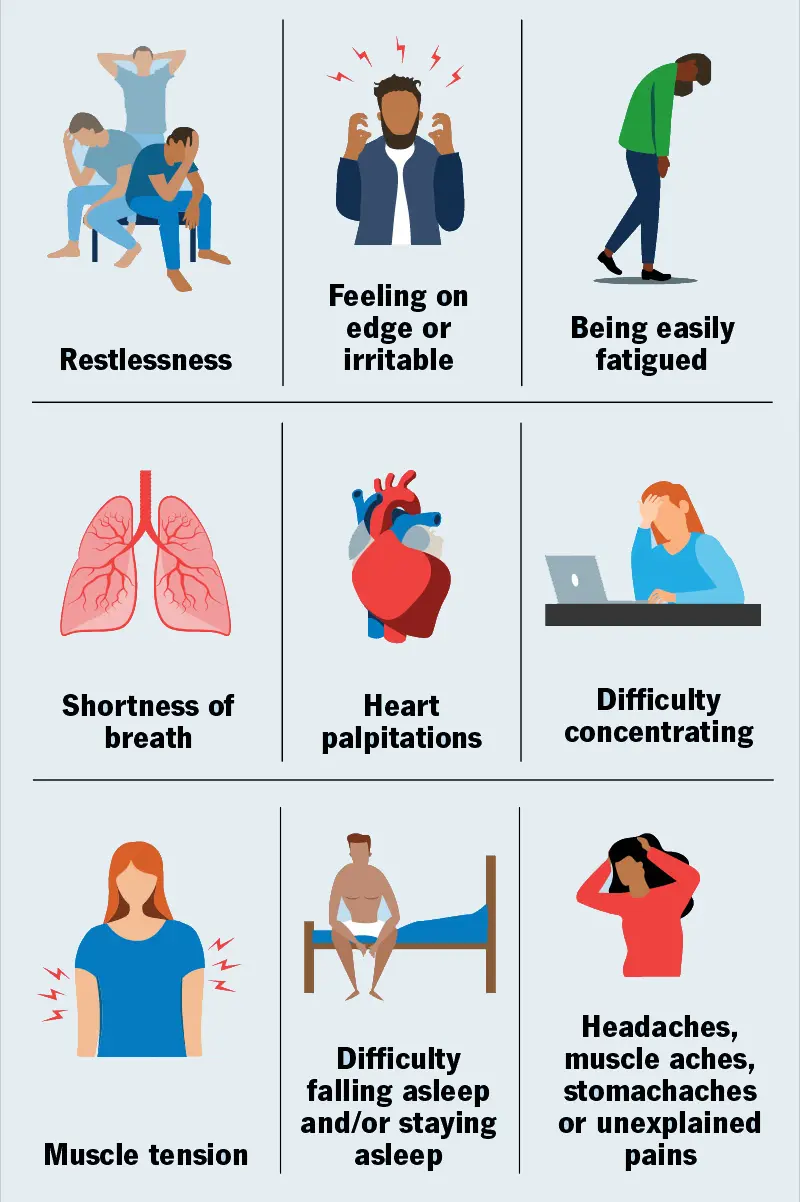
Generalized anxiety disorder (GAD) is a mental health condition that causes fear, worry and a constant feeling of being overwhelmed. It’s characterized by excessive, frequent and unrealistic worry about everyday things, such as job responsibilities, health or chores. It can affect children and adults. GAD is one of several anxiety disorders. Most people with GAD have one or more other psychiatric …
Social Anxiety Disorder
Social anxiety disorder (formerly known as social phobia) is a mental health condition where you experience intense and ongoing fear of being judged negatively and/or watched by others. Social anxiety disorder is a common anxiety disorder. If you have social anxiety disorder, you have anxiety or fear in specific or all social situations, including: Meeting new people. Performing in front of …