Hair Loss

webdev

Most healthy people lose up to 100 strands of hair per day. As part of your hair’s growth cycle, new strands grow and take the place of the ones you shed. When you start to shed more strands — and fewer or none grow back — the condition is considered alopecia (hair loss). There are several types of hair loss, and it …

Alpha-gal Syndrome

webdev

Alpha-gal syndrome is a type of food allergy that develops after a tick bite. In this condition, the immune system reacts to alpha-gal, a sugar molecule found in red meat and other products from mammals. Alpha-gal syndrome can be serious and may be life-threatening. In the United States, the condition most often begins after a bite from the lone star …

Amyotrophic Lateral Sclerosis (ALS)

admin

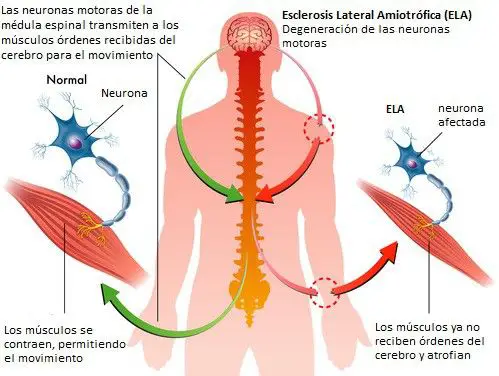
Amyotrophic lateral sclerosis (ALS) is a progressive nervous system disease that affects nerve cells in the brain and spinal cord. These nerve cells, known as motor neurons, are responsible for controlling voluntary muscle movements such as walking, speaking, swallowing and breathing. As ALS progresses, it leads to a gradual loss of muscle control and strength. ALS is also commonly known …
Dry Socket

admin

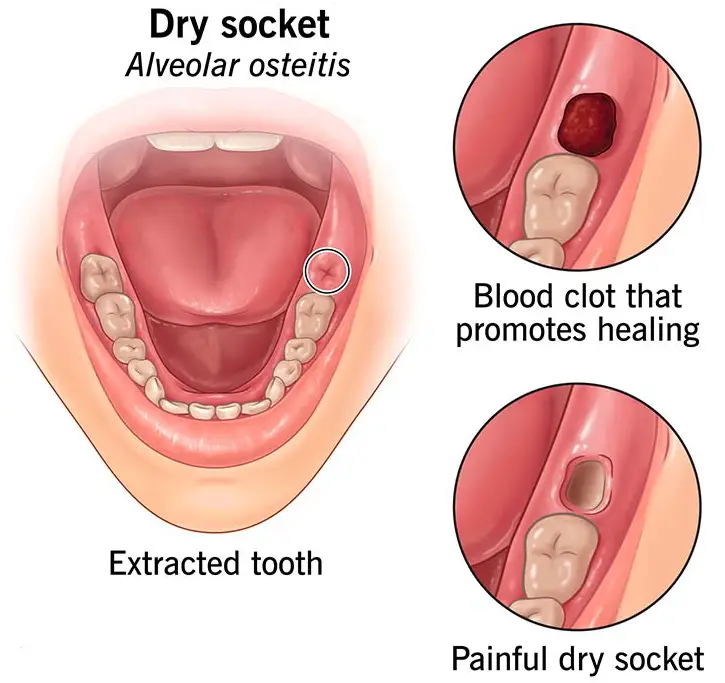
Dry socket (alveolar osteitis) can happen after tooth extraction. When your dentist or oral surgeon removes a tooth, a blood clot forms in the socket (a hole in the bone where your tooth was). Dry socket happens when that blood clot dislodges (moves) or doesn’t form at all. Without the clot, your bone and nerves become exposed, leading to pain and slower healing. How common is dry …

Alzheimer’s Disease

admin

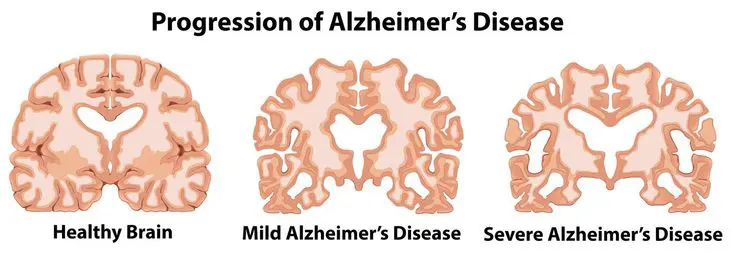
Alzheimer’s disease is the most common cause of dementia. It is a progressive neurological condition that begins with abnormal changes in the brain, including the buildup of proteins called amyloid plaques and neurofibrillary tangles. These changes damage brain cells over time, leading to cell death and gradual shrinking of the brain. Globally, Alzheimer’s disease accounts for about 60% to 70% …

Airplane Ear

webdev

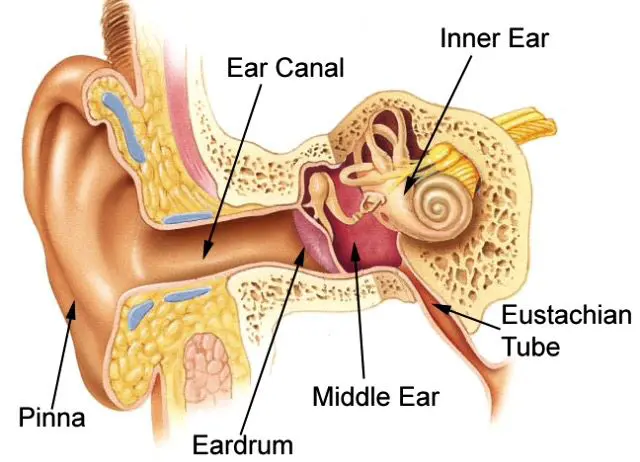
Airplane ear is stress on the eardrum that occurs when the air pressure in the middle ear does not match the air pressure outside the ear. This most often happens during airplane travel, especially when the plane is climbing after takeoff or descending for landing. The pressure difference can prevent the eardrum from moving normally, leading to discomfort and other …

Guillain-Barre Syndrome

webdev

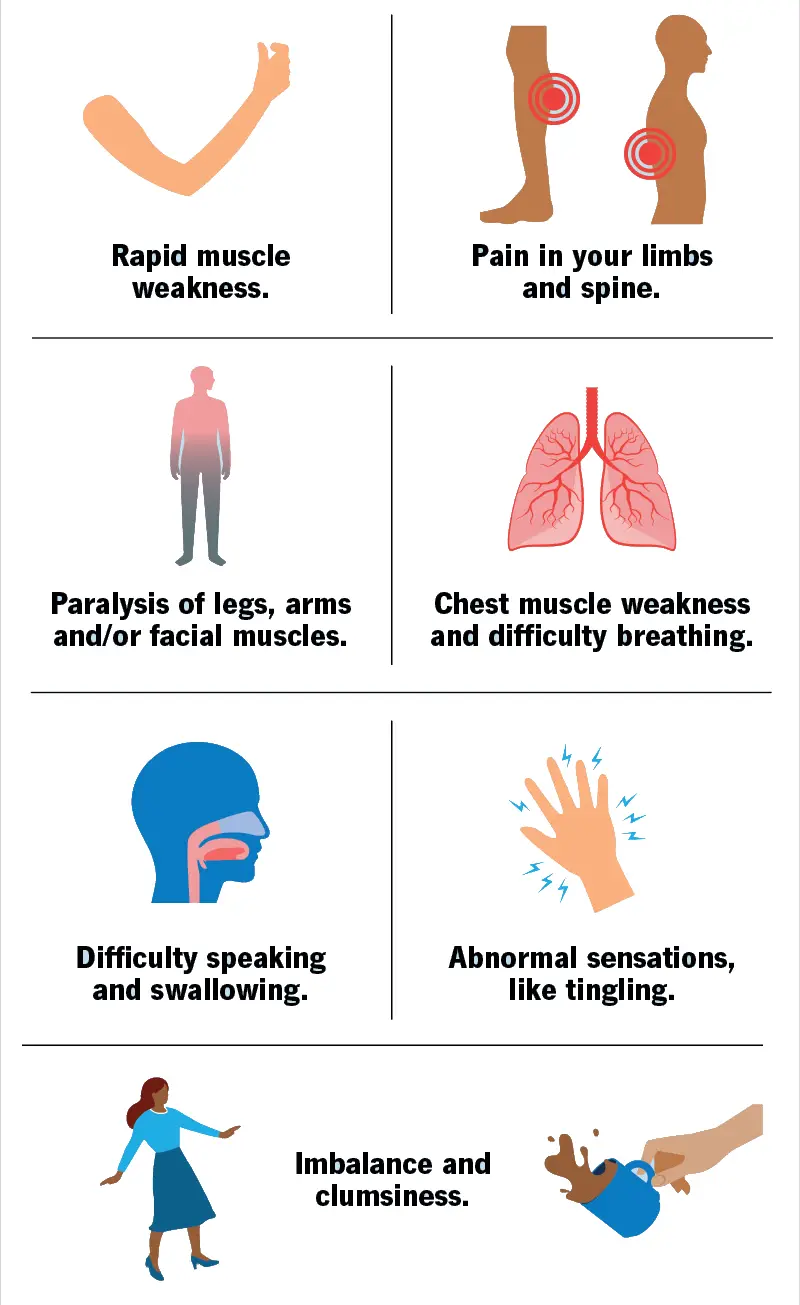
Guillain-Barré syndrome (pronounced “ghee-AHN buh-RAY”) is a rare autoimmune condition in which your immune system attacks your peripheral nerves. It leads to symptoms like numbness, tingling and muscle weakness that can progress to paralysis. But with treatment, most people fully recover from the condition.

Dry Macular Degeneration

webdev

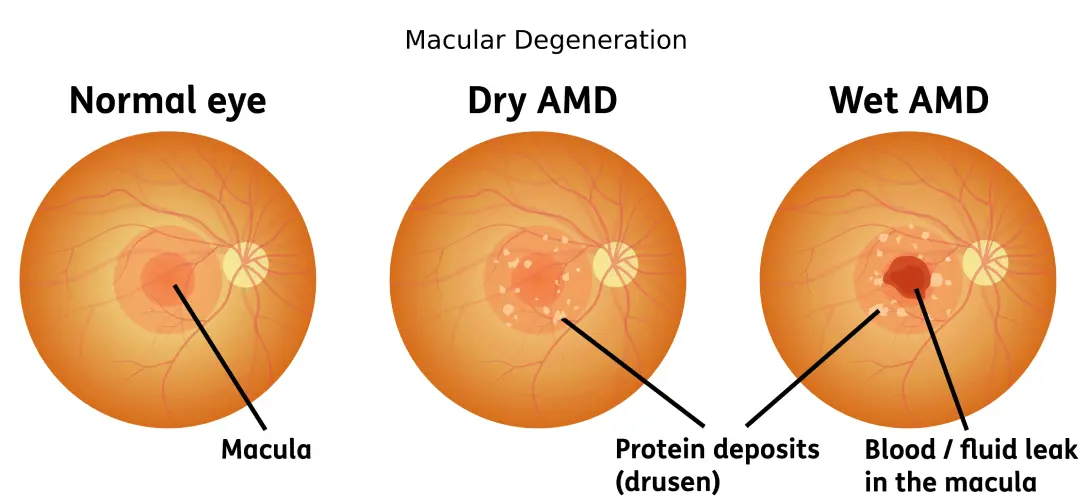
Dry macular degeneration is an eye condition that causes blurred vision or reduced central vision. It is caused by the breakdown of a part of the retina known as the macula (MAK-u-luh). The macula is responsible for central vision. This condition is common among people over 50. Dry macular degeneration may start in one eye then develop in the other …

Wet Macular Degeneration

webdev

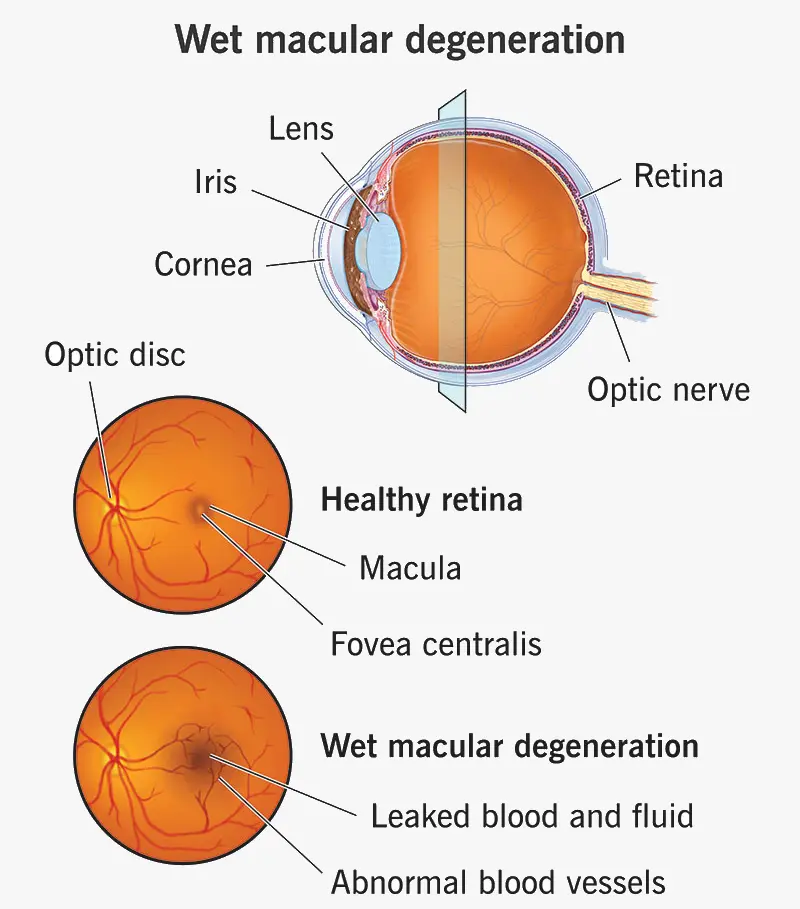
Wet age-related macular degeneration (WMD) is the advanced form of age-related macular degeneration (ARMD), a condition that can cause permanent central vision loss. WMD is an advanced form of age-related macular degeneration. It happens when age-related changes in your eyes worsen and cause new blood vessels to grow and leak underneath the retina. When you have WMD, new vessels grow and disrupt existing retinal tissue, causing damage …

Myelofibrosis

webdev

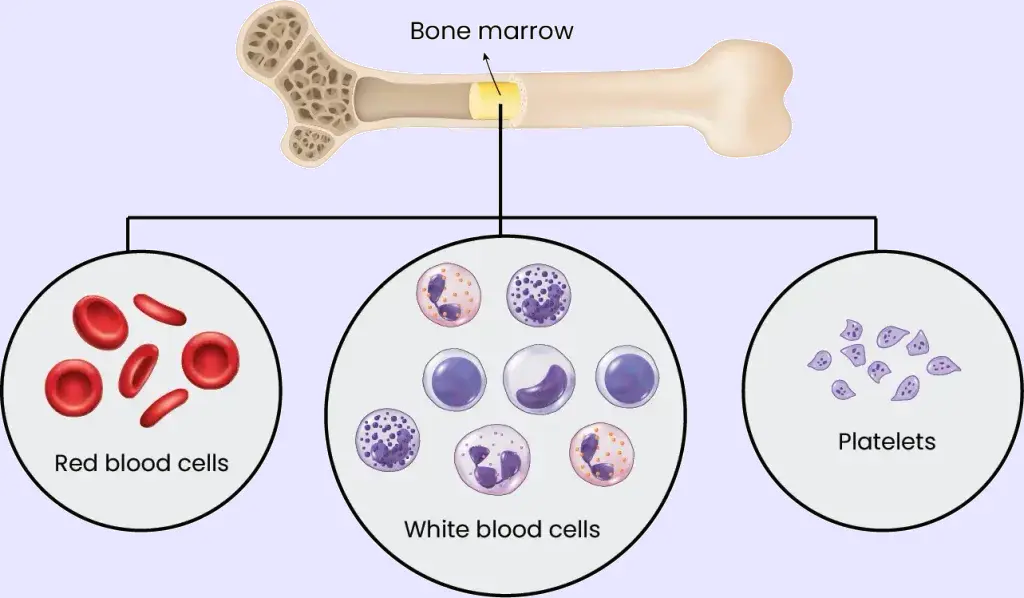
Myelofibrosis is a rare type of blood cancer where your bone marrow (the soft, spongy tissue inside of your bones) is replaced by fibrous scar tissue. It’s a form of chronic leukemia and a myeloproliferative disorder. Myeloproliferative disorders involve too many blood cells getting made in your bone marrow — where blood cells get made. Your bone marrow produces immature blood-forming cells called stem cells that may develop …