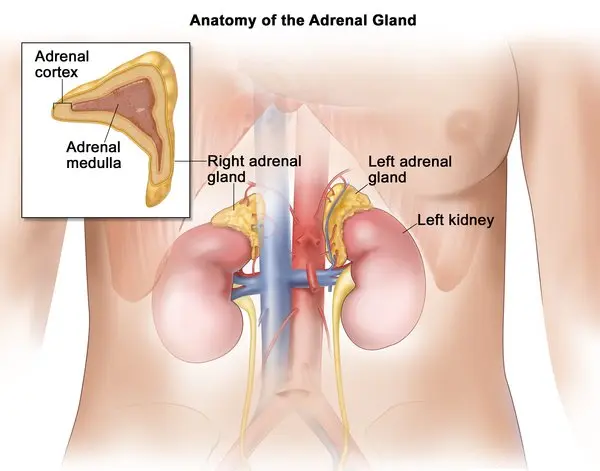
Benign adrenal tumors are masses that aren’t cancer. They form in the adrenal glands. The adrenal glands are part of the endocrine system. These glands make hormones that send messages to nearly every organ and tissue in the body. There are two adrenal glands, one above each kidney. Each gland has two types of tissue: the cortex and the medulla. …
Adrenoleukodystrophy
Adrenoleukodystrophy, also called ALD, is a rare inherited genetic disorder that affects the nervous system and adrenal glands. It occurs when the body cannot properly break down certain fats, known as very long-chain fatty acids. These fats build up in the brain, spinal cord and adrenal glands, leading to damage over time. ALD mainly affects males, though females who carry …
Adult Still Disease
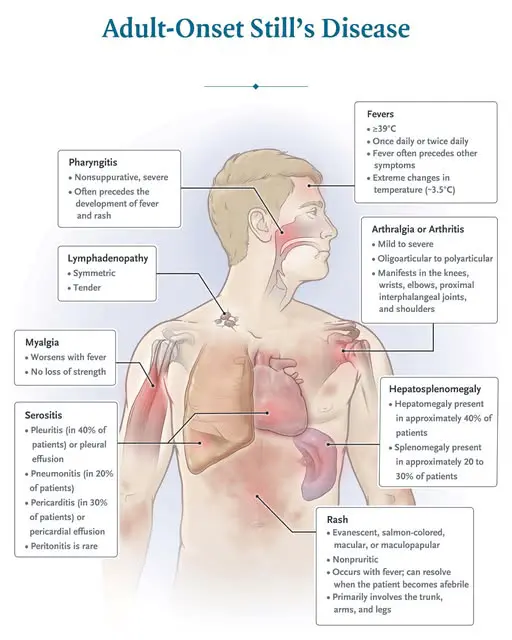
Adult Still disease, also called adult-onset Still disease, is a rare type of inflammatory arthritis. It causes daily high fevers, joint pain and a salmon-colored rash. The condition is considered an autoinflammatory disease, meaning the immune system becomes overactive and causes widespread inflammation without a clear trigger. Adult Still disease can affect people of any age, but it most often …
Acute Sinusitis
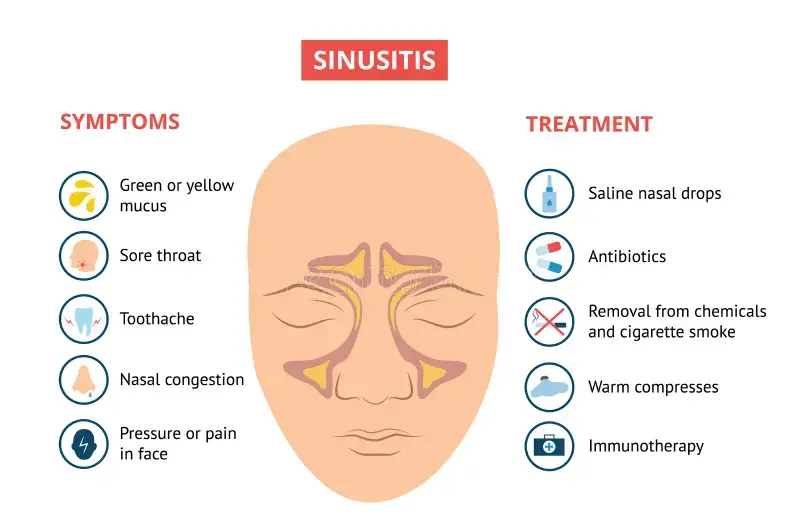
Acute sinusitis occurs when the spaces inside the nose, called sinuses, become inflamed and swollen. This inflammation makes it difficult for mucus to drain properly, leading to mucus buildup inside the sinuses. Because of this blockage, breathing through the nose can become difficult. Swelling and pressure may be felt around the eyes, cheeks, nose, or forehead. Some people experience throbbing …
HIV/AIDS
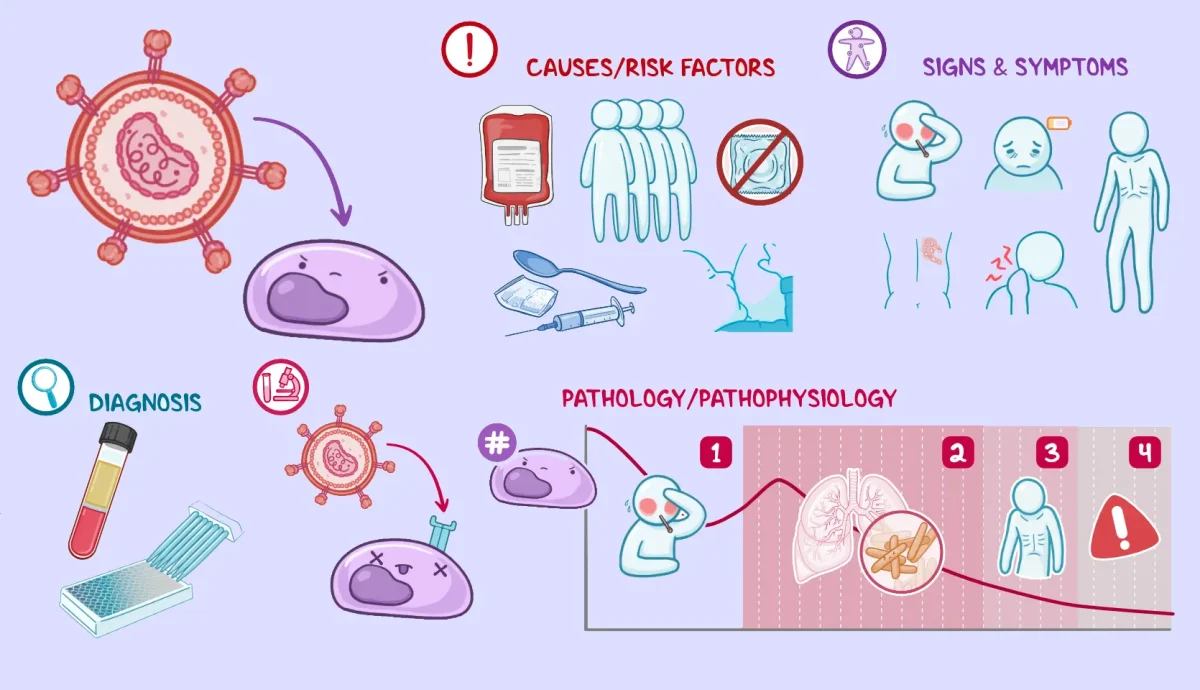
HIV stands for human immunodeficiency virus. HIV infects and destroys cells of your immune system, making it hard to fight off other diseases. When HIV has severely weakened your immune system, it can lead to acquired immunodeficiency syndrome (AIDS). Because HIV works backward to insert its instructions into your DNA, it is called a retrovirus.
Hidradenitis Suppurativa
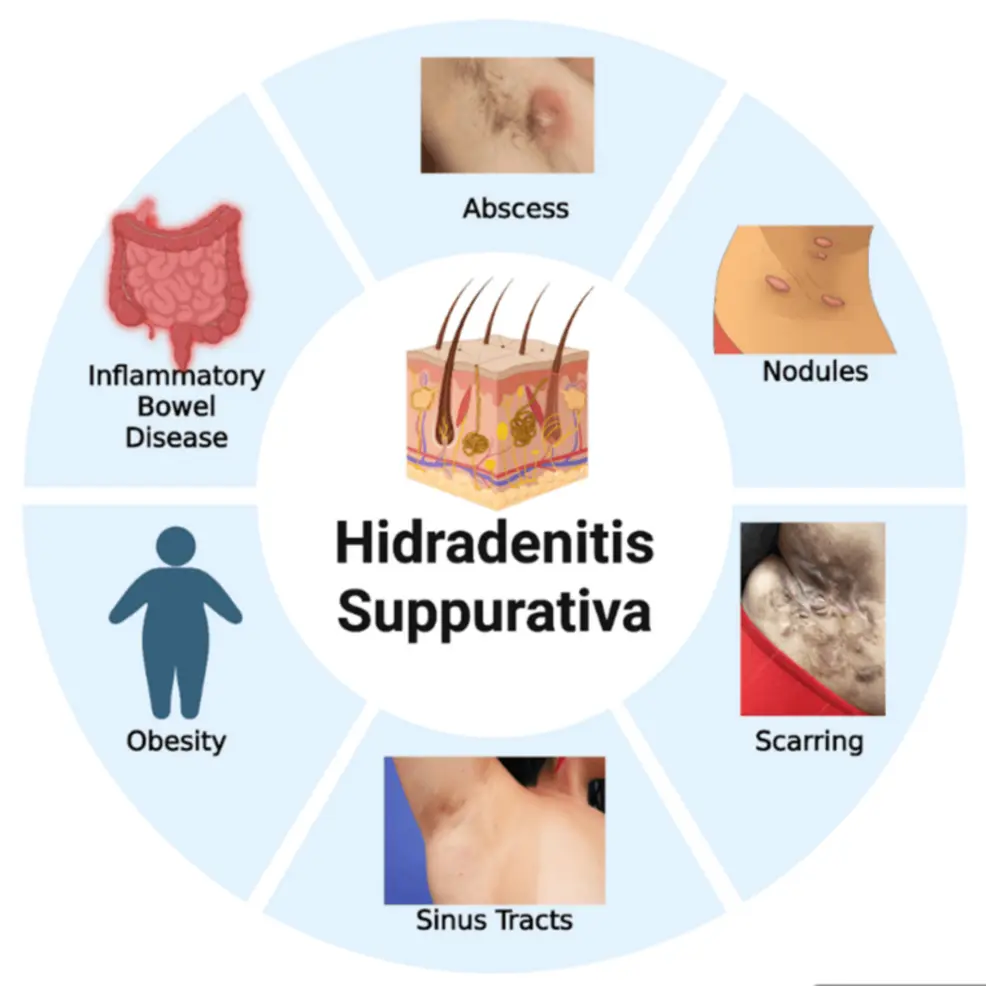
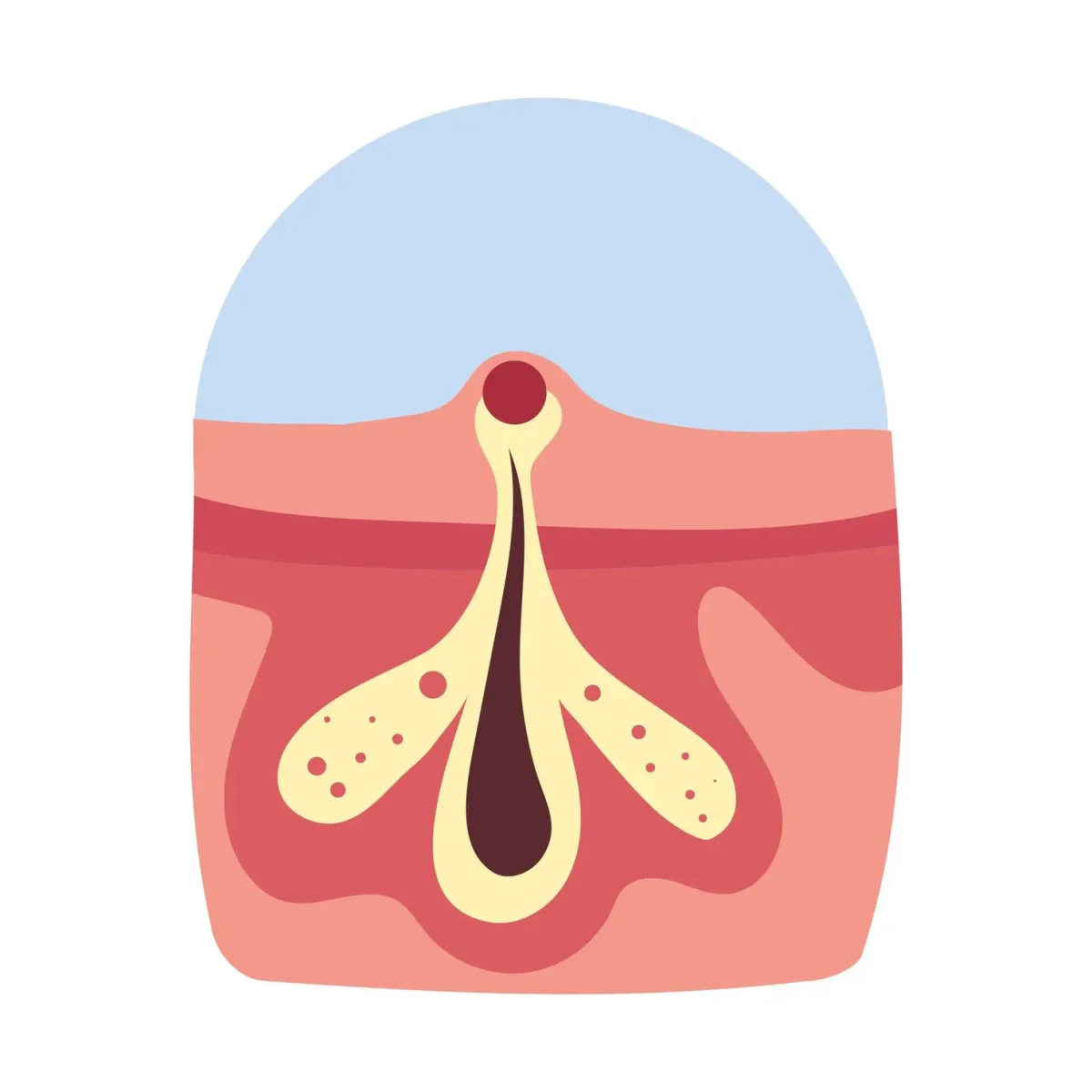
Hidradenitis suppurativa (HS) is a condition that causes painful, recurring boils in areas of your body with sweat glands. There isn’t a cure, but treatment can help manage symptoms and prevent new boils and scarring. Another name for HS is acne inversa.
Acne
Acne is a common skin condition that develops when hair follicles become clogged with oil and dead skin cells. This blockage can lead to whiteheads, blackheads, or pimples. Acne is most often associated with teenagers, but it can affect people of all ages. Although effective treatments are available, acne can be persistent. Individual pimples may heal slowly, and new breakouts …
Infant Reflux
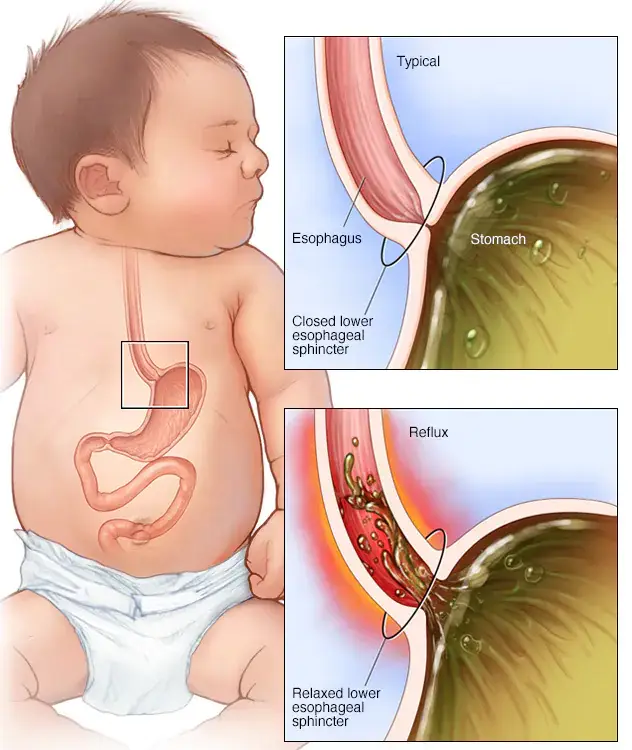
Reflux (acid reflux) is when food from your baby’s stomach travels back up into their esophagus. This may lead to spitting up and/or vomiting. In most babies, acid reflux isn’t problematic. It happens because your baby’s digestive tract isn’t fully mature yet. Your baby might spit up a lot — even daily — but have no health issues. Healthcare providers call such babies “happy spitters.” …
Achalasia
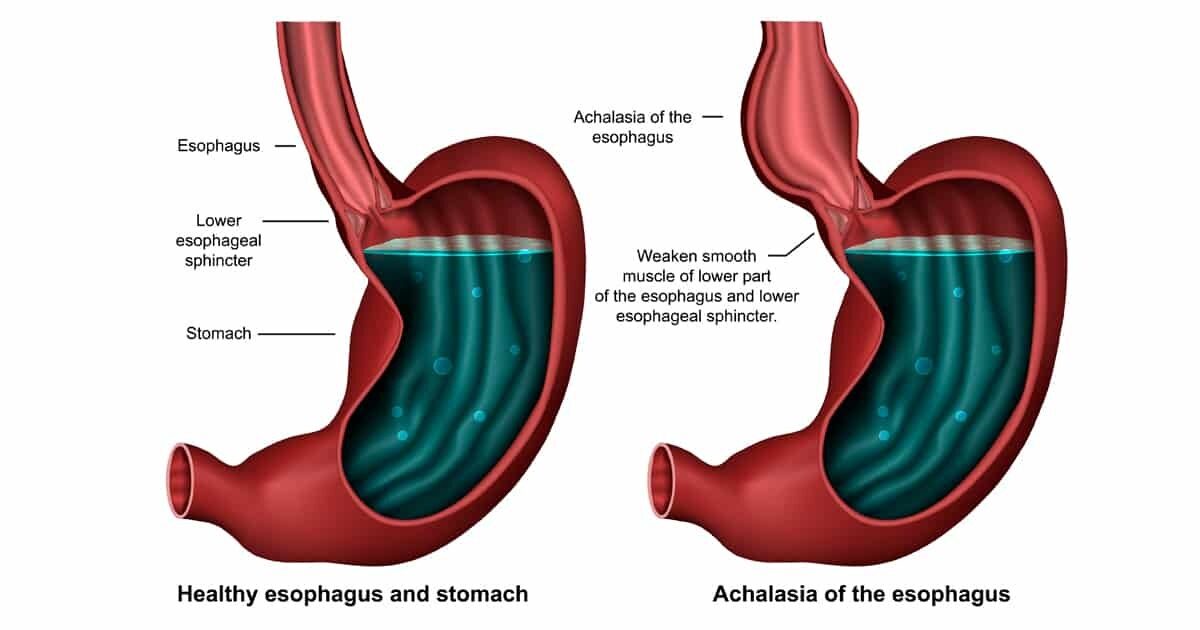
Symptoms Achalasia symptoms usually develop slowly and tend to worsen over time as the esophagus becomes less able to move food and liquid into the stomach. Early symptoms may be mild and easy to overlook, but they often become more persistent. Common symptoms of achalasia include: Difficulty swallowing, known as dysphagia, which may feel like food or liquids are stuck …
Radiation Sickness
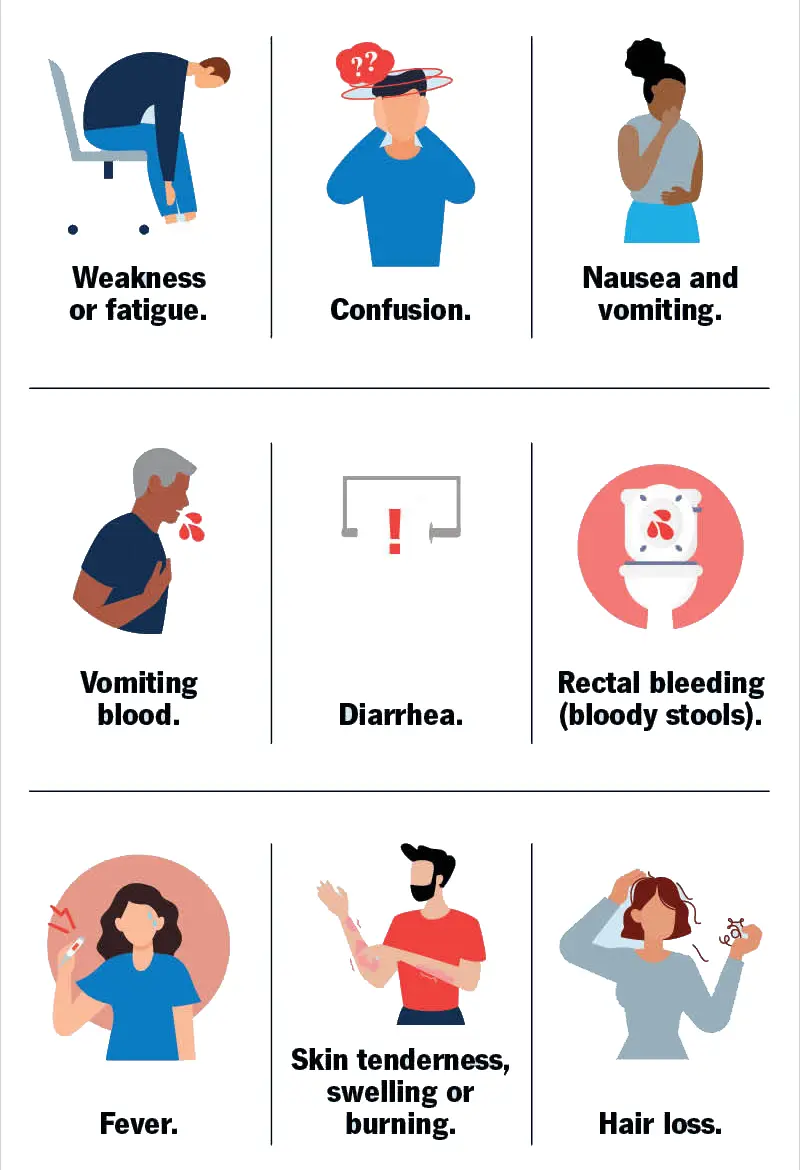
Radiation sickness, also known as acute radiation syndrome (ARS) or “radiation poisoning,” is a life-threatening condition that results from prolonged or significant exposure to ionizing radiation. Ionizing radiation is energy used to generate power in manufacturing, industrial and military settings. It’s used in small doses for some medical procedures. Radiation sickness is generally associated with acute (sudden and severe) exposure, …