Ulcerative Colitis

webdev

Ulcerative colitis (UC) is a lifelong condition that causes inflammation and ulcers inside your colon (large intestine). UC is one of the most common types of inflammatory bowel disease (IBD), alongside Crohn’s disease. UC often causes bloody diarrhea and abdominal cramping. It may make you have to poop more. Most people with UC experience periods when they experience symptoms (flare-ups), followed by longer …

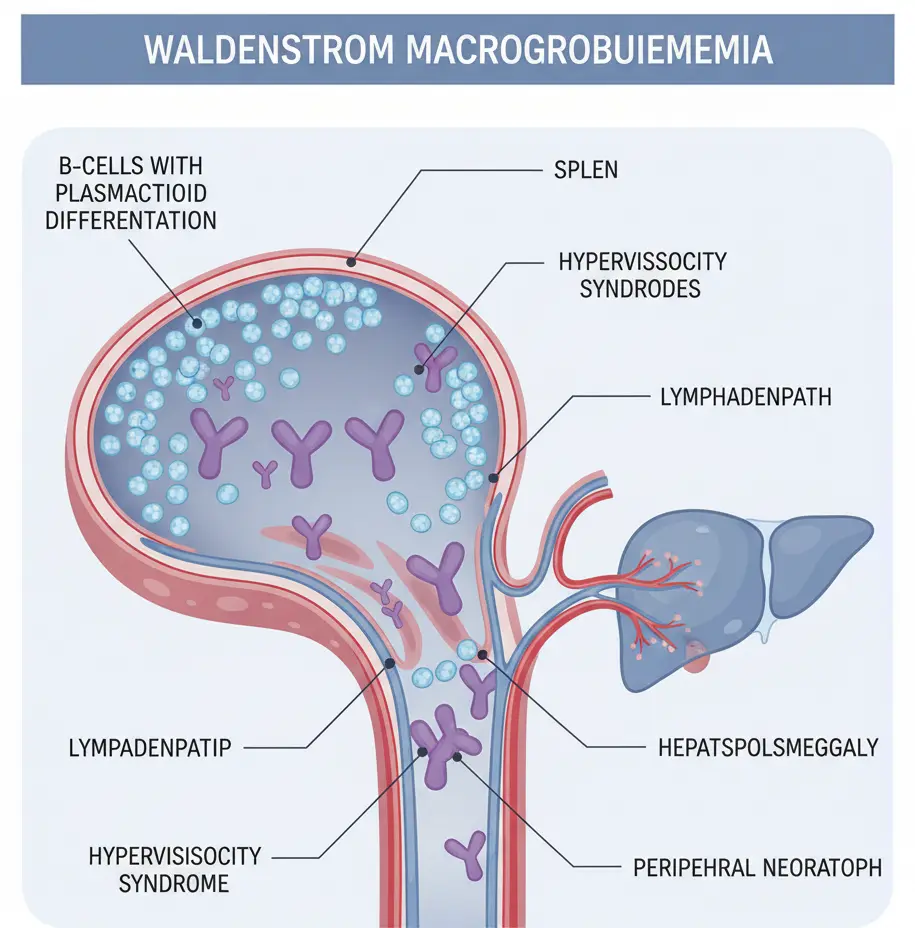
Waldenstrom Macroglobulinemia

webdev

Waldenstrom macroglobulinemia is a rare slow-growing cancer that affects your blood cells. It’s a type of non-Hodgkin’s lymphoma. (Healthcare providers may refer to this condition by the initials WM or the name lymphoplasmacytic lymphoma). WM happens when genetic mutations change certain blood cells, setting up a chain reaction of medical conditions that may be life-threatening. Providers can’t cure this condition, but they do …

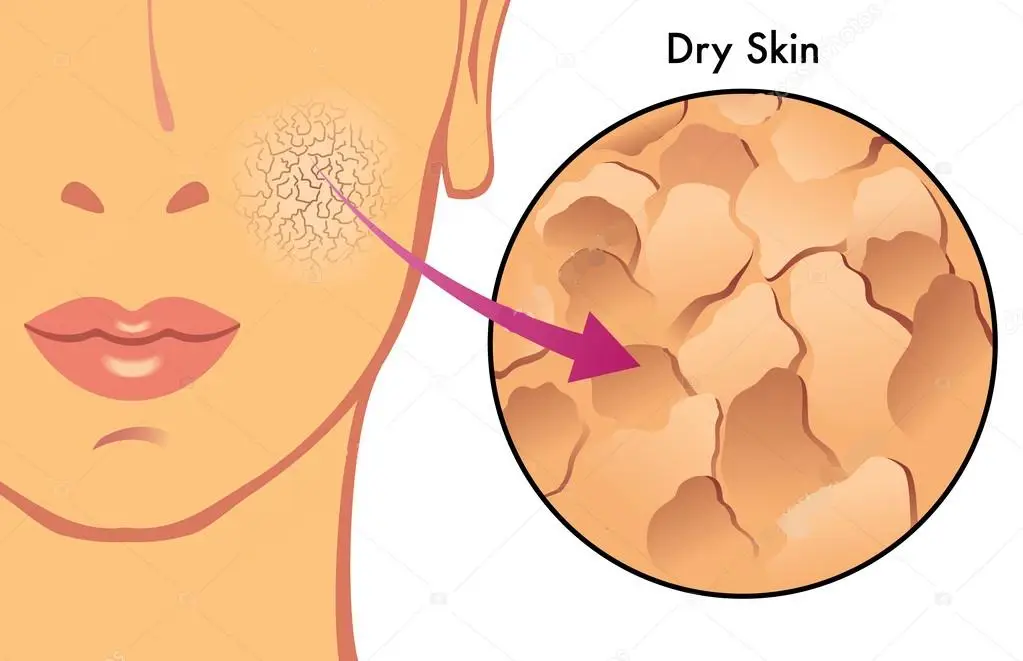
Dry Skin

webdev

Dry skin is skin that doesn’t have enough moisture in it to keep it feeling soft. The medical term for dry skin is xeroderma (pronounced “ze-ROW-derm-ah”). Xerosis (pronounced “ze-ROW-sis”) is severely dry skin. Dry skin feels like rough patches of your skin that can flake or look scaly. If your skin is dry, it may or may not be itchy (pruritis). Severe dry …

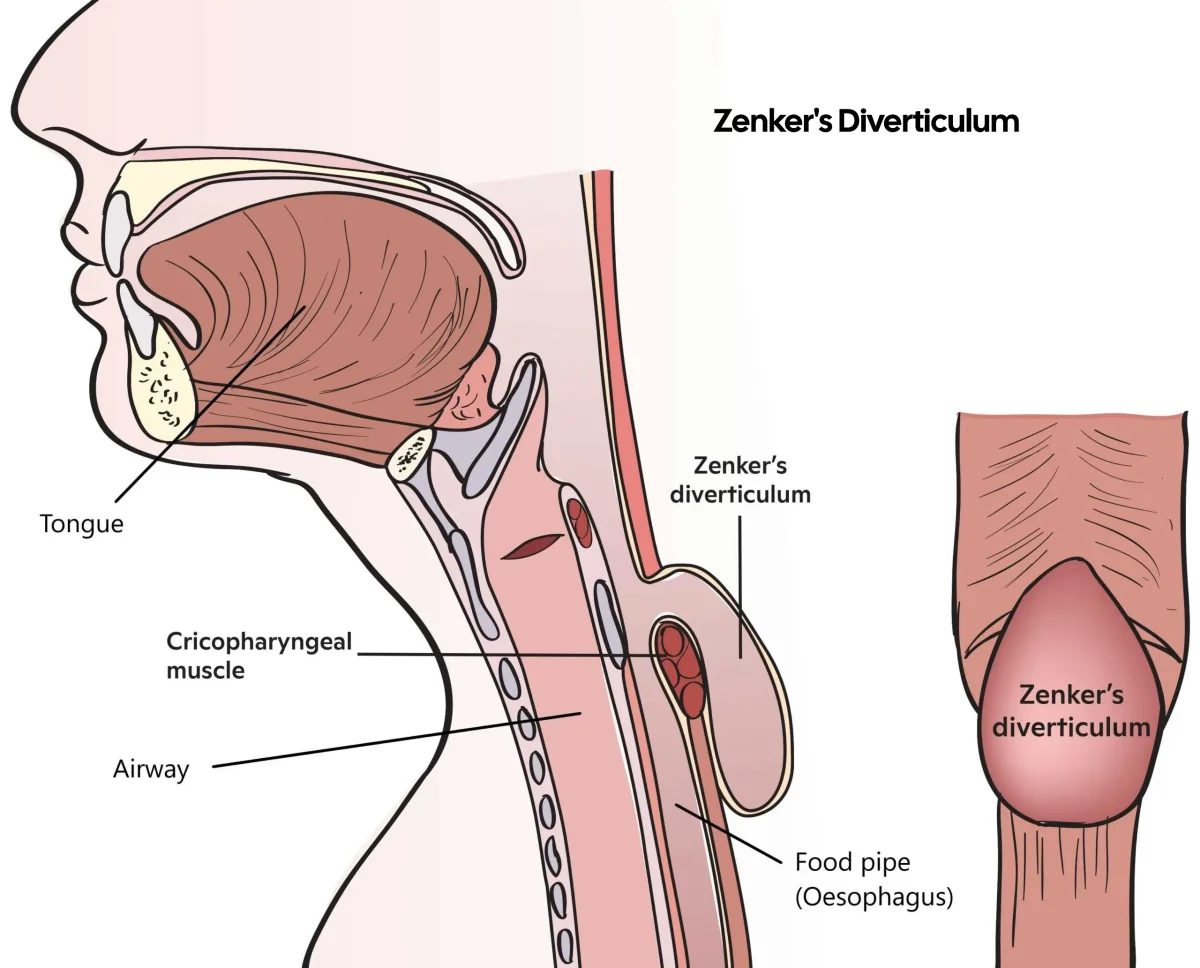
Zenker’s Diverticulum

webdev

Zenker’s diverticulum is a condition in which a pouch forms in the upper part of the esophagus, just above the muscle that opens to allow food to pass into the stomach. The esophagus is the tube that carries food from the mouth to the stomach. This pouch develops when pressure builds up during swallowing, causing the inner lining of the …

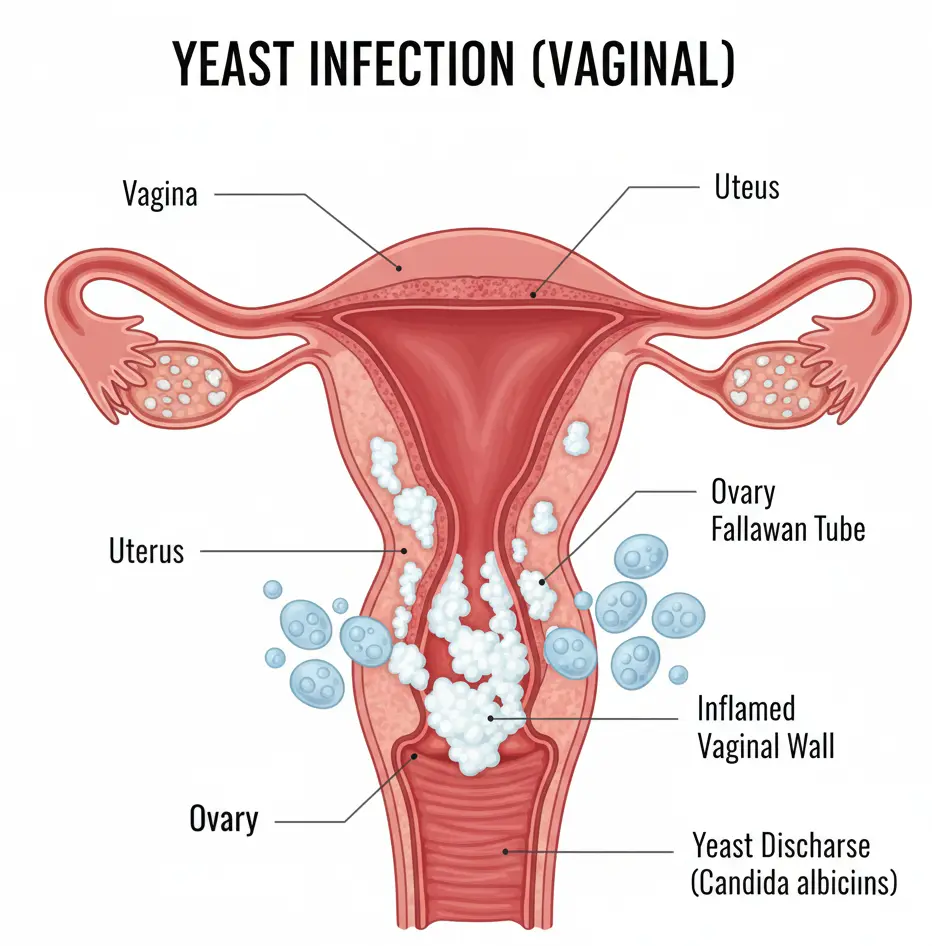
Yeast Infection (Vaginal)

webdev

A yeast infection is a common fungal infection caused by an overgrowth of yeast, most often Candida albicans. Yeast normally lives on the skin and inside the body in small amounts without causing harm. When the balance of microorganisms is disrupted, yeast can multiply and lead to infection. Yeast infections most commonly affect the vagina, mouth, skin folds, and diaper …

Jet Lag Disorder

webdev

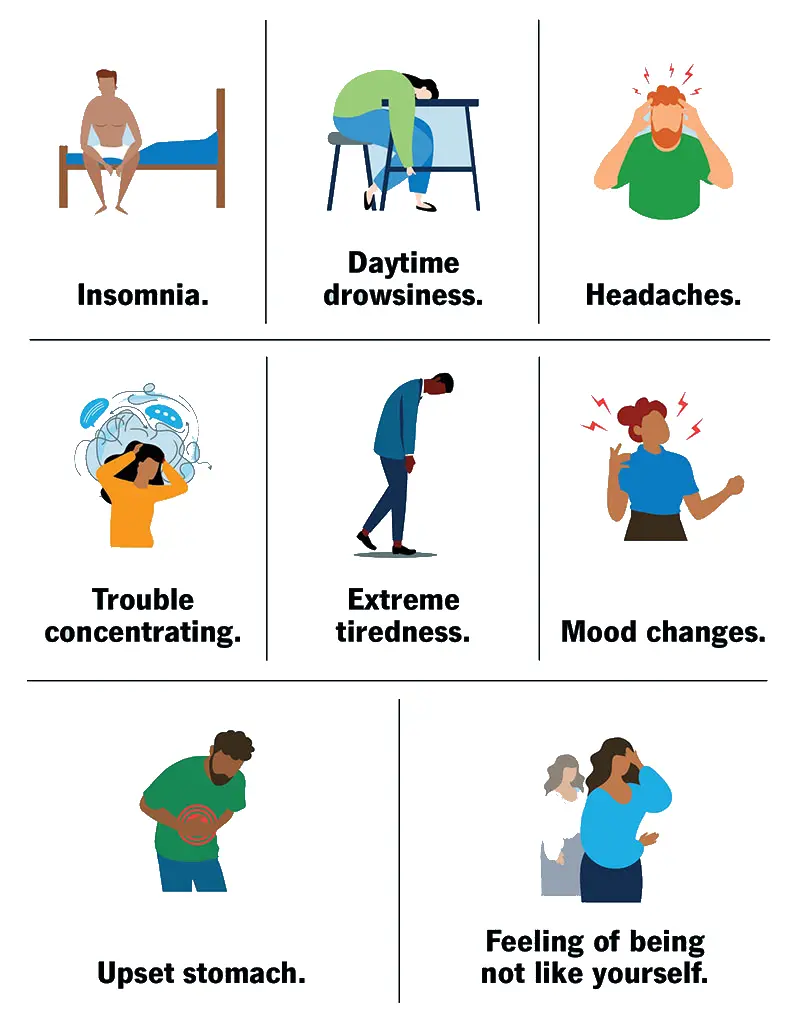
Jet lag, also called jet lag disorder, is a temporary sleep problem that can affect anyone who quickly travels across several time zones. Your body has its own internal clock, called circadian rhythms. They signal to your body when to stay awake and when to sleep. Jet lag occurs because your body’s internal clock is synced to your original time …

Jellyfish Stings

webdev

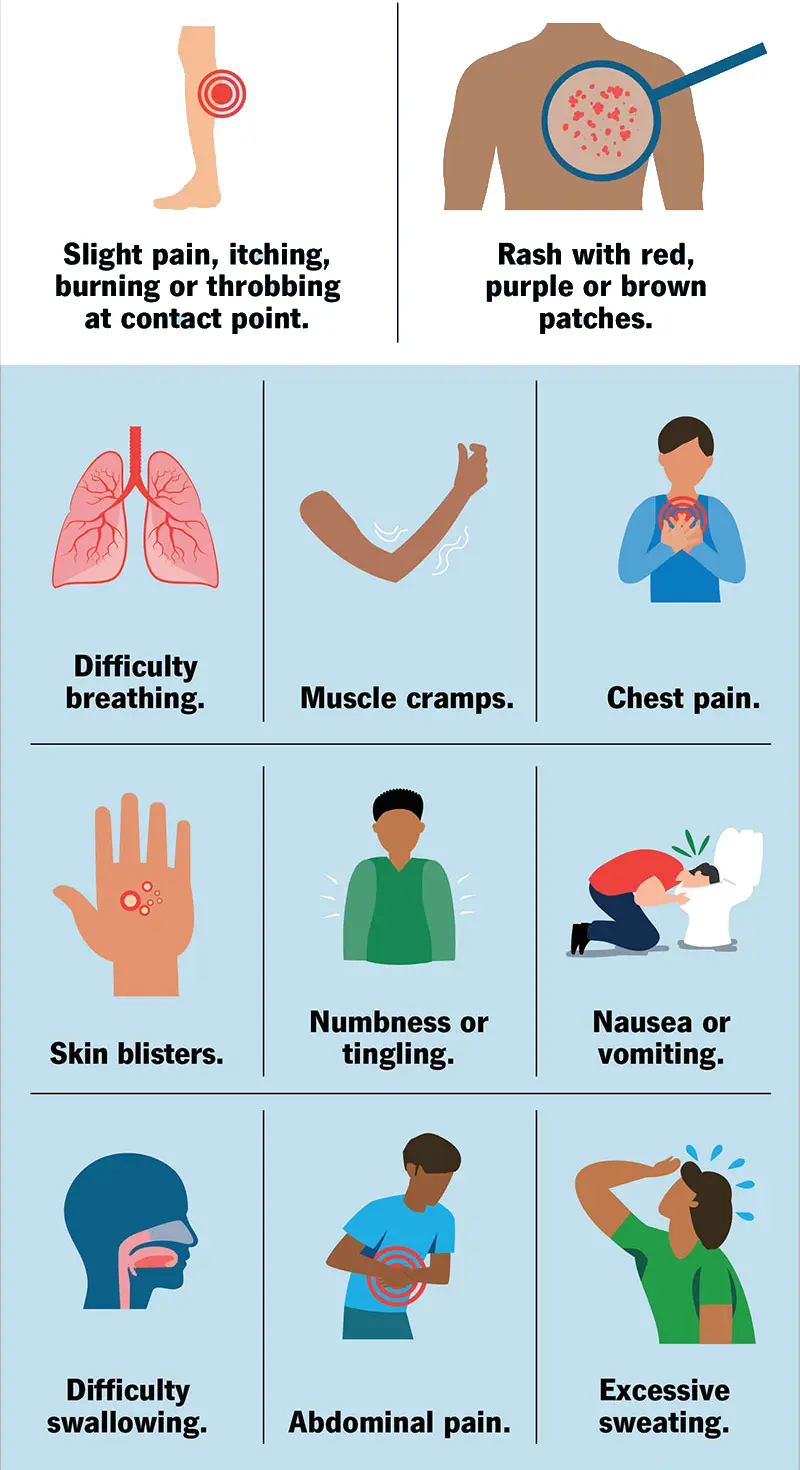
Jellyfish are sea creatures that live in all of the world’s oceans. They have soft, bell-shaped bodies with lengthy, finger-like structures called tentacles. Jellyfish have stinging cells called nematocysts inside of their tentacles. A single tentacle may contain thousands of nematocysts. Nematocysts contain a poisonous substance (venom) that helps jellyfish protect themselves. The venom also helps them capture food by …

H1N1 Flu (Swine Flu)

webdev

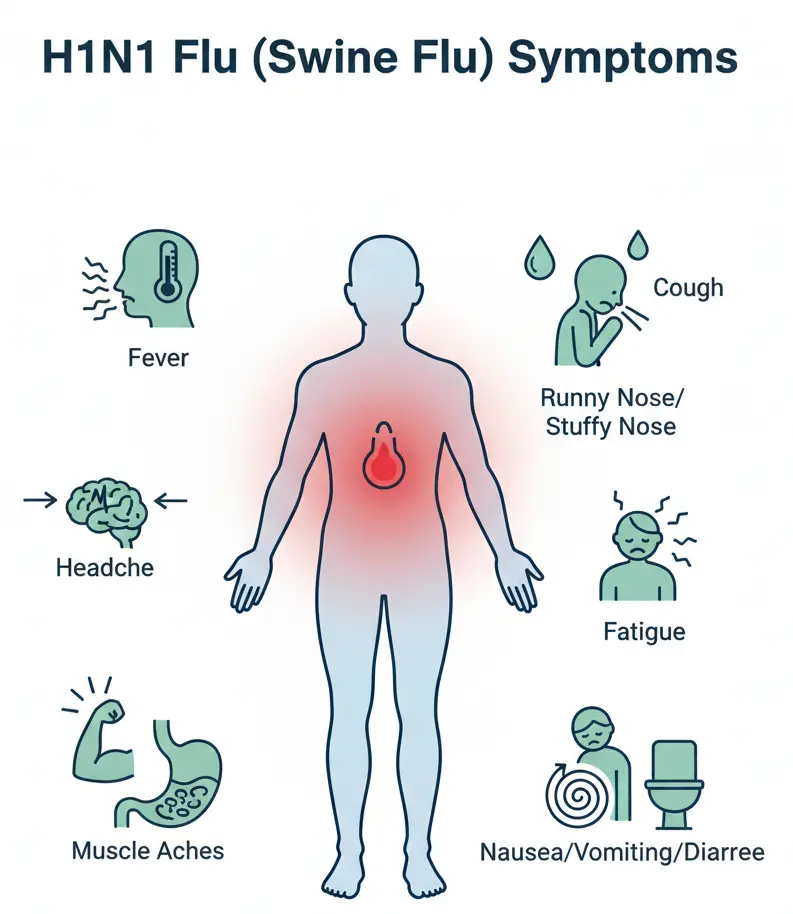
Swine flu (H1N1) is an infection that a type of flu (influenza) virus causes. It’s called swine flu because it’s similar to a flu virus that affects pigs (swine). The virus leads to a lung (respiratory) disease in pigs. Swine flu (H1N1) is a respiratory infection in humans. Are swine flu (H1N1) and Spanish flu the same thing? In 1918, a flu …

Galactorrhea

webdev

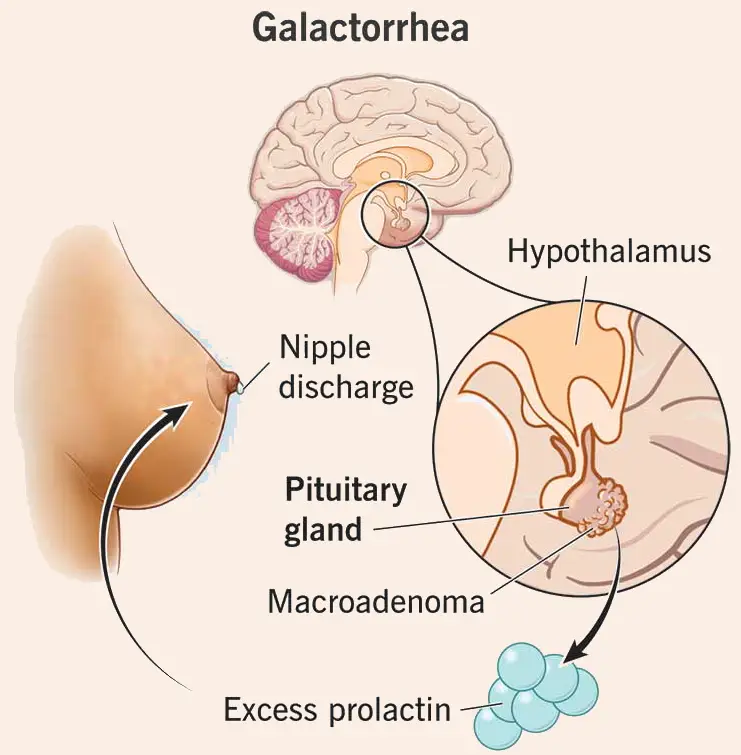
Galactorrhea (guh-lack-toe-REE-uh) happens when your breasts unexpectedly produce milk or a milk-like discharge. This nipple discharge may leak from your breast on its own or when touched. It’s not related to milk production in breastfeeding (chestfeeding) or pregnancy. Galactorrhea sometimes indicates an underlying health condition, but is most often caused by too much prolactin. Prolactin is a hormone that triggers milk production. It’s made by your pituitary …

Hirsutism

webdev

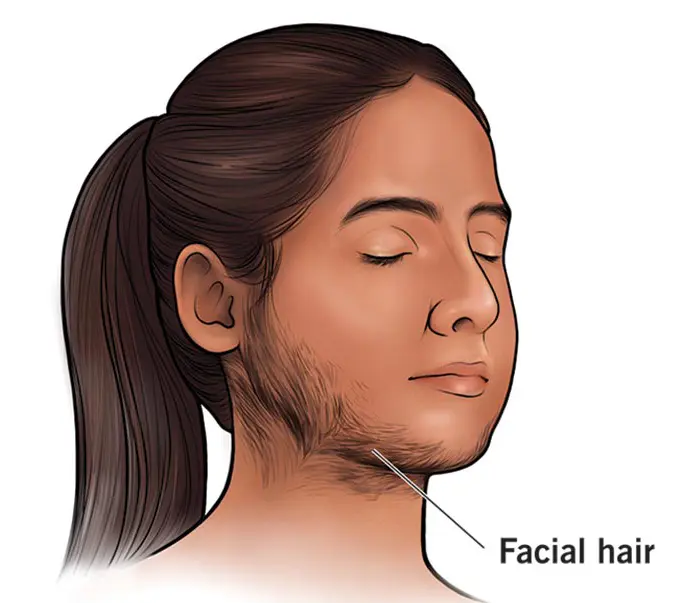
Hirsutism is a common condition that causes excessive hair growth. It primarily affects women and people assigned female at birth (AFAB). You may develop coarse, dark hair growth on your upper lip, chin, chest, abdomen or back instead of the fine hair sometimes referred to as “peach fuzz” that commonly grows in those areas. Hirsutism can cause distress, but it’s …