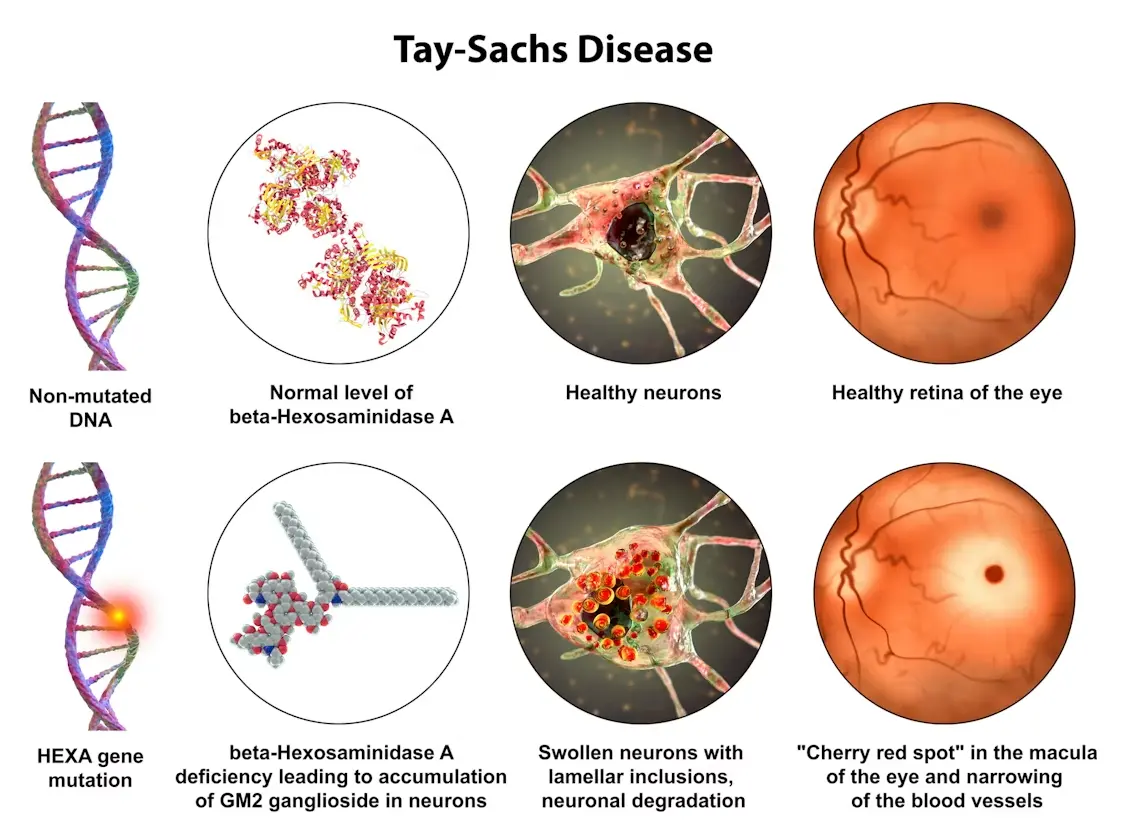
Diagnosis Diagnosing Tay-Sachs disease typically involves reviewing symptoms, discussing any family history of hereditary disorders and doing a physical examination. Your child may also be referred to specialists such as a neurologist for a detailed nervous system evaluation and an ophthalmologist for an eye exam. Several tests help confirm the diagnosis and identify the genetic cause of the condition. A …
Total Anomalous Pulmonary Venous Return (TAPVR)
Diagnosis A congenital heart defect may be diagnosed during pregnancy or after birth. Some heart defects can be seen on a routine fetal ultrasound. After birth, a healthcare professional may suspect a congenital heart defect if the baby shows: • Growth delays• Color changes in the lips, tongue, or nails• Heart murmurs detected with a stethoscope. Most murmurs are harmless, …
Tapeworm Infection
Diagnosis Diagnosing a tapeworm infection depends on whether the infection involves adult tapeworms in the intestines or larval cysts in other parts of the body. For an intestinal infection, a healthcare provider examines stool samples. A lab test may find tapeworm segments or eggs, and you may need to provide samples on more than one day to confirm the diagnosis. …
Systemic Mastocytosis
Diagnosis To diagnose systemic mastocytosis, your doctor will review your symptoms and medical history, including medications you’ve taken. Tests are then ordered to detect high levels of mast cells or the substances they release and to evaluate affected organs. Tests may include: Blood or urine tests Bone marrow biopsy Skin biopsy Imaging tests such as X-ray, ultrasound, bone scan, and …
Syringomyelia
Diagnosis Your healthcare professional will review your medical history and perform a complete physical exam. Sometimes syringomyelia is discovered incidentally during an MRI or CT scan of the spine done for another reason. If syringomyelia is suspected, tests may include: MRI. This is the most reliable tool for diagnosing syringomyelia. It uses radio waves and a strong magnetic field to …
Syphilis
Diagnosis Syphilis can sometimes be detected with an at-home test, but a positive result needs confirmation by a healthcare professional to start treatment. Healthcare professionals diagnose syphilis by testing samples of: Blood. Tests detect antibodies that the immune system produces to fight the bacteria causing syphilis. These antibodies can remain in the body for years, showing a current or past …
Synovial Sarcoma
Diagnosis Synovial sarcoma is usually slow growing, so it may take years before a diagnosis is made. Sometimes it is initially mistaken for a joint problem, such as arthritis or bursitis. Tests and procedures used to diagnose synovial sarcoma include: Imaging tests. MRI scans, X-rays, and CT scans can show the location, size, and spread of the sarcoma. Biopsy. A …
Suspicious Breast Lumps
Diagnosis Diagnosis of a breast lump begins with a physical exam and may include imaging tests and biopsies to determine the cause. During the exam, your healthcare professional checks the breasts, chest wall, underarms, and neck while you are sitting upright and lying on your back. Imaging tests often include: Diagnostic mammogram, an X-ray that captures black-and-white images of the …
Supraventricular Tachycardia
Diagnosis Supraventricular tachycardia (SVT) is diagnosed by a healthcare professional through a physical examination, listening to the heart, and taking blood pressure. Your provider will ask about your symptoms, medical history, and health habits. Tests to confirm SVT may include: Blood tests to check for causes of a fast heartbeat, such as thyroid disease. Electrocardiogram (ECG or EKG) to measure …
Sunburn
Diagnosis Sunburn is usually diagnosed by a healthcare professional based on the appearance of the skin and a review of recent sun exposure. Your provider may ask about: Duration and intensity of sun exposure. Use of sunscreen or protective clothing. Previous history of sunburn or skin conditions. In most cases, no additional tests are needed, as the redness, pain, and …