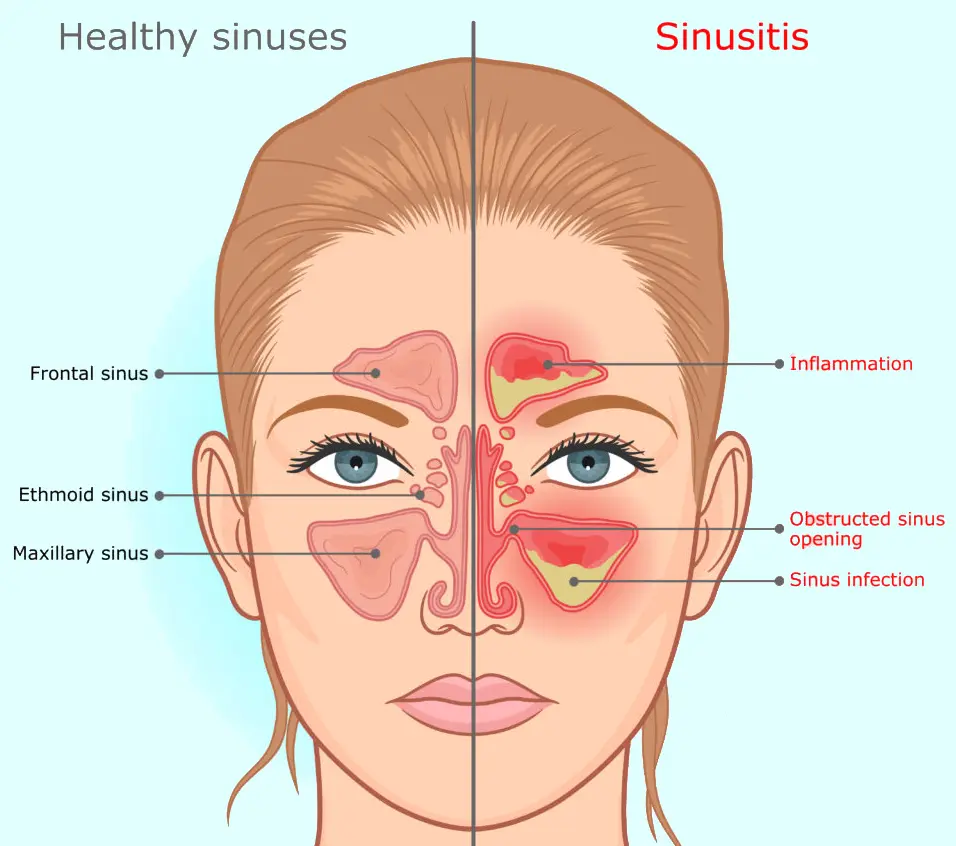
Diagnosis To diagnose chronic sinusitis, your healthcare provider will ask about your symptoms and perform a physical exam. The exam may include gently pressing on your nose and face to check for tenderness and using a lighted tool to look inside your nose. Additional tests that help confirm chronic sinusitis or rule out other causes include: • Nasal endoscopy – …
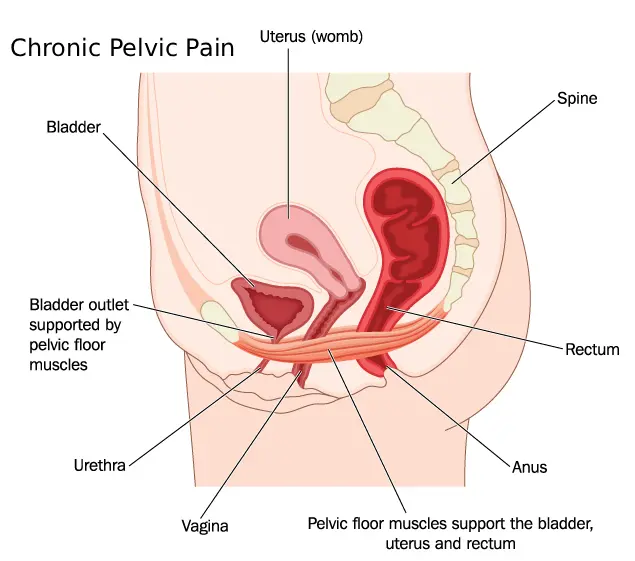
Chronic Pelvic Pain
Diagnosis To determine the cause of chronic pelvic pain, your healthcare team will ask detailed questions about your symptoms, medical history, and family health conditions. You may also be asked to keep a journal of your pain and other symptoms to help describe how the pain affects your daily life. Common tests and exams include: • Pelvic exam – This …
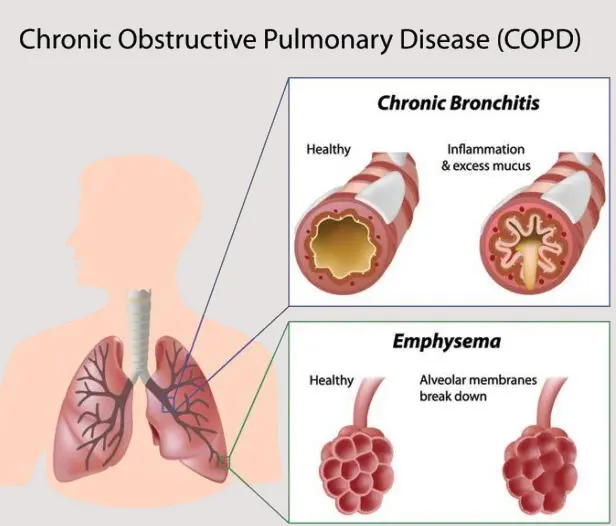
COPD
Diagnosis Chronic obstructive pulmonary disease (COPD) can be difficult to diagnose because its symptoms often resemble those of other lung conditions. Many people are not diagnosed until the disease has already progressed. To diagnose COPD, your healthcare professional reviews your symptoms, medical and family history, and exposure to lung irritants such as cigarette smoke. A physical exam is performed, including …
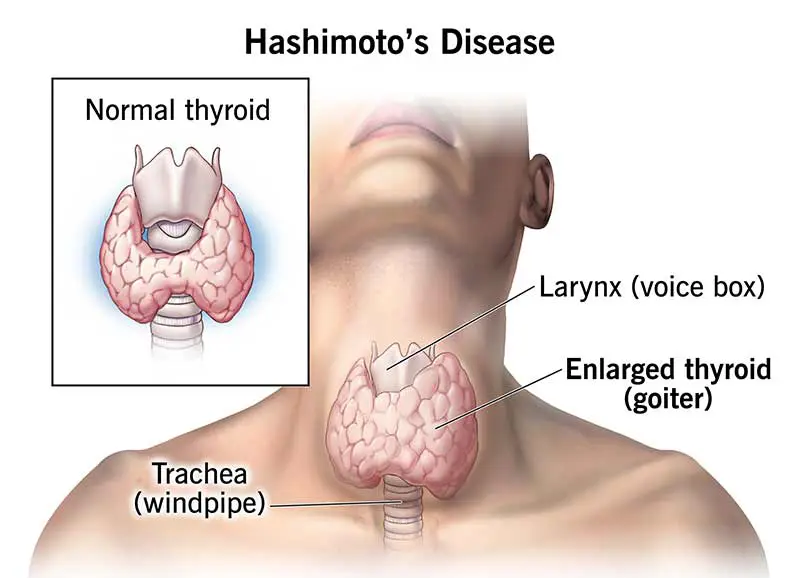
Hashimoto’s Disease
Diagnosis of Hashimoto’s Disease Hashimoto’s disease can cause hypothyroidism, but other conditions may produce similar symptoms. Diagnosis involves a thorough physical exam, review of medical history, and assessment of symptoms. Testing Thyroid Function To determine if hypothyroidism is the cause, your healthcare provider may order blood tests: TSH test: Measures thyroid-stimulating hormone. High levels indicate the thyroid is underactive. T-4 …
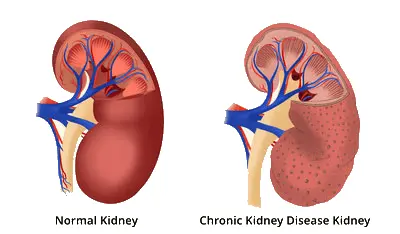
Chronic Kidney Disease
Diagnosis Diagnosing kidney disease begins with a detailed discussion of your personal and family medical history. Your doctor may ask if you have high blood pressure, take medications that could affect kidney function, have noticed any changes in urination, or have family members with kidney disease. A physical exam is then performed to check for signs of heart or blood …
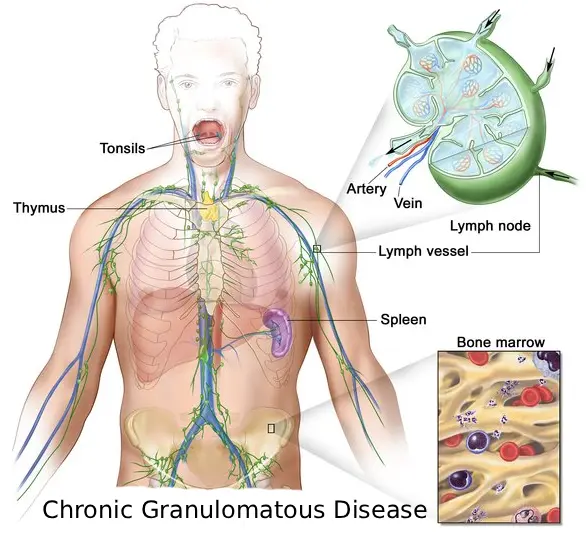
Chronic Granulomatous Disease
Diagnosis To diagnose chronic granulomatous disease (CGD), a healthcare professional will review your medical and family history and perform a physical examination. Several tests are used to confirm the diagnosis, including: Neutrophil function tests: The dihydrorhodamine 123 (DHR) test or similar tests measure how well neutrophils, a type of white blood cell, are functioning. This is the most common test …
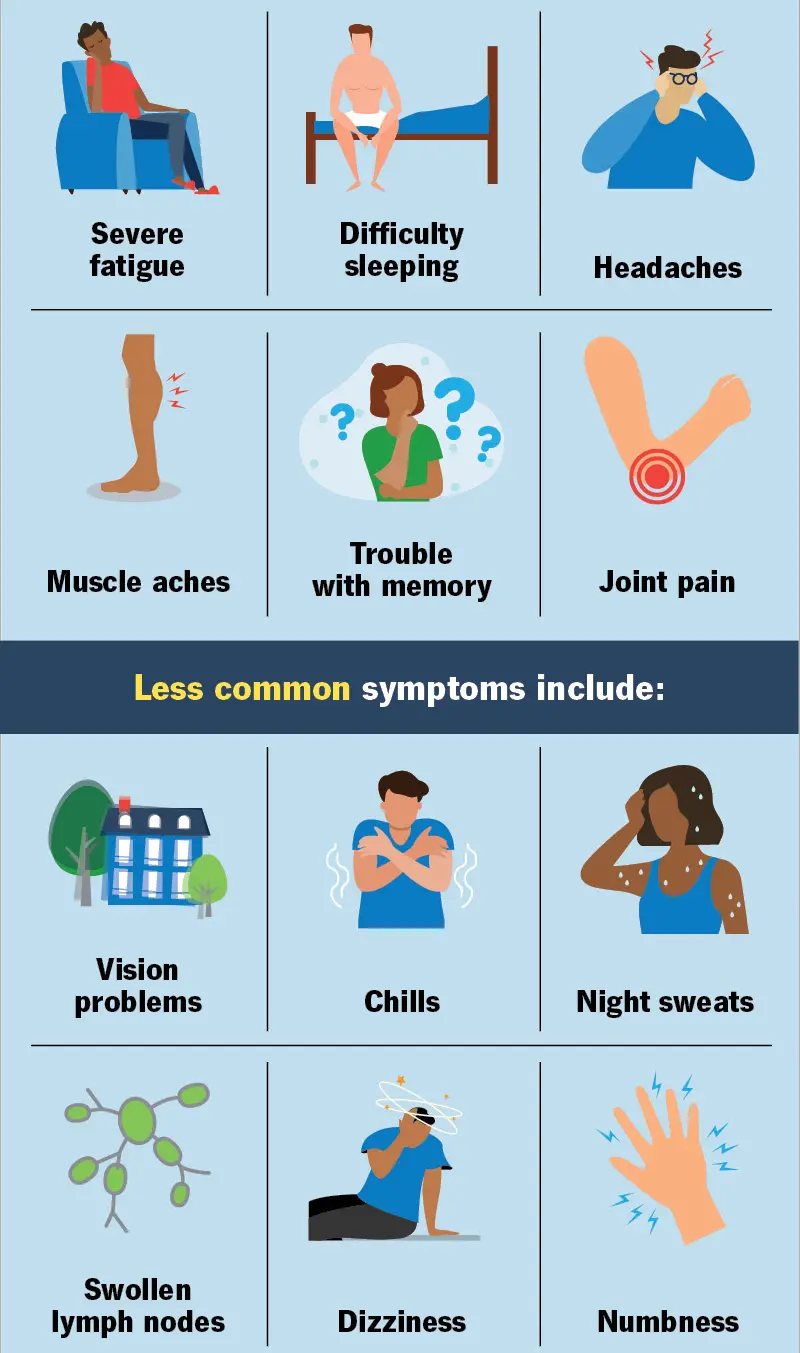
Myalgic Encephalomyelitis/Chronic Fatigue Syndrome (ME/CFS)
Diagnosis There is no single test that confirms a diagnosis of myalgic encephalomyelitis/chronic fatigue syndrome (ME/CFS). Diagnosis is based on symptoms, medical history, and ruling out other conditions that can cause similar problems. Symptoms of ME/CFS often overlap with many other health conditions, so your healthcare provider may evaluate for the following: Sleep disordersFatigue may result from sleep-related conditions. A …
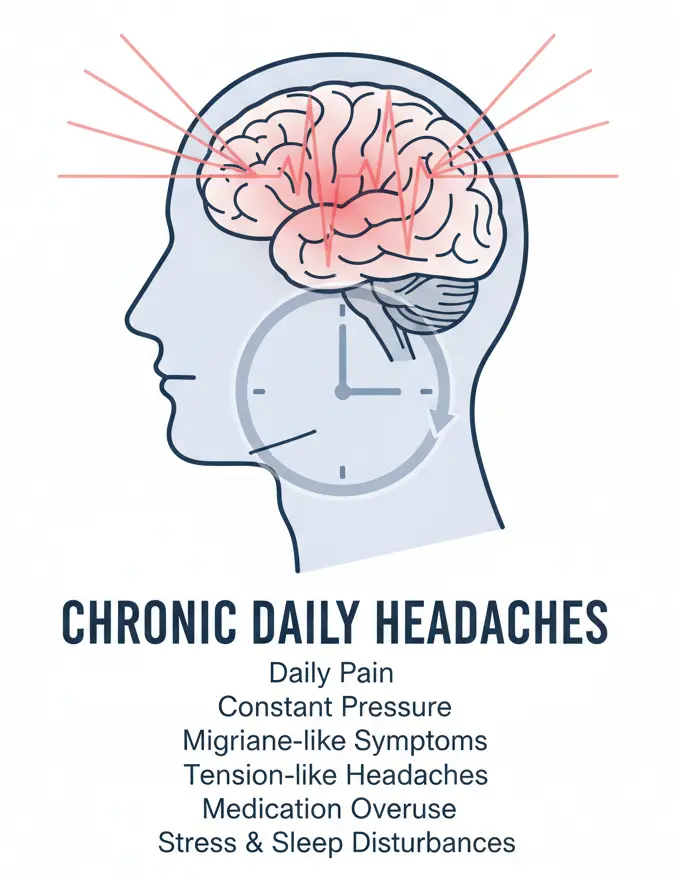
Chronic Daily Headaches
Diagnosis Your doctor will begin by examining you for signs of illness, infection, or neurological problems and will ask detailed questions about your headache history. If the cause of your headaches remains unclear, imaging tests such as a CT scan or MRI may be recommended to identify possible underlying conditions. Treatment When headaches are caused by another medical condition, treating …
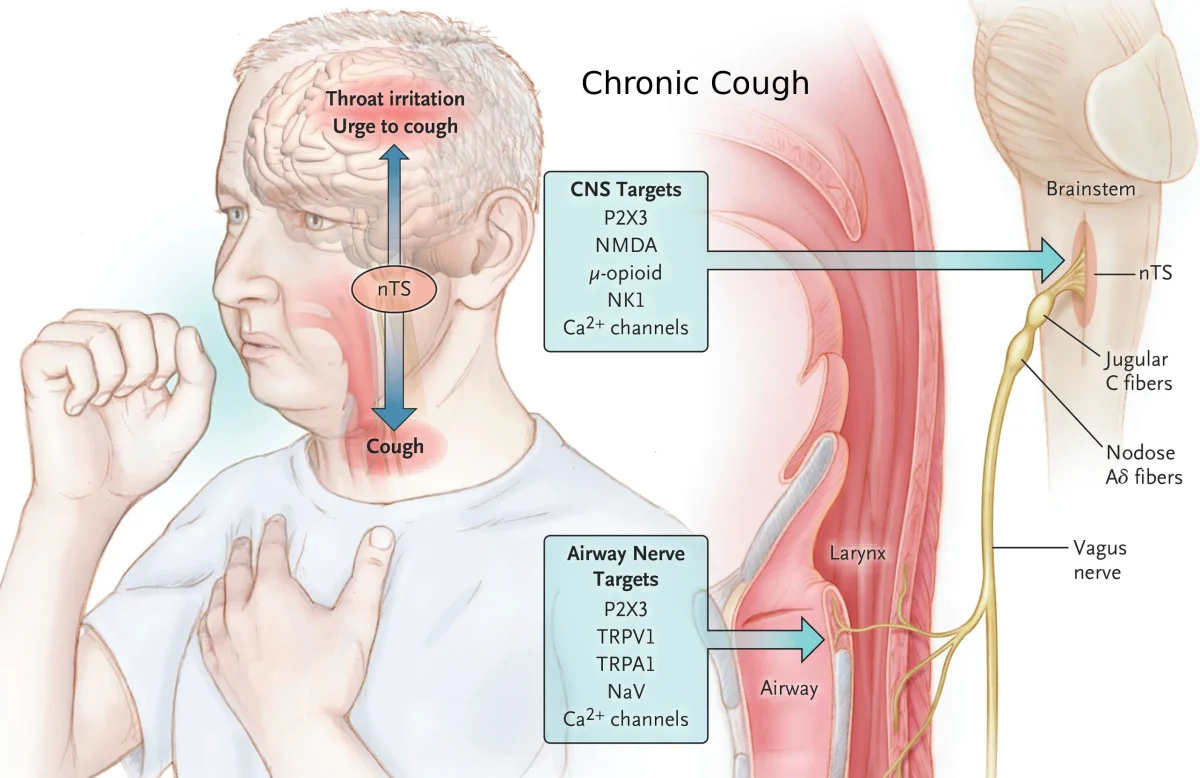
Chronic Cough
Diagnosis Your healthcare professional will begin by reviewing your medical history and performing a physical exam. A detailed history and examination can provide important clues about the cause of a chronic cough. Often, treatment for one of the most common causes is started before ordering expensive tests. If symptoms do not improve, further testing may be needed to check for …
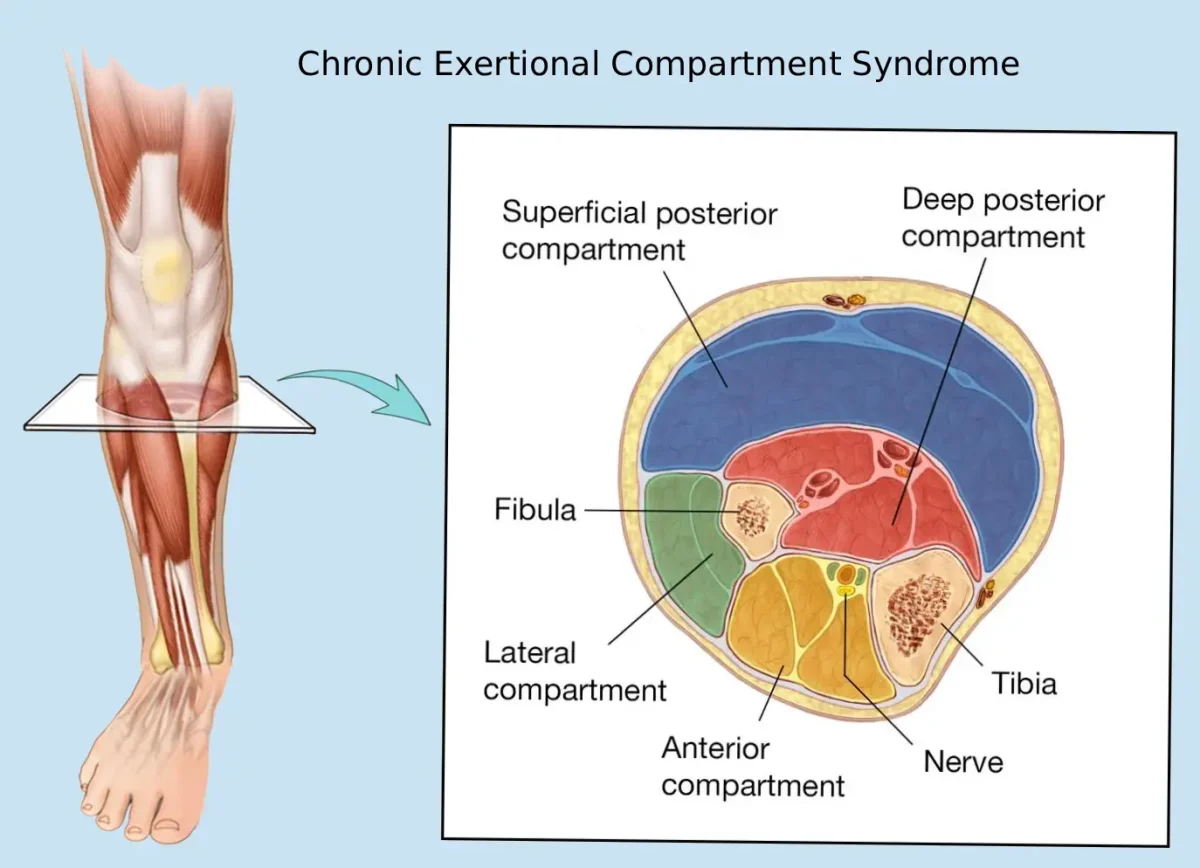
Chronic Exertional Compartment Syndrome
Diagnosis Chronic exertional compartment syndrome can be challenging to diagnose because its symptoms resemble other exercise-related conditions such as shin splints or stress fractures. Your doctor will first rule out these more common causes before recommending specialized tests. A physical exam may not reveal any issues at rest. However, your doctor might examine you after you exercise to the point …