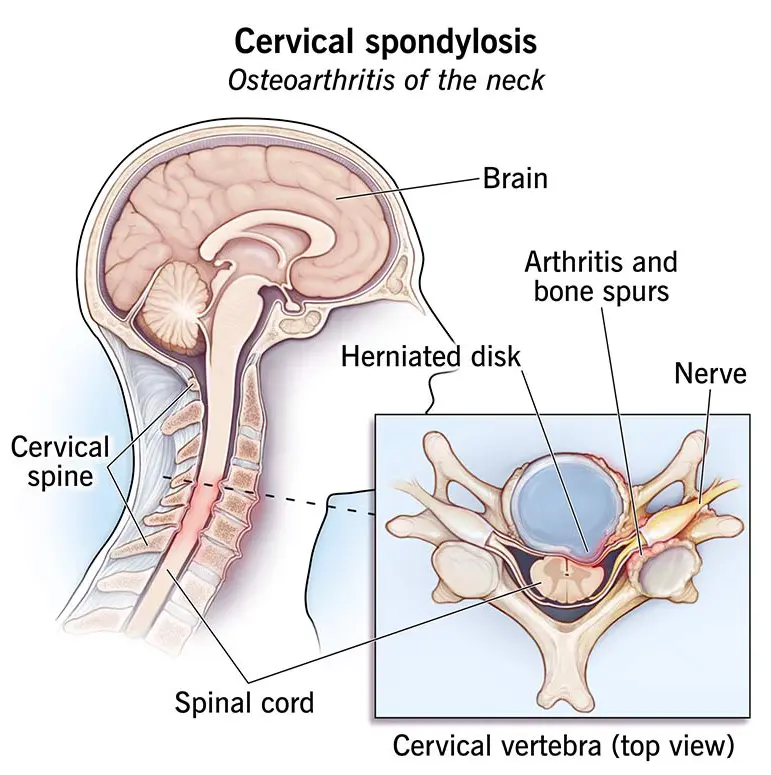
Diagnosis To diagnose cervical spondylosis, your healthcare professional will usually begin with a physical examination that includes: Checking the range of motion in your neck Testing reflexes and muscle strength to determine if there’s pressure on spinal nerves or the spinal cord Observing how you walk to see if spinal compression is affecting your balance or gait Imaging Tests Imaging …
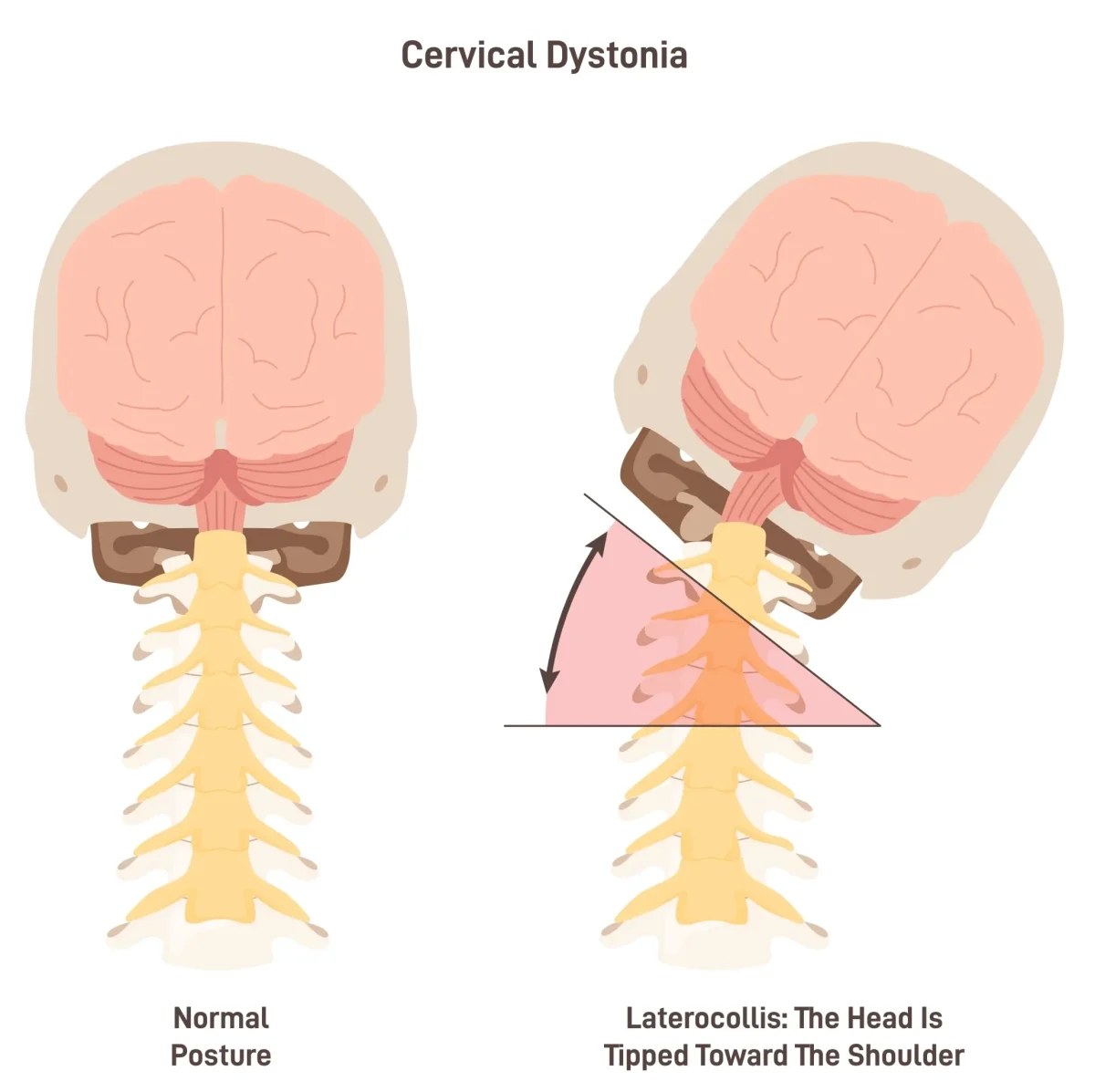
Cervical Dystonia
Diagnosis While a physical examination alone can often confirm a diagnosis of cervical dystonia, your doctor might suggest blood tests or magnetic resonance imaging (MRI) to rule out any underlying conditions causing your signs and symptoms. More InformationElectromyography (EMG)MRI Treatment There is no cure for cervical dystonia. In some people, signs and symptoms may disappear without treatment, but recurrence is …
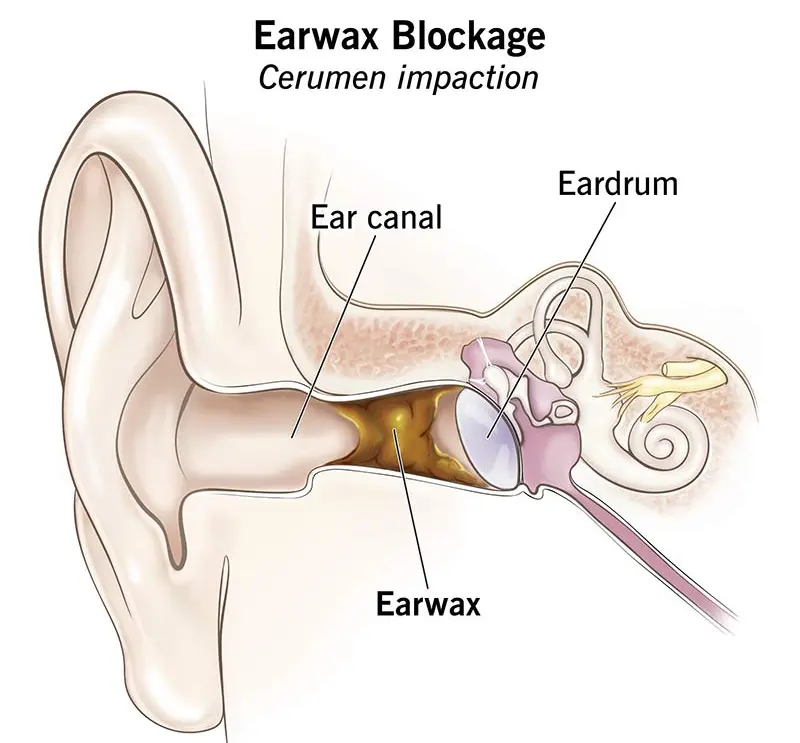
Earwax Blockage
Diagnosis Your healthcare professional can diagnose earwax blockage by examining your ear with an otoscope — a lighted instrument that magnifies the inner ear. This allows a clear view of the ear canal and eardrum to check for wax buildup or other issues. Treatment Treatment for earwax blockage depends on the amount of buildup and your symptoms. Manual removal: A …
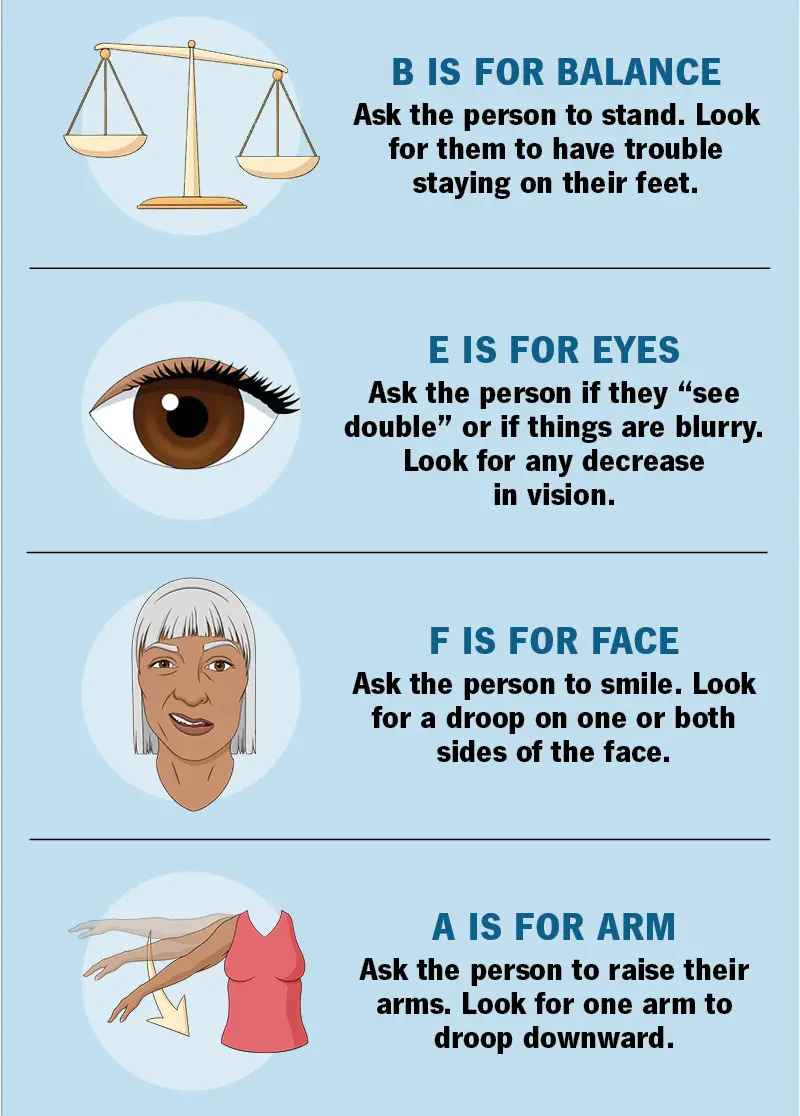
Stroke
Diagnosis When someone arrives at the hospital with stroke symptoms, the medical team works quickly to find out what type of stroke is occurring. Imaging tests are usually done soon after arrival to check for bleeding, blocked blood vessels or other conditions that could cause similar symptoms. A physical exam includes checking the heart, blood pressure and performing a neurological …
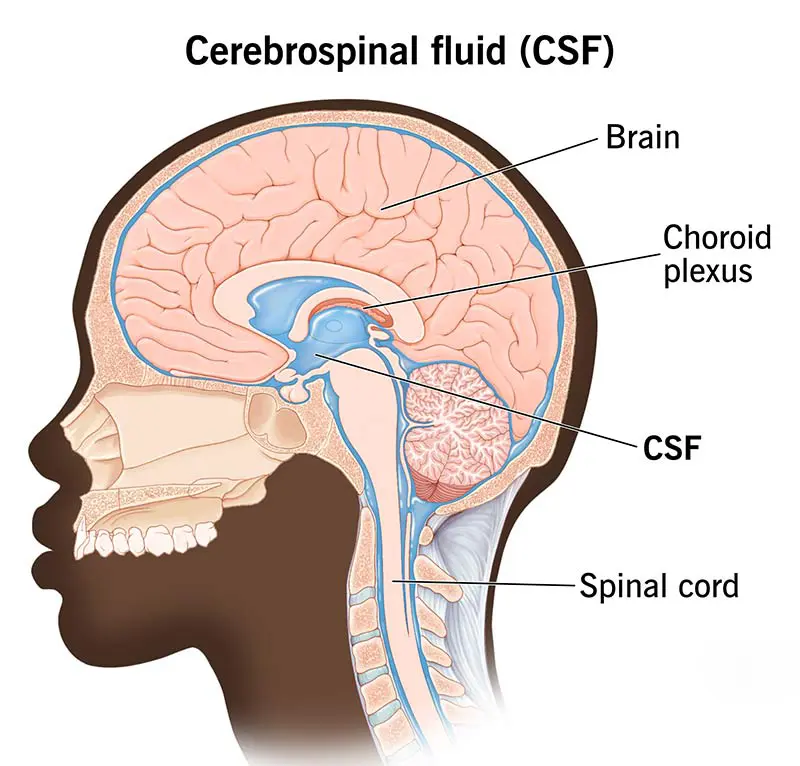
CSF leak (Cerebrospinal Fluid Leak)
Diagnosis A cerebrospinal fluid (CSF) leak can occur either in the spine or the skull. Diagnosis depends on where the leak is located and involves a combination of medical history, physical examination, and imaging tests. Spinal CSF leak Your healthcare professional will begin by reviewing your medical history and performing a physical examination. Tests used to diagnose a spinal CSF …
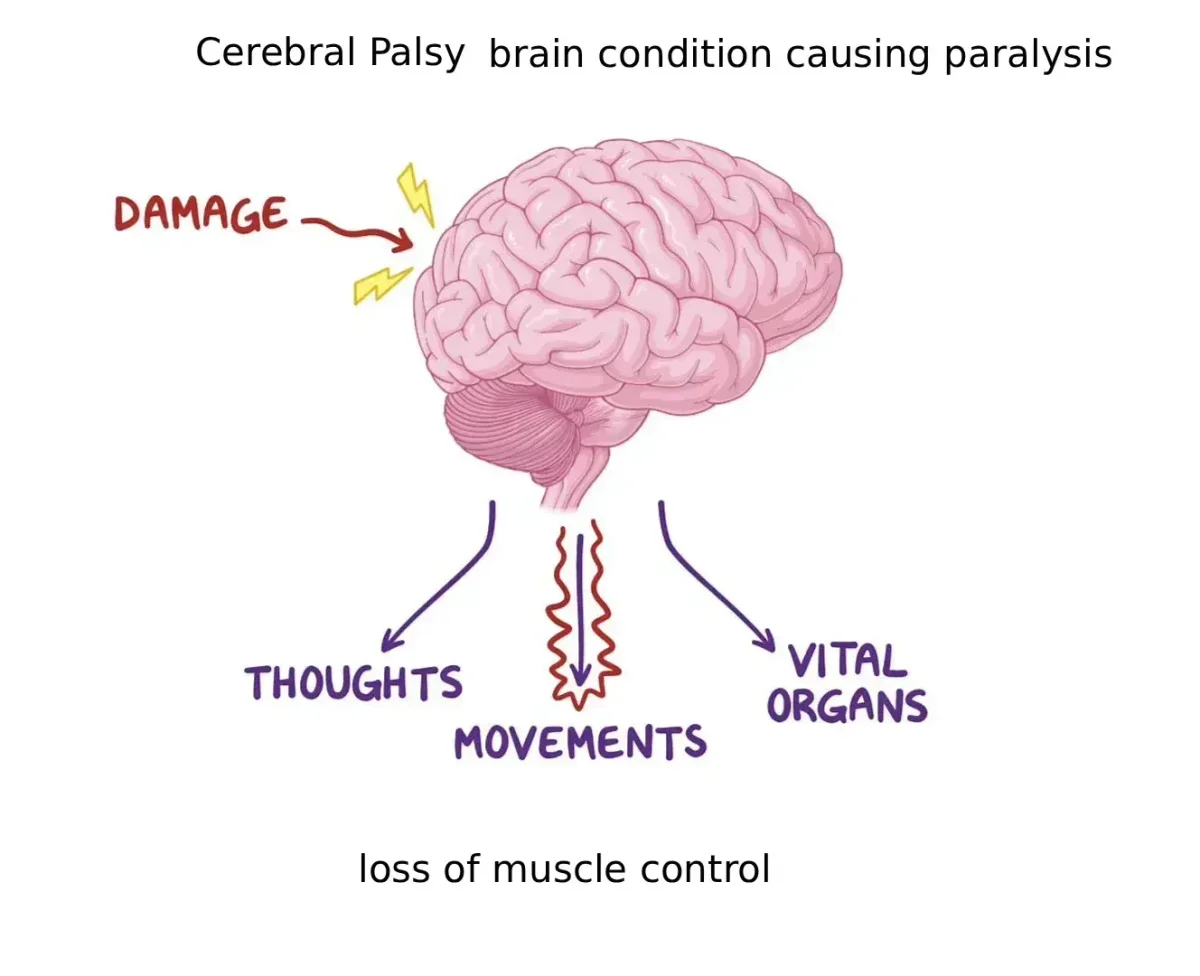
Cerebral Palsy
Diagnosis Symptoms of cerebral palsy often become more noticeable over time. Diagnosis may not occur until a few months or even a year after birth, and if symptoms are mild, it can take longer. If cerebral palsy is suspected, a healthcare professional will carefully evaluate your child’s symptoms, review their medical history, perform a physical examination, and monitor growth and …
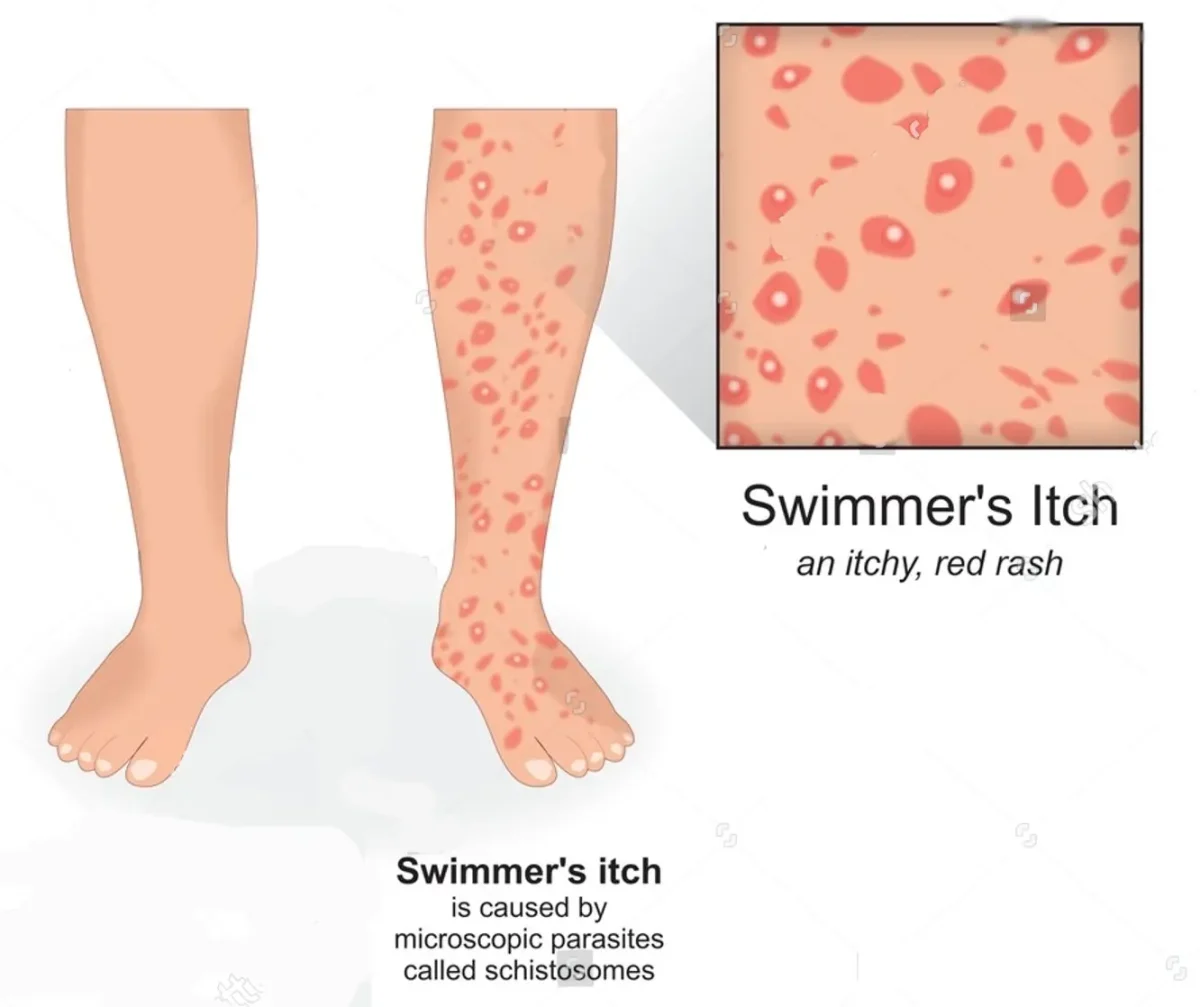
Swimmer’s Itch
Diagnosis Swimmer’s itch, also called cercarial dermatitis, is usually diagnosed based on your recent exposure to freshwater or saltwater and the characteristic rash. Your healthcare professional will typically: Ask about recent swimming or wading in lakes, ponds, or oceans. Examine the affected skin for small red bumps or blisters that may be itchy and appear within hours of water exposure. …
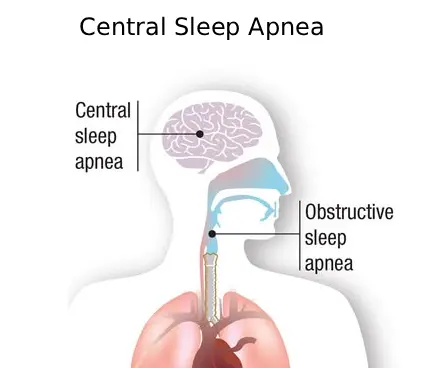
Central Sleep Apnea
Diagnosis To diagnose cataracts, your eye care specialist will perform a comprehensive eye examination. This helps determine the presence, location, and extent of the cataract, as well as rule out other potential eye conditions. The diagnosis process may include the following steps: Visual acuity test – This test measures how well you can read a series of letters on a …
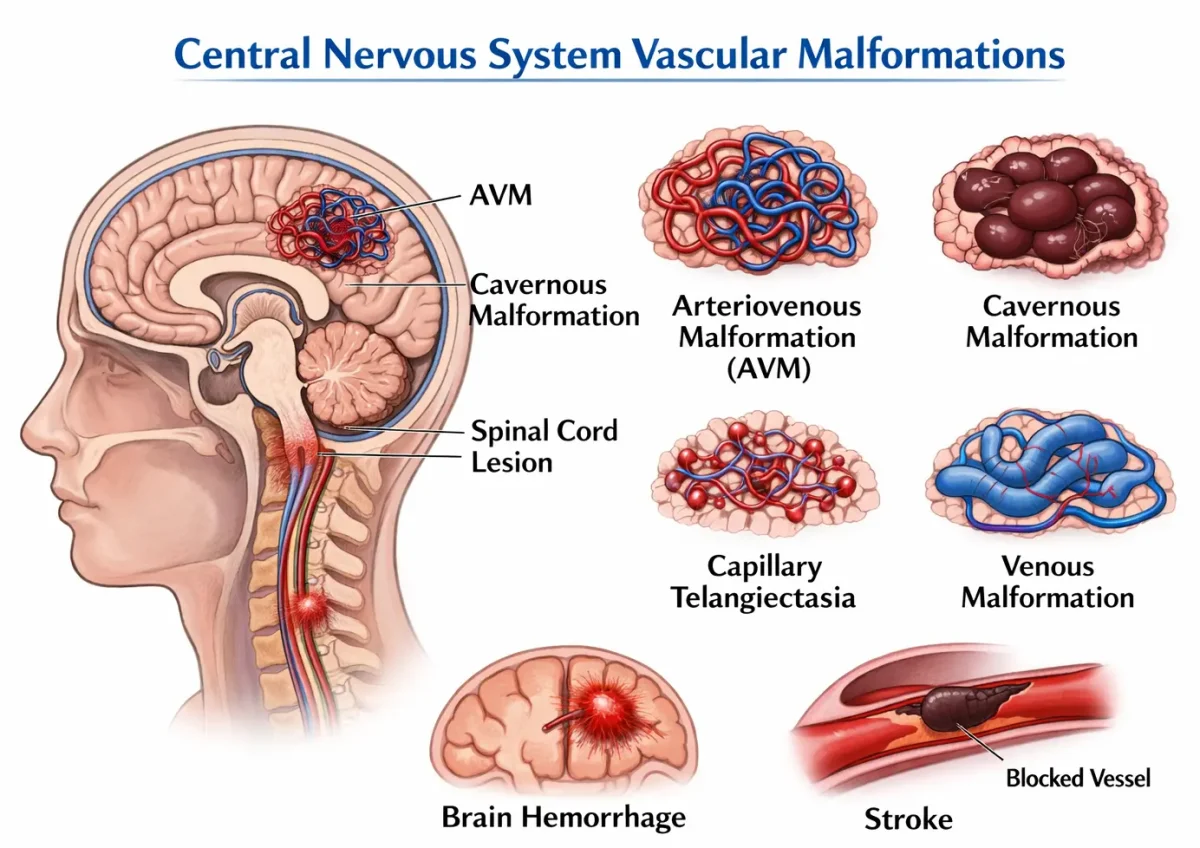
Central Nervous System Vascular Malformations
Diagnosis To diagnose a central nervous system (CNS) vascular malformation, a healthcare professional reviews your medical and family history for stroke, epilepsy, or related conditions. A physical examination may also be performed. During this exam, your healthcare provider may listen to the blood flow in your arteries with a stethoscope. Some vascular malformations create a whooshing sound known as a …
Cellulitis
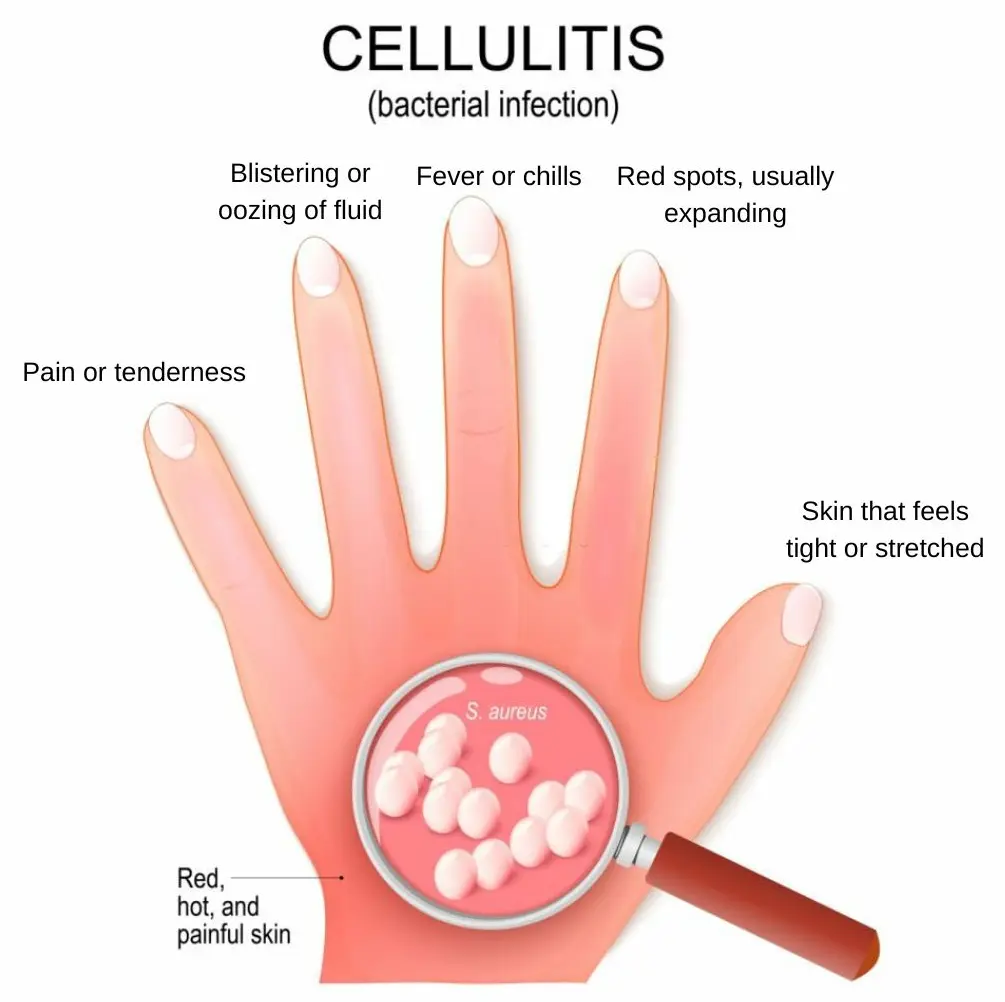
Diagnosis Your healthcare professional can often diagnose cellulitis simply by examining your skin. In some cases, blood tests or other diagnostic tests may be recommended to help rule out other possible conditions that cause similar symptoms. Treatment Treatment for cellulitis typically involves prescription antibiotics taken by mouth. The medication is usually prescribed for 5 to 10 days, and it’s important …