Cellulite

admin

Diagnosis A diagnosis of cellulite involves a visual examination of the skin to assess the degree of dimpling and understand what may have caused it. This helps determine which treatment may improve the look of your skin. Some treatment methods focus on reducing fat but don’t remove dimpling, while others target cellulite directly without addressing excess fat. Treatment A variety …

Median Arcuate Ligament Syndrome (MALS)

admin

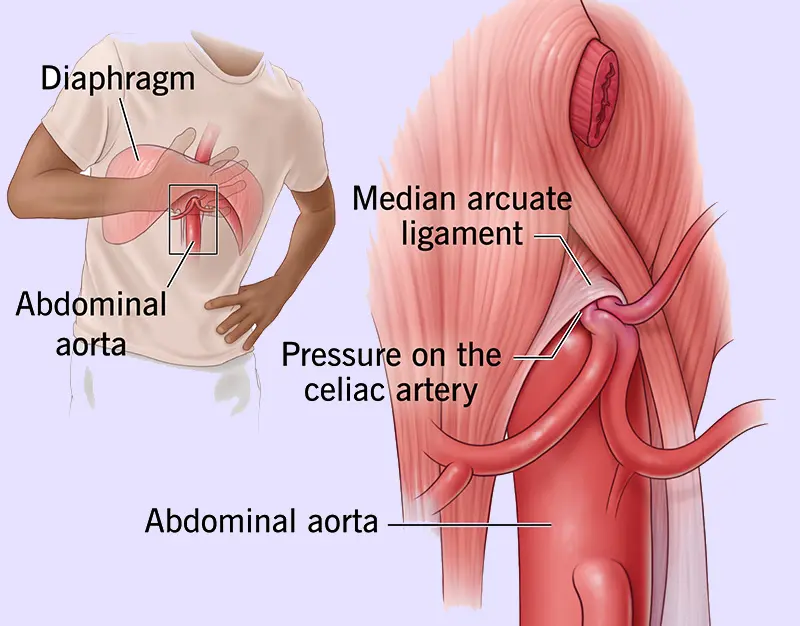
Diagnosis To diagnose median arcuate ligament syndrome, also called MALS, a healthcare professional performs a physical exam and asks detailed questions about your symptoms. While listening to your abdomen with a stethoscope, the healthcare professional may hear a whooshing sound known as a bruit. This sound can occur when a blood vessel is narrowed or compressed. Because many conditions can …

Congenital Diaphragmatic Hernia (CDH)

admin

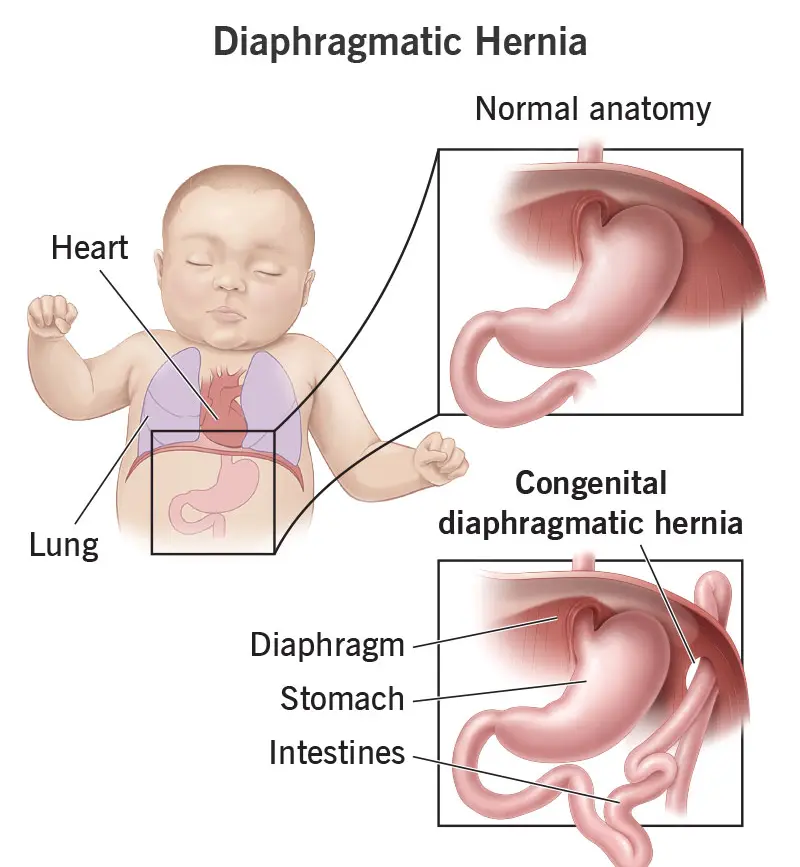
Diagnosis Congenital diaphragmatic hernia (CDH) is most often detected during a routine prenatal ultrasound. This imaging test uses sound waves to produce pictures of the uterus and developing baby. In some cases, CDH is diagnosed after birth or later in childhood if symptoms are mild or absent. Healthcare professionals use ultrasound and other tests during pregnancy to monitor the growth …

Cavities and Tooth Decay

admin

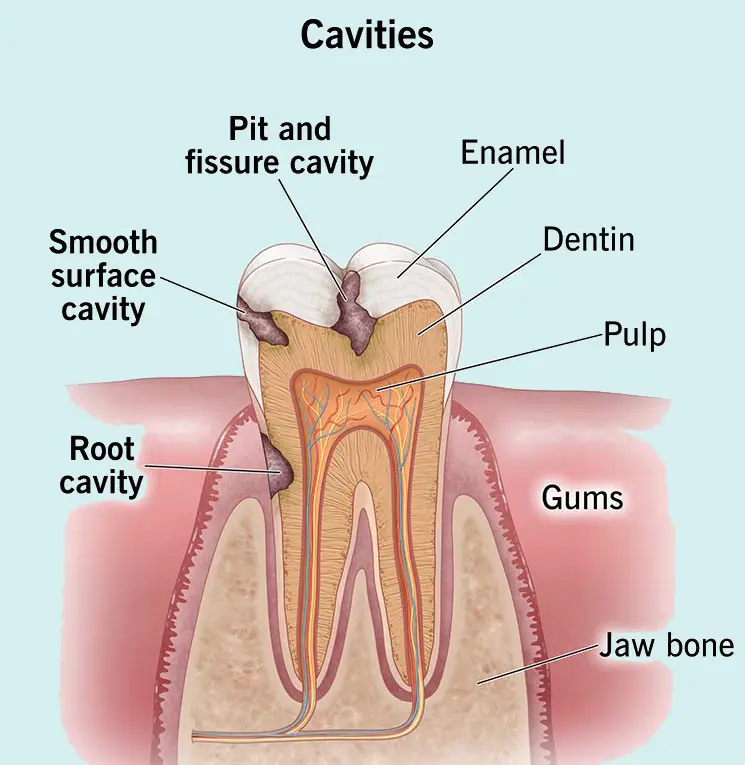
Diagnosis of Cavities (Tooth Decay) To diagnose tooth decay or dental cavities, your dentist will evaluate your symptoms, examine your mouth, and may perform imaging tests to determine the extent of damage. During a dental checkup, your dentist may: Ask about pain or sensitivity in your teeth. Inspect your teeth and gums for visible signs of decay. Use dental instruments …

Cavernous Malformations

admin

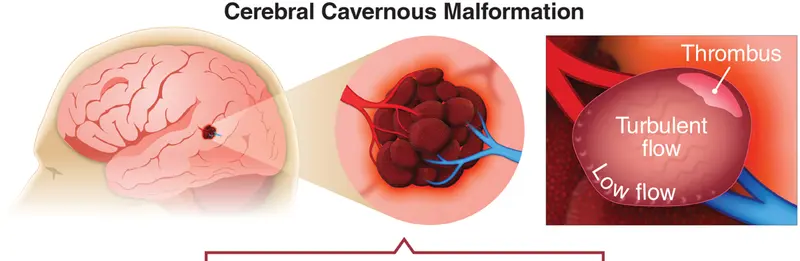
Diagnosis of Cerebral Cavernous Malformations (CCMs) Cerebral cavernous malformations (CCMs) are often discovered accidentally during brain imaging for another condition. Many people with CCMs may not experience any symptoms, while others may develop neurological signs that lead to further testing. Your neurologist will review your medical history, discuss any symptoms, and may recommend several diagnostic tests to confirm the presence …

Cataracts

admin

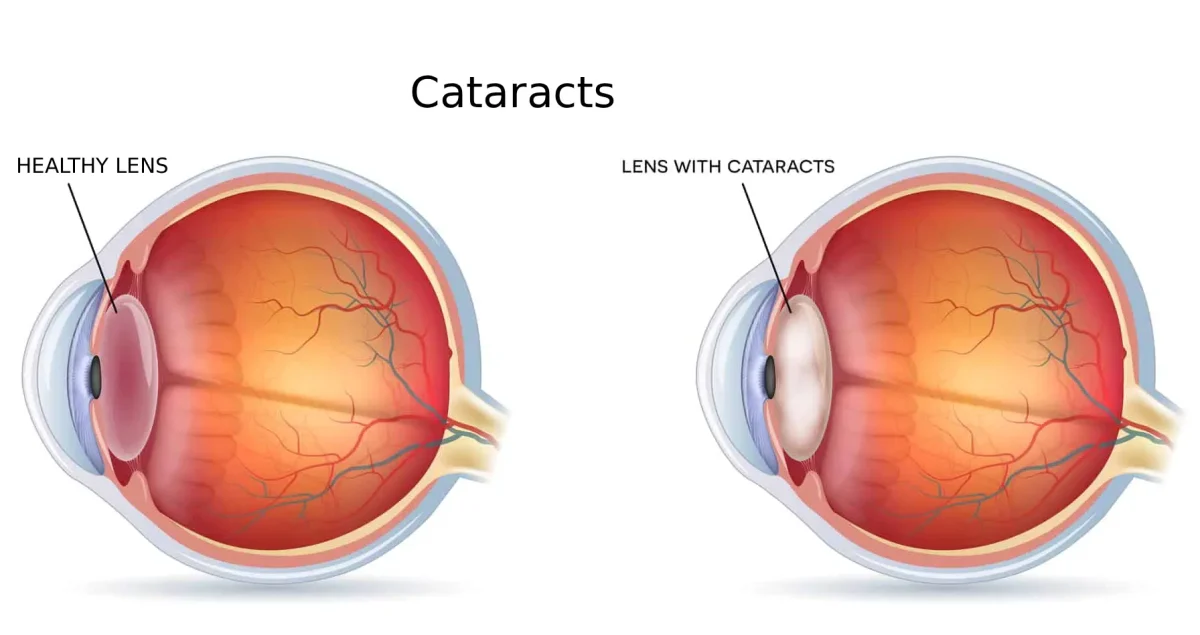
Diagnosis To diagnose cataracts, your eye doctor will begin by reviewing your medical history and discussing any vision changes or symptoms you may be experiencing. A thorough eye examination is then performed, which may include several key tests. Vision Test A vision test, also known as a visual acuity test, is used to measure how well you can read letters …

Childhood Apraxia of Speech

admin

Diagnosis To evaluate childhood apraxia of speech (CAS), a speech-language pathologist reviews your child’s medical history, symptoms, and speech development. The evaluation involves assessing how your child produces sounds, words, and phrases, as well as examining the muscles used for speech. The speech-language pathologist may also evaluate your child’s language skills, including vocabulary, sentence structure, and understanding of spoken language. …

Carpal Tunnel Syndrome

admin

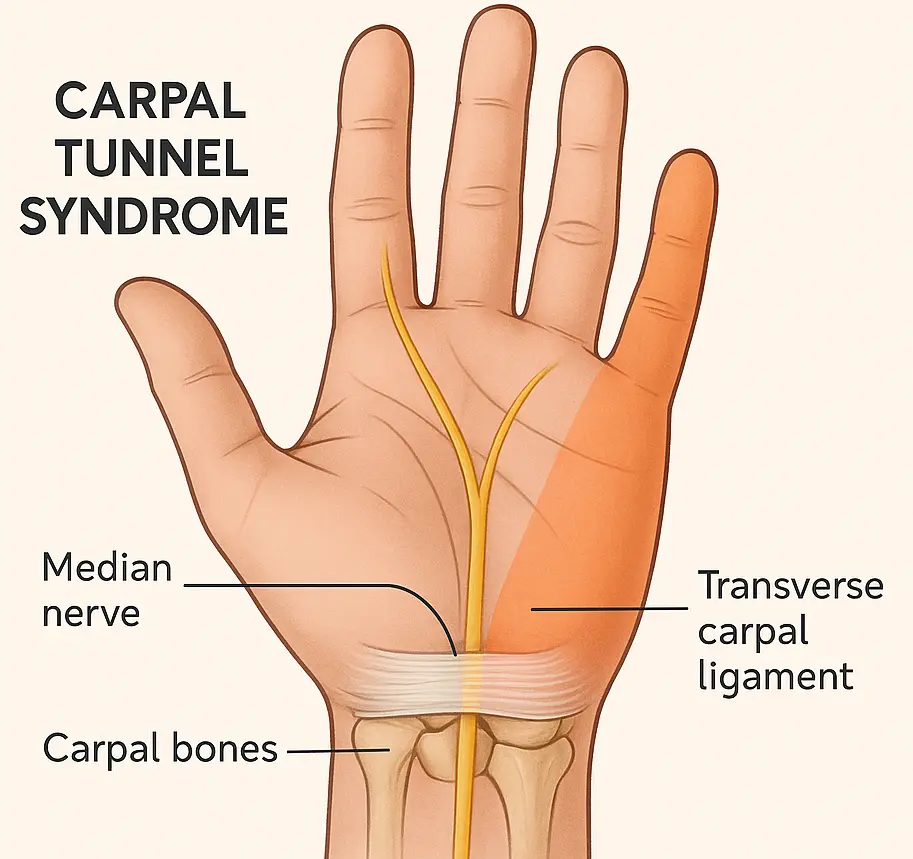
Diagnosis To diagnose carpal tunnel syndrome, your healthcare provider will review your symptoms and perform specific tests to confirm the condition. History of Symptoms The pattern of your symptoms plays a key role in diagnosis. Carpal tunnel syndrome symptoms commonly appear when holding a phone, reading a newspaper, or gripping a steering wheel. They often occur at night, waking you …

Carotid Artery Disease

admin

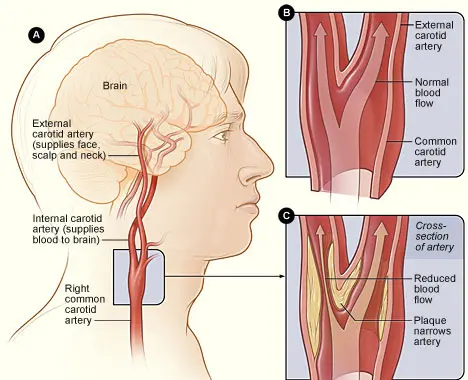
Diagnosis Diagnosis of carotid artery disease begins with a detailed medical history and physical examination. During the exam, your healthcare professional listens for a swooshing sound, called a bruit, over the carotid artery in your neck. This sound can indicate narrowing of the artery. You may also undergo tests of strength, memory, and speech to check for any neurological effects. …

Heart Disease

admin

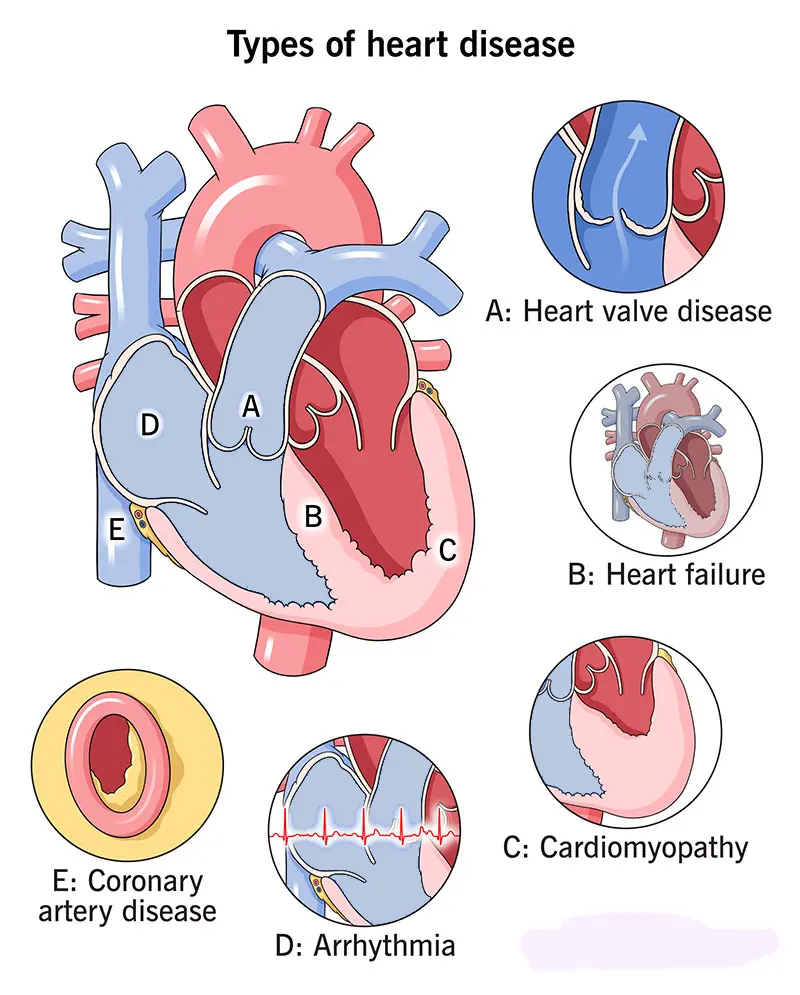
Diagnosis Diagnosing heart disease begins with a physical examination and a discussion of your medical history. A healthcare professional will ask about your symptoms, lifestyle, and family history of heart conditions. Listening to your heart and checking your pulse and blood pressure are also part of the initial evaluation. To confirm a diagnosis and identify the cause or extent of …