Diagnosis Diagnosing paraneoplastic syndrome of the nervous system usually involves a physical exam, blood tests and imaging studies. A spinal tap may also be needed to evaluate the fluid surrounding the brain and spinal cord. Because these syndromes are linked with cancer, age-appropriate cancer screening tests are often part of the evaluation. A clinical exam is typically the first step. …
Pancreatic Cancer
Diagnosis Pancreatic cancer is diagnosed using several tests that help identify the disease and determine how far it has progressed. Imaging tests are often the first step. These tests provide detailed pictures of the pancreas and nearby structures. Common imaging options include ultrasound, CT scans, MRI scans and sometimes PET scans. Each test offers unique advantages in identifying tumors or …
Ovarian Cancer
Diagnosis Diagnosing ovarian cancer typically begins with a review of your symptoms, medical history, and a thorough physical examination. To confirm the diagnosis and determine the extent of the disease, your doctor may recommend a combination of tests and procedures. Tests and procedures used to diagnose ovarian cancer include: Pelvic exam: During a pelvic exam, your doctor inserts gloved fingers …
Non-Hodgkin Lymphoma
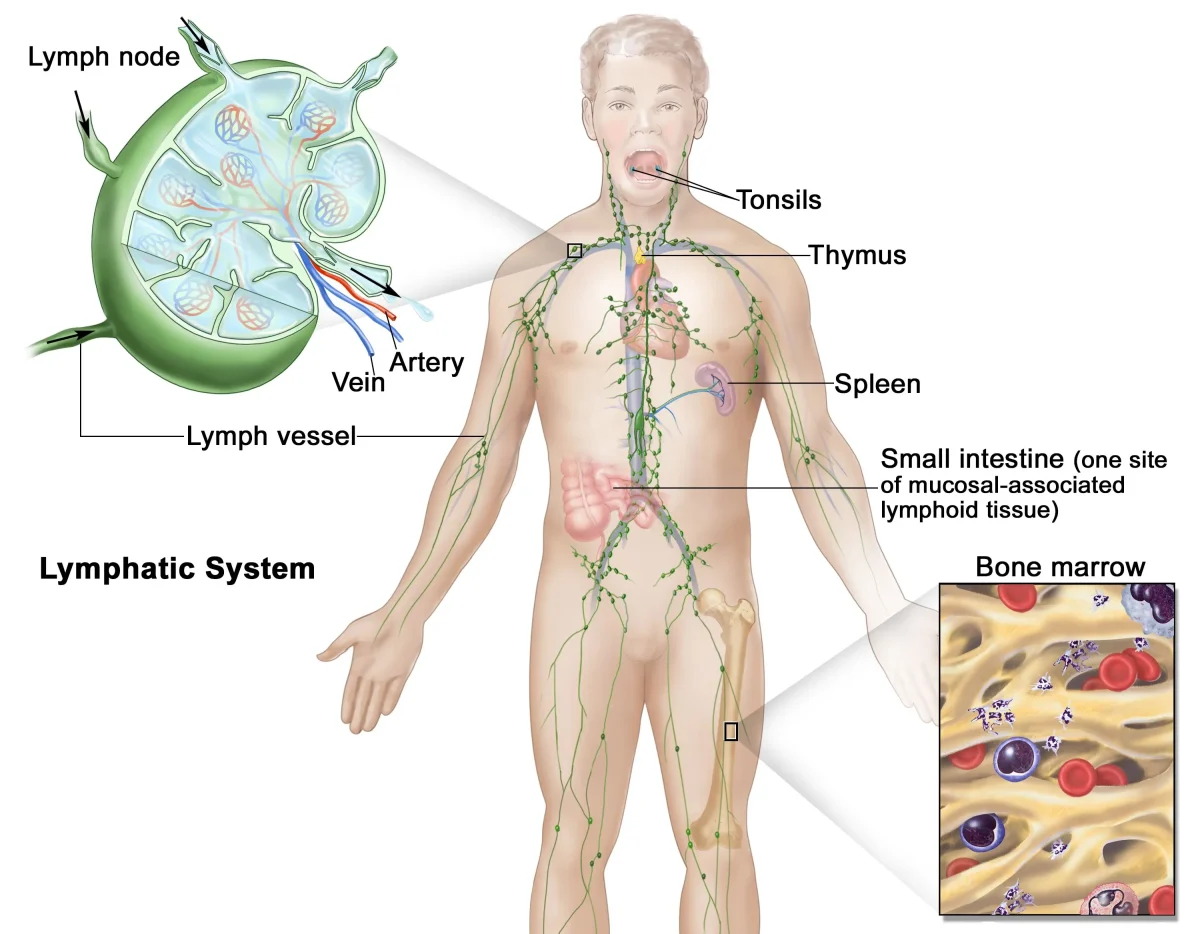
Diagnosis Non-Hodgkin lymphoma diagnosis often begins with a physical exam to check for swollen lymph nodes in the neck, underarms, and groin, as well as an enlarged spleen or liver. Additional tests and procedures may include blood tests, imaging tests, and tissue sampling for lab analysis. Blood tests: Blood tests may detect non-Hodgkin lymphoma cells and check for viruses such …
Neuroblastoma
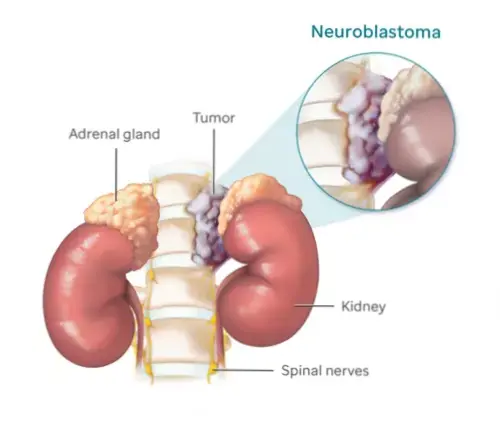
Diagnosis A neuroblastoma diagnosis usually starts with a physical exam, urine and blood tests, and imaging studies to look for signs of a tumor. Physical exam A healthcare professional may examine the child to check for signs of neuroblastoma and ask about symptoms and medical history. Urine and blood tests Tests may measure chemicals produced by neuroblastoma cells, such as …
Nasopharyngeal Carcinoma
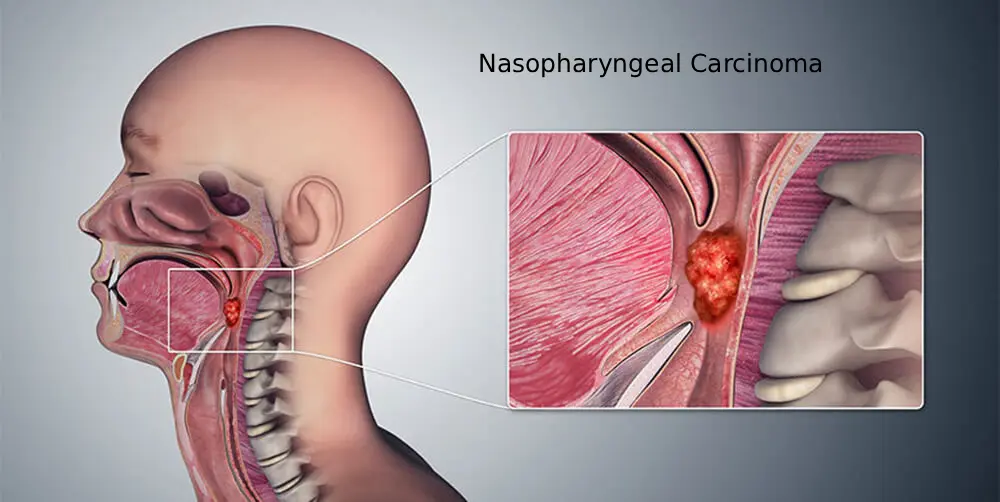
Diagnosis Nasopharyngeal carcinoma diagnosis usually begins with an exam by a healthcare professional. A special scope may be used to inspect the nasopharynx for signs of cancer, and a tissue sample might be taken to confirm the diagnosis. Physical exam A healthcare professional may examine your nose, throat, and neck to look for signs of cancer, such as swelling in …
Multiple Myeloma
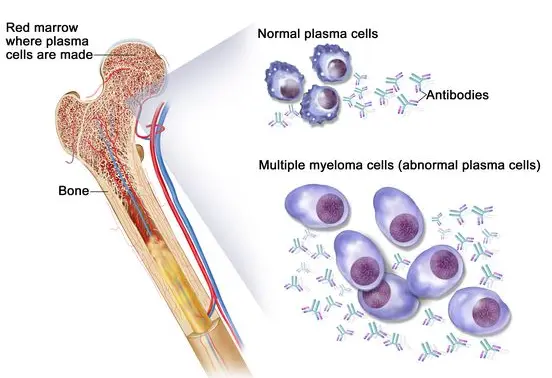
Diagnosis Sometimes a health care professional finds multiple myeloma during blood tests done for another reason. In other cases, symptoms lead your health care professional to test for multiple myeloma. Tests and procedures used to diagnose multiple myeloma include: Blood testsBlood tests can detect M proteins made by myeloma cells. They may also measure beta-2-microglobulin, another protein produced by myeloma …
Floor of the Mouth Cancer
Diagnosis Tests and procedures used to diagnose floor of the mouth cancer may include: Examining your mouth and neck: During a physical exam, a health care professional looks inside your mouth and feels your neck for any lumps. The provider checks for swollen lymph nodes, as floor of the mouth cancer often spreads to the lymph nodes first. Removing a …
Mesothelioma
Diagnosis Diagnosis of mesothelioma often begins with a physical examination. A healthcare professional checks for lumps, fluid buildup or other signs that may suggest mesothelioma. Imaging tests are commonly used to look more closely at areas where mesothelioma is suspected. These may include a chest X-ray and a CT scan of the chest or abdomen. Based on the results of …
Merkel Cell Carcinoma
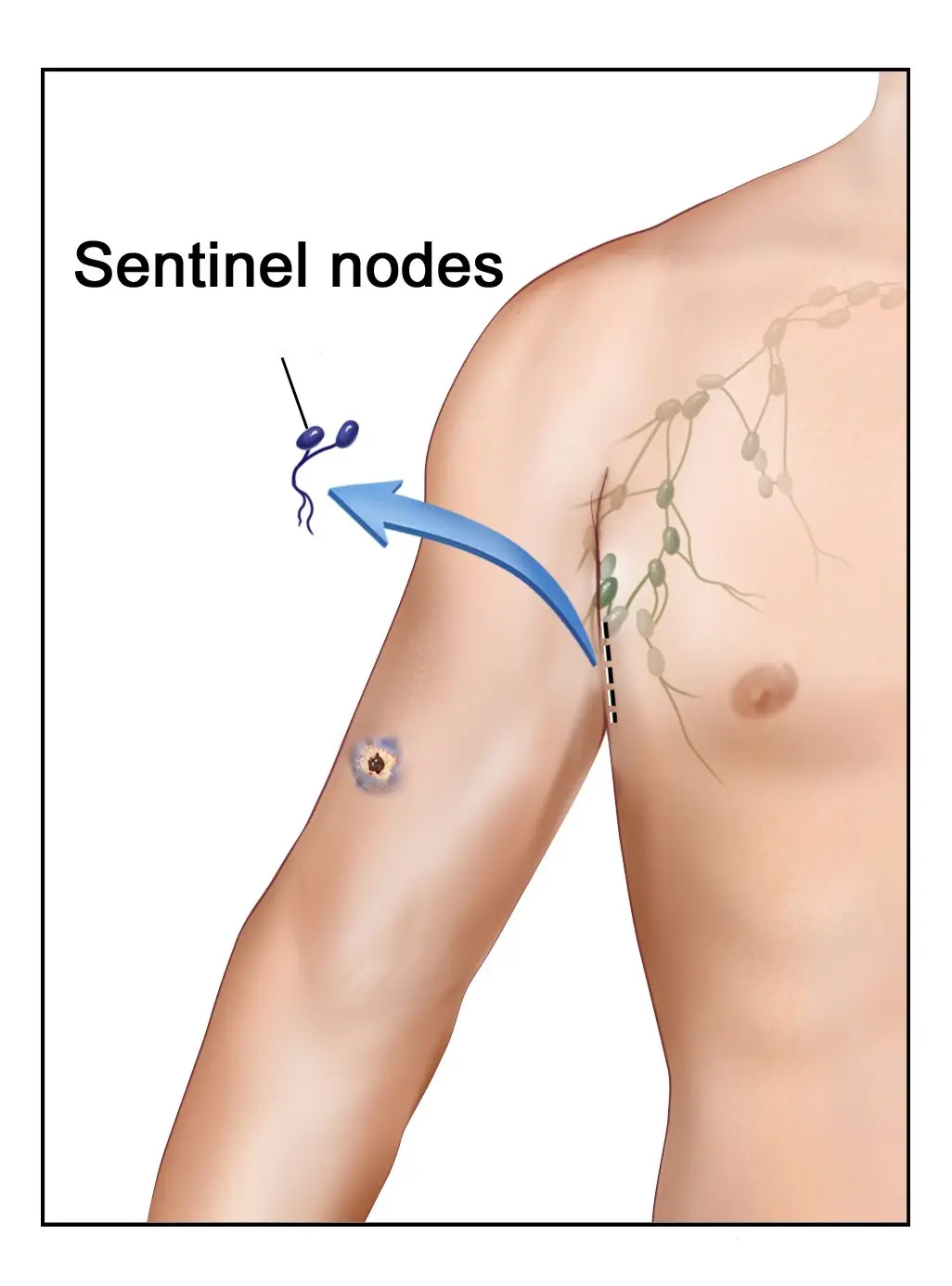
Diagnosis Diagnosis of Merkel cell carcinoma usually begins with a clinical examination. A healthcare professional carefully examines the skin and may remove a sample of suspicious tissue for testing. This type of skin cancer can be difficult to diagnose because it may resemble other harmless or cancerous skin growths. Physical Exam During a physical exam, a healthcare professional examines your …