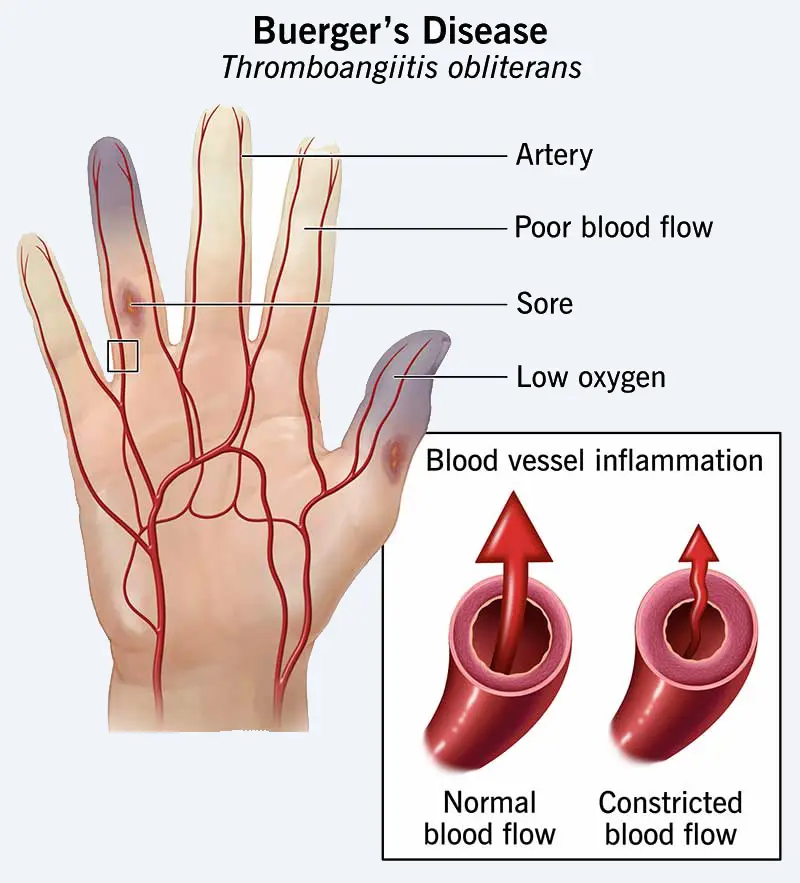
Diagnosis of Buerger Disease There is no single test to confirm Buerger disease. Doctors rely on a combination of symptom evaluation, medical history, and specialized tests to rule out other conditions with similar symptoms. Tests for Buerger disease may include: Blood Tests: To check for diabetes, clotting disorders, or autoimmune diseases like lupus or scleroderma. Artery Examination: Using blood pressure …
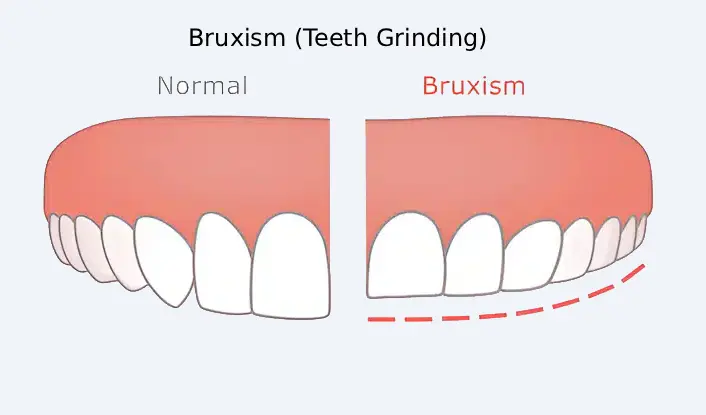
Bruxism (Teeth Grinding)
Diagnosis of Bruxism A dentist or healthcare provider usually diagnoses bruxism based on: Physical Exam – Checking for tooth wear, jaw tenderness, and muscle soreness Dental X-rays – To assess tooth damage or jawbone changes Sleep Study – Sometimes recommended if sleep bruxism is suspected Medical History – Including stress, medications, or other sleep disorders Treatment for Bruxism Treatment focuses …
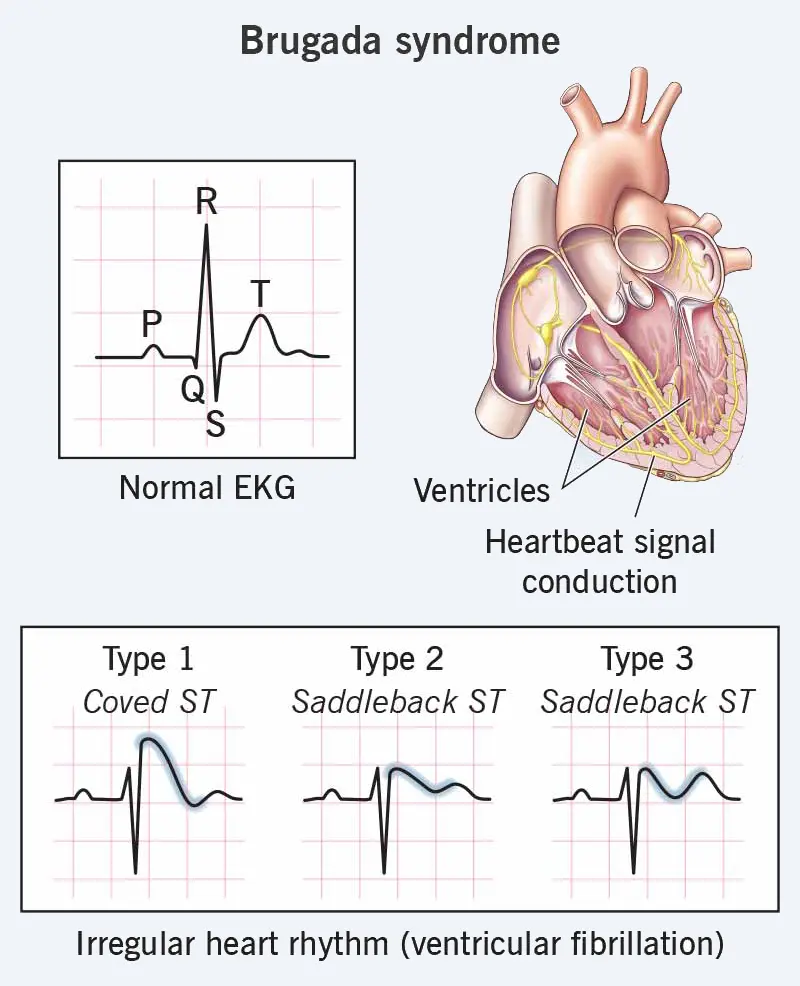
Brugada Syndrome
Brugada Syndrome Diagnosis Brugada syndrome is usually diagnosed in adults and sometimes in adolescents, while it is rarely detected in young children because symptoms often go unnoticed. Diagnosis involves: Physical Exam Your healthcare provider will examine your heart and listen to it using a stethoscope. Electrocardiogram (ECG) An ECG records the electrical signals of your heart using electrodes on the …
Brucellosis
Brucellosis Diagnosis Blood and Bone Marrow Tests Brucellosis is usually diagnosed by testing blood samples or bone marrow (the spongy tissue inside bones). These tests detect the Brucella bacteria and confirm the infection. Imaging Tests for Complications X-rays: Can reveal changes in the bones and joints caused by brucellosis. CT Scan or MRI: Provides detailed images of the brain, bones, …
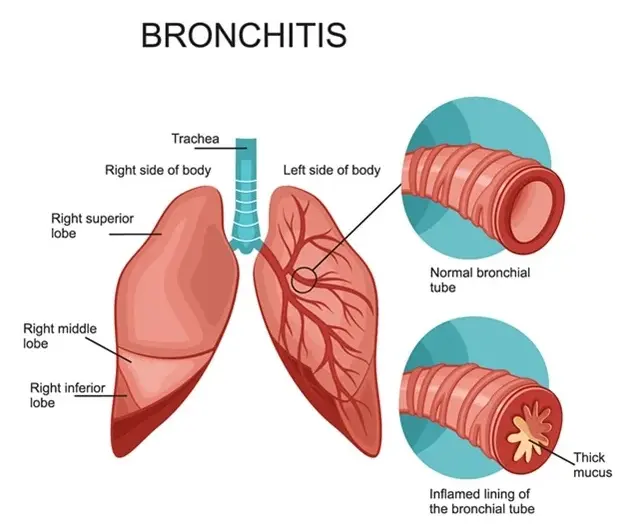
Bronchitis
Acute Bronchitis Diagnosis Physical Examination During the early stages of acute bronchitis, symptoms can resemble a common cold. Your doctor will use a stethoscope to listen to your lungs for wheezing, crackling, or other abnormal sounds. When Additional Tests Are Needed Tests may be recommended if symptoms are severe, persistent, or if your doctor suspects pneumonia or another lung condition. …
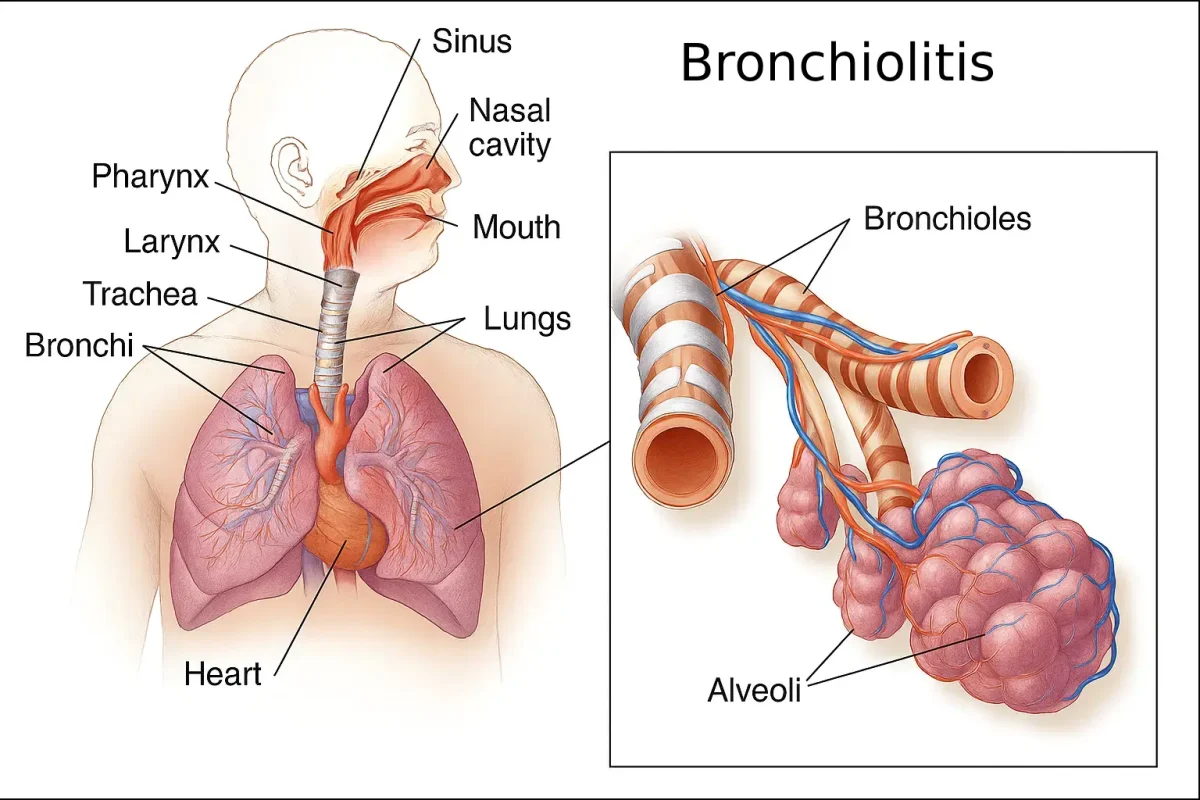
Bronchiolitis
Bronchiolitis Diagnosis in Children Clinical Examination A healthcare provider typically diagnoses bronchiolitis by reviewing symptoms and listening to the lungs with a stethoscope. Most cases do not require X-rays or lab tests. When Additional Tests Are Needed Tests may be recommended if symptoms worsen, your child is at high risk, or another condition is suspected. Common Diagnostic Tests Chest X-ray: …
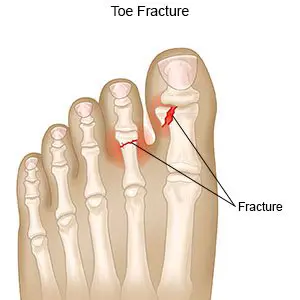
Broken Toe
Diagnosis of a Broken Toe During the physical exam, your healthcare provider will: Check for tenderness in the toe. Inspect the skin around the injury to ensure it’s not cut and that blood flow and nerve signals are intact. X-rays of the foot are usually needed to confirm a broken toe. Treatment of a Broken Toe Medications Pain can usually …
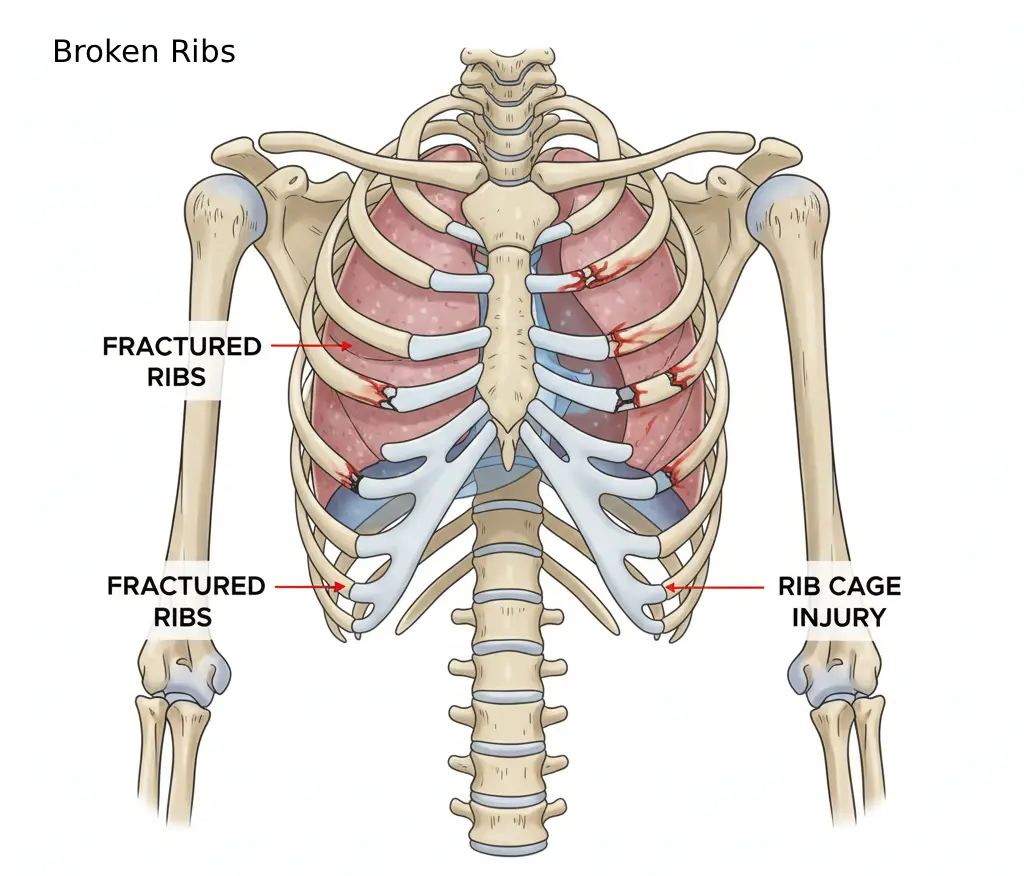
Broken Ribs
Diagnosis of Broken Ribs During the physical exam, your healthcare provider may: Press gently on the ribs to check for tenderness. Listen to your lungs and watch how your rib cage moves when you breathe. Imaging tests that may help diagnose broken ribs include: X-ray: Shows bones using low levels of radiation. Fresh breaks or cracks may not always appear. …
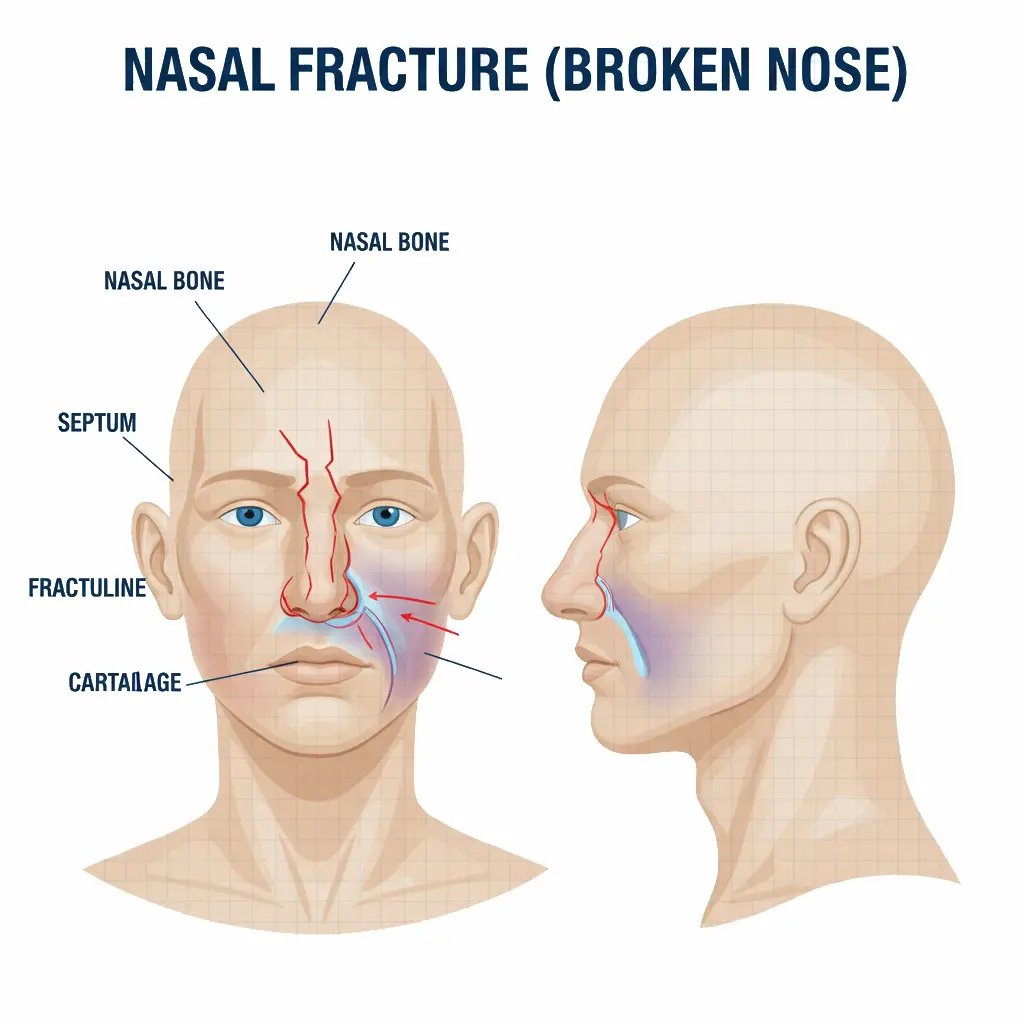
Broken Nose
Diagnosis of a Broken Nose Your healthcare professional may press gently on your nose and surrounding areas to check for pain, swelling, or broken bones. They may look inside your nose for blockages or other signs of injury. Numbing medicine may be applied for comfort during the exam. X-rays are usually not needed, but a CT scan may be ordered …
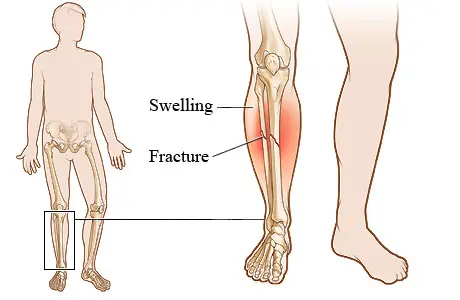
Broken Leg
Diagnosis of a Broken Leg During a physical exam, the healthcare provider will inspect the affected area for tenderness, swelling, deformity, or an open wound. Imaging tests: X-rays: Usually pinpoint the location of the break and assess damage to nearby joints. CT scan or MRI: Sometimes needed for more detailed images, especially for suspected stress fractures, as these may not …