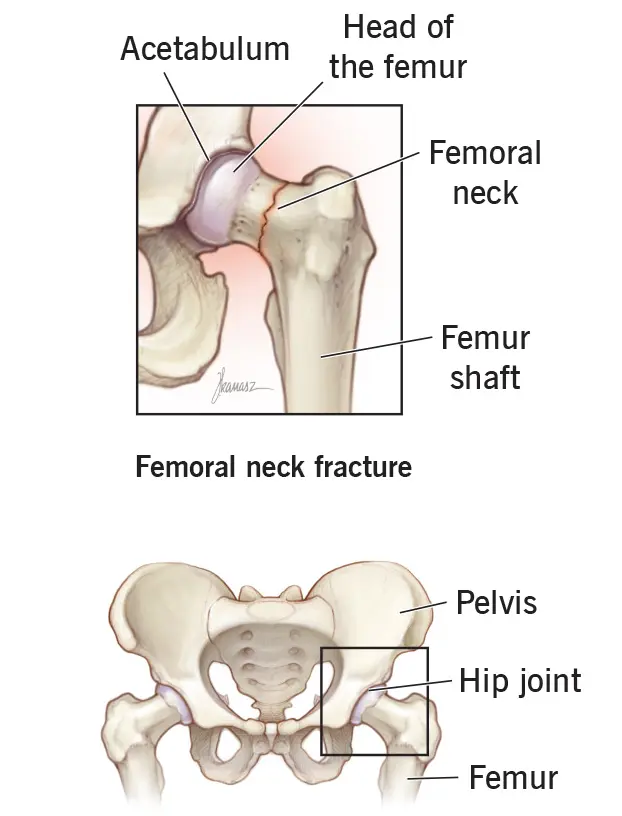
Diagnosis A hip fracture is often diagnosed based on visible symptoms and the unusual position of the leg and hip. A healthcare professional can typically identify the injury through a physical examination and will confirm the diagnosis with imaging tests. An X-ray is the first step to confirm the presence and location of the fracture. If the X-ray does not …
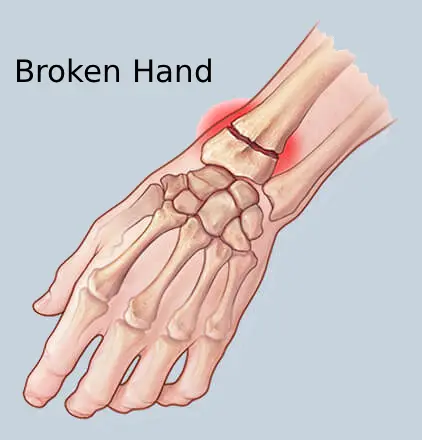
Broken Hand
Diagnosis of a Broken Hand Diagnosis usually involves a physical exam of the injured hand and X-rays. Your healthcare professional checks for: Tenderness, swelling, or deformity Range of motion Signs of nerve or vascular injury Other Imaging Tests Additional imaging may be recommended for more detail: CT scan: Detects fractures that X-rays may miss and shows soft tissue or blood …
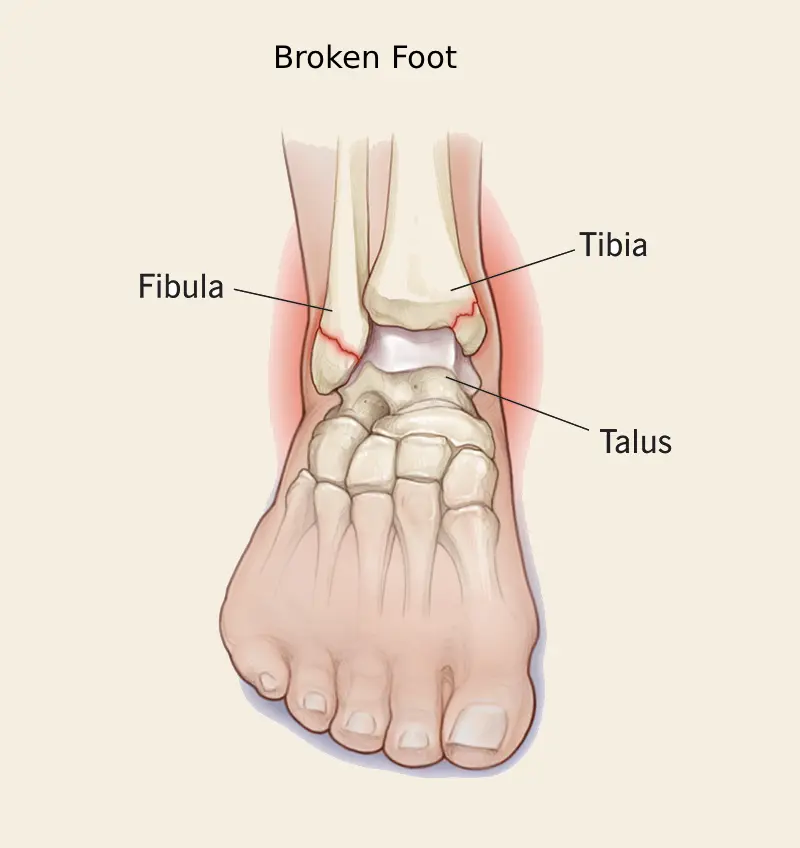
Broken Foot
Diagnosis of a Broken Foot Your healthcare professional will examine your ankle, foot, and lower leg for tenderness, swelling, or deformity. Range of motion: Moving your foot helps assess joint and bone function. Observation: The provider may watch how you walk to identify abnormalities. Imaging Tests To confirm a broken foot, your healthcare professional may order one or more of …
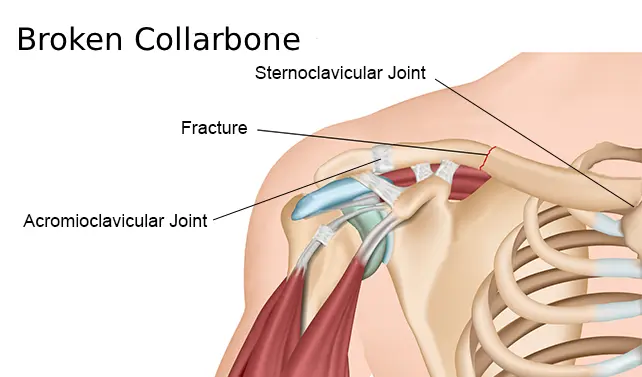
Broken Collarbone
Diagnosis of a Broken Collarbone During a physical exam, your healthcare provider will inspect the area for tenderness, swelling, or an open wound. X-rays: Show the location, severity of the break, and whether joints are injured. CT scan: May provide more detailed images if needed. Treatment for a Broken Collarbone Broken bones must be kept still to heal properly. Sling: …
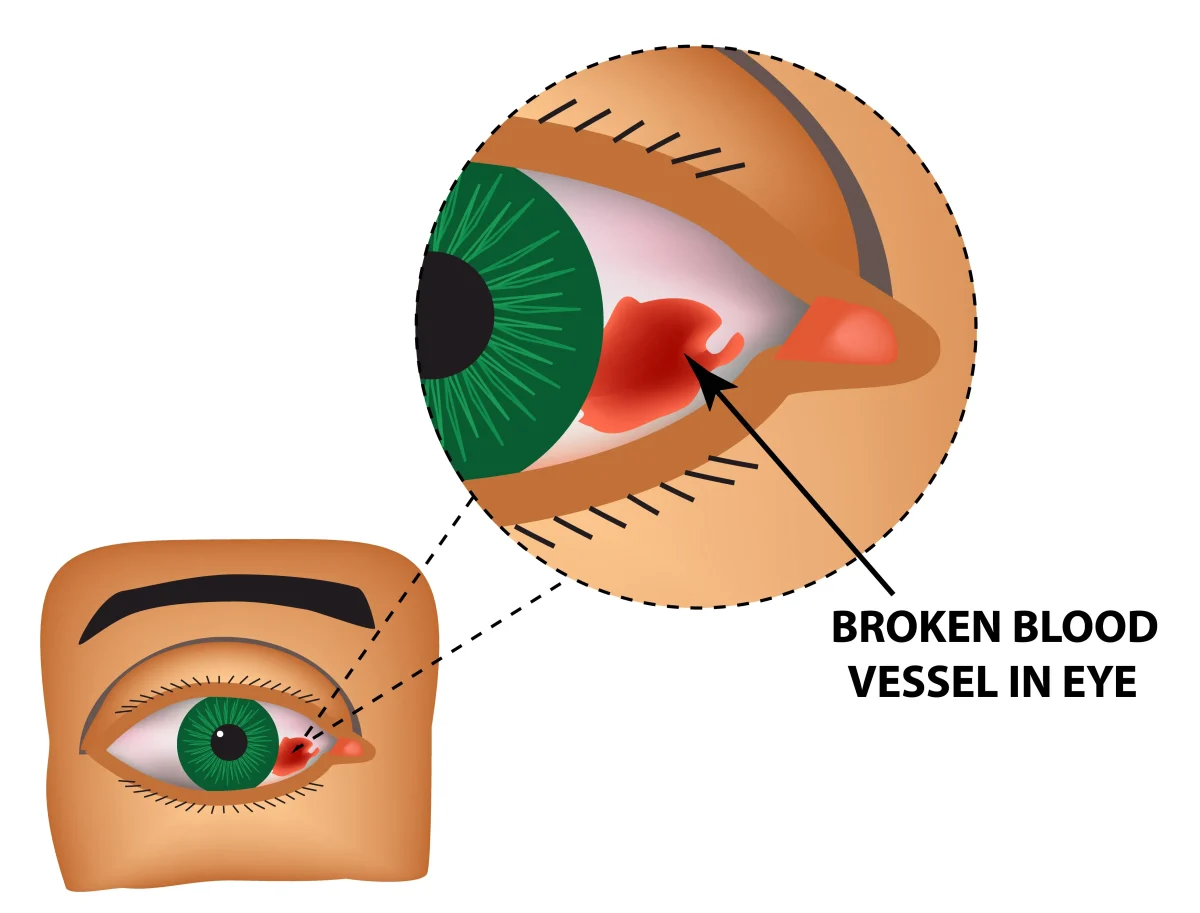
Subconjunctival Hemorrhage
Diagnosis A subconjunctival hemorrhage is most often diagnosed through a simple eye examination. A healthcare professional can identify the condition just by looking at the bright red patch on the white part of the eye. A light and magnifying tool may be used to check the eye more closely. Your healthcare professional might also ask about recent injuries, coughing episodes, …
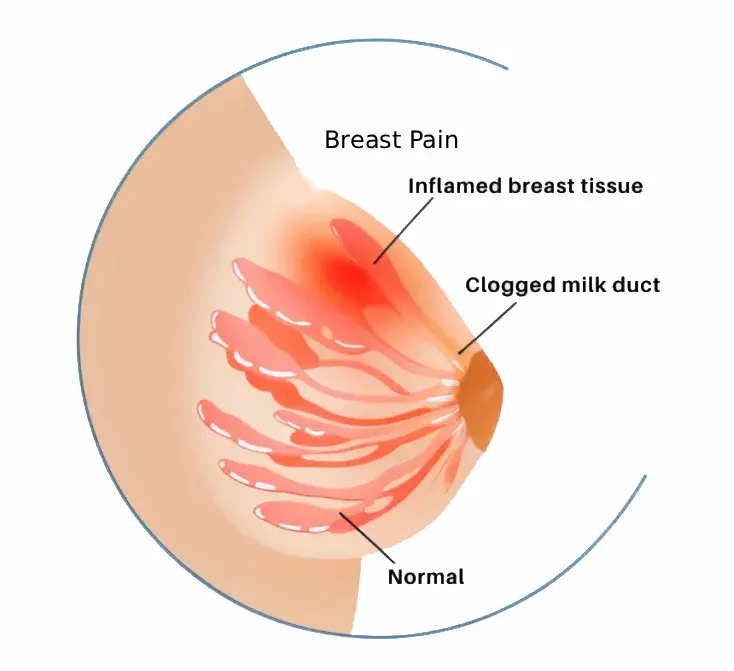
Breast Pain
Diagnosis of Breast Pain Tests to evaluate breast pain may include: Clinical breast exam: Your doctor checks for changes in the breasts and nearby lymph nodes, including the lower neck and underarm. Heart, lungs, chest, and abdomen may be examined to rule out other causes of pain. If nothing unusual is found, no additional tests may be needed. Mammogram: An …
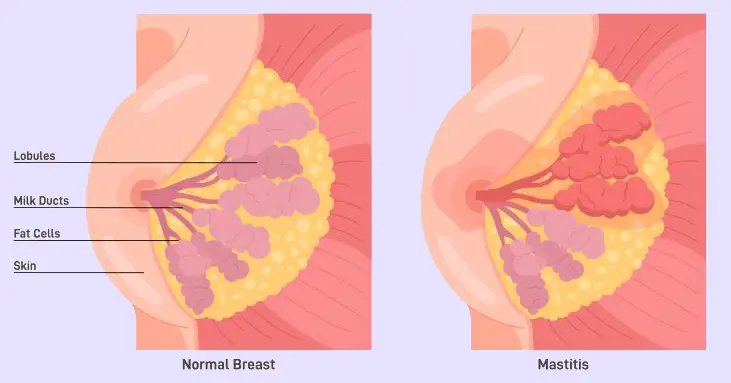
Mastitis
Diagnosis To diagnose mastitis, your healthcare professional starts with a physical exam and asks about your symptoms and medical history. A breast ultrasound may be done to examine breast tissue more closely. In some cases, fluid may be removed from the breast. This process is called aspiration. The fluid can be sent for culture to identify the bacteria causing the …
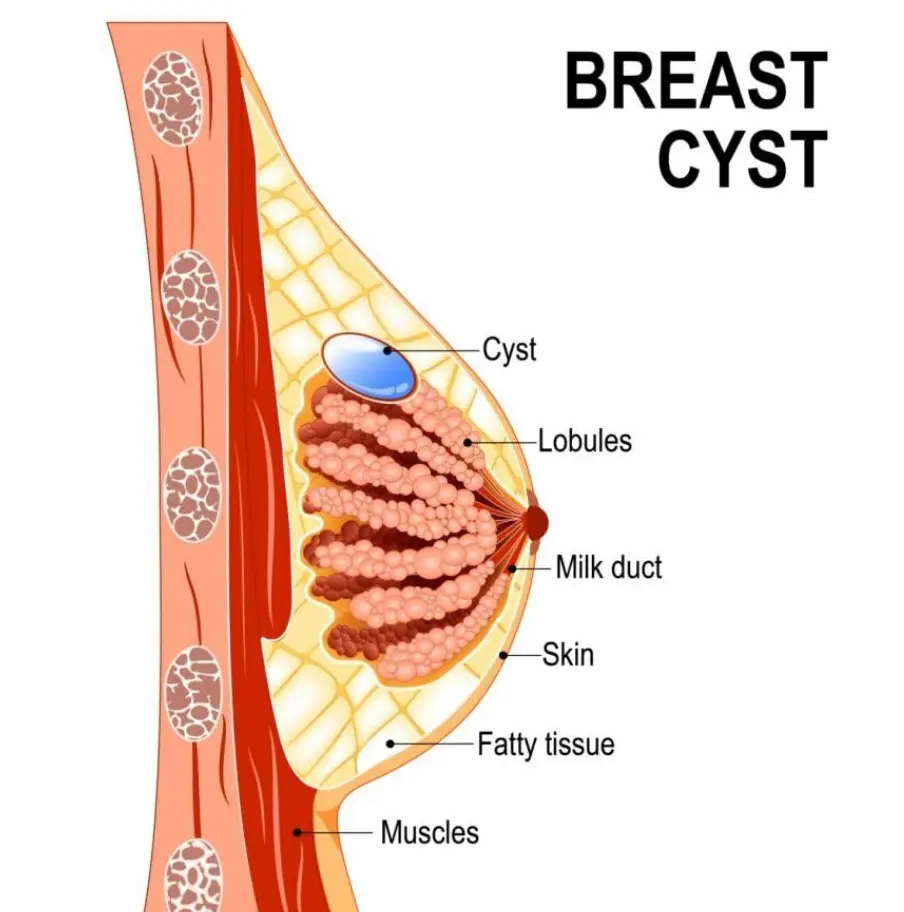
Breast Cysts
Diagnosis of Breast Cysts Breast cyst diagnosis usually involves a combination of breast exam, imaging tests, and possibly fine-needle aspiration or biopsy. Breast exam: The doctor examines the breast for lumps or abnormalities. A clinical breast exam alone cannot confirm a cyst, so further testing is needed. Imaging tests: Mammography: Detects large cysts or clusters of small cysts, but may …
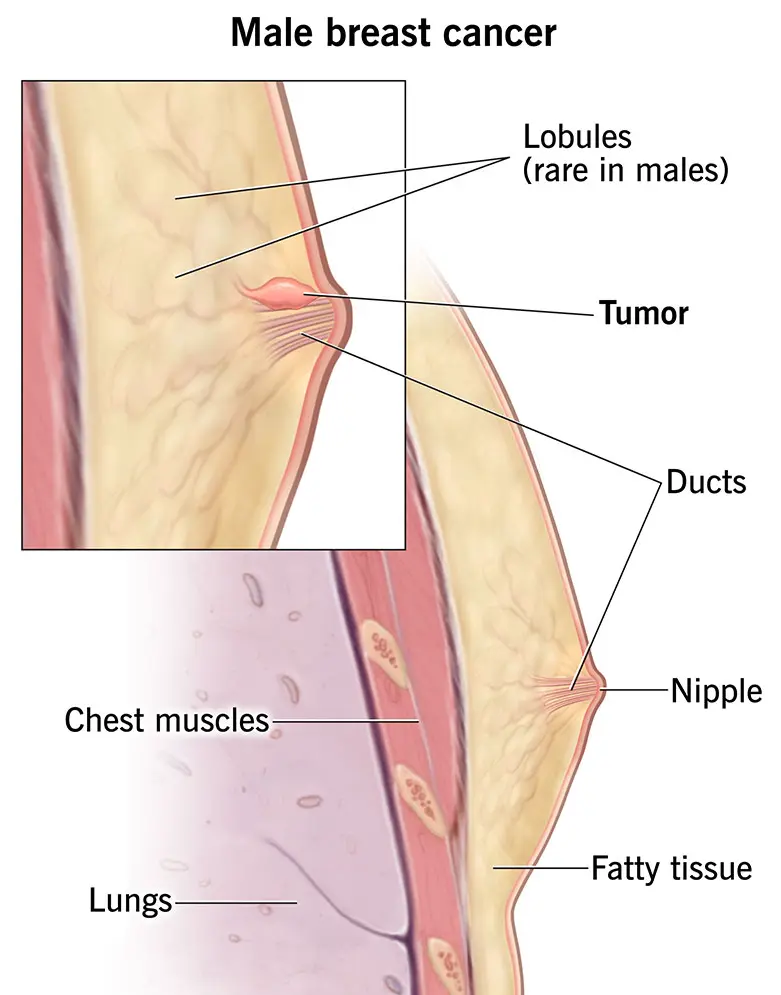
Male Breast Cancer
Diagnosis Male breast cancer is diagnosed using a combination of physical examinations and diagnostic tests. The process helps confirm the presence of cancer and provides details needed to plan treatment. Tests and procedures may include: Clinical breast exam, where a healthcare professional checks the breasts and nearby areas for lumps or changes and assesses their size, texture and relationship to …
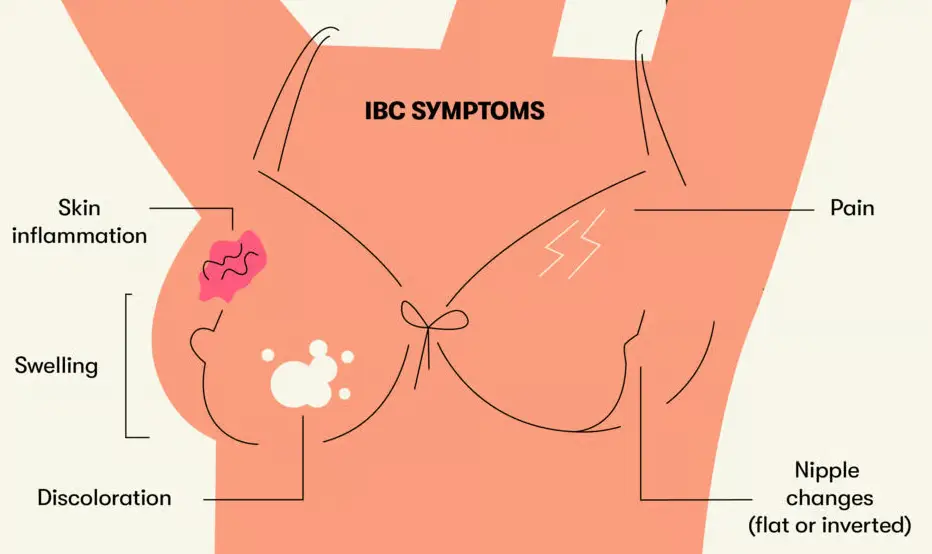
Inflammatory Breast Cancer
Diagnosis Inflammatory breast cancer is diagnosed through a clinical evaluation that includes a review of symptoms, medical history and a detailed breast exam. Additional tests help confirm the diagnosis and determine how far the cancer has spread. Tests and procedures may include: A physical exam to check for breast swelling, skin color changes and other signs of inflammatory breast cancer …