Breast Cancer

admin

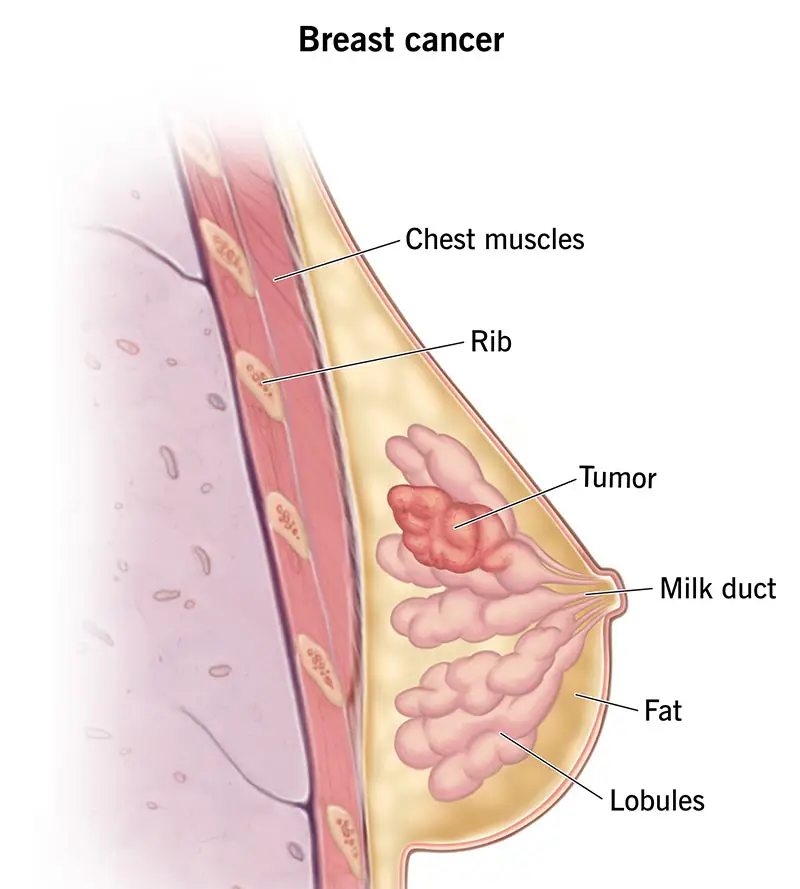
Diagnosis of Breast Cancer Breast cancer diagnosis usually begins with an exam and discussion of symptoms. Imaging tests and tissue samples help confirm whether cancer is present. Breast exam: A healthcare professional checks the breasts for skin changes, nipple changes, or lumps. Lymph nodes along the collarbones and armpits are also examined. Mammogram: An X-ray of the breast tissue. Screening …
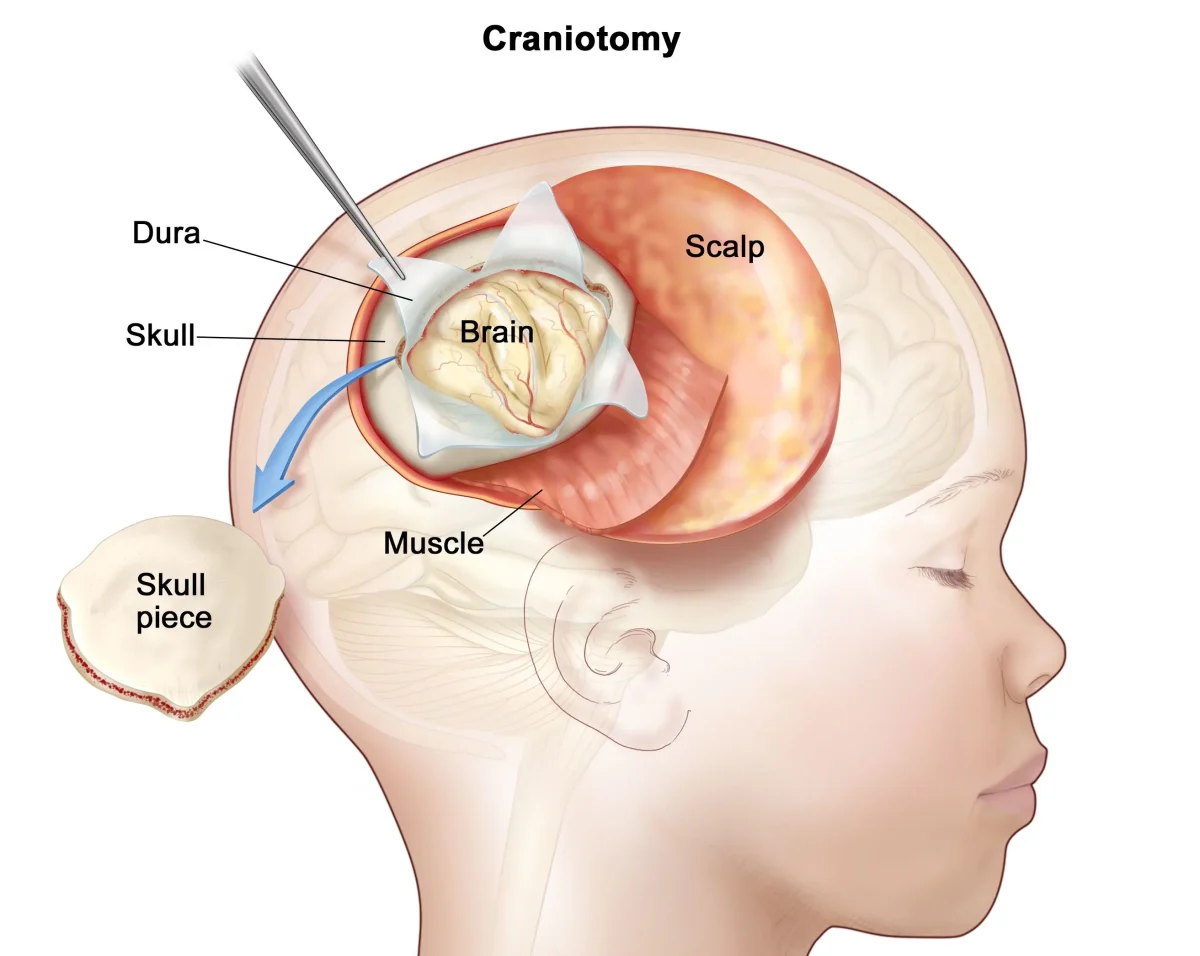
Pediatric Brain Tumors

admin

Diagnosis Diagnosis of pediatric brain tumors begins with questions about your child’s symptoms and a physical exam. The exam helps the healthcare team determine which tests may be necessary. Tests and procedures used to diagnose pediatric brain tumors include: • Neurological exam, to assess vision, hearing, balance, coordination, strength, and reflexes. Abnormal results can indicate which part of the brain …

Brain Tumor

admin

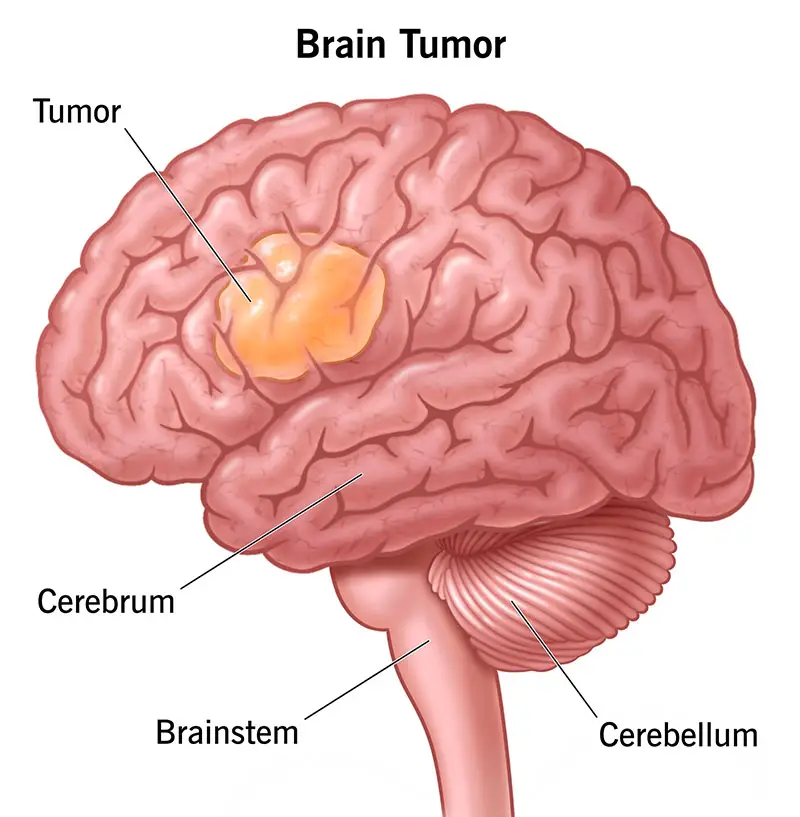
Diagnosis of Brain Tumors If a brain tumor is suspected, your healthcare professional may use several tests and procedures to diagnose it: Neurological exam: Evaluates vision, hearing, balance, coordination, strength, and reflexes. Helps identify which part of the brain might be affected but cannot detect a tumor. Head CT scan: Uses X-rays to create images of the brain. Often the …

Brain Metastases

admin

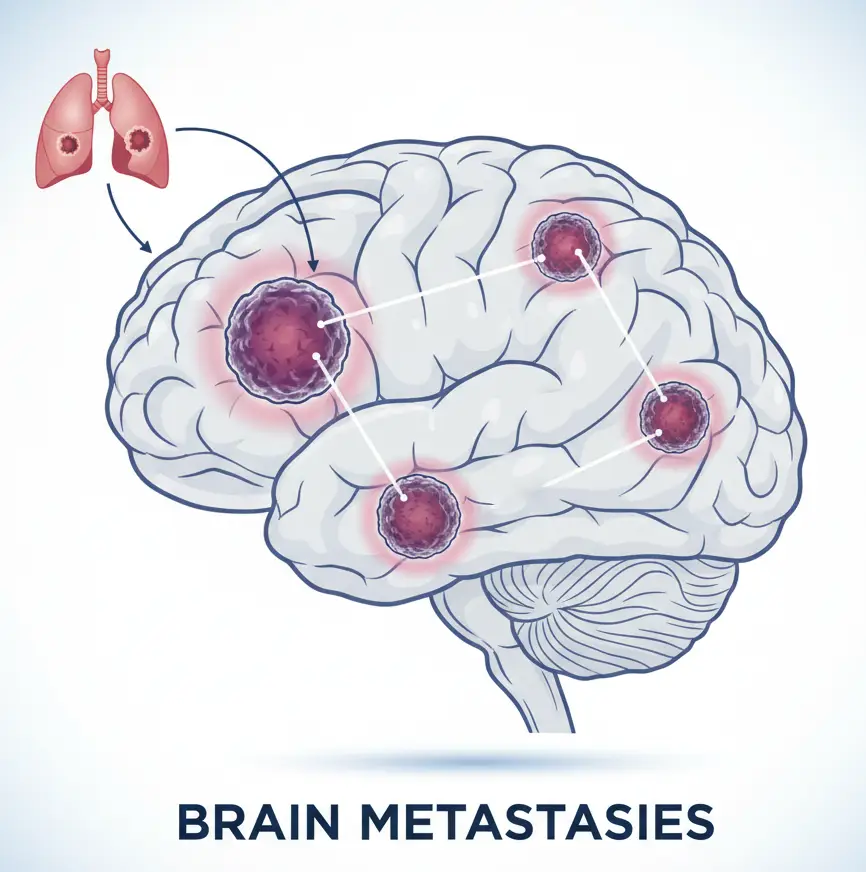
Diagnosis of Brain Metastases To diagnose brain metastases, your healthcare professional evaluates your symptoms and medical history. Diagnostic tests may include: Neurological exam: Assesses cognition, speech, vision, hearing, balance, coordination, strength, sensation, and reflexes. Imaging tests: MRI (Magnetic Resonance Imaging): Main test for locating and sizing brain metastases. A dye may be injected to enhance images. CT scan (Computed Tomography) …

Brain AVM (Arteriovenous Malformation)

admin

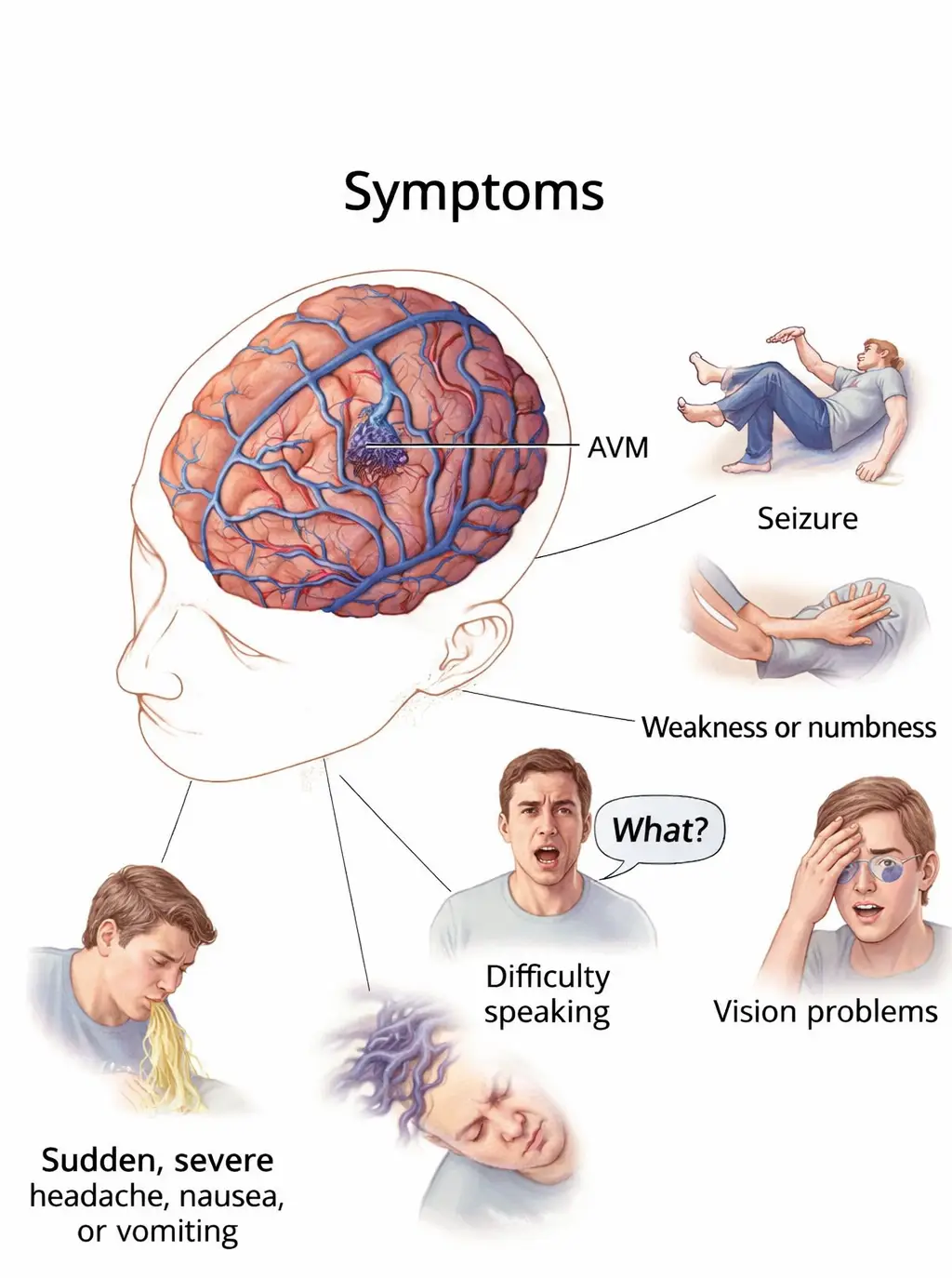
Diagnosis of Brain AVM Your healthcare professional evaluates symptoms and conducts a physical exam. Imaging tests are usually performed by neuroradiologists, specialists in brain and nervous system imaging. Tests used to diagnose brain AVMs include: Cerebral angiography: The most detailed test for diagnosing a brain AVM. A catheter is inserted into an artery in the groin or wrist, guided to …

Sick Sinus Syndrome

admin

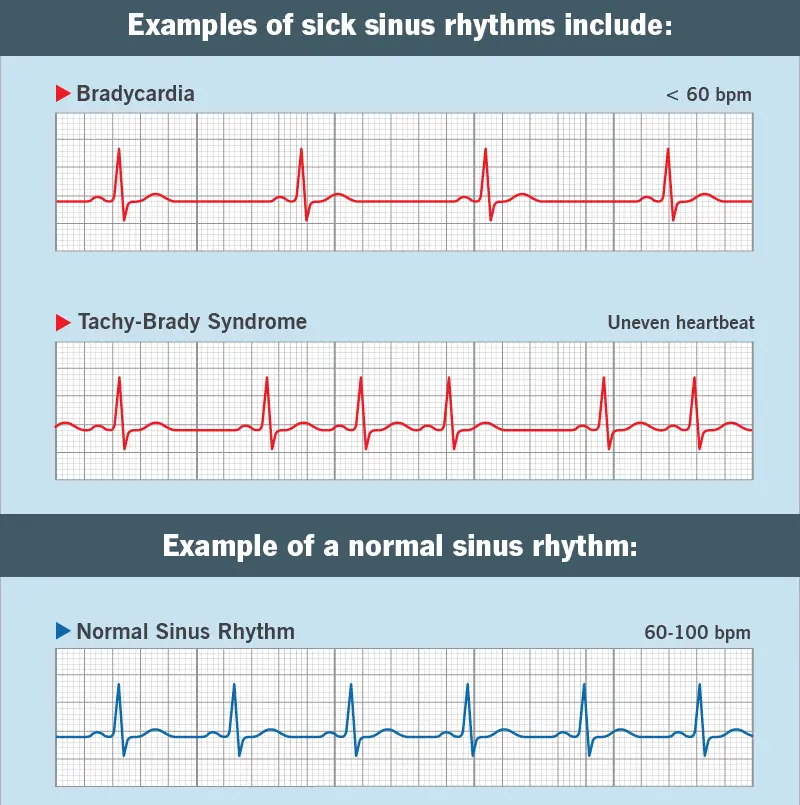
Diagnosis To diagnose sick sinus syndrome, a healthcare provider performs a physical exam and reviews your symptoms and medical history. Symptoms such as dizziness, shortness of breath, or fainting may only appear when the heart is beating irregularly. Tests that help confirm the diagnosis include: Electrocardiogram (ECG or EKG): Measures the electrical activity of the heart using electrodes on the …

Bradycardia

admin

Diagnosis of Bradycardia Bradycardia is diagnosed through a physical exam, symptom review, and specialized tests. Physical exam: Your healthcare professional listens to your heart with a stethoscope and asks about your symptoms and medical history. Blood tests: Check for infections, electrolyte imbalances (like potassium), and thyroid function. Electrocardiogram (ECG or EKG): Measures the electrical activity of the heart. Sticky patches …

Brachial Plexus Injury

admin

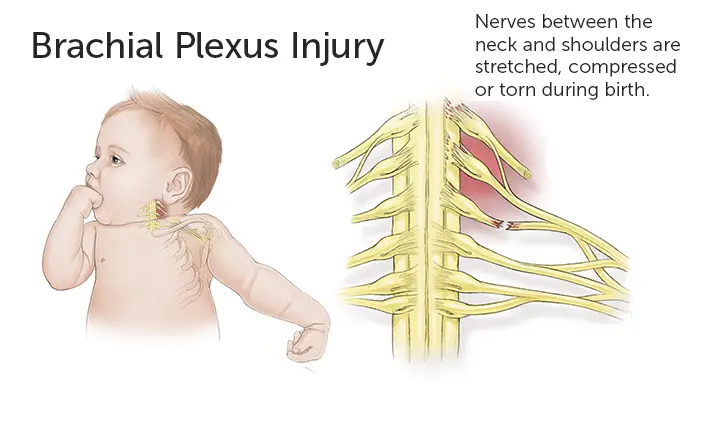
Diagnosis of Brachial Plexus Injury Diagnosis is based on a physical exam, symptom review, and specialized tests. Physical exam: Your healthcare professional checks your symptoms and limb function. X-ray: Shows fractures or other shoulder and neck injuries. Electromyography (EMG): Measures muscle electrical activity when muscles tighten or rest. Slight discomfort may occur from needle electrodes. Nerve conduction studies: Often done …

Fecal Incontinence

admin

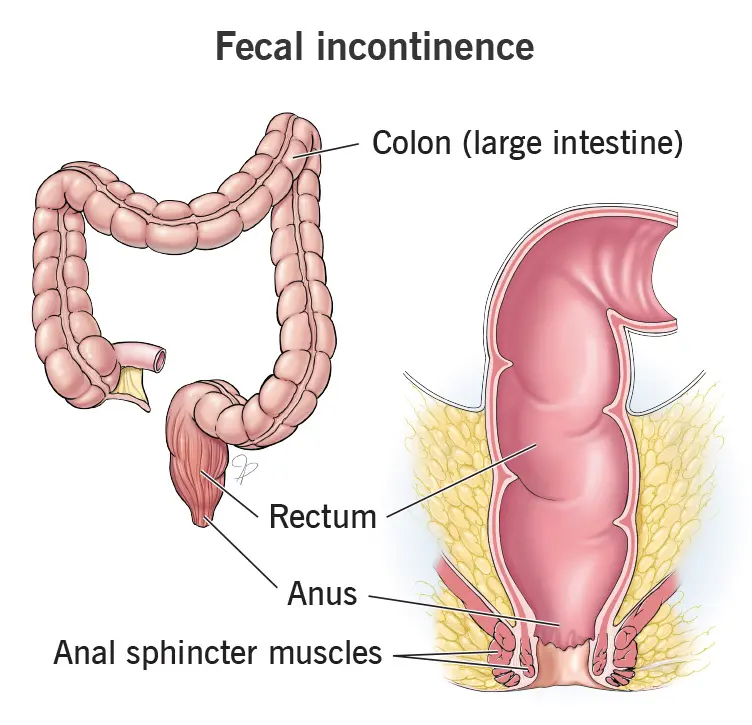
Diagnosis Your healthcare professional will ask questions about your symptoms, diet, and medical history to determine the cause of fecal incontinence. A detailed medical examination is usually done to assess muscle and nerve function in the anal and rectal area. Anal and rectal exam Your healthcare professional will examine the area around the anus to check muscle reflexes and identify …

Botulism

admin

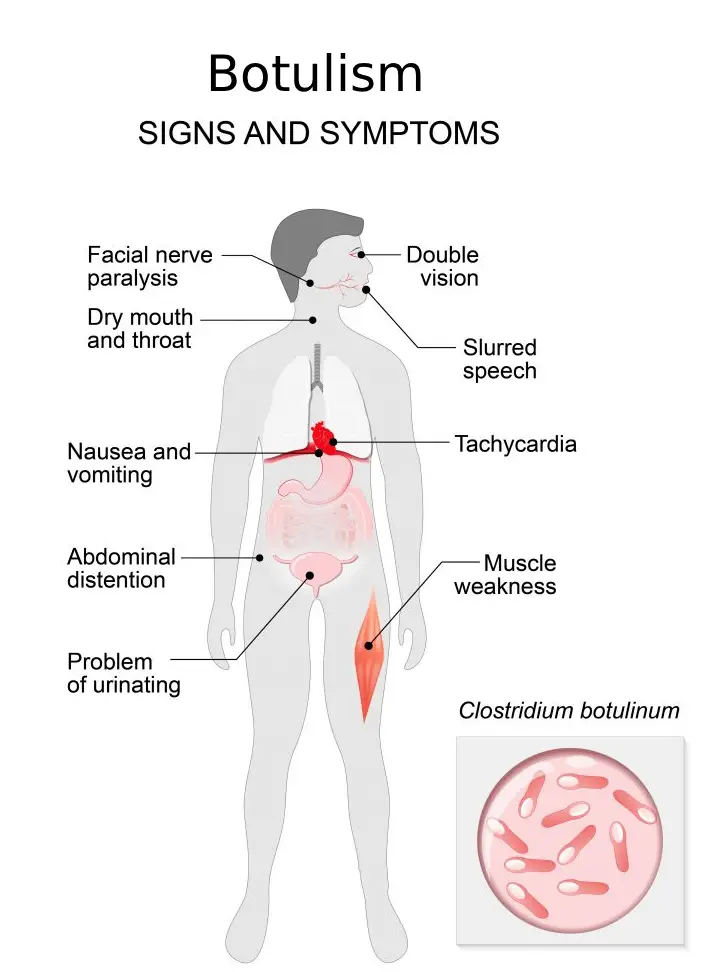
Diagnosis of Botulism Botulism is typically diagnosed based on a physical exam, symptom review, and patient history. Symptom assessment: Your provider checks for muscle weakness, paralysis, drooping eyelids, and a weak voice. Food and exposure history: Your provider asks about recent foods eaten or potential wound exposures. Infant-specific questions: For possible infant botulism, the provider may ask if your child …