Bile Reflux

admin

Diagnosis Bile reflux is often difficult to distinguish from acid reflux because both conditions share similar symptoms. In most cases, a healthcare professional can begin diagnosis based on your symptoms and medical history. However, additional tests are often needed to confirm bile reflux and assess any damage to the stomach or esophagus. These diagnostic tests may include: Endoscopy. A flexible …

Cholangiocarcinoma (Bile Duct Cancer)

admin

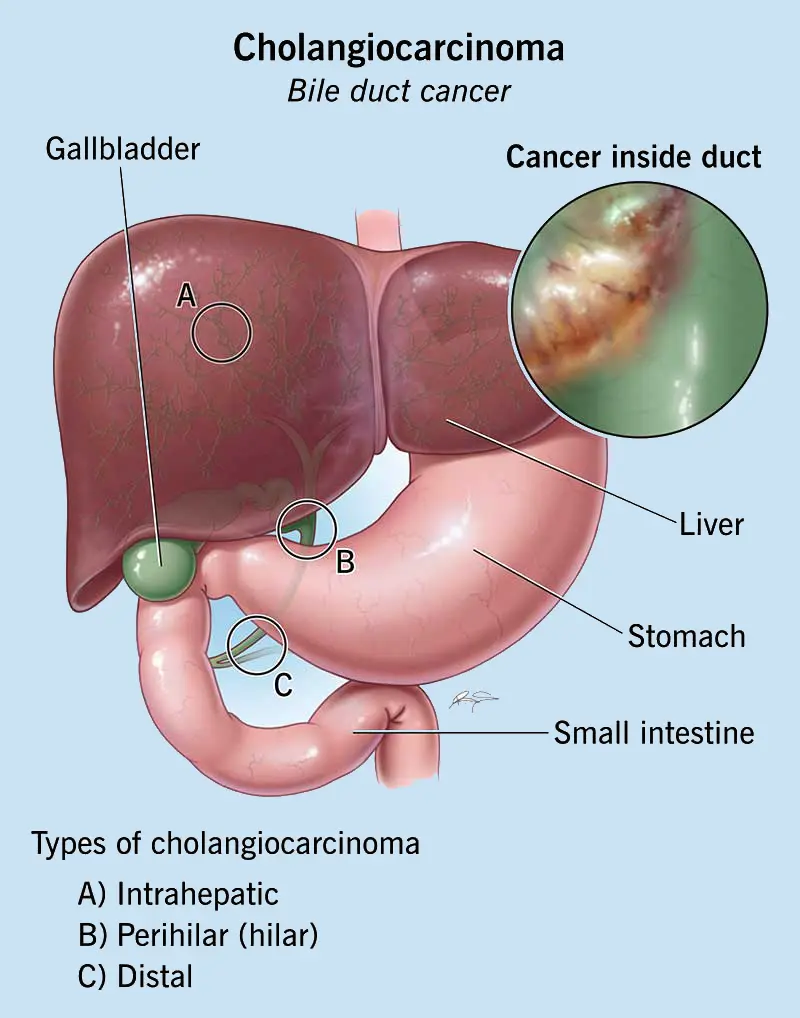
Diagnosis To diagnose cholangiocarcinoma (bile duct cancer), your doctor may recommend several tests based on your symptoms and overall health. Liver function tests help measure how well your liver is working and provide clues about possible bile duct issues.Tumor marker testing measures levels of carbohydrate antigen (CA) 19-9, a protein often produced in excess by bile duct cancer cells. However, …

Bicuspid Aortic Valve

admin

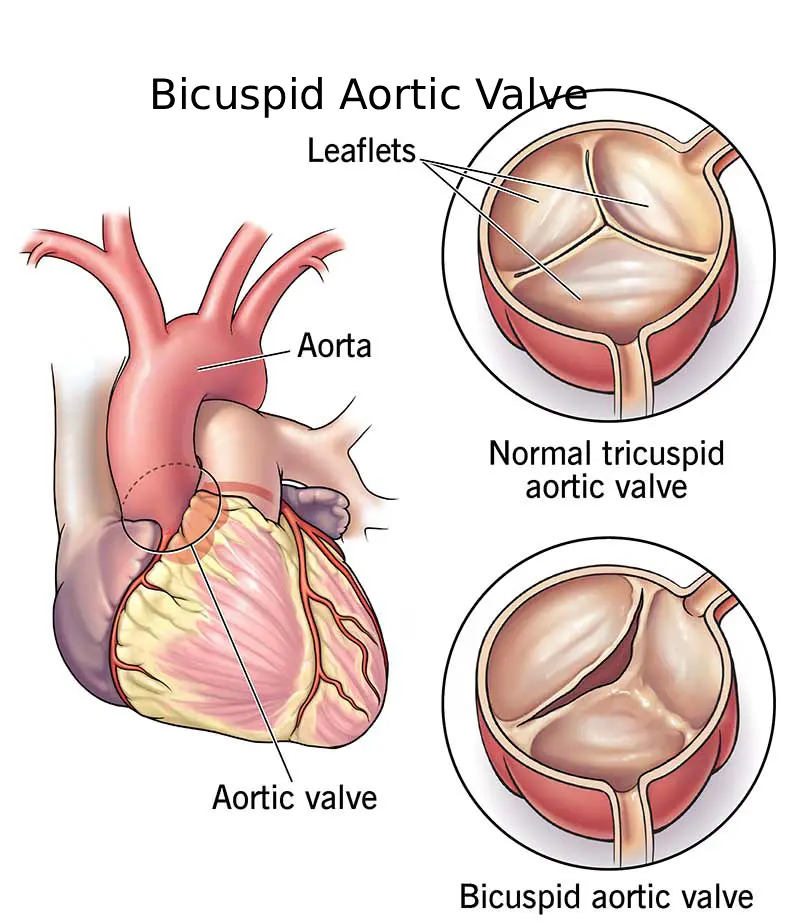
Diagnosis of Congenital Heart Defects Congenital heart defects can be diagnosed before birth, shortly after birth, or later in childhood, depending on the severity of the condition. During pregnancy, a fetal ultrasound can sometimes detect abnormal heart structures or irregular blood flow patterns, helping identify certain defects early. After birth, a healthcare professional may suspect a congenital heart defect if …

IgA Nephropathy (Berger Disease)

admin

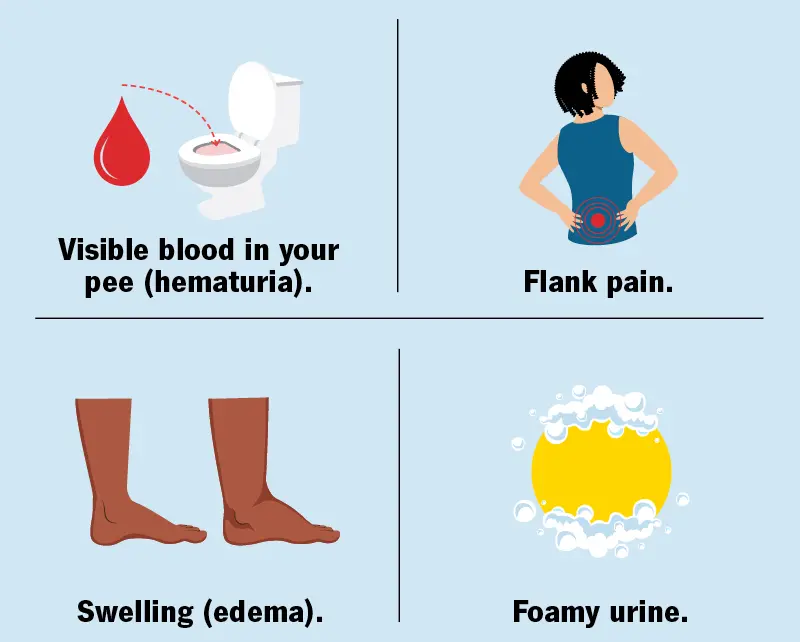
Diagnosis IgA nephropathy is often discovered after noticing blood in the urine or during a routine urine test showing blood or protein. Additional exams help confirm the condition and assess kidney function. Tests used in diagnosis include: Urine testsA urine sample is checked under a microscope to evaluate how well the kidneys are working and to measure protein levels. Blood …

Benign Prostatic Hyperplasia (BPH)

admin

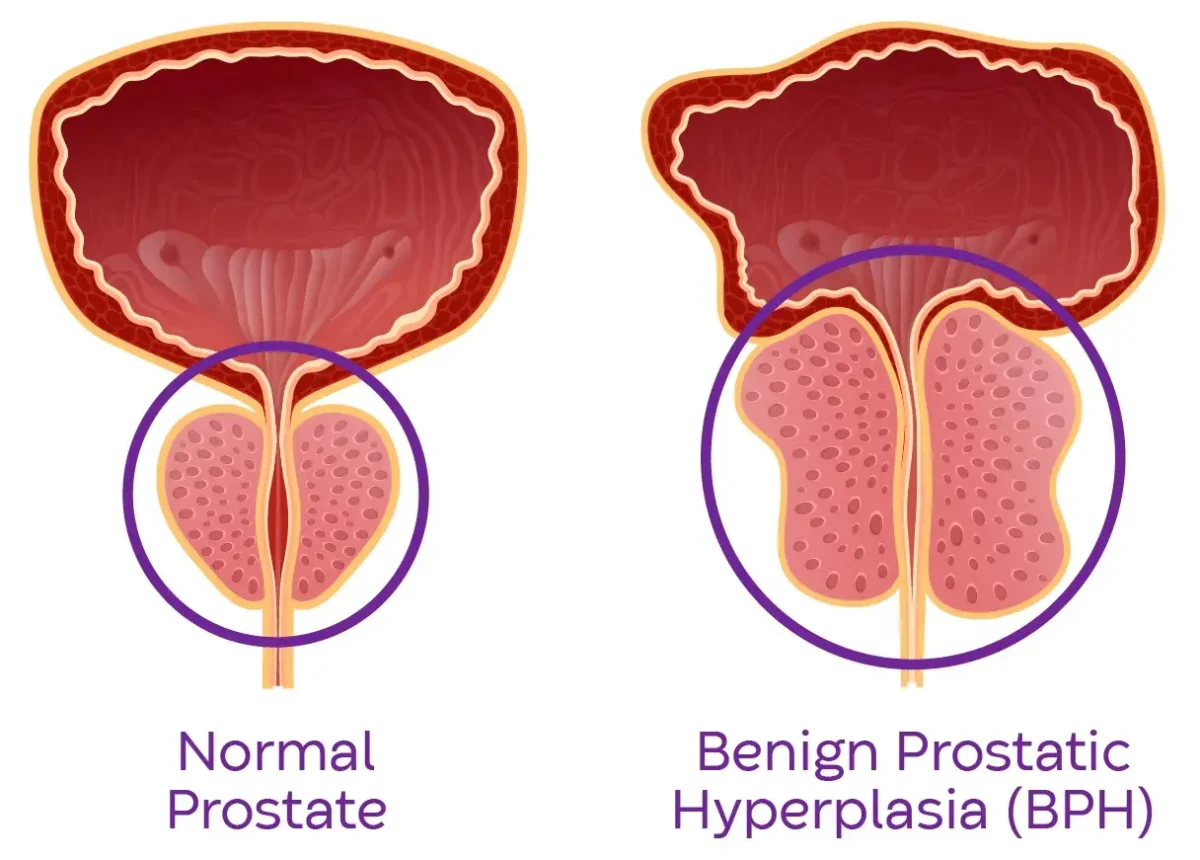
Diagnosis Diagnosis of BPH typically starts with a medical history review and a physical exam, including: Digital Rectal Exam (DRE): To check prostate size and texture. Urine Test: Screens for infections or other conditions with similar symptoms. Blood Test: Evaluates kidney function and may include prostate-specific antigen (PSA) to assess prostate health. Additional tests may include: Urinary Flow Test: Measures …

Benign Peripheral Nerve Tumor

admin

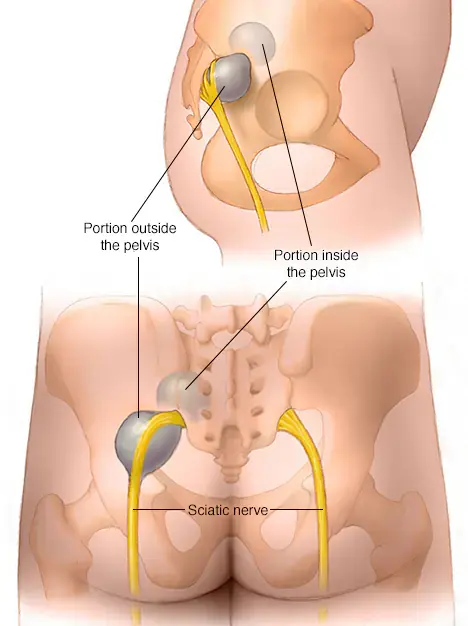
Peripheral Nerve Tumors – Diagnosis and Treatment Peripheral nerve tumors are abnormal growths that develop on or around nerves. Diagnosis focuses on locating the tumor, identifying its type, and assessing whether it may cause symptoms or become cancerous. Diagnosis To diagnose a peripheral nerve tumor, your healthcare professional may recommend several tests: Magnetic Resonance Imaging (MRI):Preferred imaging method, MRI provides …

Benign Paroxysmal Positional Vertigo (BPPV)

admin

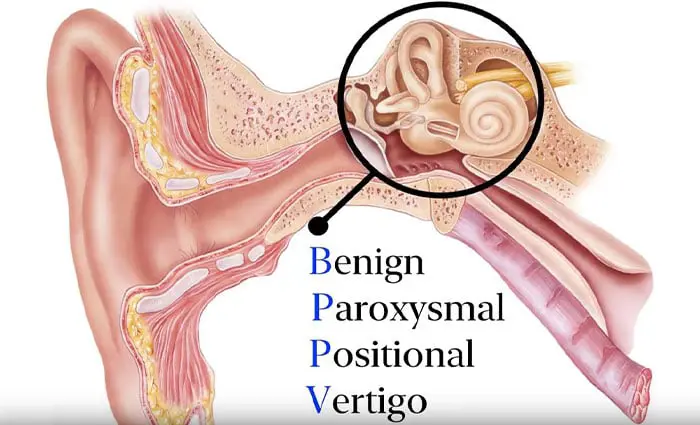
Diagnosis To diagnose BPPV, your doctor will perform a physical exam and assess your eye and head movements. Key signs include: Dizziness triggered by eye or head movements that subsides within one minute Dizziness associated with specific eye movements when lying on your back with your head turned or tilted Involuntary side-to-side eye movements (nystagmus) Difficulty controlling eye movements If …

Geographic Tongue

admin

Diagnosis A diagnosis of geographic tongue is typically made through a visual examination by a physician or dentist. The healthcare provider assesses the tongue’s appearance and reviews symptoms to rule out other oral conditions. During the exam, the provider may: Use a lighted instrument to carefully inspect the tongue and mouth Ask you to move your tongue in different directions …

Bell’s Palsy

admin

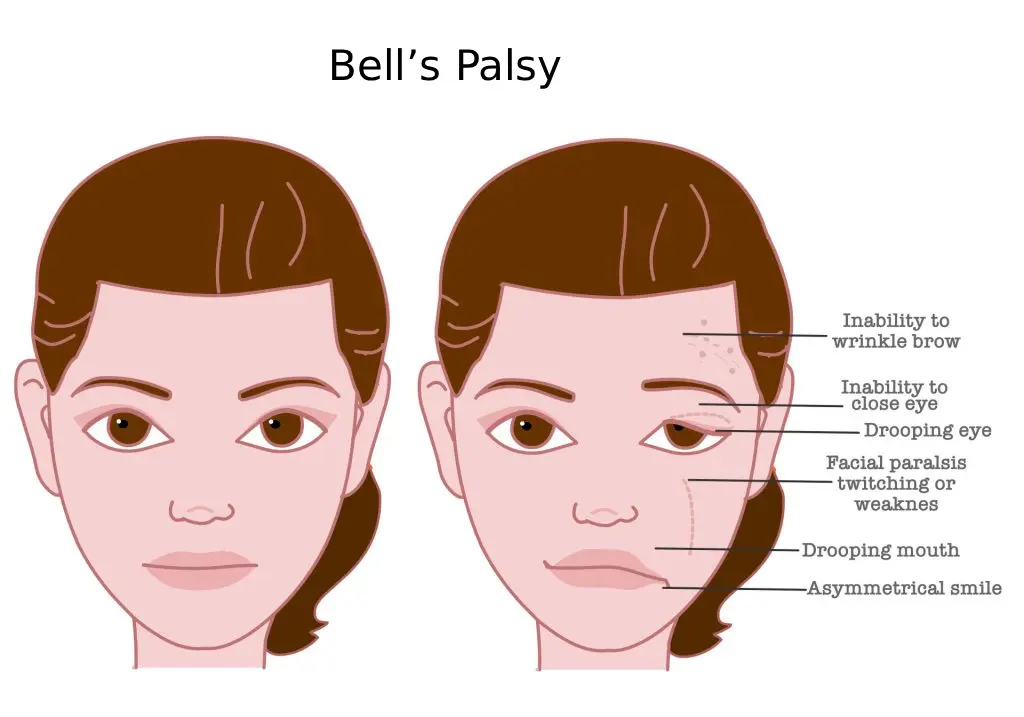
Diagnosis There is no single test for Bell’s palsy. Diagnosis primarily relies on a clinical examination: Facial assessment: Your healthcare professional will observe your ability to move facial muscles, including closing your eyes, lifting your eyebrows, frowning, and smiling. Medical history: The doctor will ask about the onset of symptoms, prior infections, recent illnesses, and risk factors. Other conditions can …

Behcet’s Disease

admin

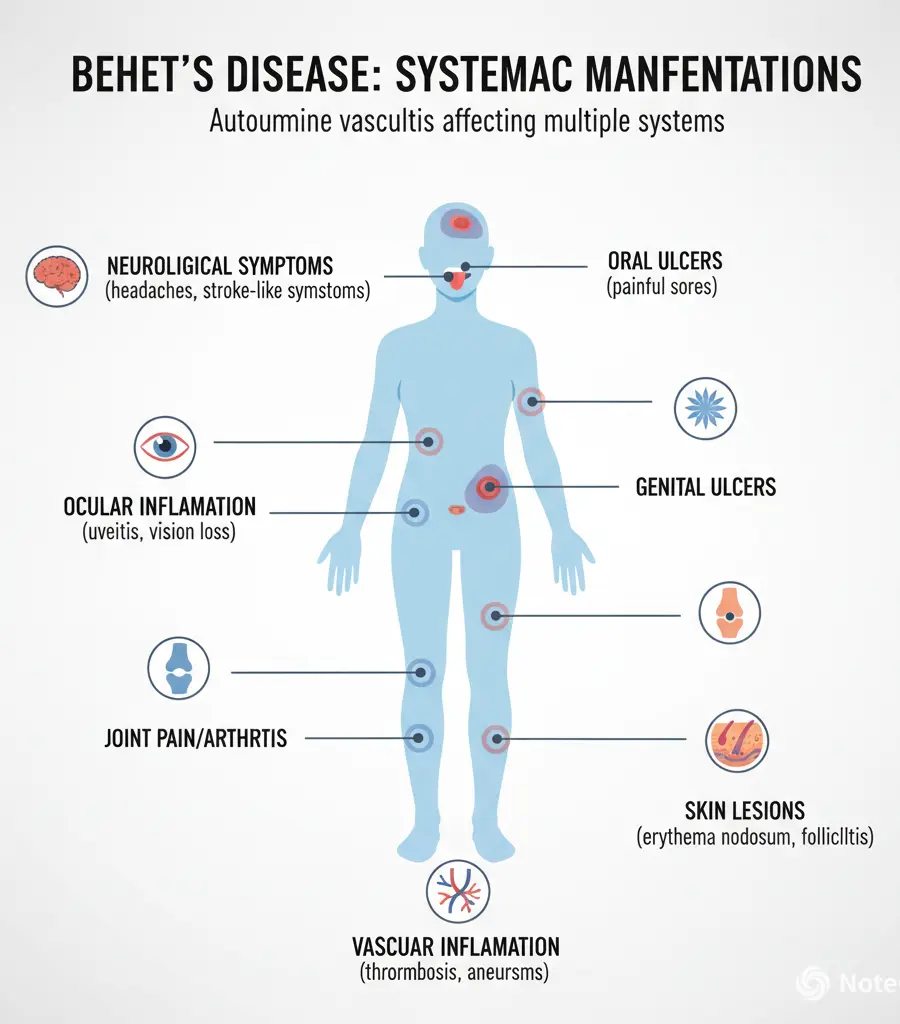
Diagnosis Diagnosis of Behcet disease relies on your symptoms, medical history, and sometimes specialized tests. Key factors include: Recurring mouth sores: Painful mouth ulcers appearing at least three times within 12 months are a major diagnostic criterion. Additional symptoms: At least two of the following are generally required for diagnosis: Recurrent genital sores Eye inflammation causing redness or pain Skin …