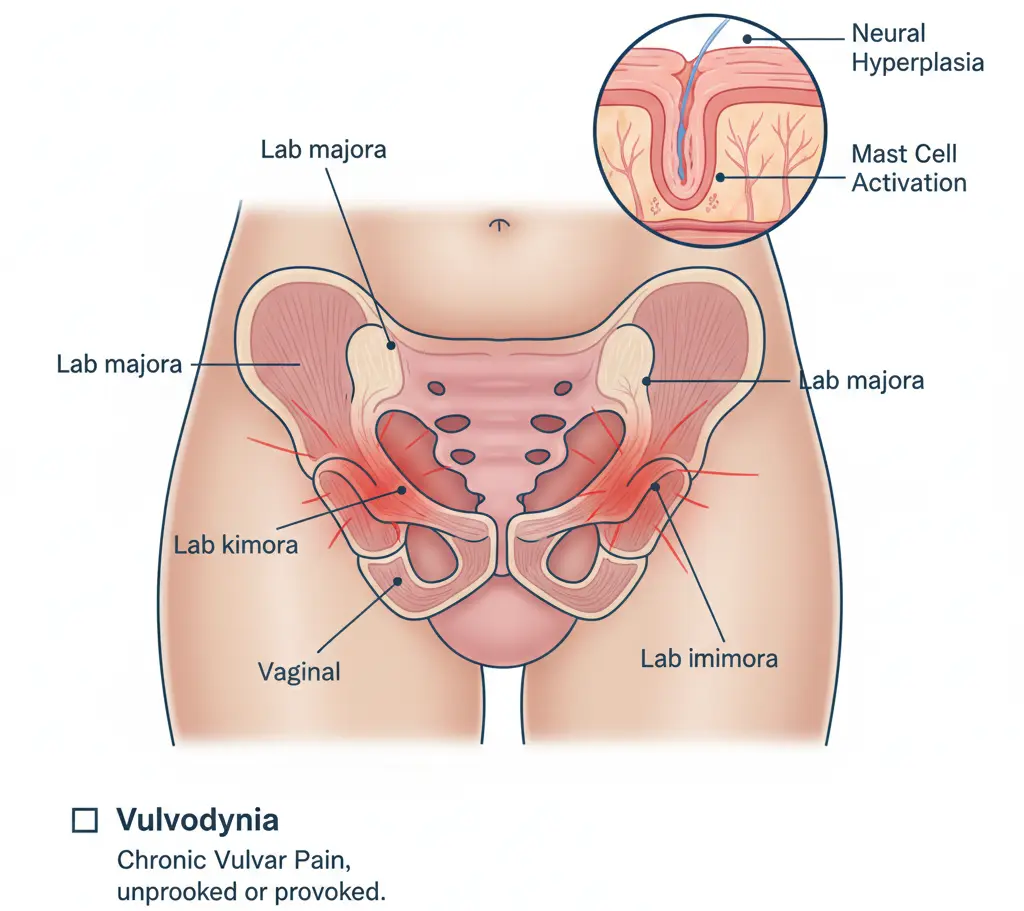
Diagnosis To diagnose vulvodynia, your healthcare professional or gynecologist will begin by discussing your medical and sexual history, including any surgeries you may have had. The goal is to understand your symptoms and rule out other possible causes of pain or irritation. Common diagnostic steps include: Pelvic exam: Your outer genitals and vagina are checked for signs of infection or …
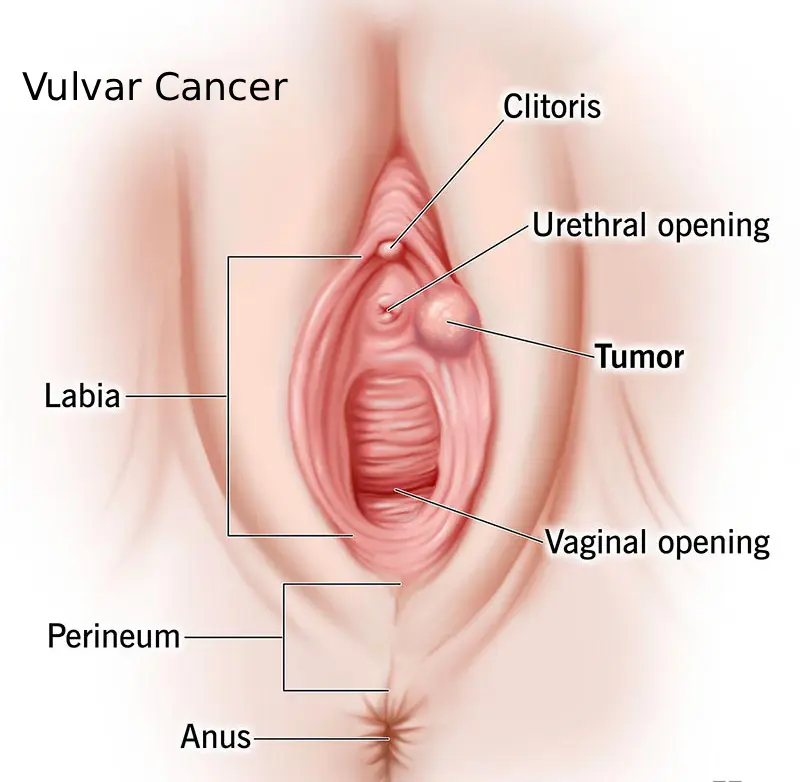
Vulvar Cancer
Diagnosis Vulvar cancer diagnosis often begins with a physical exam and a discussion of your medical history. A healthcare professional may use a special magnifying device to inspect the vulva closely, and a tissue sample may be taken for laboratory testing. A vulvar examination is typically performed to identify any concerning areas. The healthcare provider may use a colposcope, a …
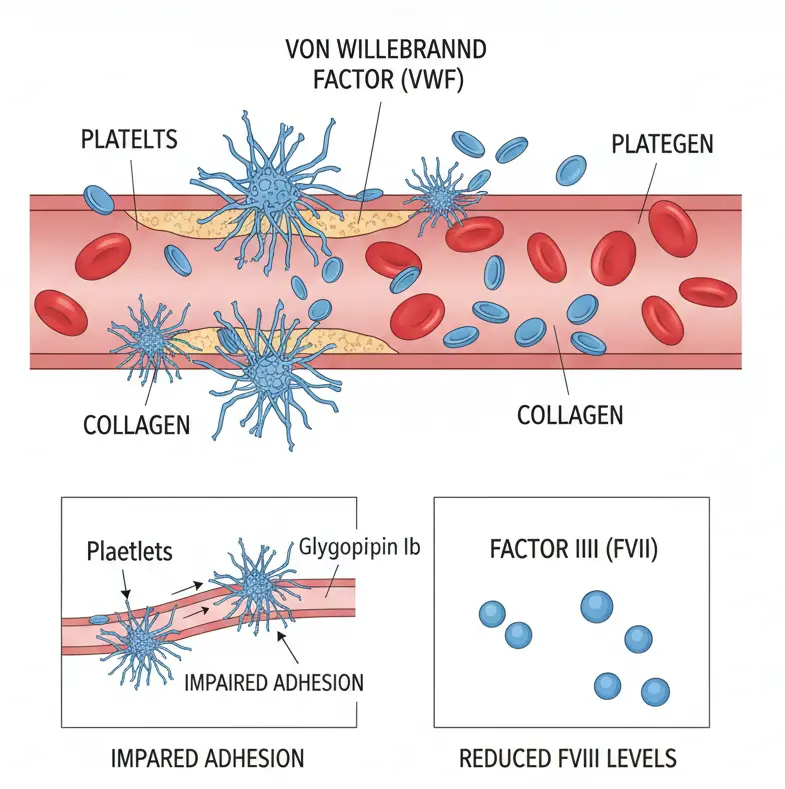
Von Willebrand Disease
Diagnosis To diagnose von Willebrand disease, your healthcare professional will begin by asking about your medical history, bleeding episodes, and any family history of bleeding disorders. A physical examination will also be performed to look for signs such as bruising or recent bleeding. Several blood tests are commonly used to confirm the diagnosis and determine the type and severity of …
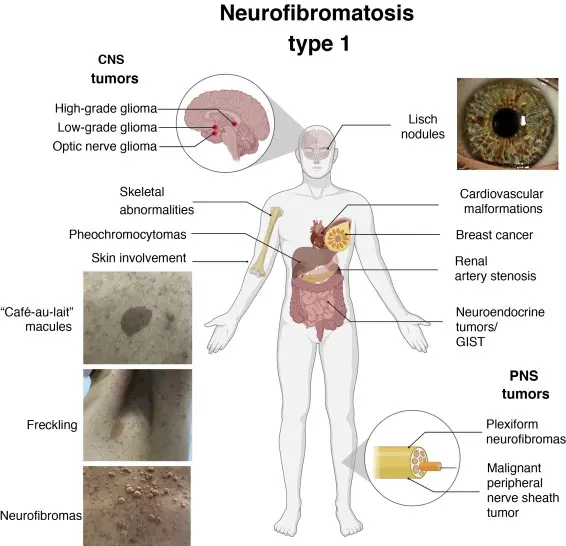
Neurofibromatosis Type 1
Diagnosis Diagnosis of neurofibromatosis type 1 (NF1) begins with a review of personal and family medical history and a physical exam. Skin exam: Your child’s skin is checked for cafe au lait spots, which can indicate NF1. Eye exam: An eye exam may reveal Lisch nodules, cataracts, or vision loss. Imaging tests: X-rays, CT scans, or MRIs can identify bone …
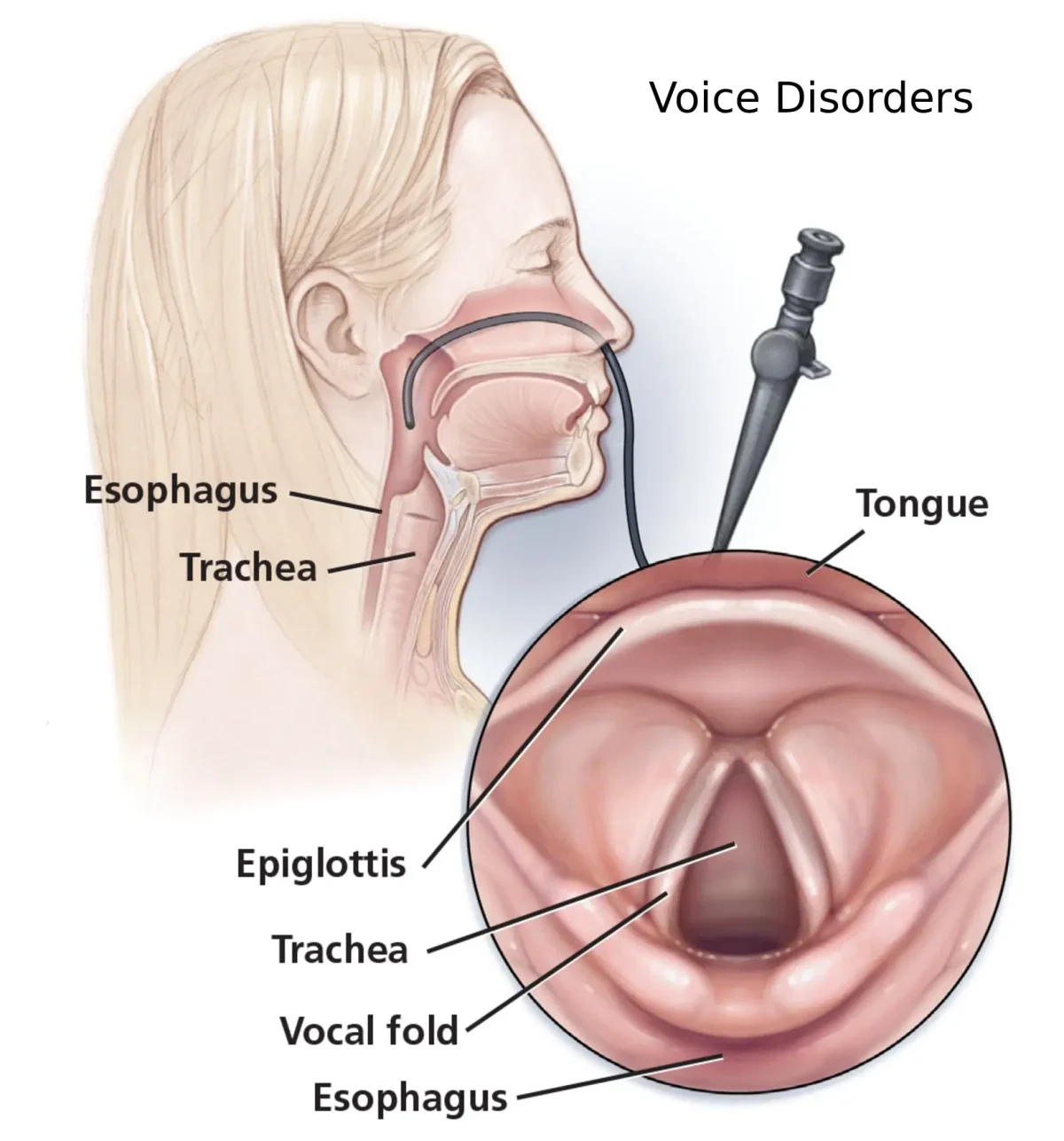
Voice Disorders
Diagnosis To diagnose a voice disorder, your healthcare provider will begin by asking about your voice problems and performing a thorough examination. You may be given a numbing medicine before the procedure to make it more comfortable. Several tools and tests may be used during diagnosis, including: Mirror: A small, angled mirror similar to a dental mirror is placed into …
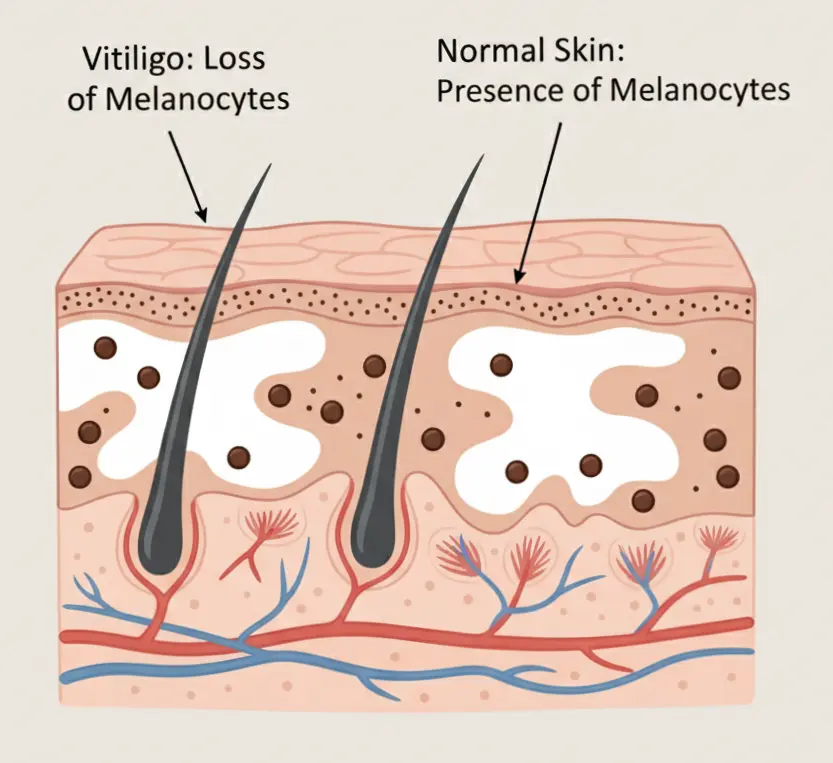
Vitiligo
Diagnosis Diagnosing vitiligo begins with a detailed medical history and a skin examination. Your healthcare provider may use a special lamp to look at your skin more closely. The evaluation might also include: A skin biopsy to check for pigment-producing cells Blood tests to look for autoimmune conditions or vitamin deficiencies These tests help rule out other causes of skin …
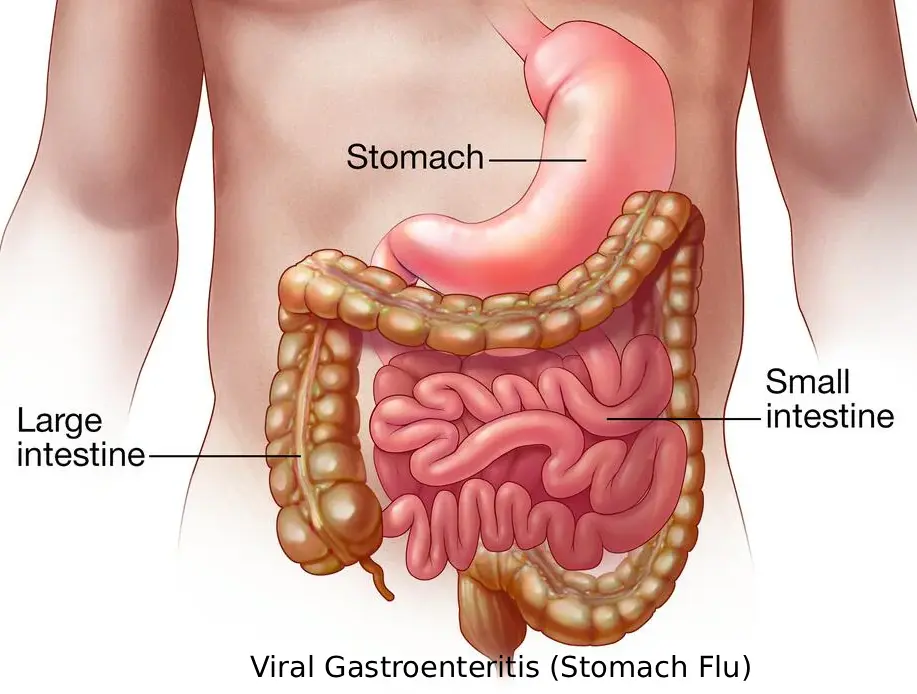
Viral Gastroenteritis (Stomach Flu)
Diagnosis Diagnosis of viral gastroenteritis is usually based on symptoms and a physical examination. Your doctor may also consider whether similar cases are occurring in your community. In some cases, additional tests may be needed to confirm the cause or rule out other infections. Common diagnostic steps include: Reviewing symptoms such as nausea, vomiting, diarrhea, stomach cramps, and fever Performing …
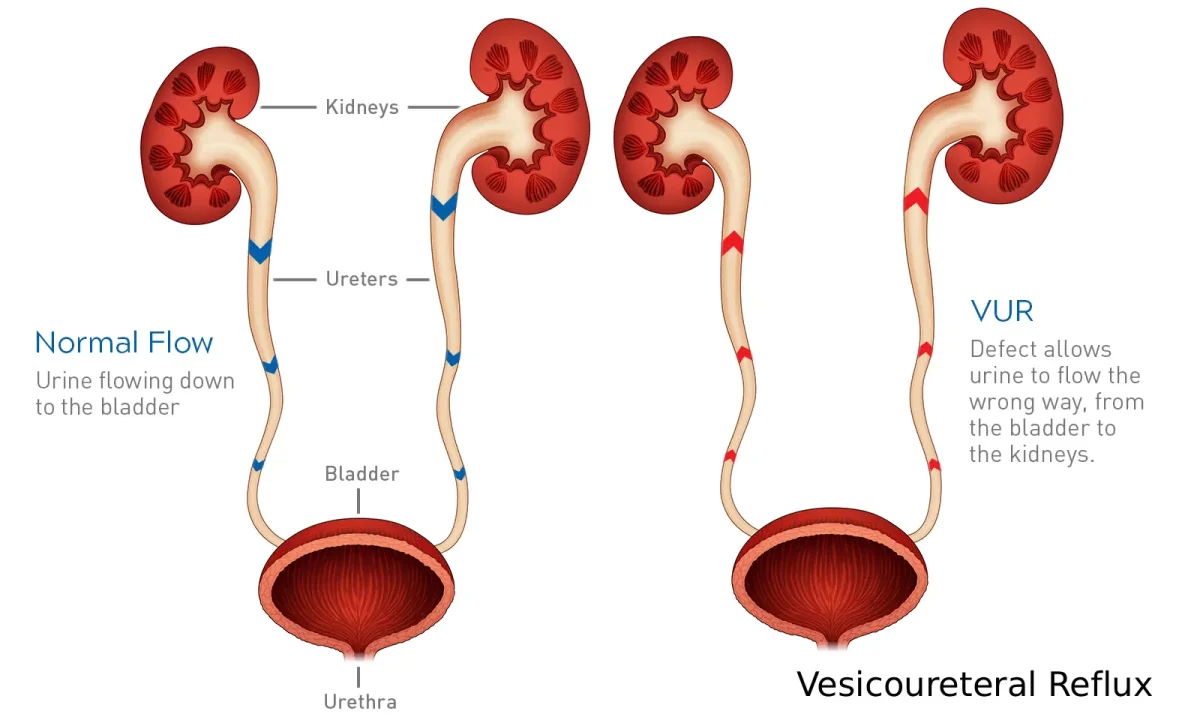
Vesicoureteral Reflux
Diagnosis Diagnosis for vesicoureteral reflux involves several steps to confirm whether a child has the condition. The process often begins with a urine test to check for a urinary tract infection (UTI). Additional imaging and diagnostic tests may be needed to evaluate the urinary system in more detail. Tests used for diagnosis include: Kidney and bladder ultrasound – This imaging …
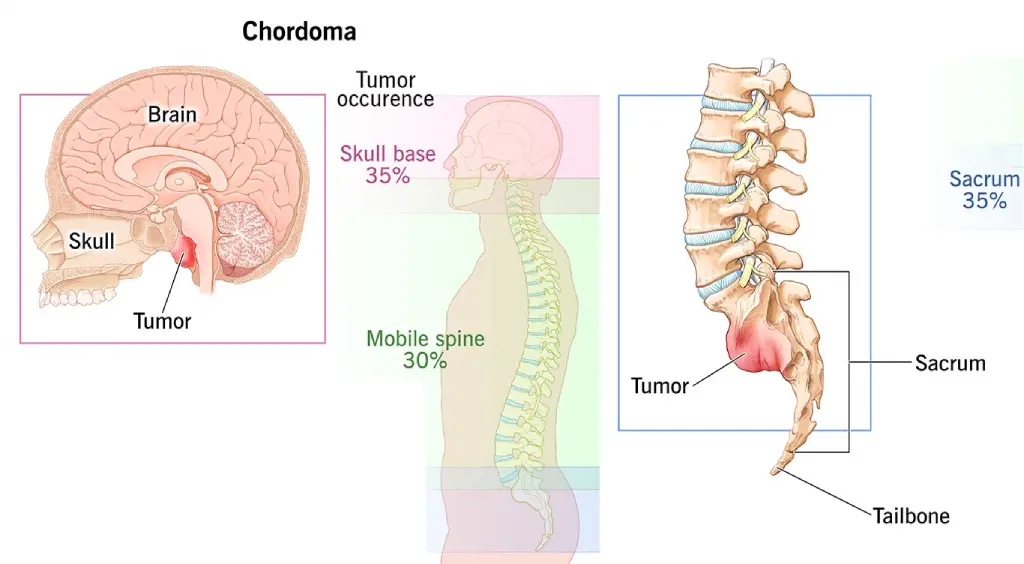
Vertebral Tumor
Diagnosis Diagnosis for vertebral tumors usually begins with a physical examination and a review of symptoms. Imaging tests help determine the size and location of the tumor, and a biopsy confirms the diagnosis by testing a tissue sample in the lab. Exams A healthcare professional starts by asking about symptoms and medical history. It’s important to mention any current or …
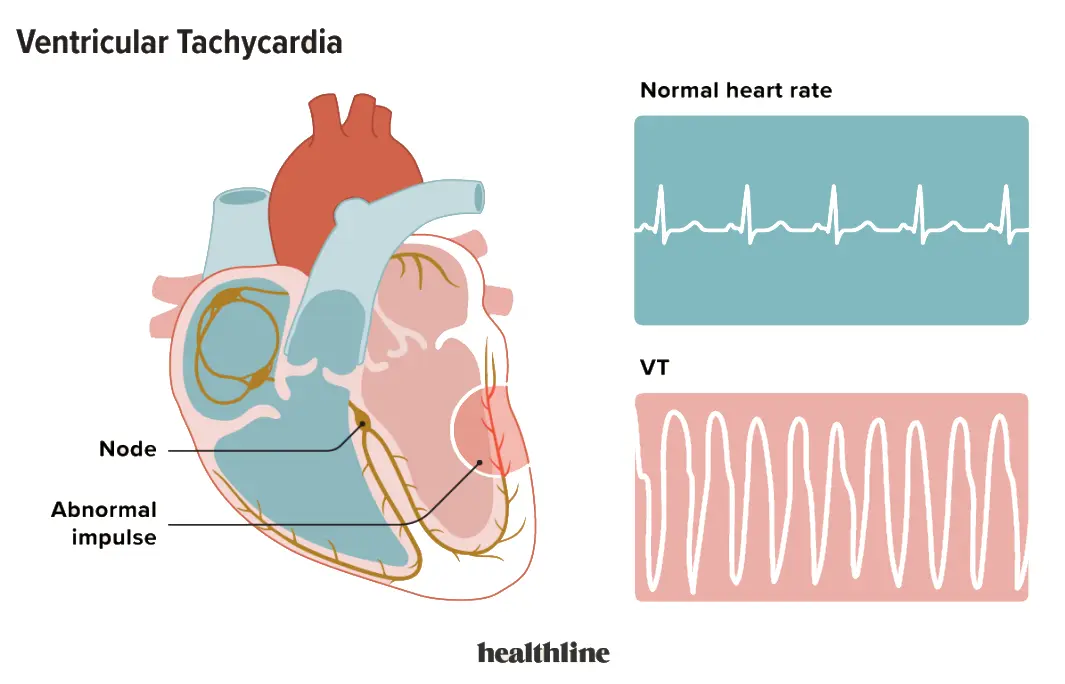
Ventricular Tachycardia
Ventricular tachycardia is a serious heart rhythm disorder in which the lower chambers of the heart, called the ventricles, beat very fast due to abnormal electrical signals. This rapid rhythm prevents the heart from pumping blood effectively, which can reduce blood flow to the brain and other vital organs. Ventricular tachycardia may last only a few seconds or persist for …