
Overview
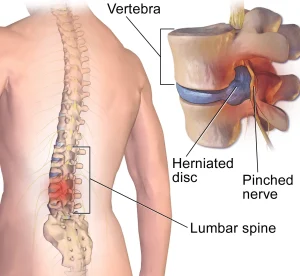
A pinched nerve occurs when excessive pressure is applied to a nerve by surrounding tissues such as bones, cartilage, muscles, or tendons. This pressure disrupts the nerve’s normal function and can lead to pain, tingling, numbness, or weakness in the affected area.
Pinched nerves commonly occur in areas where nerves travel through narrow spaces in the body, such as the neck, back, wrists, or elbows. The condition may develop suddenly due to injury or gradually as a result of repetitive movements or aging-related changes in the spine.
In many cases, a pinched nerve improves with rest and conservative treatment. However, if the pressure on the nerve continues for a long time, it can cause more serious nerve damage and persistent symptoms.
Symptoms
Symptoms of a pinched nerve depend on the location of the affected nerve and the severity of compression.
Common symptoms include:
-
Sharp, aching, or burning pain
-
Tingling or pins-and-needles sensation
-
Numbness in the affected area
-
Muscle weakness
-
Pain that radiates to nearby areas, such as the arms or legs
-
Reduced sensation or altered feeling in the skin
-
A feeling that the limb has “fallen asleep”
Symptoms often worsen with certain movements and may improve with rest or changes in position.
Causes
A pinched nerve develops when surrounding tissues place pressure on a nerve. This pressure interferes with the nerve’s ability to transmit signals between the brain and the body.
Common causes include:
-
Herniated or slipped spinal discs
-
Bone spurs that narrow nerve spaces
-
Repetitive motions that strain muscles and joints
-
Injuries or trauma
-
Arthritis affecting joints and surrounding structures
-
Poor posture that places stress on nerves
-
Swelling or inflammation of nearby tissues
These conditions can narrow the spaces through which nerves travel, increasing the likelihood of nerve compression.
Risk Factors
Certain factors may increase the likelihood of developing a pinched nerve.
Risk factors include:
-
Aging, which can lead to degenerative changes in the spine
-
Repetitive work or physical activities
-
Obesity
-
Poor posture during sitting or standing
-
Diabetes, which can increase vulnerability to nerve problems
-
Certain occupations requiring repetitive hand or neck movements
-
Injuries affecting bones or joints
People who spend long hours working at a computer or performing repetitive tasks may be more susceptible to nerve compression.
Complications
If a pinched nerve is not treated and pressure continues for a long time, it can lead to more serious complications.
Possible complications include:
-
Chronic pain
-
Persistent numbness or tingling
-
Permanent nerve damage
-
Muscle weakness or loss of muscle control
-
Reduced mobility in the affected area
Early treatment can often relieve pressure on the nerve and prevent long-term damage.
Prevention
Preventing a pinched nerve involves protecting the nerves from prolonged pressure and maintaining healthy posture and body mechanics.
Preventive measures include:
-
Practicing proper posture when sitting, standing, and working
-
Taking regular breaks during repetitive activities
-
Maintaining a healthy weight to reduce stress on joints and nerves
-
Performing stretching and strengthening exercises
-
Using ergonomic furniture and equipment when working
-
Avoiding repetitive strain or overuse of certain muscles
Maintaining good physical health and being mindful of body posture can help reduce the risk of developing a pinched nerve.
Advertisement
