
Overview
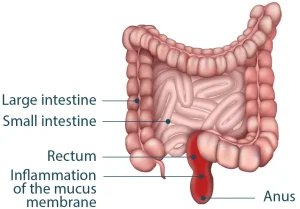
Proctitis is a condition characterized by inflammation of the lining of the rectum, the lower part of the large intestine just before the anus. The rectum stores stool before it is expelled from the body, and inflammation in this area can cause discomfort, pain, and changes in bowel habits.
Proctitis can occur due to infections, inflammatory bowel diseases, radiation therapy, or sexually transmitted infections. The condition may develop suddenly or gradually depending on the underlying cause. While some cases are mild and temporary, others may become chronic if associated with long-term inflammatory diseases.
Early diagnosis and appropriate treatment can help relieve symptoms, reduce inflammation, and prevent complications.
Symptoms
Symptoms of proctitis can vary depending on the cause and severity of inflammation.
Common symptoms include:
-
Rectal pain or discomfort
-
A frequent or urgent need to have a bowel movement
-
Rectal bleeding
-
Passing mucus from the rectum
-
Diarrhea or loose stools
-
Feeling of incomplete bowel emptying
Some individuals may also experience abdominal cramps, fever, or pain during bowel movements.
Causes
Proctitis can develop for several reasons that cause irritation or inflammation of the rectal lining.
Possible causes include:
-
Inflammatory bowel diseases such as ulcerative colitis or Crohn’s disease
-
Sexually transmitted infections such as gonorrhea, chlamydia, or herpes
-
Bacterial infections affecting the digestive tract
-
Radiation therapy used to treat cancers in the pelvic area
-
Antibiotic use that disrupts normal gut bacteria
-
Injury or trauma to the rectal area
The underlying cause often determines the severity and duration of the condition.
Risk factors
Certain factors may increase the likelihood of developing proctitis.
-
Having inflammatory bowel disease
-
Engaging in unprotected anal intercourse
-
Previous radiation therapy to the pelvic region
-
Recent gastrointestinal infections
-
Weakened immune system
People with chronic digestive disorders may have a higher risk of repeated episodes.
Complications
If proctitis is not treated properly, it may lead to complications related to ongoing inflammation.
Possible complications include:
-
Chronic rectal pain
-
Ulcers in the rectal lining
-
Anemia caused by persistent bleeding
-
Narrowing of the rectum due to scar tissue
-
Spread of infection in severe cases
Timely treatment can help prevent long-term damage to the rectal tissues.
Prevention
Preventive measures depend largely on addressing the underlying causes and reducing risk factors.
-
Practice safe sexual habits to reduce the risk of infections
-
Follow medical advice when undergoing radiation therapy
-
Maintain good digestive health through a balanced diet
-
Seek prompt treatment for gastrointestinal infections
-
Manage inflammatory bowel diseases under medical supervision
Regular medical evaluation is important if persistent rectal symptoms occur, as early treatment can prevent complications and improve recovery.
Advertisement
