
Overview
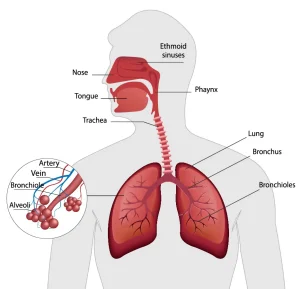
Respiratory syncytial virus (RSV) is a common viral infection that primarily affects the respiratory tract, particularly in infants, young children, and older adults. It is a leading cause of bronchiolitis and pneumonia in children under two years old. RSV spreads easily through respiratory droplets and direct contact, and infections can range from mild cold-like symptoms to severe respiratory illness requiring hospitalization.
Respiratory Syncytial Virus (RSV) Symptoms
Symptoms usually appear 4–6 days after exposure and can vary from mild to severe.
-
Runny or stuffy nose
-
Coughing and sneezing
-
Fever
-
Sore throat
-
Wheezing or difficulty breathing
-
Rapid breathing or shortness of breath
-
Decreased appetite
-
Fatigue or irritability, especially in infants
Respiratory Syncytial Virus (RSV) Causes
RSV is caused by infection with the respiratory syncytial virus.
-
Direct contact with infected respiratory secretions
-
Touching contaminated surfaces and then touching the face, nose, or eyes
-
Inhalation of airborne droplets from coughing or sneezing
-
Seasonal outbreaks, often in fall and winter months
Respiratory Syncytial Virus (RSV) Risk Factors
Certain factors increase the likelihood of severe RSV infection.
-
Infants under six months of age
-
Premature birth
-
Chronic lung or heart disease
-
Weak or compromised immune system
-
Older adults, especially those with underlying health conditions
-
Exposure to crowded settings such as daycare
-
Household exposure to smokers
Respiratory Syncytial Virus (RSV) Complications
While most RSV infections are mild, severe cases can lead to complications.
-
Bronchiolitis (inflammation of the small airways in the lungs)
-
Pneumonia
-
Severe respiratory distress requiring hospitalization
-
Dehydration due to poor feeding in infants
-
Worsening of chronic lung or heart conditions
-
Increased risk of future wheezing or asthma in children
Respiratory Syncytial Virus (RSV) Prevention
Preventive measures focus on reducing exposure and supporting immunity.
-
Frequent handwashing and proper hygiene
-
Avoiding close contact with sick individuals
-
Cleaning and disinfecting surfaces regularly
-
Limiting exposure of infants to crowded places during RSV season
-
Use of prophylactic medications (palivizumab) in high-risk infants
-
Promoting breastfeeding to support immune protection
-
Vaccination for RSV in eligible older adults and infants (where available)
RSV is a common but potentially serious viral infection, especially in young children and vulnerable adults. Early recognition, supportive care, and preventive measures are essential to reduce severity and complications.
Request an appointment
Advertisement
