
Overview
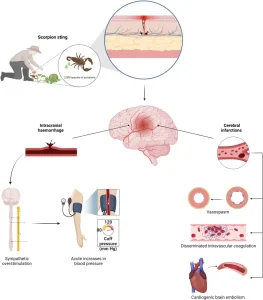
A scorpion sting occurs when a scorpion injects venom into the skin using its stinger. Scorpions are commonly found in warm and dry regions, and most stings happen when people accidentally come into contact with them. While many scorpion stings cause mild symptoms similar to a bee sting, some species can deliver venom that leads to serious health complications.
The severity of a scorpion sting depends on the type of scorpion, the amount of venom injected, and the age and health of the person affected. Children, older adults, and individuals with weakened immune systems are at higher risk of severe reactions.
Symptoms
Symptoms of a scorpion sting can range from mild to severe and usually begin shortly after the sting.
Common mild symptoms include:
-
Immediate pain or burning sensation at the sting site
-
Redness and swelling
-
Numbness or tingling around the area
Severe symptoms may include:
-
Intense pain spreading from the sting site
-
Muscle twitching or spasms
-
Difficulty breathing
-
Excessive sweating
-
Nausea and vomiting
-
Restlessness or agitation
-
Increased heart rate
-
High blood pressure
Severe symptoms require urgent medical attention.
Causes
A scorpion sting is caused by contact with a scorpion that feels threatened and uses its stinger for defense. Scorpions are typically active at night and hide in dark, cool places during the day.
Common situations leading to stings include:
-
Walking barefoot in areas where scorpions are present
-
Reaching into shoes, clothing, or bedding without checking
-
Handling firewood, rocks, or debris
The venom affects the nervous system and can cause varying degrees of symptoms depending on its potency.
Risk Factors
Certain factors increase the risk of scorpion stings:
-
Living in or traveling to warm, desert, or tropical regions
-
Sleeping on the floor in areas where scorpions are common
-
Leaving shoes or clothes on the ground
-
Children due to their smaller body size
People living in rural areas are more likely to encounter scorpions.
Complications
Most scorpion stings resolve without serious complications, but some cases can become life-threatening.
Possible complications include:
-
Severe allergic reactions
-
Respiratory distress
-
Heart rhythm disturbances
-
Neurological symptoms
-
Shock
Prompt medical treatment reduces the risk of serious outcomes.
Prevention
Scorpion stings can often be prevented by taking simple precautions.
Preventive measures include:
-
Shake out shoes, clothing, and bedding before use
-
Avoid walking barefoot outdoors
-
Seal cracks and openings in homes
-
Use insect screens and keep surroundings clean
-
Wear gloves when handling firewood or debris
-
Keep beds slightly away from walls in high-risk areas
Taking these safety measures significantly reduces the risk of scorpion stings and related complications.
Advertisement
