
Overview
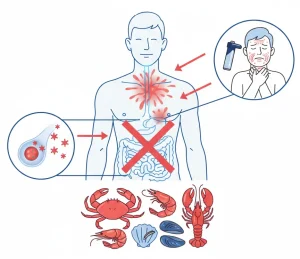
Shellfish allergy is a common food allergy that occurs when the immune system reacts abnormally to proteins found in certain marine animals. It can develop at any age and often persists throughout life. Reactions may range from mild symptoms to severe, life-threatening responses. Shellfish allergy is one of the leading causes of food-induced anaphylaxis in adults.
Symptoms
Symptoms usually appear within minutes to a few hours after eating shellfish or foods contaminated with shellfish. The severity can vary between individuals and even between episodes.
-
Itching or tingling of the mouth and throat
-
Hives, redness, or swelling of the skin
-
Swelling of the lips, face, tongue, or throat
-
Nausea, vomiting, abdominal pain, or diarrhea
-
Coughing, wheezing, or shortness of breath
-
Dizziness, fainting, or drop in blood pressure in severe reactions
Causes
Shellfish allergy is caused by an immune response to specific proteins in shellfish, most commonly tropomyosin. The immune system mistakenly identifies these proteins as harmful and releases chemicals such as histamine, leading to allergic symptoms. Both crustaceans and mollusks can trigger reactions, and sensitivity to one type does not always predict reactions to another.
Risk Factors
Several factors may increase the likelihood of developing a shellfish allergy.
-
Family history of allergies or asthma
-
Presence of other food allergies
-
Adult onset of food allergy
-
Exposure to shellfish proteins through diet or environment
Complications
The most serious complication of shellfish allergy is anaphylaxis, a rapid and severe allergic reaction that can affect multiple organ systems. Anaphylaxis can cause airway swelling, difficulty breathing, shock, and can be fatal without prompt treatment. Repeated allergic reactions can also significantly affect quality of life due to dietary restrictions and anxiety about accidental exposure.
Prevention
Prevention focuses on strict avoidance of shellfish and shellfish-containing products. Reading food labels carefully and being cautious when eating out are essential, as cross-contamination is common in seafood preparation areas. Individuals diagnosed with shellfish allergy should carry emergency medication as advised by a healthcare provider and seek immediate medical care if symptoms of a severe reaction occur.
Request an appointment
Advertisement
