
Overview
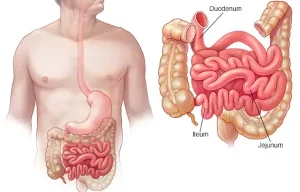
Small bowel cancer is a rare type of cancer that develops in the small intestine, the part of the digestive system responsible for absorbing nutrients from food. Although the small intestine makes up a large portion of the digestive tract, cancers in this area are uncommon compared to those of the colon or stomach. Small bowel cancer can affect digestion and nutrient absorption and may spread to other parts of the body if not detected early.
Symptoms
Symptoms of small bowel cancer are often vague and may develop slowly, which can delay diagnosis.
-
Abdominal pain or cramping
-
Unexplained weight loss
-
Nausea or vomiting
-
Fatigue due to anemia
-
Blood in the stool or dark, tarry stools
-
Bowel obstruction causing bloating or constipation
Symptoms may worsen as the tumor grows or blocks the intestine.
Causes
The exact cause of small bowel cancer is not always known. It occurs when cells in the lining of the small intestine develop genetic changes that cause uncontrolled growth. Over time, these abnormal cells can form a tumor. Certain chronic conditions that cause long-term inflammation of the intestine may increase the likelihood of these changes.
Risk Factors
Several factors can increase the risk of developing small bowel cancer.
-
Age over 60 years
-
Chronic inflammatory bowel diseases
-
Genetic conditions affecting the digestive tract
-
Diet high in red or processed meats
-
Smoking
-
Excessive alcohol use
-
Family history of gastrointestinal cancers
Complications
Complications of small bowel cancer can be serious. Tumors may block the intestine, leading to severe pain, vomiting, and inability to pass stool. Chronic bleeding can cause anemia and weakness. If the cancer spreads to other organs, such as the liver or lymph nodes, treatment becomes more complex and outcomes may be less favorable.
Prevention
There is no guaranteed way to prevent small bowel cancer, but risk may be reduced by maintaining a healthy lifestyle. Eating a balanced diet rich in fruits and vegetables, avoiding smoking, and limiting alcohol intake may help lower risk. People with known risk factors or genetic conditions should have regular medical follow-up. Seeking medical evaluation for persistent digestive symptoms supports earlier detection and better outcomes.
Advertisement
