
Overview
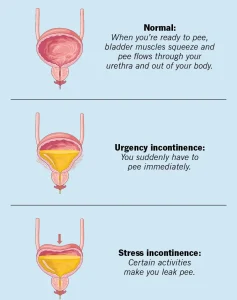
Stress incontinence is a type of urinary incontinence characterized by the involuntary leakage of urine during physical activities that increase pressure on the bladder. This can occur during coughing, sneezing, laughing, exercising, or lifting heavy objects. Stress incontinence is more common in women, especially after pregnancy or menopause, but it can also affect men, particularly after prostate surgery. It is usually caused by weakened pelvic floor muscles or damage to the urinary sphincter.
Symptoms
Common symptoms of stress incontinence include:
-
Leakage of small amounts of urine during physical activity
-
Urine leakage when coughing, sneezing, or laughing
-
Frequent urge to urinate during exertion
-
Discomfort or embarrassment due to accidental leakage
Symptoms often worsen with activities that increase abdominal pressure and may interfere with daily life.
Causes
Stress incontinence typically results from weakened pelvic floor muscles or a weakened urethral sphincter. Common causes include:
-
Pregnancy and childbirth, which stretch and weaken pelvic muscles
-
Menopause, leading to reduced estrogen levels and tissue strength
-
Pelvic surgery, including prostate surgery in men
-
Chronic coughing or heavy lifting, which increase pressure on the bladder
-
Neurological conditions that affect bladder control
The condition arises when the muscles cannot adequately support the bladder or urethra.
Risk Factors
Factors that increase the risk of stress incontinence include:
-
Female sex, especially after childbirth
-
Aging, which weakens muscles and connective tissue
-
Obesity, which increases pressure on the bladder
-
Chronic respiratory conditions causing frequent coughing
-
History of pelvic surgery or injury
-
Certain neurological disorders
These factors contribute to muscle weakness or structural changes in the urinary tract.
Complications
If untreated, stress incontinence may lead to complications such as:
-
Skin irritation or infections due to constant moisture
-
Urinary tract infections
-
Emotional distress, anxiety, or embarrassment
-
Social withdrawal or reduced physical activity
Early management can prevent these complications and improve quality of life.
Prevention
Although not all cases can be prevented, measures to reduce risk include:
-
Performing pelvic floor exercises (Kegels) to strengthen muscles
-
Maintaining a healthy weight
-
Avoiding heavy lifting or learning proper techniques
-
Treating chronic cough or constipation to reduce bladder pressure
-
Seeking early evaluation for urinary leakage
Consistent exercise, healthy lifestyle habits, and timely intervention are key to managing and preventing stress incontinence.
Advertisement
