
Overview
Symptoms
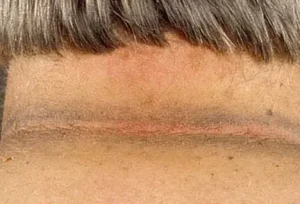
The main sign of acanthosis nigricans is the development of darkened, thickened skin with a velvety texture. These skin changes usually appear gradually and may become more noticeable over time.
Acanthosis nigricans most commonly affects areas where the skin naturally folds or creases, including the armpits, groin, and the back of the neck. In some cases, other body folds may also be involved.
The affected skin may:
-
Appear darker than the surrounding skin
-
Feel thicker and velvety to the touch
-
Become itchy or irritated
-
Develop an unusual odor
-
Show small growths known as skin tags
Although the condition itself is not harmful, the visible skin changes can be concerning and may signal an underlying health issue that requires medical attention.
Causes
Acanthosis nigricans is usually associated with an underlying medical condition or certain medications that affect the way the body processes hormones and sugars.
The most common causes include:
-
Insulin resistance, which occurs when the body does not respond properly to insulin. This condition is strongly linked to type 2 diabetes and is also associated with polycystic ovarian syndrome. Elevated insulin levels are thought to stimulate skin cell growth, leading to the thickened and darkened skin seen in acanthosis nigricans.
-
Certain medications and supplements, such as high-dose niacin, birth control pills, prednisone, and other corticosteroids, which may trigger or worsen the condition.
-
Cancer, although rare, can be a cause of acanthosis nigricans. It is most often linked to cancers of internal organs, including the stomach, colon, liver, and certain types of lymphoma.
In many cases, treating the underlying cause can help restore the skin’s normal color and texture and prevent the condition from progressing.
Advertisement
