
Overview
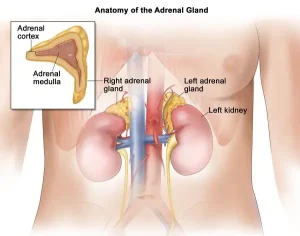
Adrenoleukodystrophy, also called ALD, is a rare inherited genetic disorder that affects the nervous system and adrenal glands. It occurs when the body cannot properly break down certain fats, known as very long-chain fatty acids. These fats build up in the brain, spinal cord and adrenal glands, leading to damage over time.
ALD mainly affects males, though females who carry the gene may also develop symptoms, usually later in life. The condition can appear in childhood, adolescence or adulthood, and the severity varies widely. Some forms progress rapidly, while others develop slowly over many years.
There is no cure for adrenoleukodystrophy, but early diagnosis is critical. Some treatments can slow disease progression or manage symptoms, especially when started before significant nerve damage occurs.
Symptoms
Symptoms of adrenoleukodystrophy depend on the form of the disease and the age at which it begins. Symptoms may worsen over time.
Common symptoms affecting the nervous system may include:
-
Behavior changes, such as difficulty paying attention or memory problems
-
Learning difficulties or decline in school performance
-
Problems with balance or coordination
-
Muscle stiffness or weakness
-
Vision or hearing loss
-
Difficulty speaking or swallowing
-
Seizures
Symptoms related to adrenal gland damage, known as adrenal insufficiency, may include:
-
Extreme tiredness
-
Weight loss
-
Loss of appetite
-
Low blood pressure
-
Dizziness
-
Darkening of the skin
-
Salt cravings
In adults, a form called adrenomyeloneuropathy often causes slowly worsening stiffness and weakness in the legs, along with bladder or bowel problems.
When to see a doctor
See a healthcare professional if you or your child has symptoms such as unexplained behavior changes, learning difficulties, muscle weakness or signs of adrenal insufficiency. Because ALD can run in families, genetic testing and early screening are important if there is a known family history.
Seek urgent medical care if symptoms worsen quickly or if signs of adrenal crisis appear, such as severe weakness, vomiting, confusion or fainting.
Causes
Adrenoleukodystrophy is caused by a change in a gene called ABCD1. This gene provides instructions for making a protein that helps break down very long-chain fatty acids in cells.
When the gene does not work properly, these fatty acids build up and damage the protective covering of nerve cells, called myelin. This damage disrupts signals between the brain and the rest of the body. Fatty acid buildup also damages the adrenal glands, reducing hormone production.
ALD is inherited in an X-linked pattern. This means the gene change is carried on the X chromosome. Males are more likely to develop severe symptoms because they have only one X chromosome. Females may carry the gene and can develop milder symptoms later in life.
Risk factors
Risk factors for adrenoleukodystrophy include:
-
Having a family history of ALD
-
Being male, since males are more severely affected
-
Carrying the ABCD1 gene mutation
Females who carry the gene are at risk of developing symptoms as adults, even if they had no problems earlier in life.
Complications
Complications of adrenoleukodystrophy can be severe and life-threatening, especially in rapidly progressing forms. These may include:
-
Permanent neurological damage
-
Loss of ability to walk, speak or care for oneself
-
Seizures that are difficult to control
-
Adrenal crisis due to adrenal gland failure
-
Early death in severe childhood forms if untreated
The emotional and psychological impact on individuals and families can also be significant.
Prevention
Adrenoleukodystrophy cannot be prevented because it is a genetic condition. However, early detection can improve outcomes.
Steps that may help reduce complications include:
-
Newborn screening, where available, to detect ALD before symptoms begin
-
Genetic counseling for families with a history of ALD
-
Regular monitoring of adrenal function and brain health in people diagnosed with or at risk for ALD
-
Prompt treatment of adrenal insufficiency to prevent adrenal crisis
Early diagnosis and ongoing medical care play a key role in managing adrenoleukodystrophy and improving quality of life.
Request an appointment
Advertisement
