
Overview
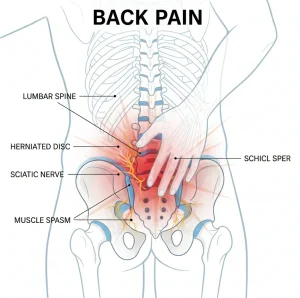
Back pain is a common medical condition that affects people of all ages and is one of the leading causes of disability worldwide. It can range from a mild, short-term ache to severe, long-lasting pain that interferes with daily activities. Back pain may occur suddenly after an injury or develop gradually over time due to wear and tear of the spine. In many cases, back pain improves with basic self-care, though some individuals may experience chronic or recurring symptoms.
Symptoms
Symptoms of back pain vary depending on the underlying cause and the area of the spine involved. Common symptoms include:
-
Dull or aching pain in the lower, middle, or upper back
-
Sharp or stabbing pain that may worsen with movement
-
Muscle stiffness or tightness limiting range of motion
-
Pain that radiates to the buttocks or legs
-
Increased discomfort after prolonged sitting, standing, or bending
In severe cases, back pain may be accompanied by numbness, tingling, or weakness in the legs.
Causes
Back pain can result from a wide range of conditions affecting the muscles, bones, discs, or nerves of the spine. Common causes include:
-
Muscle or ligament strain due to heavy lifting or sudden movements
-
Poor posture or prolonged sitting
-
Herniated or bulging spinal discs
-
Degenerative changes such as arthritis or spinal stenosis
-
Traumatic injuries from falls or accidents
In some cases, back pain may be linked to underlying medical conditions affecting internal organs or the spine itself.
Risk factors
Certain factors increase the likelihood of developing back pain. These include:
-
Increasing age, particularly after 30 years
-
Lack of regular physical activity
-
Excess body weight placing stress on the spine
-
Occupations involving heavy lifting or long periods of sitting
-
Poor posture and improper body mechanics
-
Smoking, which can reduce blood flow to spinal tissues
Emotional stress and depression may also contribute to the development or persistence of back pain.
Complications
Most episodes of back pain resolve without complications. However, persistent or severe back pain can lead to long-term issues such as reduced mobility, sleep disturbances, and difficulty performing daily tasks. Chronic back pain may affect mental health, contributing to anxiety or depression. In rare cases, nerve compression can result in ongoing numbness, weakness, or loss of bladder or bowel control, which requires immediate medical attention.
Prevention
While not all back pain can be prevented, adopting healthy habits can significantly reduce the risk. Preventive measures include:
-
Maintaining good posture while sitting, standing, and lifting
-
Engaging in regular physical activity to strengthen back and core muscles
-
Using proper lifting techniques and avoiding sudden twisting motions
-
Maintaining a healthy body weight
-
Choosing supportive mattresses and ergonomic seating
Early attention to posture, exercise, and lifestyle factors can help protect spinal health and reduce the likelihood of back pain.
Advertisement
