
Overview
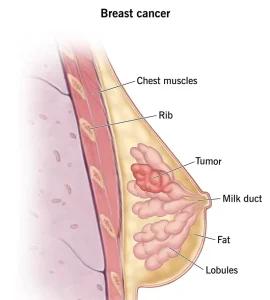
Breast cancer is a disease in which abnormal cells in the breast grow uncontrollably and form a tumor. It can begin in different parts of the breast, such as the ducts or lobules, and may spread to nearby tissues or other parts of the body if not treated. Breast cancer can affect both women and men, though it is far more common in women. Early detection and advances in treatment have significantly improved survival rates.
Symptoms
Symptoms of breast cancer can vary and may not be noticeable in the early stages.
• A lump or thickening in the breast or underarm
• Change in the size or shape of the breast
• Breast pain that does not go away
• Skin changes such as redness, dimpling, or puckering
• Nipple changes, including inversion or discharge
• Swelling of part or all of the breast
• Unexplained irritation or rash on the breast
Causes
Breast cancer develops when breast cells undergo genetic changes that cause uncontrolled growth.
• Genetic mutations that affect cell growth and repair
• Hormonal influences, especially estrogen and progesterone
• Inherited gene mutations such as BRCA1 and BRCA2
• Accumulation of DNA damage over time
Risk factors
Several factors can increase the risk of developing breast cancer.
• Increasing age
• Female sex
• Family history of breast or ovarian cancer
• Inherited genetic mutations
• Early onset of menstruation or late menopause
• Hormone replacement therapy
• Obesity and physical inactivity
• Alcohol consumption
Complications
Breast cancer and its treatment can lead to various complications.
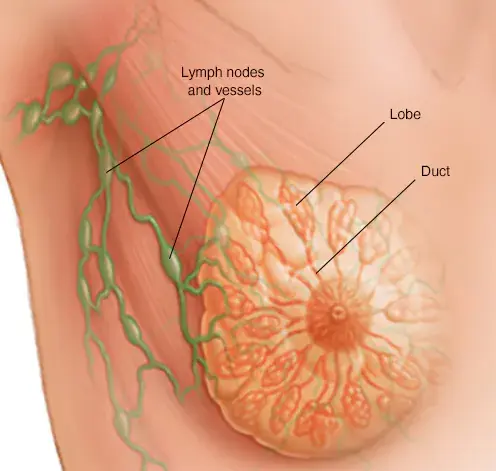
• Spread of cancer to lymph nodes or other organs
• Chronic pain or nerve damage
• Lymphedema causing arm swelling
• Emotional distress and anxiety
• Side effects from surgery, chemotherapy, or radiation
• Reduced quality of life in advanced cases
Prevention
While breast cancer cannot always be prevented, certain measures may reduce risk and support early detection.
• Regular breast self-awareness and clinical examinations
• Screening mammograms as recommended by healthcare providers
• Maintaining a healthy weight and active lifestyle
• Limiting alcohol intake
• Avoiding unnecessary hormone therapy
• Genetic counseling and preventive strategies for high-risk individuals
Advertisement
