
Overview
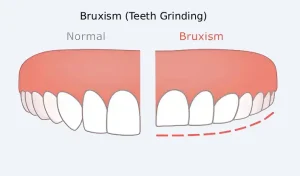
Bruxism, commonly known as teeth grinding, is a condition in which a person clenches or grinds their teeth, often without being aware of it. It can occur during the day while awake or at night during sleep. Bruxism may be temporary or long term and can lead to dental damage, jaw problems, and discomfort if left untreated. Both children and adults can be affected.
Symptoms
Symptoms of bruxism can range from mild to severe and may develop gradually. Common symptoms include:
-
Grinding or clenching sounds during sleep
-
Worn, flattened, chipped, or loose teeth
-
Jaw pain, soreness, or stiffness
-
Headaches, especially in the morning
-
Facial pain or tired jaw muscles
-
Tooth sensitivity
In some cases, people may also experience ear pain without an ear-related cause.
Causes
The exact cause of bruxism is not always clear, but it is often linked to a combination of physical and psychological factors. Common causes include:
-
Stress, anxiety, or tension
-
Sleep disorders such as sleep apnea
-
Misaligned teeth or bite problems
-
Use of caffeine, alcohol, or tobacco
-
Certain medications, including some antidepressants
Risk factors
Several factors may increase the likelihood of developing bruxism:
-
High levels of stress or emotional strain
-
Sleep problems or irregular sleep patterns
-
Family history of bruxism
-
Use of stimulants such as caffeine or nicotine
-
Neurological or mental health conditions
Complications
Untreated bruxism can lead to various complications over time:
-
Damage to teeth, fillings, or crowns
-
Temporomandibular joint disorders
-
Chronic jaw or facial pain
-
Headaches and ear discomfort
-
Sleep disruption for the individual or bed partner
Early recognition and management can help prevent long-term damage.
Prevention
While bruxism cannot always be completely prevented, certain measures may help reduce its frequency and severity:
-
Managing stress through relaxation techniques
-
Maintaining good sleep habits and routines
-
Avoiding caffeine, alcohol, and tobacco, especially before bedtime
-
Using dental guards if recommended by a dentist
-
Seeking treatment for underlying sleep or dental problems
Addressing contributing factors early can help protect oral health and improve quality of life.
Advertisement
