
Overview
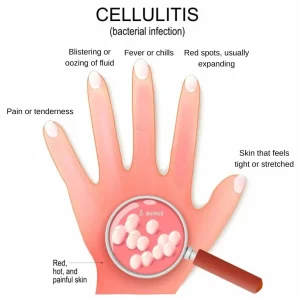
Cellulitis is a common bacterial skin infection that affects the deeper layers of the skin, including the dermis and subcutaneous tissue. It usually occurs when bacteria, most often Streptococcus or Staphylococcus, enter the skin through a cut, wound, insect bite, or surgical incision. Cellulitis can develop rapidly and may spread if untreated, making prompt medical attention essential.
Symptoms
Cellulitis symptoms often develop quickly and usually affect one area of the body, most commonly the legs, arms, or face.
Common symptoms include:
-
Redness of the affected area
-
Swelling and warmth
-
Pain or tenderness
-
Skin that feels tight or stretched
Other possible symptoms include:
-
Fever and chills
-
Fatigue or general malaise
-
Blisters or skin dimpling in severe cases
Causes
Cellulitis is caused by bacterial infection that penetrates the skin, often through breaks in the skin barrier.
Major causes include:
-
Cuts, abrasions, or surgical wounds
-
Insect bites or animal bites
-
Chronic skin conditions such as eczema or athlete’s foot
-
Skin ulcers or pressure sores
Bacteria multiply beneath the skin, causing inflammation, redness, and swelling.
Risk Factors
Certain factors increase the likelihood of developing cellulitis.
Key risk factors include:
-
Weakened immune system due to illness or medications
-
Diabetes or peripheral vascular disease
-
Chronic skin conditions
-
Lymphedema or swelling of limbs
-
Obesity
-
Previous episodes of cellulitis
Complications
If untreated, cellulitis can lead to serious complications affecting both skin and systemic health.
Potential complications include:
-
Abscess formation
-
Blood infection (sepsis)
-
Infection spreading to lymph nodes (lymphangitis)
-
Tissue death (necrosis) in severe cases
-
Recurrent cellulitis in affected areas
Prompt treatment with antibiotics reduces the risk of complications.
Prevention
Preventing cellulitis focuses on protecting the skin and managing underlying risk factors.
Preventive strategies include:
-
Cleaning and properly caring for cuts, wounds, and insect bites
-
Moisturizing skin to prevent cracks or dryness
-
Managing chronic skin conditions effectively
-
Wearing protective clothing when engaging in activities that may cause skin injury
-
Controlling blood sugar levels in individuals with diabetes
-
Seeking prompt treatment for early signs of infection
Good skin hygiene and early care of wounds are essential to lowering the risk of cellulitis.
Advertisement
