
Overview
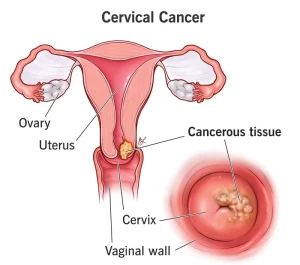
Cervical cancer is a malignant condition that develops in the cells of the cervix, the lower part of the uterus that connects to the vagina. It most commonly arises from long-term infection with certain types of human papillomavirus (HPV). Cervical cancer usually develops slowly, beginning with precancerous changes that can be detected through screening. Early detection and treatment significantly improve outcomes.
Symptoms
Early-stage cervical cancer may not cause noticeable symptoms. As the disease progresses, symptoms may become more apparent.
-
Abnormal vaginal bleeding, including after intercourse or between periods
-
Bleeding after menopause
-
Unusual vaginal discharge that may be watery, bloody, or foul-smelling
-
Pelvic pain or discomfort
-
Pain during sexual intercourse
-
Lower back or leg pain in advanced stages
-
Difficulty or pain while urinating in later stages
Causes of Cervical Cancer
Cervical cancer is primarily caused by persistent infection with high-risk types of human papillomavirus.
-
Long-term infection with high-risk HPV strains
-
Failure of the immune system to clear HPV infection
-
Cellular changes in the cervix that progress from precancerous lesions
-
Delayed detection or lack of regular cervical screening
Risk Factors for Cervical Cancer
Several factors increase the likelihood of developing cervical cancer.
-
Persistent HPV infection
-
Early onset of sexual activity
-
Multiple sexual partners
-
Smoking
-
Weakened immune system
-
Long-term use of oral contraceptives
-
Lack of regular Pap smear or HPV screening
Complications of Cervical Cancer
If untreated or diagnosed at an advanced stage, cervical cancer can lead to serious health complications.
-
Spread of cancer to nearby tissues or distant organs
-
Chronic pelvic pain
-
Fertility problems
-
Urinary or bowel dysfunction
-
Severe vaginal bleeding
-
Emotional and psychological distress
Prevention of Cervical Cancer
Cervical cancer is largely preventable through vaccination and regular screening.
-
Receiving the HPV vaccine at the recommended age
-
Regular Pap smear and HPV testing
-
Practicing safe sexual behaviors
-
Avoiding tobacco use
-
Prompt follow-up and treatment of abnormal screening results
-
Maintaining a healthy immune system
Early screening and preventive measures play a critical role in reducing the incidence and mortality associated with cervical cancer.
Advertisement
