
Overview
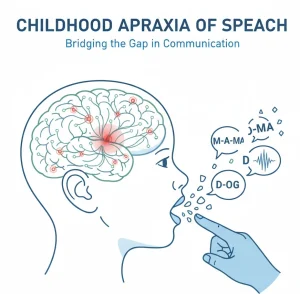
Childhood apraxia of speech is a motor speech disorder in which a child has difficulty planning and coordinating the movements needed for speech. The brain knows what it wants to say, but the muscles of the lips, tongue, and jaw do not move correctly to produce clear sounds and words. This condition is not caused by muscle weakness but by problems with how the brain sends signals to the speech muscles. Childhood apraxia of speech usually becomes noticeable in early childhood and requires specialized speech therapy for improvement.
Symptoms
Symptoms of childhood apraxia of speech vary in severity and may change as the child grows. Speech difficulties are often inconsistent and more noticeable when the child tries to say longer or more complex words.
Common symptoms include:
-
Delayed development of first words
-
Limited sound inventory compared to other children of the same age
-
Difficulty combining sounds smoothly
-
Inconsistent pronunciation of the same word
-
Groping movements of the mouth when trying to speak
Other symptoms may include:
-
Trouble imitating speech sounds
-
Greater difficulty with longer words or phrases
-
Slow speech rate
-
Problems with stress, rhythm, or intonation of speech
Causes
The exact cause of childhood apraxia of speech is often unknown. It occurs due to impaired communication between the brain and the muscles involved in speech production.
Possible causes include:
-
Neurological differences affecting speech planning
-
Genetic factors or inherited conditions
-
Brain injury or developmental brain abnormalities
-
Association with neurodevelopmental disorders
In many cases, no clear cause is identified.
Risk Factors
Certain factors may increase the likelihood of developing childhood apraxia of speech.
Key risk factors include:
-
Family history of speech or language disorders
-
Presence of genetic or neurological conditions
-
Developmental delays
-
Male sex, as the condition is diagnosed more often in boys
Complications
If not identified and treated early, childhood apraxia of speech can lead to long-term communication and developmental challenges.
Possible complications include:
-
Persistent speech difficulties
-
Delays in language development
-
Reading and spelling problems
-
Academic difficulties
-
Social frustration or low self-esteem
Early and ongoing intervention helps reduce the impact of these complications.
Prevention
There is no known way to prevent childhood apraxia of speech, but early recognition and intervention can significantly improve outcomes.
Preventive and supportive strategies include:
-
Early developmental screening and evaluation
-
Prompt referral to a speech-language pathologist
-
Consistent and individualized speech therapy
-
Supportive home environment that encourages communication
-
Regular monitoring of speech and language progress
Timely diagnosis and appropriate therapy play a key role in helping children with childhood apraxia of speech develop effective communication skills.
Advertisement
