
Overview
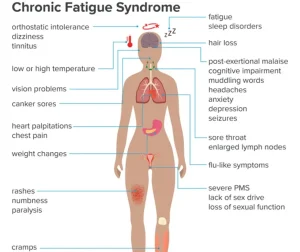
Chronic Fatigue Syndrome, also known as Myalgic Encephalomyelitis (ME/CFS), is a long-term, complex condition characterized by extreme fatigue that does not improve with rest and worsens with physical or mental activity. The fatigue is severe enough to interfere with daily activities, work, education, and social life. The exact cause is not fully understood, and symptoms can vary widely from person to person.
This condition affects people of all ages but is more commonly diagnosed in adults between 20 and 50 years. It is a real medical condition and not simply tiredness or stress-related exhaustion.
Symptoms
Symptoms of Chronic Fatigue Syndrome are persistent and typically last for six months or longer. They may fluctuate in severity over time.
Common symptoms include:
-
Profound fatigue that is not relieved by rest
-
Post-exertional malaise, where symptoms worsen after physical or mental activity
-
Unrefreshing sleep
-
Difficulty with concentration, memory, or thinking clearly (often called brain fog)
-
Muscle pain or weakness
-
Joint pain without swelling or redness
-
Headaches of a new type or severity
-
Sore throat
-
Tender lymph nodes in the neck or armpits
-
Dizziness or lightheadedness, especially when standing
Causes
The exact cause of Chronic Fatigue Syndrome remains unknown. Research suggests it may develop due to a combination of factors rather than a single cause.
Possible contributing factors include:
-
Viral infections that trigger long-term immune changes
-
Immune system dysfunction
-
Hormonal imbalances involving the adrenal or thyroid glands
-
Genetic predisposition
-
Physical or emotional stress
-
Problems with energy metabolism at the cellular level
No single test can confirm the condition, and diagnosis is usually made by ruling out other illnesses.
Risk Factors
Certain factors may increase the likelihood of developing Chronic Fatigue Syndrome.
These include:
-
Age, most commonly affecting young and middle-aged adults
-
Female sex, as it is diagnosed more often in women than men
-
History of viral or bacterial infections
-
High levels of prolonged physical or psychological stress
-
Family history of similar fatigue-related conditions
Complications
Chronic Fatigue Syndrome can significantly impact quality of life and may lead to various physical, emotional, and social complications.
Potential complications include:
-
Reduced ability to work or attend school
-
Social isolation due to limited energy
-
Depression and anxiety related to chronic illness
-
Sleep disorders
-
Increased sensitivity to pain, light, or noise
Severe cases may result in long-term disability if symptoms remain unmanaged.
Prevention
There is no proven way to completely prevent Chronic Fatigue Syndrome because its exact cause is unclear. However, certain strategies may help reduce the risk or manage symptoms more effectively.
Helpful preventive and management approaches include:
-
Managing stress through relaxation techniques and balanced routines
-
Getting adequate and consistent sleep
-
Avoiding overexertion and pacing daily activities
-
Seeking early medical evaluation for persistent fatigue
-
Maintaining a healthy diet and staying hydrated
-
Addressing infections or other medical conditions promptly
Early recognition and supportive care can help improve symptom control and overall quality of life for individuals living with Chronic Fatigue Syndrome.
Request an appointment
Advertisement
