
Overview
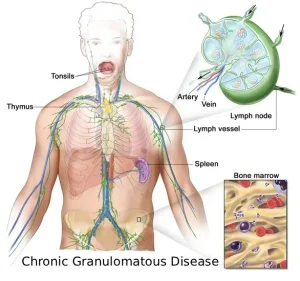
Chronic Granulomatous Disease (CGD) is a rare inherited immune system disorder that affects the body’s ability to fight certain bacterial and fungal infections. It occurs due to a defect in white blood cells called phagocytes, which are unable to produce reactive oxygen species needed to kill specific pathogens.
As a result, individuals with CGD experience recurrent, sometimes life-threatening infections and inflammation that can lead to the formation of granulomas, which are clusters of immune cells formed in response to chronic infection or inflammation. The condition is usually diagnosed in childhood, although milder forms may be identified later in life.
Symptoms
Symptoms of Chronic Granulomatous Disease vary depending on the severity of immune dysfunction and the type of infections involved. Infections often affect the lungs, skin, lymph nodes, liver, and bones.
Common symptoms include:
-
Frequent or severe bacterial and fungal infections
-
Pneumonia that may recur or be difficult to treat
-
Skin infections or abscesses
-
Swollen or painful lymph nodes
-
Persistent fever
-
Chronic diarrhea or gastrointestinal inflammation
-
Poor growth or delayed development in children
-
Fatigue and general weakness
Granuloma formation may cause obstruction in organs such as the gastrointestinal or urinary tract.
Causes
Chronic Granulomatous Disease is caused by genetic mutations that impair the function of the NADPH oxidase enzyme complex in phagocytes. This defect prevents immune cells from producing substances needed to kill certain microorganisms.
Key causes include:
-
X-linked genetic mutations, the most common form
-
Autosomal recessive genetic mutations affecting immune cell function
-
Inherited defects passed from one or both parents
Because it is a genetic condition, CGD is not contagious and cannot be acquired later in life.
Risk Factors
Risk factors for Chronic Granulomatous Disease are primarily related to genetics and family history.
These include:
-
Being born to parents who carry CGD-related gene mutations
-
Male sex, due to higher risk with X-linked inheritance
-
Family history of recurrent or severe infections
-
Siblings diagnosed with CGD or other inherited immune disorders
Early genetic counseling can help identify at-risk individuals.
Complications
Without proper management, Chronic Granulomatous Disease can lead to serious and long-term complications due to repeated infections and chronic inflammation.
Possible complications include:
-
Severe or life-threatening infections
-
Chronic lung disease from repeated pneumonia
-
Liver abscesses
-
Gastrointestinal obstruction caused by granulomas
-
Bone infections (osteomyelitis)
-
Reduced quality of life and physical limitations
Prompt diagnosis and ongoing medical care are essential to reduce complication risks.
Prevention
There is no way to prevent Chronic Granulomatous Disease because it is a genetic condition. However, effective preventive strategies can reduce infection frequency and severity.
Preventive and management measures include:
-
Long-term preventive antibiotic and antifungal therapy
-
Regular medical monitoring and early treatment of infections
-
Avoiding exposure to high-risk environments such as decaying organic matter
-
Maintaining up-to-date vaccinations as recommended by healthcare providers
-
Genetic counseling for affected families
With early diagnosis and appropriate care, many individuals with Chronic Granulomatous Disease can lead longer, more active lives.
Request an appointment
Advertisement
